Build a Custom AppArmor Profile on SUSE Linux
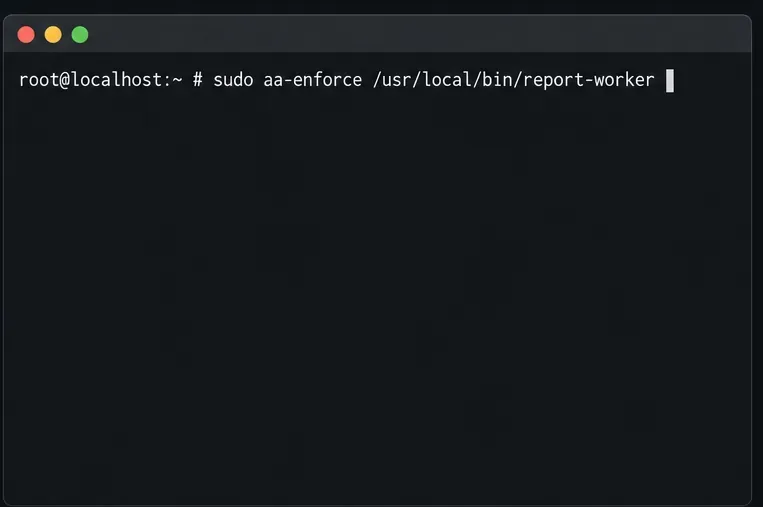
Create, refine, and verify a least-privilege AppArmor profile on SLES 15 SP7, with a clear note on SLES 16’s SELinux default.
In fact, for some reason, you do not want others to copy and edit your text, now you can use the anti-copy feature and edit text in Word files easily to prevent block copying.
This feature must be familiar with PDF files, but in Microsoft Word people rarely use this feature. So WebTech360 will guide you to implement this feature to protect your documents.
This tutorial will be suitable for Word 2007, Word 2010, Word 2013 and Word 2016 versions, basically this operation is the same on the versions mentioned above. To prevent Copy and edit Word files, we do the following:
+ Step 1: Open the Word file that you want to set the anti-copy property and edit the text on.
+ Step 2: You click Review >Restrict Editing
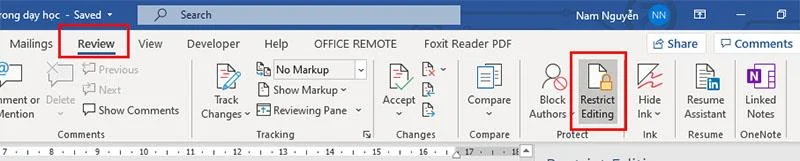
+ Step 3. A dialog box appears on the right side of your text page. and you can set some of the following parameters to suit your needs
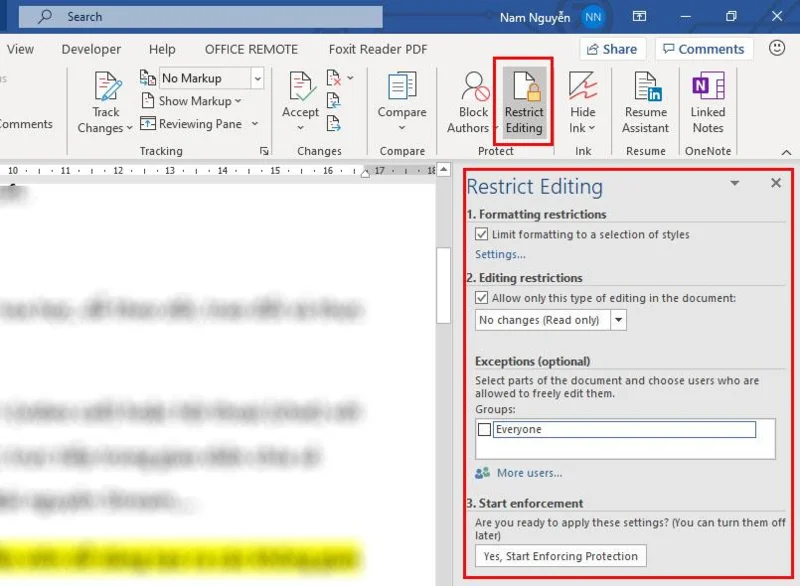

After the setup is complete, click select  to start protecting your documents
+ Step 4: You will see a table for you to enter a password to make sure no one can copy and edit the text on your word file.
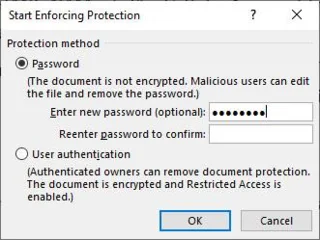
Note: To remove the anti-copy and text editing feature, you do the same thing as when installing (Review > Restrict Editing) . Then click then enter the password to lock. Stop Protection 
Wish you will have more interesting experiences with Microsoft Word
Create, refine, and verify a least-privilege AppArmor profile on SLES 15 SP7, with a clear note on SLES 16’s SELinux default.
Set up RMT on SLES 15, mirror entitled repositories, and verify HTTPS registration and package access from a test client.
Connect SLES 15 to AD with YaST’s SSSD-based logon management, then verify directory lookup, domain login, and Kerberos tickets.
Set up the right Live Patching path for SLES 16.0 or 15 SP7, apply eligible kernel fixes, and confirm what is active without confusing it with a reboot-required kernel update.
Load a custom SLES 15 kernel module without disabling Secure Boot. Match the running kernel, sign the .ko file, enroll a MOK key, and verify loading.
SLES 15 SP5 can migrate online to SP6, but each node must reboot. Use a tested rolling upgrade or blue-green cutover to keep workloads reachable.
Use SUSE’s supported STIG profile to scan SLES 15, test remediation, review remaining findings, and retain assessment evidence.
Trace a failed Cockpit connection through DNS, port 9090, the systemd socket, firewalld, TLS, and login settings using current SUSE guidance.
Create a redundant Ethernet connection on SLES 15 with YaST and Wicked, configure active-backup bonding, and verify both ports and failover.
Turn an existing SLES 15 system into a reviewed AutoYaST profile, validate it, and use it to deploy a test server with fewer manual steps.