How to annotate screenshots using Snipping Tool

Snipping Tool also provides built-in tools for annotating computer screenshots . This tool allows you to mark and highlight important parts of the screenshot to convey the message you want. You can draw, write, or add shapes to the image. Thus, users do not need to use additional photo editing software or other tools to annotate. Below are instructions for annotating screenshots using Snipping Tool.

How to Annotate Screenshots Using the Snipping Tool

Step 1:

First, you find the content you want to take a screenshot of. Next, we press the key to take a screenshot using the Snipping Tool .

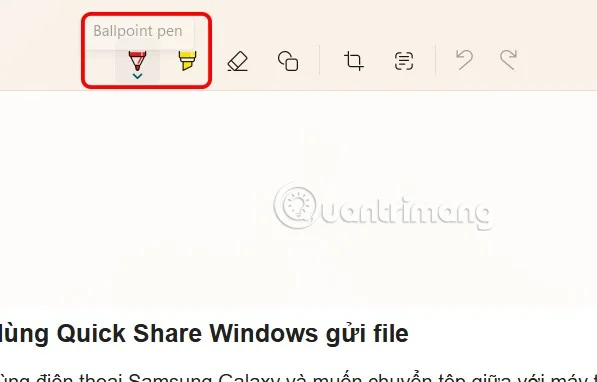
In the screenshot customization interface, users click on the pen tool or highlighter tool from the toolbar as shown below.
How to annotate screenshots using Snipping Tool

Step 2:

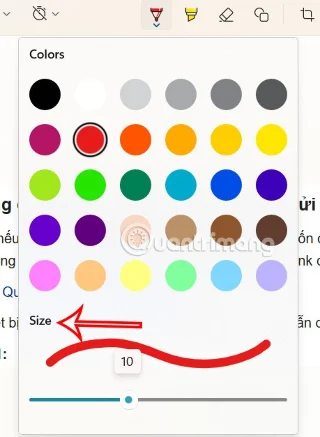
Now you choose the color for the content you will write on the screenshot. Below is the size customization for the pen to write notes on the screen.

How to annotate screenshots using Snipping Tool

Step 3:

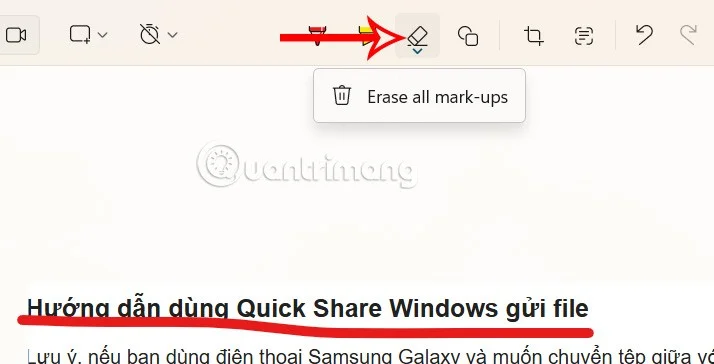
Once you have selected the pen and color for the annotation, you write on the screenshot. If you write the wrong annotation, the user clicks on the eraser icon to erase the annotation .

How to annotate screenshots using Snipping Tool

Step 4:

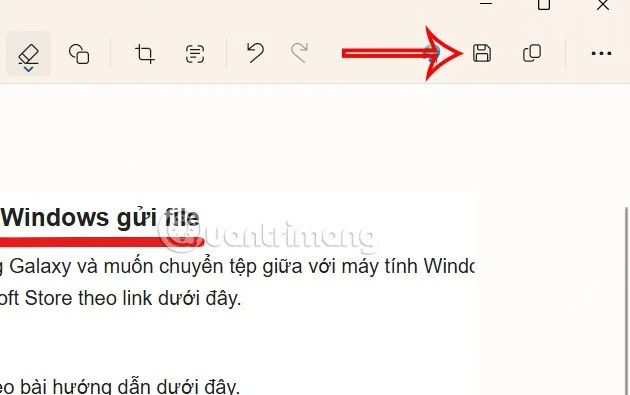
Besides, we can also frame the screenshot with Snipping Tool, using the shape icon in the toolbar. Finally, click the save icon to save the screenshot.

How to annotate screenshots using Snipping Tool

Video tutorial on annotating screenshots on Snipping Tool
Leave a Comment

Fix APT Signature Errors by Repairing the Repository Key

Fix APT Signature Errors by Repairing the Repository Key

Resolve Ubuntu APT signature warnings safely by identifying the failing source, refreshing its verified key, and checking the result without disabling security.

How to Convert Three-Phase Voltage, Current, kW, kVA, and Power Factor

How to Convert Three-Phase Voltage, Current, kW, kVA, and Power Factor

Learn the balanced three-phase formulas and convert line voltage, current, kW, kVA, and power factor step by step, with a worked example and limits to check.

Cap a Command’s CPU and Memory Use with Ubuntu cgroups

Cap a Command’s CPU and Memory Use with Ubuntu cgroups

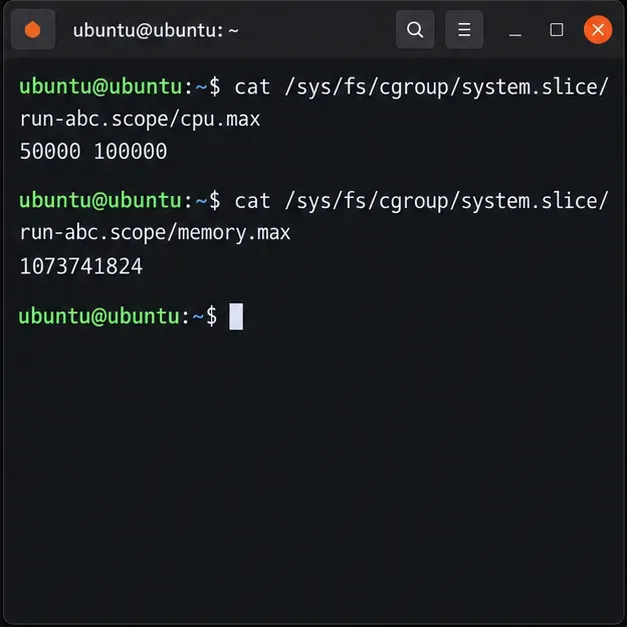
Run a workload inside a systemd scope with CPUQuota and MemoryMax, then verify the limits through cgroup v2.

Encrypt Pi-hole Upstream DNS on Ubuntu Server 24.04

Encrypt Pi-hole Upstream DNS on Ubuntu Server 24.04

Set up dnscrypt-proxy as Pi-hole’s local DoH bridge on Ubuntu 24.04, with a localhost-only listener, resolver selection, and checks before switching DNS.

Get Ubuntu 24.04 Touchpad Gestures Working on Wayland

Get Ubuntu 24.04 Touchpad Gestures Working on Wayland

Check Ubuntu’s touchpad settings, confirm Wayland, and test GNOME’s built-in swipes before troubleshooting apps or hardware.

Build a Debian 12 RAID 1 Mirror with mdadm

Build a Debian 12 RAID 1 Mirror with mdadm

Create and verify a two-disk Debian 12 RAID 1 data array, format it safely, and configure it to assemble and mount after reboot.

Encrypt Debian 12 Swap with a Fresh Key at Every Boot

Encrypt Debian 12 Swap with a Fresh Key at Every Boot

Set up random-key encryption for an existing Debian 12 swap partition, verify the active dm-crypt mapping, and understand the hibernation trade-off.

How to Restrict SSH Users to Specific Directories on Ubuntu 24.04 (SFTP Chroot Guide)

How to Restrict SSH Users to Specific Directories on Ubuntu 24.04 (SFTP Chroot Guide)

Restrict Ubuntu 24.04 SSH accounts to designated SFTP folders with chroot, proper permissions, Match rules, and safe tests—without granting shell access.

Release Ubuntu’s APT Lock Safely and Finish the Update

Release Ubuntu’s APT Lock Safely and Finish the Update

Find which process owns Ubuntu’s dpkg frontend lock, let package work finish, and repair interrupted installations without deleting lock files.

How to Set Up Automated Btrfs Snapshots on Ubuntu Desktop

How to Set Up Automated Btrfs Snapshots on Ubuntu Desktop

Set up scheduled Btrfs system snapshots on Ubuntu Desktop with Timeshift, verify the Ubuntu subvolume layout, choose retention, and understand what snapshots cannot protect.