Pardus 23 Sound Card Missing? Check ALSA and Restore Audio
Find out why Pardus 23 cannot detect your sound card, then use targeted ALSA, firmware, and PipeWire or PulseAudio checks to restore playback.
Encountering a Windows 11 "Paging File" configuration error can be frustrating, especially when it disrupts your workflow or slows down your PC. Don't worry—this common issue with virtual memory settings is fixable with the right steps. In this guide, we'll walk you through understanding the problem and provide practical, up-to-date solutions to get your system running smoothly again. Whether you're seeing error messages like "Your system is low on virtual memory" or performance lags, we've got you covered. Let's dive in and reclaim your PC's speed! 🚀
The paging file, also known as the pagefile.sys, acts as virtual memory on your hard drive, extending your RAM when it's overwhelmed. In Windows 11, this feature is crucial for multitasking, running resource-heavy apps, and maintaining stability. When misconfigured, it triggers errors that can cause crashes, slow boots, or blue screens.
Recent updates to Windows 11 have refined how the system manages virtual memory, making it more efficient on modern hardware like SSDs. However, issues arise from insufficient space, corrupted files, or conflicts with antivirus software. Fixing these ensures your PC feels snappy and reliable—imagine seamless gaming or editing without hitches!
Spotting a paging file error early can prevent bigger headaches. Look out for:
If these sound familiar, it's time to troubleshoot. Our step-by-step approach will guide you safely, minimizing risks to your data.
Ready to fix it? Follow these proven methods, starting with the simplest. We'll prioritize safety and ease— no tech expertise required! 😊
The most direct fix for paging file configuration errors is tweaking settings via System Properties.
This restores balance and often resolves errors instantly. Pro tip: For SSD users, keep sizes moderate to avoid excessive wear.
Corrupted system files can corrupt paging file configs. Use built-in tools to scan and repair.
sfc /scannow and press Enter. Wait for it to complete.DISM /Online /Cleanup-Image /RestoreHealth for deeper fixes.These commands, enhanced in recent Windows 11 builds, target virtual memory integrity without third-party software.
A full drive hampers paging file operations. Ensure at least 15-20% free space on your system drive.
Feeling lighter already? This step not only fixes errors but boosts overall Windows 11 performance.
Outdated components can trigger paging file issues. Head to Settings > Windows Update > Check for updates. Install any available patches, as the latest ones (including 2026 enhancements) improve memory management.
For drivers, use Device Manager or visit your hardware manufacturer's site. NVIDIA, AMD, or Intel users should grab the newest graphics drivers for better RAM handling.
If basics don't cut it, try these:
| Issue | Solution | Why It Works |
|---|---|---|
| Antivirus Interference | Exclude pagefile.sys from scans (in your AV settings). | Prevents false positives blocking virtual memory access. |
| Multiple Drives Conflict | Move paging file to a secondary drive: In Virtual Memory settings, set C: to "No paging file" and D: to system-managed. | Distributes load for better stability on multi-drive setups. |
| Registry Issues | Run regedit, navigate to HKEY_LOCAL_MACHINE\SYSTEM\CurrentControlSet\Control\Session Manager\Memory Management, and ensure PagingFiles key points to correct paths. |
Resets corrupted registry entries (backup first!). |
⚠️ Caution: Advanced steps involve risks—back up data via File History or OneDrive before proceeding.
Once fixed, keep errors at bay with these habits:
For more on virtual memory best practices, check Microsoft's official guide: Virtual Memory in Windows 11.
Resolving Windows 11 "Paging File" configuration errors doesn't have to be a nightmare— with these steps, you'll likely see improvements right away. Your PC should now hum along efficiently, letting you focus on what matters. If issues persist, consider professional help or community forums like Reddit's r/Windows11. You've got this—enjoy the smoother rides ahead! 👏
Share your success stories in the comments below. What fixed your paging file woes?
Find out why Pardus 23 cannot detect your sound card, then use targeted ALSA, firmware, and PipeWire or PulseAudio checks to restore playback.
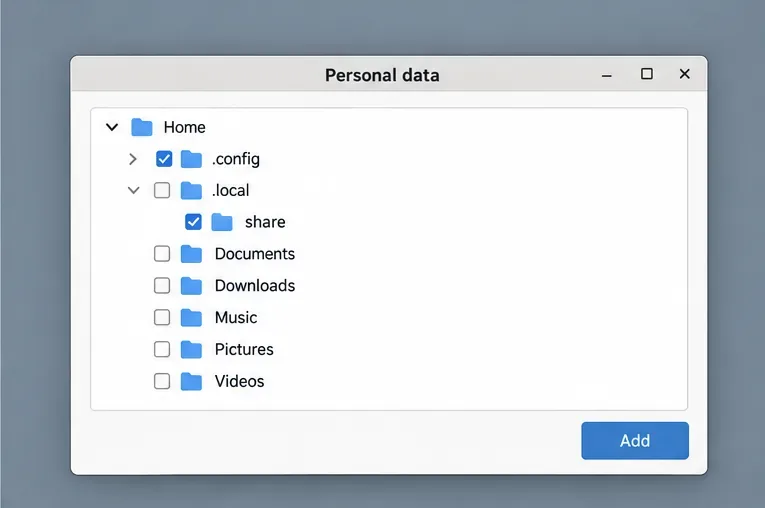
Save HamoniKR preferences to external storage, include hidden home folders, and choose a safe restore mode when moving to a fresh installation.
Install and configure xrdp on Pardus, choose the right Xfce session, restrict network access, and verify that remote login works.
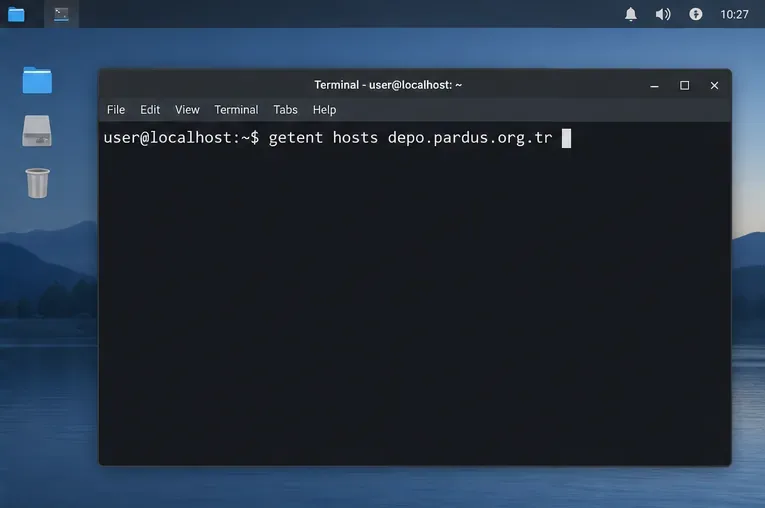
Diagnose Pardus 23 APT connection failures, confirm the official yirmiuc sources, and restore apt update without bypassing package signature checks.
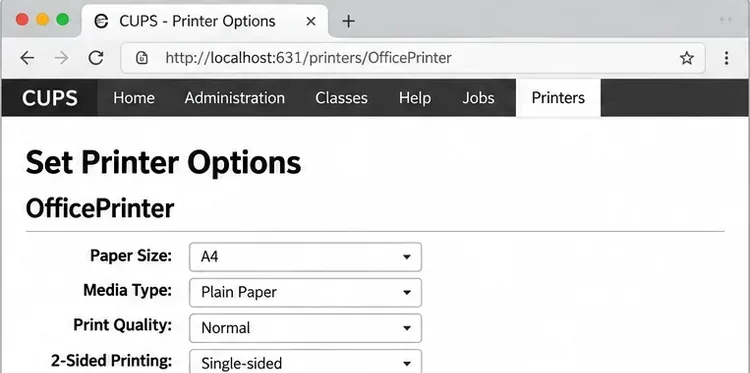
Configure printers on Harmonica OS using CUPS, compare driverless IPP with legacy drivers, and verify USB or network printing with a test page.
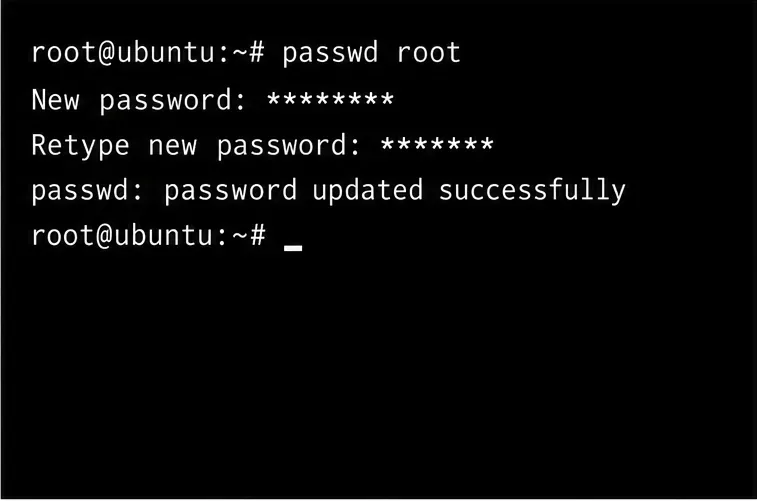
Use a recovery shell to set a new Harmonica OS root password, with checks for encrypted disks, read-only filesystems, and accounts that use sudo.
Trace whether clipping, ALSA format conversion, or HDA power saving is causing Ubuntu 24.04 audio distortion, then apply the matching reversible fix.
Switch Debian audio between named PipeWire outputs with a pactl script that updates the default sink and reroutes streams already playing.
Get your Bluetooth headset mic working by selecting the right input, using a hands-free audio profile, and checking Ubuntu’s PipeWire route.
Learn why Flatpak apps may ignore Ubuntu 24.04 GTK themes and follow safe steps to check theme extensions, refresh Flatpak apps, and diagnose portal issues.