Podcasting Trends You Need to Know in 2026: A Beginner’s Roadmap

New to podcasting? Learn the 2026 trends shaping video, discovery, transcripts, AI, analytics, monetization, and a practical launch plan.
Online learning via phone or computer will become easy with the feature of adding closed captions. Today's article The Teaching Manual will show you how to add subtitles to the Zoom Cloud Meetings application when online.
Benefits of using the feature to add subtitles to lectures on Zoom
Step 1: Turn on Closed Caption
Access and log in to the Zoom software homepage HERE . Select My Account .
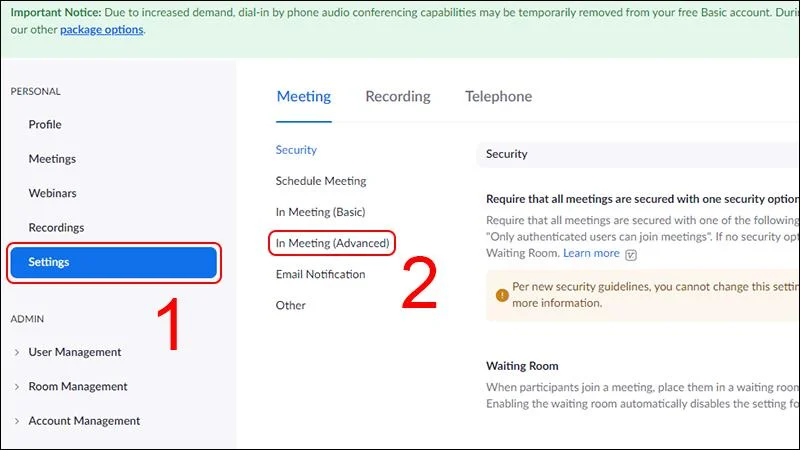
Select the Settings tab > Select In meeting (Advance) .
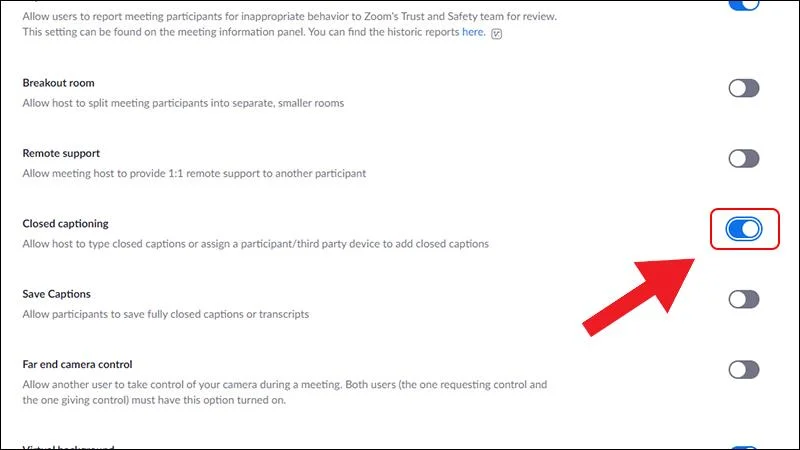
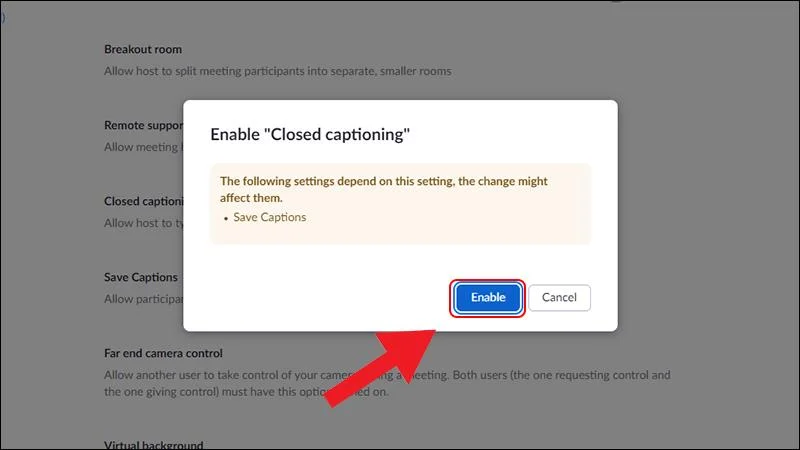
See if Closed Captioning is enabled (the button is green), if not > Move the Close Captioning button to the right to turn it on.
The confirmation message panel appears > Select Enable .
Step 2: Use Closed Caption when online
In an online meeting you host > click the CC icon in the dashboard.
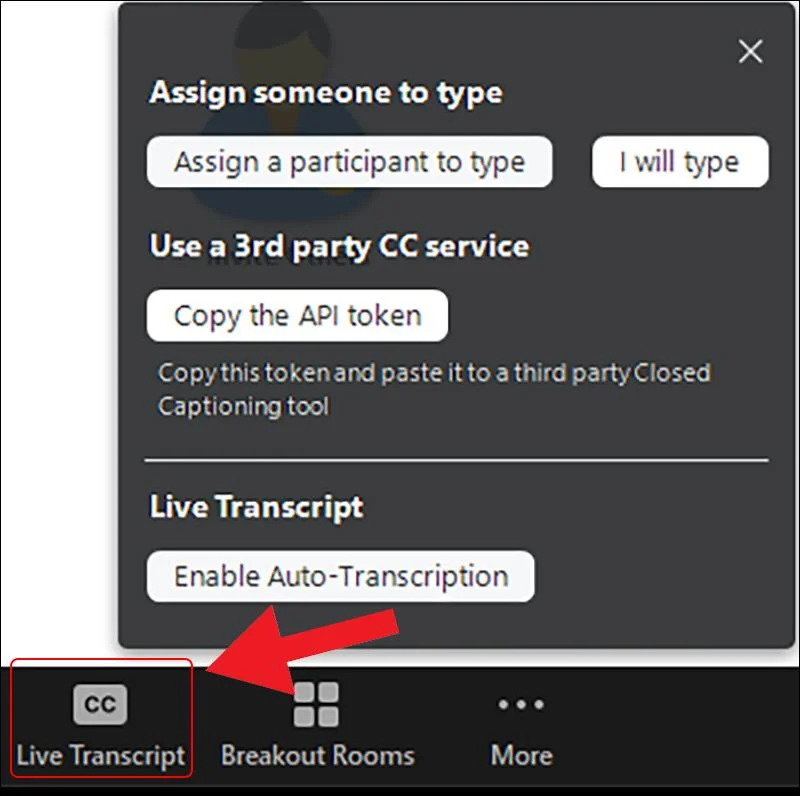
Here you have the following options:
– Assign a participant to type : Select the person to enter the subtitles.
Hover over the person you want to select > More > Assign to type Closed Caption .

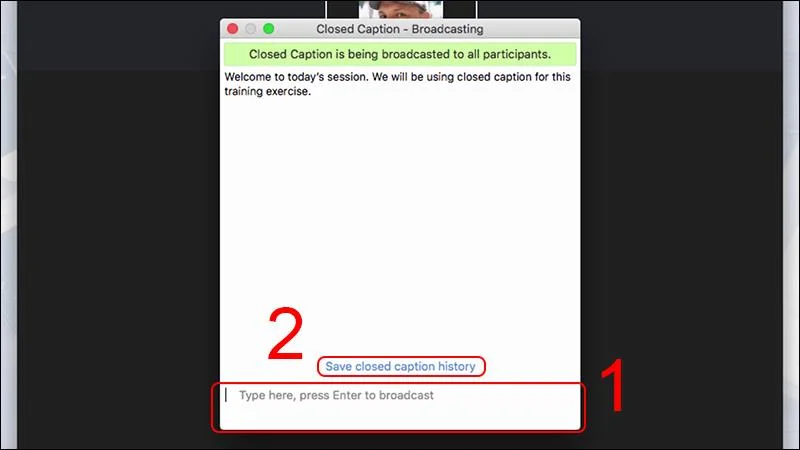
– I will type : Enter subtitles yourself.
Enter subtitles > After importing, select Save Closed Caption History to save the newly created subtitles.
– Copy the API token : for people who use third-party services to add subtitles.
– Live transcript : The application will automatically recognize the voice and create automatic subtitles.
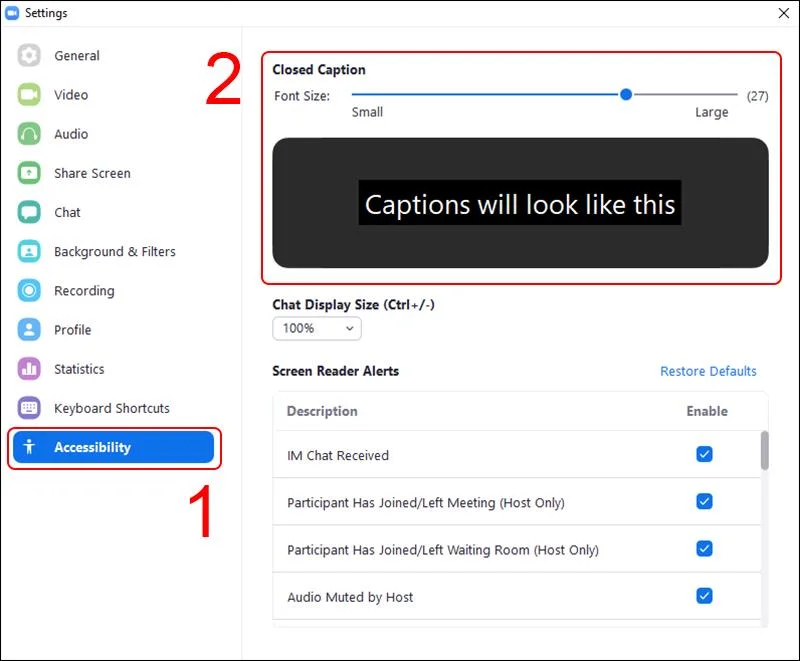
To change the size of the subtitles, go to Settings > Accessibility > Drag the Font Size bar to adjust.
Above are some brief instructions on using the Live transcaption feature in Zoom, hope you will have an enjoyable experience with this feature.
New to podcasting? Learn the 2026 trends shaping video, discovery, transcripts, AI, analytics, monetization, and a practical launch plan.
A practical UGC masterclass for sourcing, permissioning, briefing, publishing, and measuring customer and creator content without losing authenticity.
Community building can deepen trust, retention, feedback, and advocacy, but it is not a replacement for every marketing channel. Compare the tradeoffs and choose the right model.
Learn what major social platforms have actually confirmed about ranking changes in 2026, what depends on context, and how to adapt without chasing myths.
Learn how to make brand storytelling feel credible, human, and specific—using proof, real tension, ethical customer stories, and a practical authenticity check.
Build a smarter Q4 email strategy by balancing reach, frequency, discounts, automation, deliverability, and measurement for profitable holiday growth.
Learn how to create short-form video that converts by balancing hooks, format, authenticity, CTA, platform fit, and testing across TikTok, Reels, and Shorts.
Why are brands testing KOCs instead of relying only on influencers? Learn what KOCs are, why social commerce favors them, common myths, and how to run a measurable pilot.
Learn a practical TikTok SEO workflow for 2026: find real search demand, match search intent, optimize each video, and measure what improves visibility.
Prepare your e-commerce store for Black Friday with a practical checklist for offers, site speed, checkout, inventory, fulfillment, analytics, security, and support.