





Would Europe Be Drawn into a Hypothetical U.S.-Israel-Iran Nuclear War? NATO Rules Explained

A guide to NATO Articles 4 and 5, UN self-defense rules, and why consultation does not mean automatic European entry into war.
Creating a group chat on Facebook Messenger allows you to communicate with multiple people simultaneously. This function is especially useful for sharing information, conducting group meetings, and making social connections, as Messenger continues to be an essential platform for many users around the world.
Follow the instructions below to set up a group chat on different devices:
Step 1: Open Facebook Messenger on your Android phone. Tap the icon with 3 heads, then click on the plus sign icon to create a new group. Next, tap the magnifying glass icon to search for members to add.

Step 2: After adding members, click the blue arrow icon to create the group and name it to avoid confusion with other groups.
Step 1: Launch Facebook Messenger. Tap the Group tab in the upper right corner, then select Create group. Use the Search function to add members, and click Name chat group to set a name.
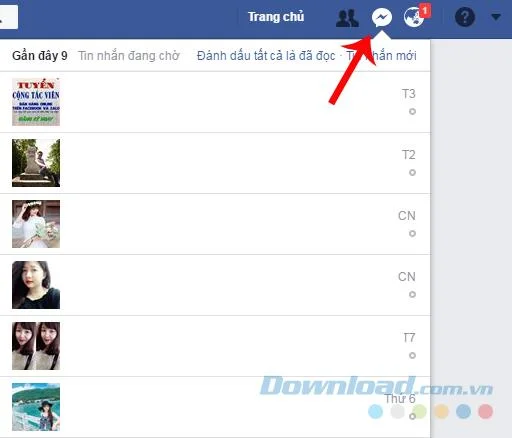
Step 1: Log in to your Facebook account. Click on the Facebook Messenger icon and select New message or View all messages.
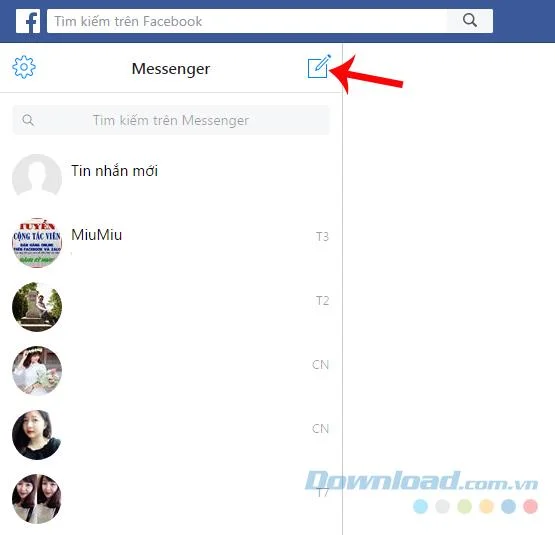
Step 2: Click on the icon to compose a new message.
Follow these steps to exit a group chat on any device:
Step 1: Open Messenger, go to the Group tab, and select the group name. Tap on the Group Name at the top, scroll down, and select Leave group to confirm.
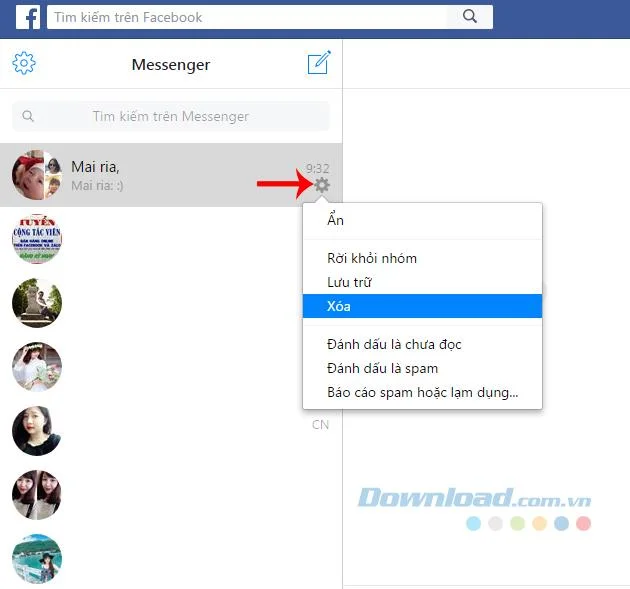
Step 1: Access the group chat and click on the settings icon (cog) to choose Leave group.
Step 1: Access the group chat and tap on the settings icon. Choose Delete to remove the chat completely.
By following these updated instructions, you can easily manage your group chats on Messenger in 2024 and 2025. Stay connected with your friends and family efficiently!
For visual learners, take a look at the following video to help you navigate through using group chats on Messenger:
A guide to NATO Articles 4 and 5, UN self-defense rules, and why consultation does not mean automatic European entry into war.
Assess claims about Iran in six steps, distinguishing uranium enrichment, weapons development and verified possession.
Understand nuclear decision authority in six steps, including US civilian control and the limits of public information about Israel.
A guide to official 2026 evidence on Hormuz shipping disruption, Iran-related claims, confirmed incidents, and what remains uncertain.
A source-based guide to nuclear escalation risks, UN Charter rules and NATO Article 5 in a strictly hypothetical Iran scenario.
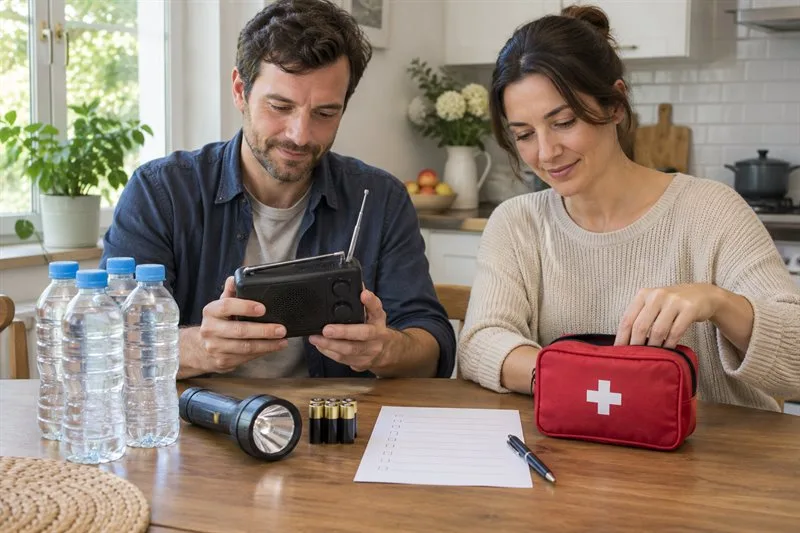
Use five steps to prepare for an outage; nuclear and EMP scenarios are hypothetical, and official shelter instructions come first.
Use 5 defensive steps to verify a cyber disruption, protect household accounts, and avoid mistaking an outage for war.
Use these 5 steps to assess climate effects from a hypothetical Iran strike, compare model assumptions, and avoid unsupported predictions.
Explore six steps for reading research on climate, food and ecosystem recovery after a hypothetical nuclear conflict.
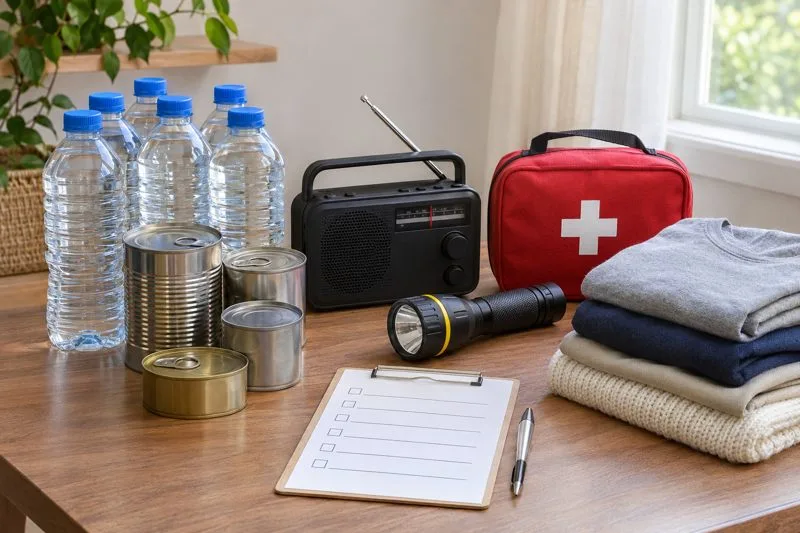
Build a practical fallout preparedness kit in six steps, with sealed food and water, a radio, medical supplies and shelter guidance.