Customize Collabora CODE Toolbars Without Editing Source
Simplify Collabora CODE with Compact or Tabbed mode and WOPI PostMessage controls to hide selected buttons, commands, and tabs safely.
Do you want to delete cookies of a specific website in Google Chrome ? Here are two simple ways to delete cookies and site data for a website in Google Chrome.
Cookies (also known as HTTP Cookies, Internet Cookies or Browser Cookies) are text files that store small bits of data on a web browser while you are browsing. Whenever a user first visits the site, all of your browsing information will be stored as a cookie. Websites use this cookie to track you continuously.
Have. Cookies are very useful every time you browse specific websites.
Suppose when you log in to a bank website, your login information will be temporarily stored as a cookie. Now, on that bank's webside, you can use different options such as Money Transfer, Insurance, Lending ... Then there is no need to login again to access each option because of login information. Your browser is temporarily stored as a cookie and it helps you to log in, accessing all the different options on the bank's website until you log out.
If you visit a particular website with your ID, name, address, email and phone number, these logins are stored as cookies. Now, if you open any other website, this information can be automatically filled without re-entering. This saves you a lot of time.
While browsing, suppose you have searched for loan terms and interest rates. After a while, you can start receiving a large number of unnecessary emails every day regarding personal loans. The reason for this is because websites use cookies on your browser to track you. These cookies are responsible for receiving bulk emails from a specific website. You start thinking about deleting cookies.
Or when browsing the web, you search for something on an online store. Then, if you are entering any page, the product that you have been looking for before will appear. This is because cookies on your browser are constantly monitoring you. At this point, you might also consider deleting cookies.
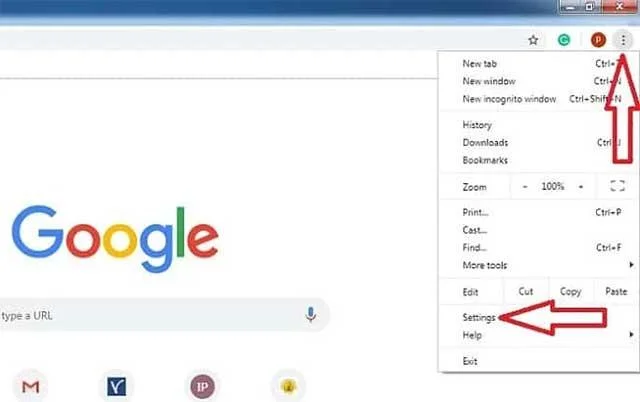
Step 1: Open the Chrome browser on the computer. Click on the 3-dot icon in the right corner of the screen, select Settting .
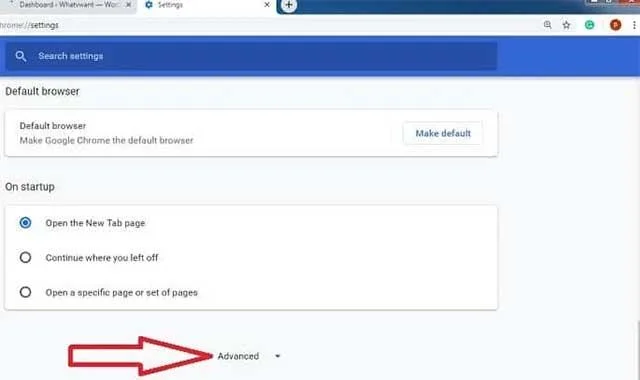
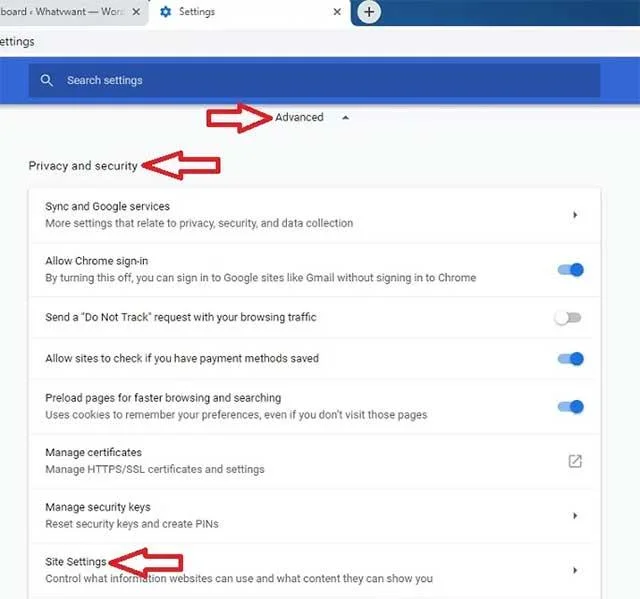
Step 2: A new page opens, scroll down and click on Advanced .
Step 3: Scroll down and select Site Settings under Privacy and security .
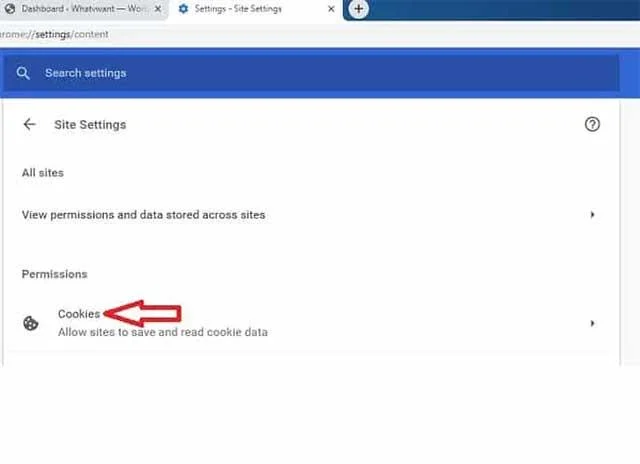
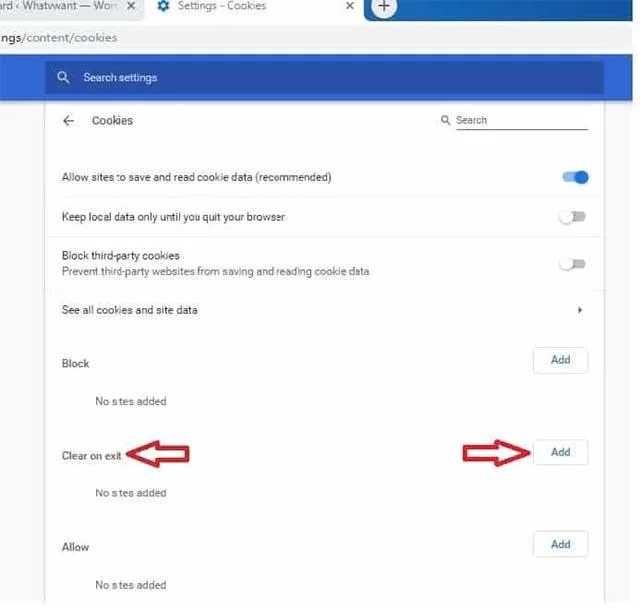
Step 4: Select Cookies .
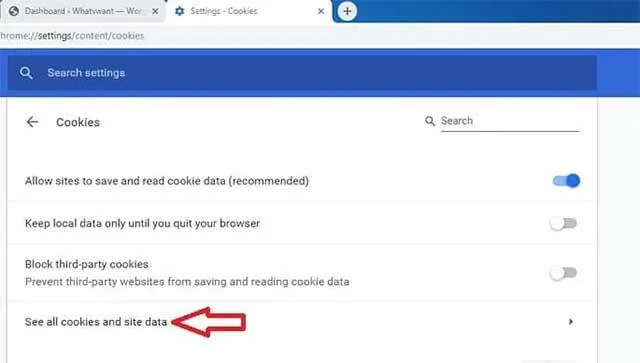
Step 5: Click the See all cookies and site data option .
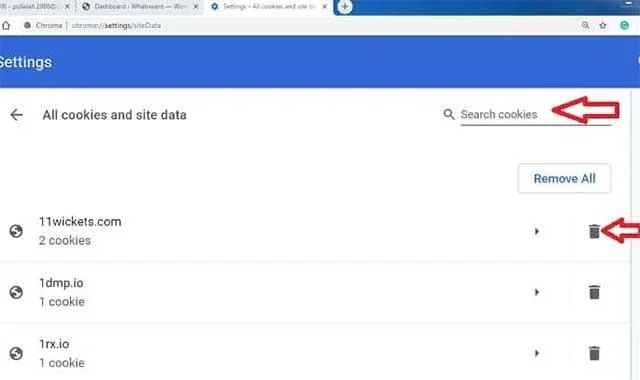
Step 6: In the right corner, type the URL for the specific website you want to delete cookies. Then all site cookies appear. Now click on the trash can icon on the right side of each cookie to delete all site cookies.
Step 1: Repeat steps 1- 4 as above.
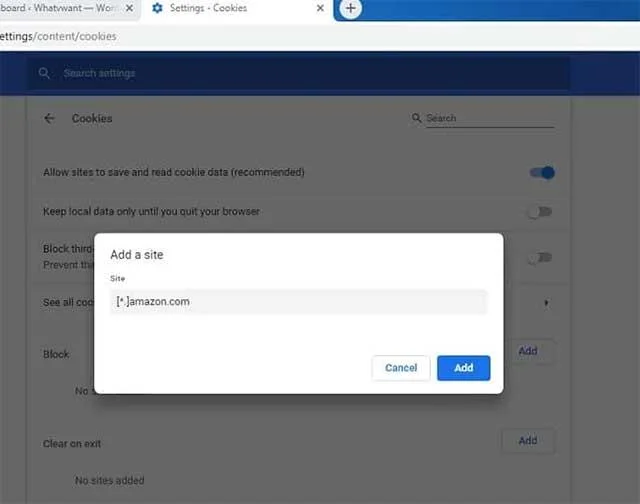
Step 2: Click the Add option on the line "Clear on exit". Enter [*.] + Specific website address. For example, if you want to delete cookies from amazon.com, type [*.] Amazon.com.
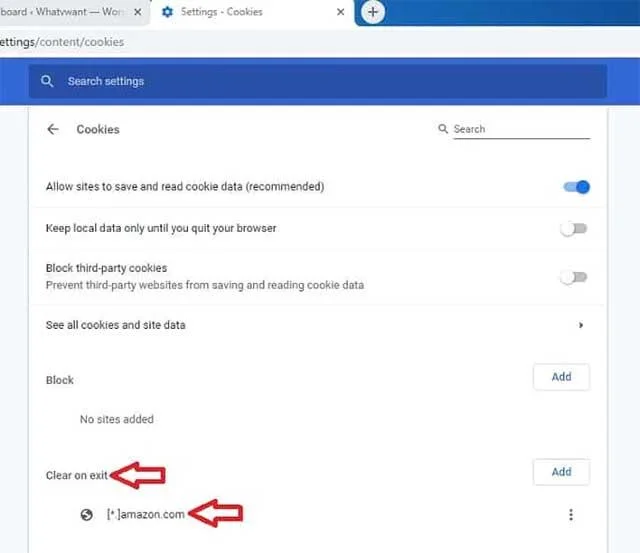
Step 3: You will see amazon.com [*.] Website has been added to Clear on exit.
Step 4: When you exit Google Chrome, this site's cookies are automatically deleted.
So, with these simple steps, you have successfully deleted the browsing history of a specific website, while reducing the annoyance and speeding up the browsing process. Also, if you want to speed up the system you can use additional CCleaner .
I wish you successful implementation!
Simplify Collabora CODE with Compact or Tabbed mode and WOPI PostMessage controls to hide selected buttons, commands, and tabs safely.
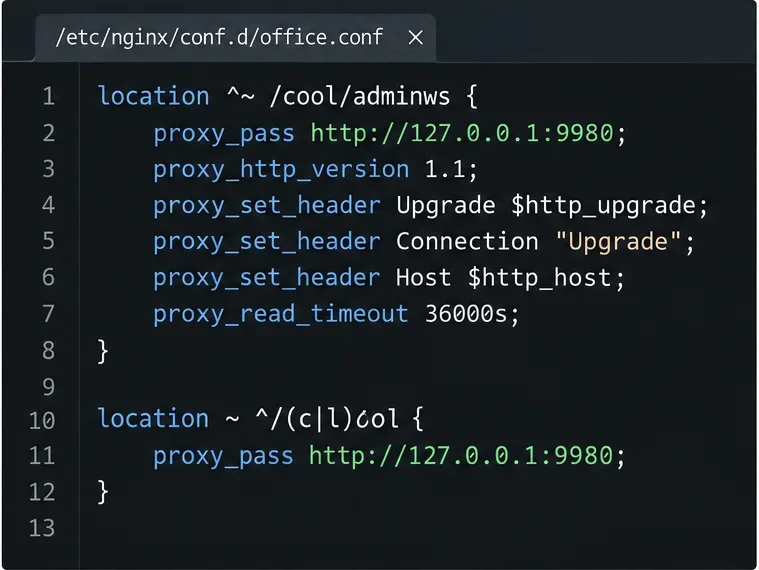
Put Nginx in charge of HTTPS for a Collabora CODE container, forward editing WebSockets correctly, and verify the public endpoint without exposing port 9980.
Troubleshoot a mobile browser keyboard covering text in Collabora Online, with quick workarounds and separate checks for browsers, embedded WebViews, and host pages.
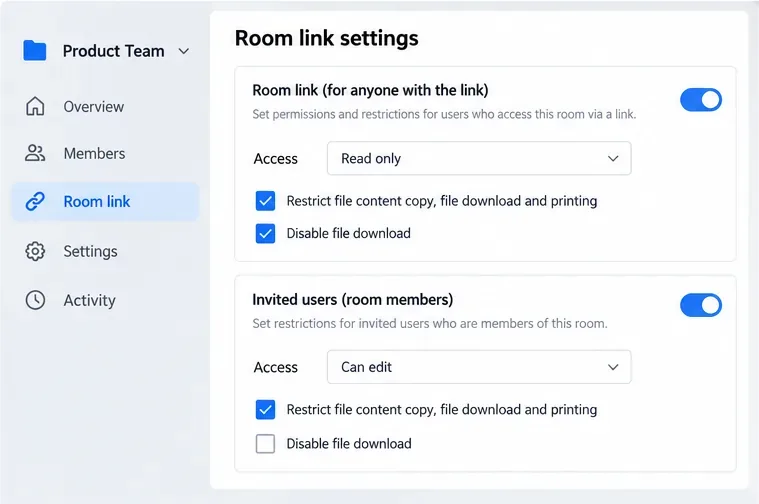
Set print and download limits for ONLYOFFICE links, room members, or Docs API sessions, then verify the restrictions from a recipient account.
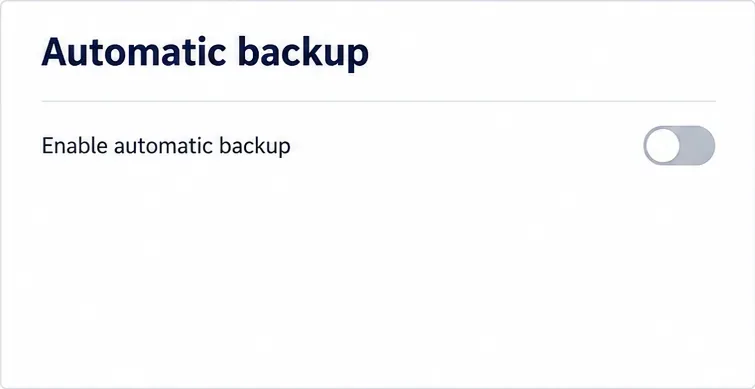
Set a backup destination, schedule, Mail coverage, and retention limit in ONLYOFFICE Workspace, then verify the archive is ready to restore.
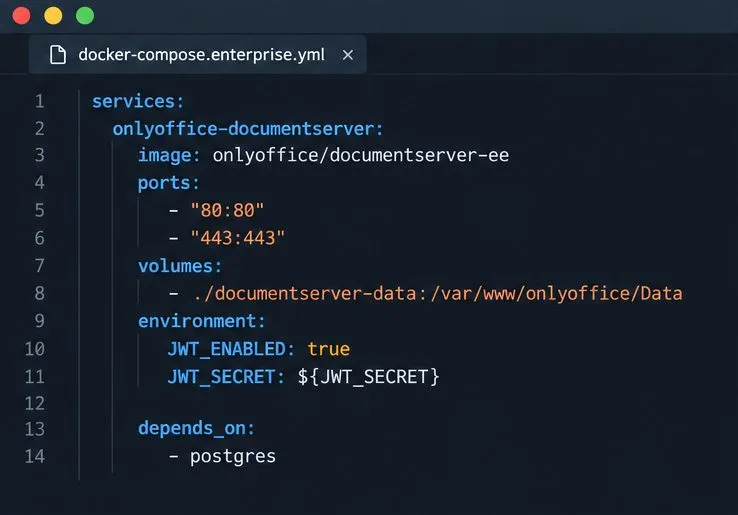
Start the Enterprise Docker Compose stack, persist its license and data, configure JWT safely, and confirm the editors are ready to integrate.
Use an ONLYOFFICE JavaScript macro to remove nonprinting characters and trim extra spaces from a defined spreadsheet range, with a safe review workflow.
Connect ONLYOFFICE DocSpace to Active Directory or OpenLDAP, import users and groups safely, map account fields, and schedule reliable synchronization.
Move portal data from Disk Default to a supported cloud storage provider, or relocate Docker data safely by changing its host volume mapping.
Identify whether Document Server uses a Linux package or Docker, remove only its components, and check remaining data without deleting shared services by mistake.