Home
» Wiki
»
6 signs its time to upgrade your Smart TV
6 signs its time to upgrade your Smart TV
Smart TVs are the centerpiece of most modern living rooms. But like all technology, they don’t last forever. Over time, you may find that your trusty TV is struggling to keep up with new content, apps, or features. If you’re wondering whether it’s time to upgrade to a newer model, here are some telltale signs that your trusty TV may be nearing retirement.
A slow Smart TV can turn a relaxing evening into a frustrating one. If it takes a long time to power on, switch inputs, or load apps, it’s a sign that your TV’s hardware is getting old. Modern apps and streaming services are designed to run smoothly on new technology, and older processors or limited memory can’t handle it.
Think about the last time you tried to open Netflix or YouTube on your TV. Did it lag, cache constantly, or crash completely? While a quick reboot or clearing cache might fix it temporarily, these problems will likely come back — and get worse over time.
Upgrading to a Smart TV has a faster processor and improved performance to ensure you can stream your favorite shows without any hassle. Plus, newer models are designed to handle multitasking better, so you can seamlessly switch between apps without interruption.
2. Apps are constantly being discontinued or are no longer supported
One of the biggest benefits of Smart TVs is access to apps, but what happens when they stop working altogether? Older Smart TVs often have compatibility issues as apps evolve to meet the needs of newer technology. You may notice apps crashing mid-use, running slowly, or disappearing from your app store altogether.
Streaming services like Netflix, Hulu, and Disney+ periodically update their software to improve features or security. Over time, these updates may no longer support outdated operating systems. For example, if your TV hasn’t received a firmware update in years, it’s likely missing important compatibility patches.
Upgrading ensures you have access to the full suite of apps and that they work as expected. A newer TV also opens the door to apps and services that older models might not support, such as gaming platforms or advanced streaming options in 4K and HDR.
3. Sound quality is no longer great
Have you ever felt like your TV’s audio just doesn’t match the excitement of the scene on screen? Many older Smart TVs have basic built-in speakers that may have been acceptable when you first bought them, but sound thin, distorted, or lacking in bass by modern standards.
As TV designs get thinner, the space for high-quality speakers is shrinking. While new TVs face the same challenge, many come with advanced audio technologies like Dolby Atmos, AI-powered audio enhancements, or compatibility with external audio systems. If you find yourself cranking up the volume or having trouble hearing dialogue, it might be time to upgrade.
4. TV becomes too small for the space
What was considered the perfect screen size a few years ago may now seem inadequate, especially if you’ve moved to a larger room or upgraded your viewing arrangement. TV sizes are measured diagonally, and while a 40-inch screen might be enough for a small apartment, it will look quite small in a spacious living room. Before you run out and buy another TV, though, it’s worth double-checking with any of the popular tools that help shoppers find the right TV size .
In addition to size, screen resolution matters. An older 1080p TV won’t deliver the same level of detail and clarity as a larger 4K or 8K TV, which can make better use of those extra inches. Pairing a larger screen with a higher resolution ensures you’re not only getting more size, but also improving picture quality.
If you find yourself squinting during movie nights or feeling less immersed in your favorite games, upgrading to a larger TV can dramatically change your viewing experience. And with newer models featuring ultra-thin bezels, you can squeeze in more screen real estate without making your setup look too bulky.
5. You're stuck with an old remote
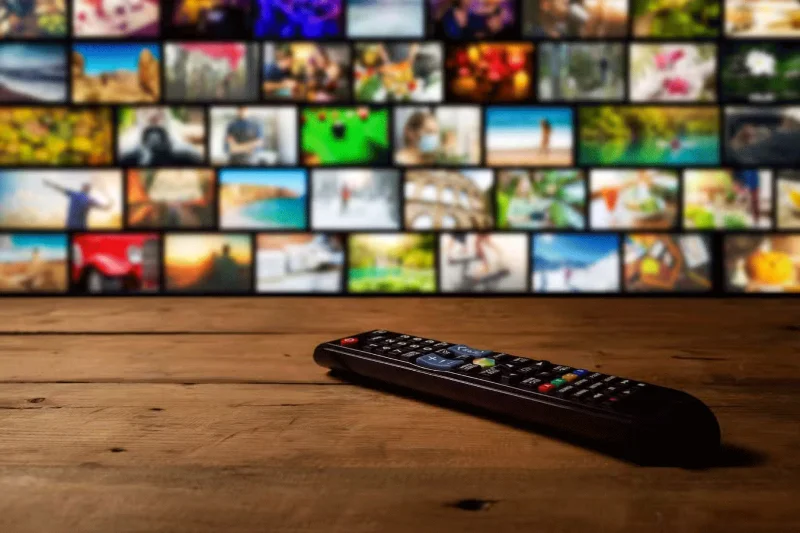
If your current remote control looks like an antique, it’s a sure sign that your TV may be overdue for an upgrade. Older remotes are often cluttered with too many buttons, lack intuitive features, and can be frustrating to use.
Newer Smart TVs typically come with remotes that are well-designed for ease of use and efficiency. Many newer remotes include voice control, allowing you to search for shows, adjust settings, or even control smart home devices with simple commands. Some remotes have dedicated buttons for popular streaming services, giving you one-click access to your favorite apps.
Some smart TVs can also be controlled via your smartphone, eliminating the need for a remote control altogether. If you're tired of rummaging through your couch cushions for your outdated remote, a new TV can simplify setup and enhance your experience.
6. Software has stopped updating
One of the most obvious signs that your Smart TV is outdated is when software updates stop rolling out. Manufacturers typically support their TVs with regular firmware updates for a few years, but eventually they shift their focus to newer models.
Without these updates, your TV will be vulnerable to security risks and lose access to new features or compatibility with updated apps. For example, you may find that your favorite streaming service suddenly stops working, or you can't access newer features like enhanced HDR formats or improved app interfaces.
Upgrading to a newer TV (and checking which specs to prioritize in a new Smart TV ) ensures you'll continue to receive updates for years to come. This keeps your TV secure, optimized, and able to handle the latest technological trends.
A smart TV should enhance your entertainment experience, not frustrate you. If your current TV is slow, outdated, or lacking features you now consider essential, that's a clear sign that an upgrade might be worth it.