Leftover Halloween Candy and Pumpkins: What to Do Next

Sort leftover Halloween candy safely, share or repurpose sealed treats, and choose food use or compost for pumpkins based on their condition.
Are you having trouble hearing dialogue on your Smart TV? Many users complain that dialogue in movies and TV shows is too quiet compared to other audio or not clear enough to hear on Smart TV.
Luckily, you can fix this by adjusting some of your Smart TV's settings.
Table of Contents
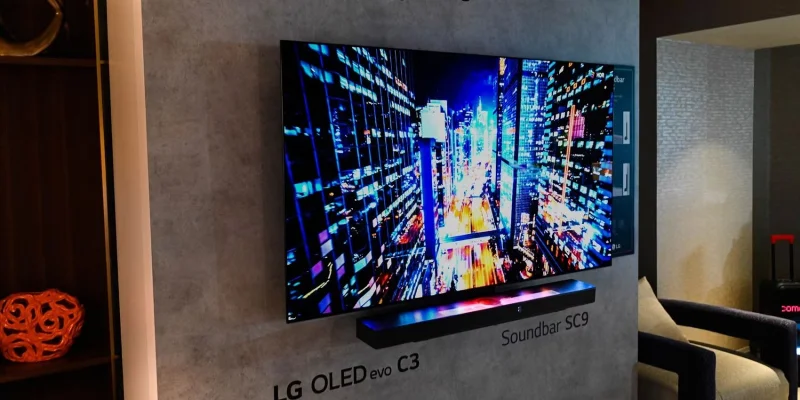
There are a number of reasons why dialogue on Smart TVs can be difficult to understand. Here are some of them.
Over the years, TVs have become thinner and more compact, leaving less room for big, quality speakers. This has affected TV sound: The low volume and resonance emitted by Smart TVs can distort dialogue.
Movies, and sometimes even TV shows, have scenes where the volume varies a lot, mostly to suit the theater environment. Additionally, we tend to set the TV volume so that the loud scenes are not too loud. This makes dialogue harder to hear!
Another reason why dialogue on TV is hard to hear is the increasing popularity of short-form content and longer commercial breaks on TV. This requires a lot of dialogue to be crammed into a short amount of time, creating a situation where people speak quickly and have a rush to their conversations. And when people speak quickly in movies and on TV shows, what they say isn't always clear.
Often, in TV shows, background music is played while people are speaking. This can contribute to your difficulty in clearly hearing what is being said.
Unclear dialogue can also be caused by the sound settings on your Smart TV. However, it can be easily fixed.
Other factors can make the sound difficult to hear, such as how you set up your seating area in relation to your Smart TV and the acoustics of the room, which can reduce some sound frequencies.
Try these fixes to improve dialogue on your Smart TV and help you better hear what people in movies and TV shows are saying.
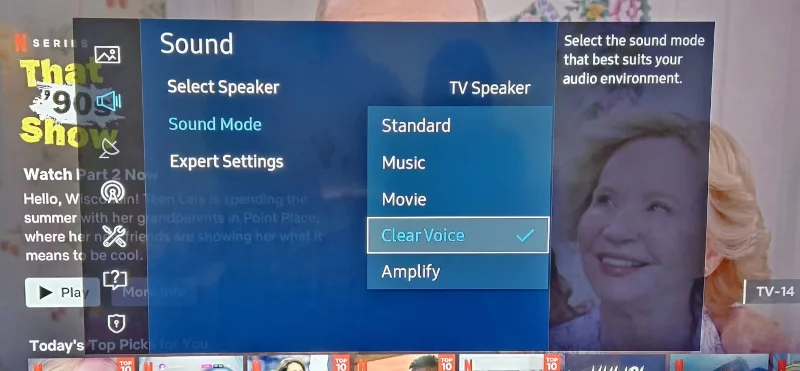
Smart TVs have different sound modes, each with its own sound settings. These vary by manufacturer, but are a good place to start when balancing the sound output from your Smart TV. For example, standard mode might provide a mix of treble and bass, while theater mode enhances certain frequencies and can make dialogue on your Smart TV less clear.
If your TV has a news mode, turn it on and see if it makes dialogue clearer. News mode is usually set to enhance voices. You may also find a Clear Voice setting, which is designed to enhance voices.
Not all Smart TVs have equalizers, but if yours does, you can try changing the default settings or switching to a preset that works better for you. If you can manually change your Smart TV's equalizer, try making the mid-high frequencies a little louder than the rest.
A 3 to 5dB boost between 2kHz and 8kHz is a good place to start. Experiment with different settings to find what gives you clear sound on your Smart TV.
If the problem is caused by one sound being too soft to hear while another sound is too loud, try turning on your TV's dynamic range option. Most Smart TVs have a setting you can change to reduce the difference between the loudest and softest sounds they play.
Go to your Smart TV's sound settings and look for the automatic volume control option. This will enable dynamic range, reducing the difference between loud and soft sounds coming from your TV.
If you've made every possible setup adjustment and changed the TV audio to make dialogue clearer but the sound is still distorted or low, the only option left is to connect an external audio device to your Smart TV.
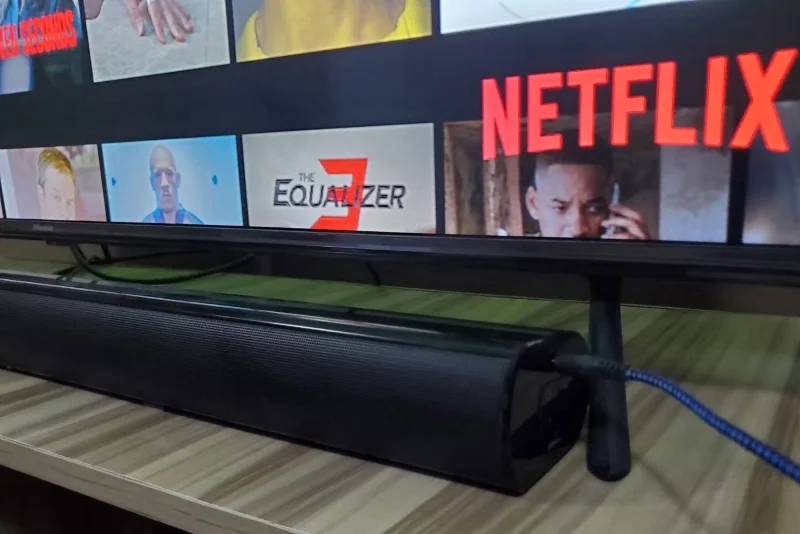
Soundbars provide clearer sound than your TV's built-in speakers, while a pair of headphones will compensate for ambient sound loss, making it easier to follow the dialogue on your TV. If you don't believe me, here's what you should know about why you should buy a soundbar for your TV .
Sort leftover Halloween candy safely, share or repurpose sealed treats, and choose food use or compost for pumpkins based on their condition.
Compare workplace Halloween costume choices by respect, dress code, mobility, and safety—and learn when a subtle accessory or a policy check is the better option.
Find a couples costume that fits your style, budget, and comfort level, from Addams Family classics to original inside-joke duos.
Need a last-minute high school Halloween costume? Compare 10 easy closet-based ideas by prep time, comfort, school-day practicality, and simple safety checks.
Use a simple 2026 Halloween decorating timeline for indoor décor, outdoor displays, and fresh pumpkins, with practical adjustments for weather and events.
Mix five vivid, approachable Halloween cocktails with measured recipes, simple prep tips, and an alcohol-free option for your party guests.
Find 15 office-friendly Halloween costume ideas for 2026, with practical checks for dress codes, respectful themes, comfort, and workplace safety.
Plan a fun elementary school Halloween party with easy crafts, games, inclusive treats, costume tips, and a sample 75-minute classroom schedule.
Compare realistic side hustles for 2026 by startup cost, fees, flexibility, and income control, with current tax and scam guidance from official sources.
Upgrade your home office ergonomics with current OSHA and NIOSH guidance on chair fit, monitor height, laptop setup, lighting, and movement.








