Get LibreOffice to Recognize Your Java Runtime
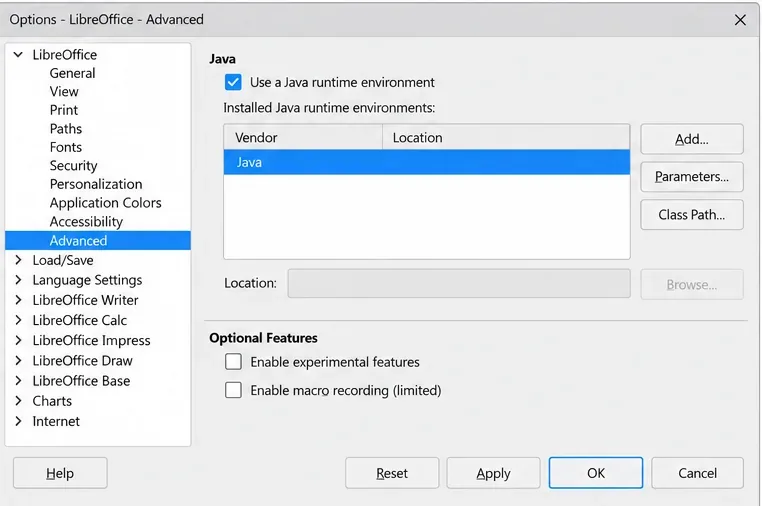
Install a compatible Java runtime, enable it in LibreOffice, and troubleshoot an empty JRE list without changing unrelated settings.
Adobe Reader for Windows remains the most reliable way to open and work with PDF documents on a PC. Whether you need to view contracts, fill forms, or sign documents, the official Adobe application provides the necessary tools without extra cost. This guide walks through obtaining the current version and setting it up properly.
Adobe Reader for Windows is the free desktop application developed by Adobe for viewing PDF files. It supports annotations, form filling, and basic signing features. The program integrates directly with Windows file associations, allowing you to double-click any PDF and open it immediately. Before starting the download, ensure your system meets the minimum requirements: Windows 10 or 11, 2 GB of RAM, and at least 1 GB of free disk space.
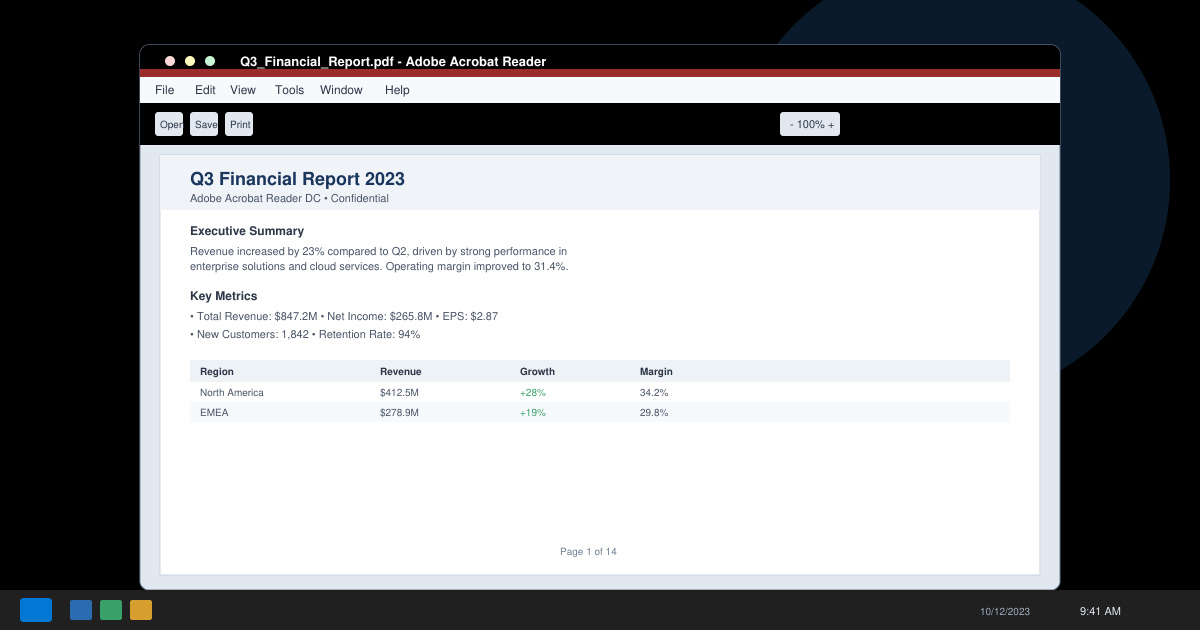
Open your browser and go directly to get.adobe.com/reader. Avoid third-party download sites to prevent bundled software or outdated installers. On the page, the correct Windows version is selected automatically based on your browser detection.
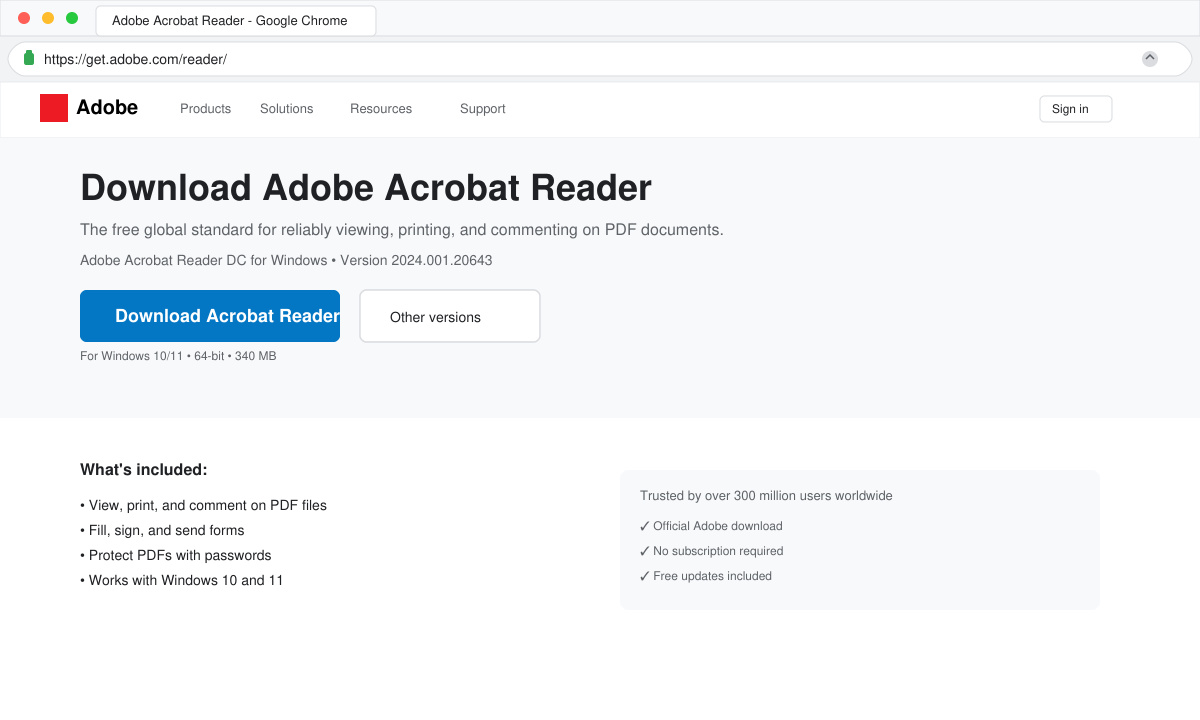
Scroll past the pre-checked offers for additional software and uncheck them if you only want Adobe Reader for Windows. Click the Download button to save the installer file, typically named something like "readerdc_en_x64.exe", to your Downloads folder.
Locate the downloaded file in File Explorer and double-click it. Windows may show a User Account Control prompt; click Yes to allow the installation. The installer will extract files and display a progress bar.
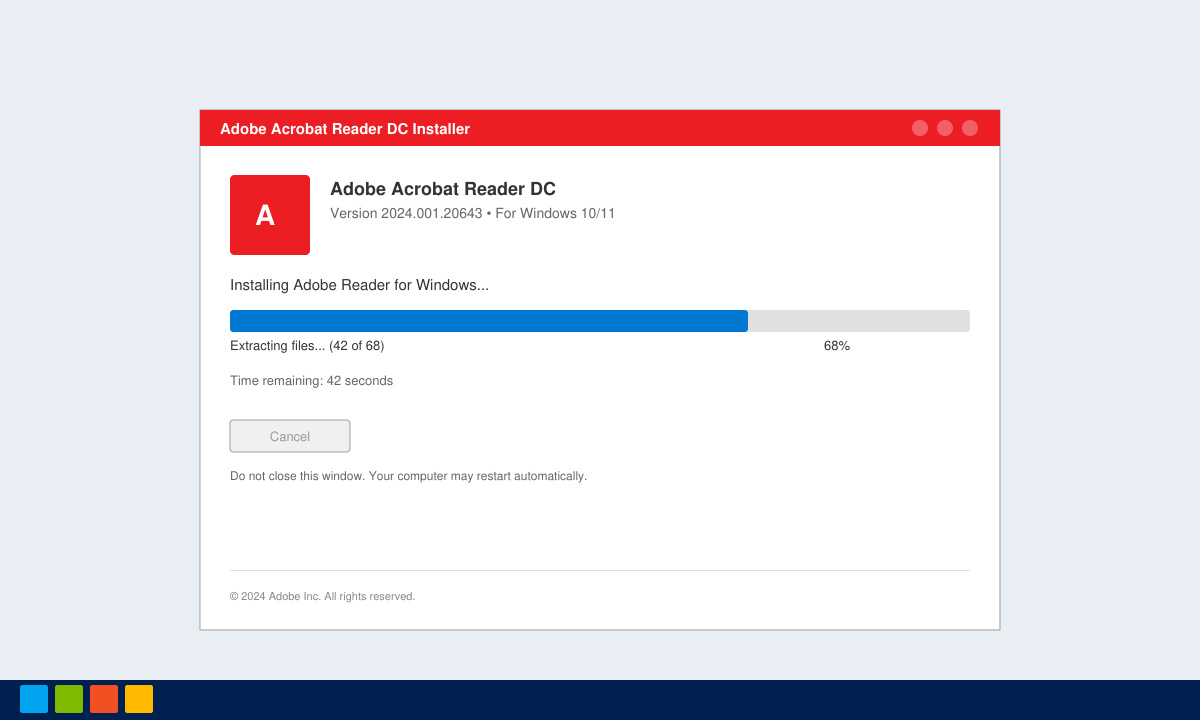
When the process finishes, leave the "Launch Adobe Acrobat Reader" checkbox selected and click Finish. The program opens automatically and prompts you to accept the license agreement. After accepting, Adobe Reader for Windows is ready for use.
After installation, right-click any PDF file in File Explorer and select Open with > Choose another app. Pick Adobe Acrobat Reader from the list and check the box labeled "Always use this app to open .pdf files". This ensures every PDF opens in Adobe Reader for Windows without extra steps.
Yes, the core PDF viewing, printing, and basic form features are free. Paid upgrades exist only for advanced editing tools found in Adobe Acrobat Pro.
The free version allows installation on as many personal devices as you own. Each installation requires an internet connection only during the initial setup.
Yes. Go to Edit > Preferences > General and enable "Use dark theme" to match Windows dark mode settings.
Following these steps gives you a clean, up-to-date installation of Adobe Reader for Windows that handles PDFs reliably on any modern Windows PC.
Install a compatible Java runtime, enable it in LibreOffice, and troubleshoot an empty JRE list without changing unrelated settings.
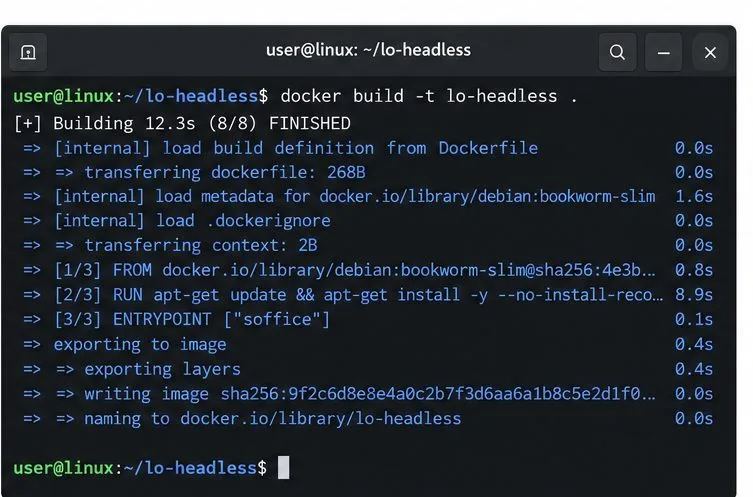
Build a small LibreOffice container, convert office documents without a GUI, and verify PDF output while limiting host-file access.
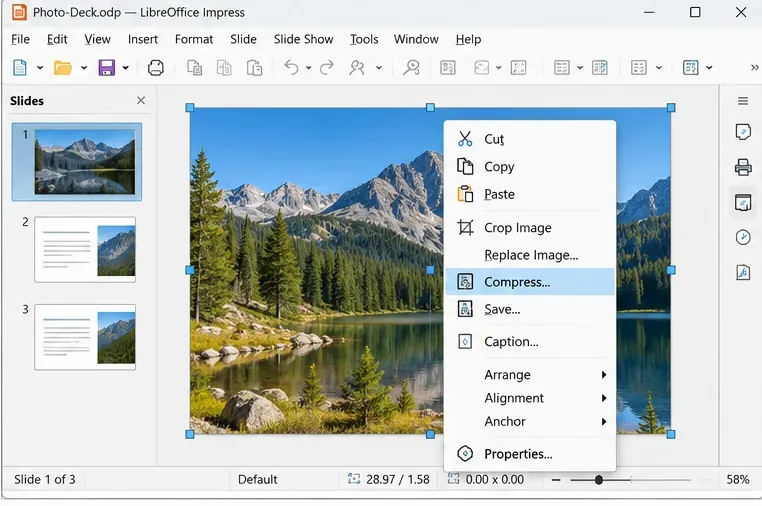
Reduce oversized LibreOffice presentation files by compressing embedded photos, choosing sensible image settings, and checking slide quality before sharing.
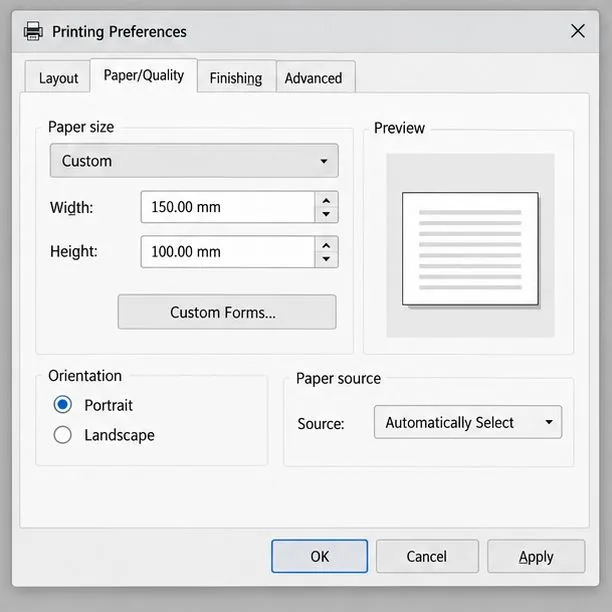
Match LibreOffice’s page dimensions to your printer, check printable margins, and correct scaling before printing a custom-size document.
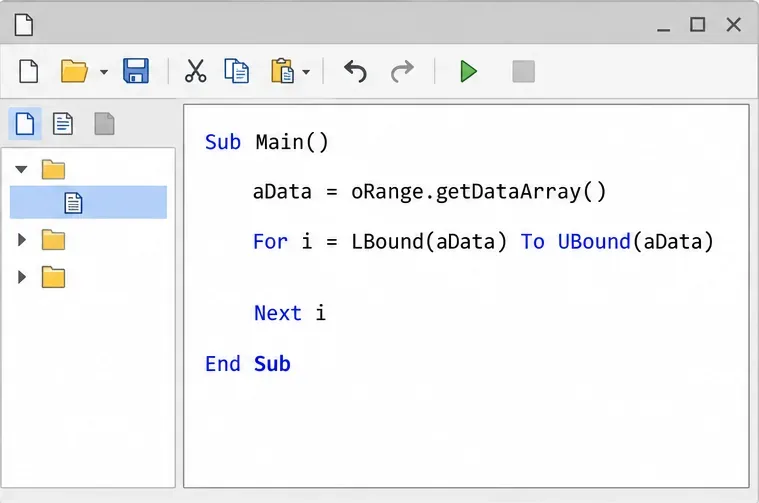
Replace repeated cell access with bulk range reads and writes, then benchmark the result and protect formulas in large Calc workbooks.
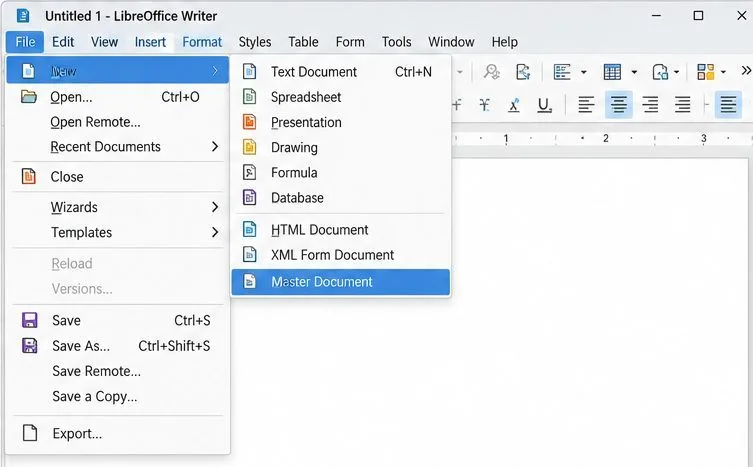
Split a long manuscript into chapters, assemble them in Writer, and keep styles, contents, and export checks consistent.
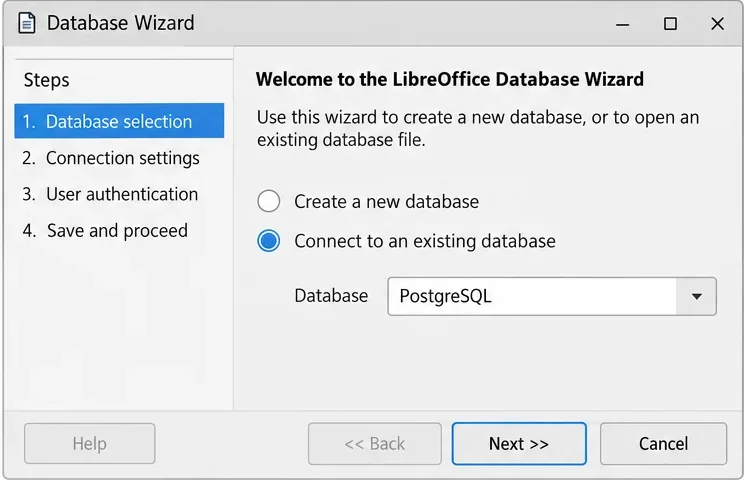
Use Base’s direct PostgreSQL option to enter your server details, sign in, save an ODB connection file, and troubleshoot common access errors.
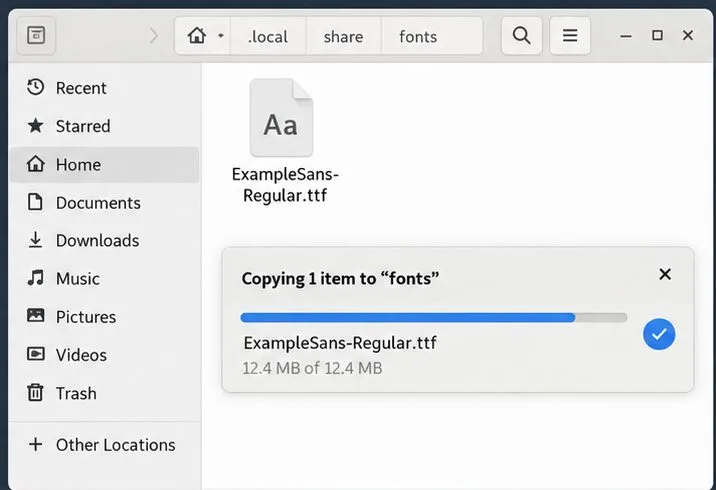
Install a font in your Linux user font folder, restart LibreOffice Flatpak, and confirm it appears in Writer without weakening the app sandbox.
Protect your work and isolate network-drive save crashes in LibreOffice on macOS Sonoma with a local-first workflow, permission checks, and targeted tests.
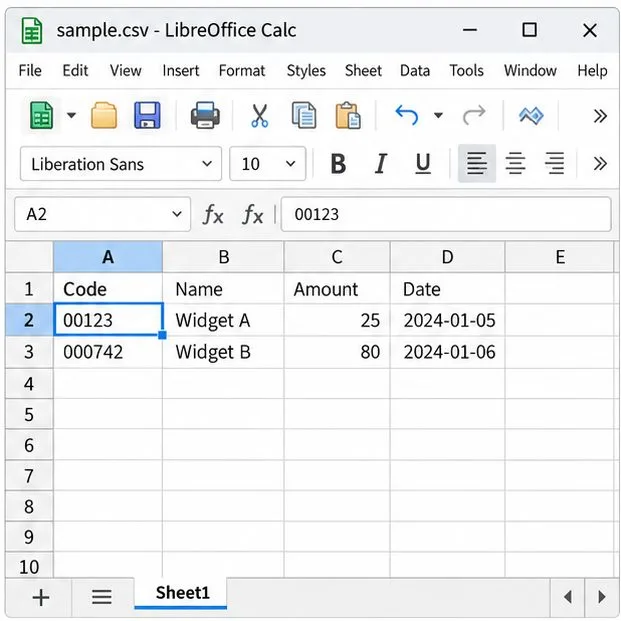
Preserve leading zeros in Calc by setting ID columns to Text during CSV import, checking the preview, and verifying the saved data.