Diagnose a SUSE Server That Hangs at the systemd Shutdown Screen

Use systemd jobs and the previous boot journal to locate a slow service, mount, or storage dependency, then correct it without masking the cause.
Currently, the new generation of Smart TVs have integrated the function of using a mouse and keyboard to assist users in operating the TV more easily. However, during use sometimes Smart TV does not receive keyboard and mouse signal. So how to fix this situation, let's learn through this article with WebTech360 .
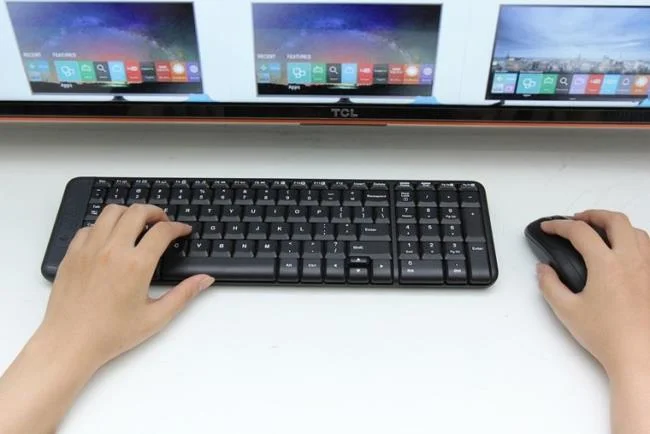
Use the mouse and keyboard to control the Smart TV
The use of the mouse and keyboard to control the TV is a brand new feature, not yet commonly used, so connecting to the devices can sometimes be difficult, so when you buy a mouse and keyboard is poor. quality, it is very normal for devices to connect or not connect to each other. So the first thing you need to do is to change the mouse and keyboard to another quality, made from reputable companies such as Logitech, Genius, ... to get a better connection with the Smart TV.
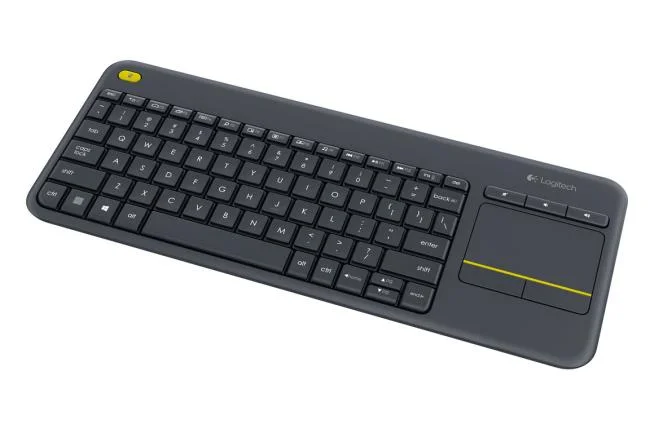
Should buy peripherals from reputable and well-known brands for easier connection
Because this is just an integrated support feature, not specialized as on laptop devices, desktops, using all functions on the keyboard is impossible. You can only drag, click to select, enter numbers and letters, and for other features, if your device does not work, it's not an error, it's just the software is not. support only.
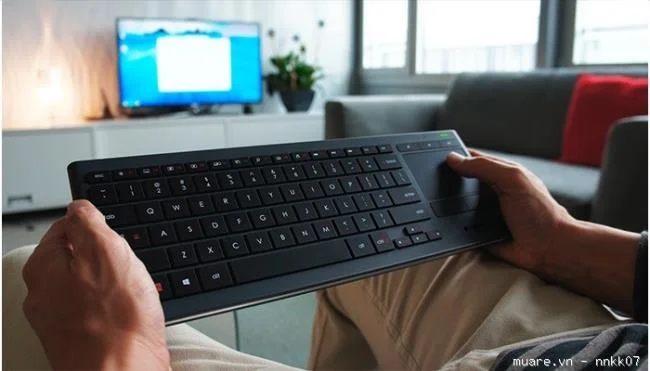
Because it is just one support feature attached, so during using it will generate some errors
Device not compatible with USB is also one of the reasons that the mouse and keyboard can not work on Smart TV. On the TV we usually will have 2 USB ports, so if this port does not work, you should try to plug in the other USB port, maybe that will fix the situation, or you can clean the USB port for clean the dirt before plugging it in again.
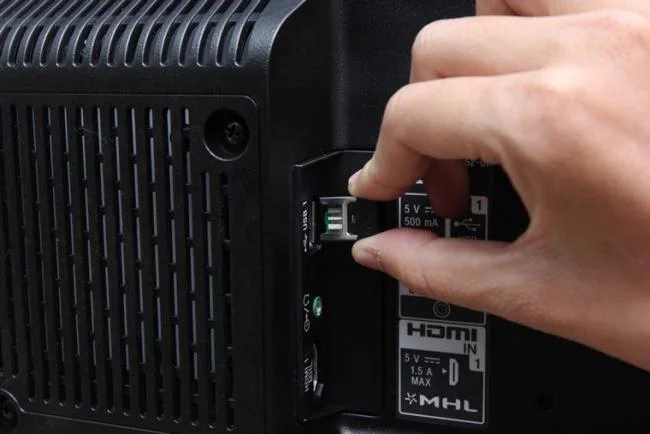
The USB port can be changed to overcome the problem
During the process of using the mouse or keyboard to control, if there is a feature that works on one TV but it does not work on another, it is completely not an error, but a possibility. device compatibility with the operating system. Each TV's operating system will have different compatibility.
Currently, the operating system of LG Smart TVs or Smart TVs TCL is doing quite well this job. Meanwhile, Samsung TVs or Sony TVs still do not support very well when they are only used for surfing the web.
After all the above methods but the mouse and keyboard still do not work, we should turn off the whole TV, unplug it or restore to factory settings of the TV to fix the error. If the situation still cannot be overcome, we should bring our TV to the genuine warranty center to be checked and advised by the technical staff. Hope that WebTech360 has brought you a useful article.
Refer to the selling price of some new generation TV models ( here ) .
Use systemd jobs and the previous boot journal to locate a slow service, mount, or storage dependency, then correct it without masking the cause.
Use firewall-cmd to inspect the active zone, allow HTTP safely, preserve SSH access, and verify that the rule survives a reload on SLES 15.
Trace a PAM failure to its service, account policy, or identity provider, then repair the right SLES configuration while preserving a working admin session.
Trace a failed kernel module at SLES startup, correct an obsolete boot entry or repair the required driver, and verify the next boot.
Prepare SCSI SAN paths, enable multipathd, inspect SUSE’s hardware defaults, and verify stable device maps without guessing array settings.
Find the process holding Zypper’s package lock, distinguish process conflicts from package locks, and retry updates without deleting lock files blindly.
Register SLE HA, bootstrap SLES 15 nodes, then add fencing, quorum, and tested service resources before relying on failover.
Trace a Zypper refresh error to SUSE, RMT, or a third-party endpoint, then apply the right server-side or cache fix without disabling essential updates.
Resolve SUSE LVM thin-pool space errors by checking data and metadata usage, expanding the pool safely, and preventing repeat outages.
Identify whether Btrfs is intentionally read-only, short on space, or protecting data after errors, then choose a recovery path that fits the cause.








