When to Start Decorating for Halloween in 2026

Use a simple 2026 Halloween decorating timeline for indoor décor, outdoor displays, and fresh pumpkins, with practical adjustments for weather and events.
When the Play Store doesn't update apps automatically, users risk missing out on new features, security patches, and bug fixes. Luckily, you can configure the Google Play Store to update your apps automatically using these steps.
1. Check the auto-update option in Play Store
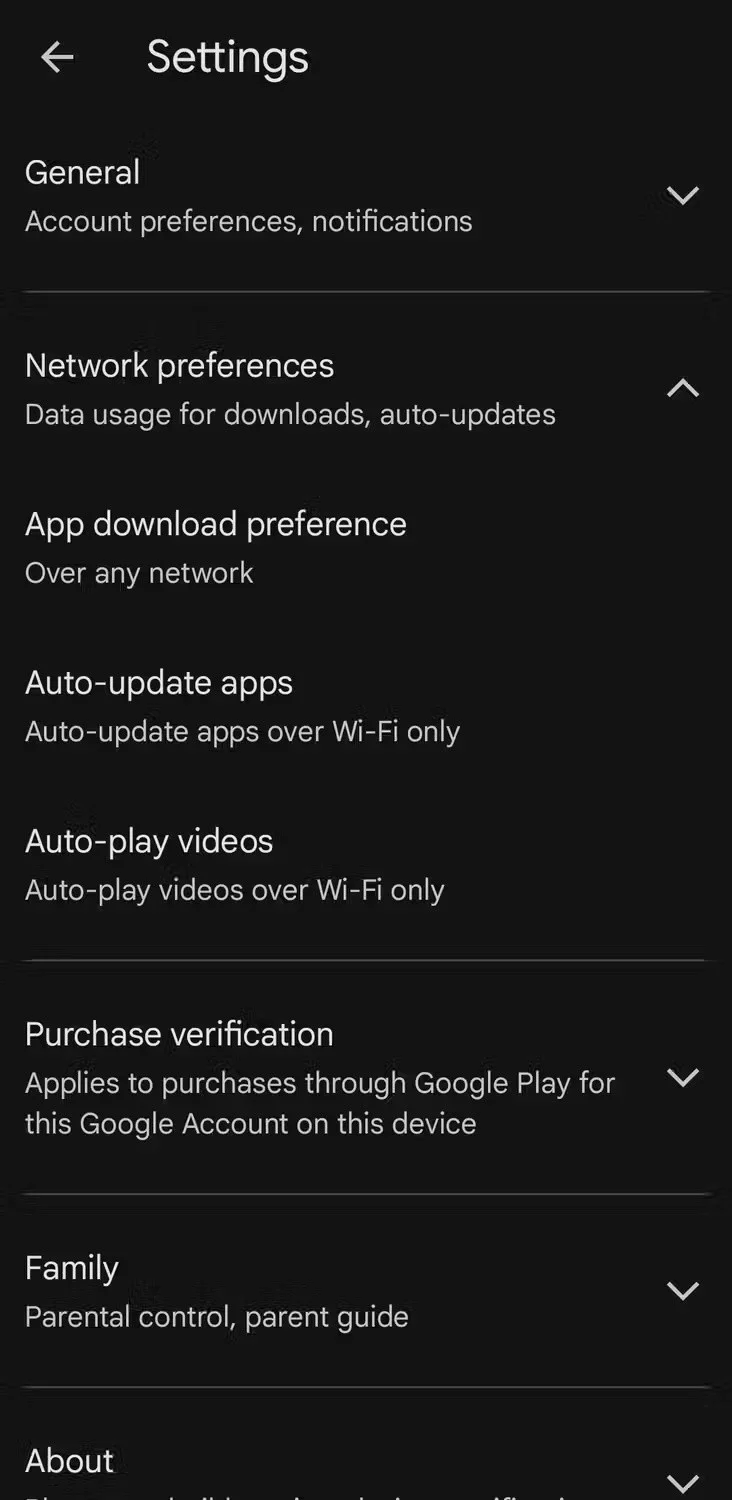
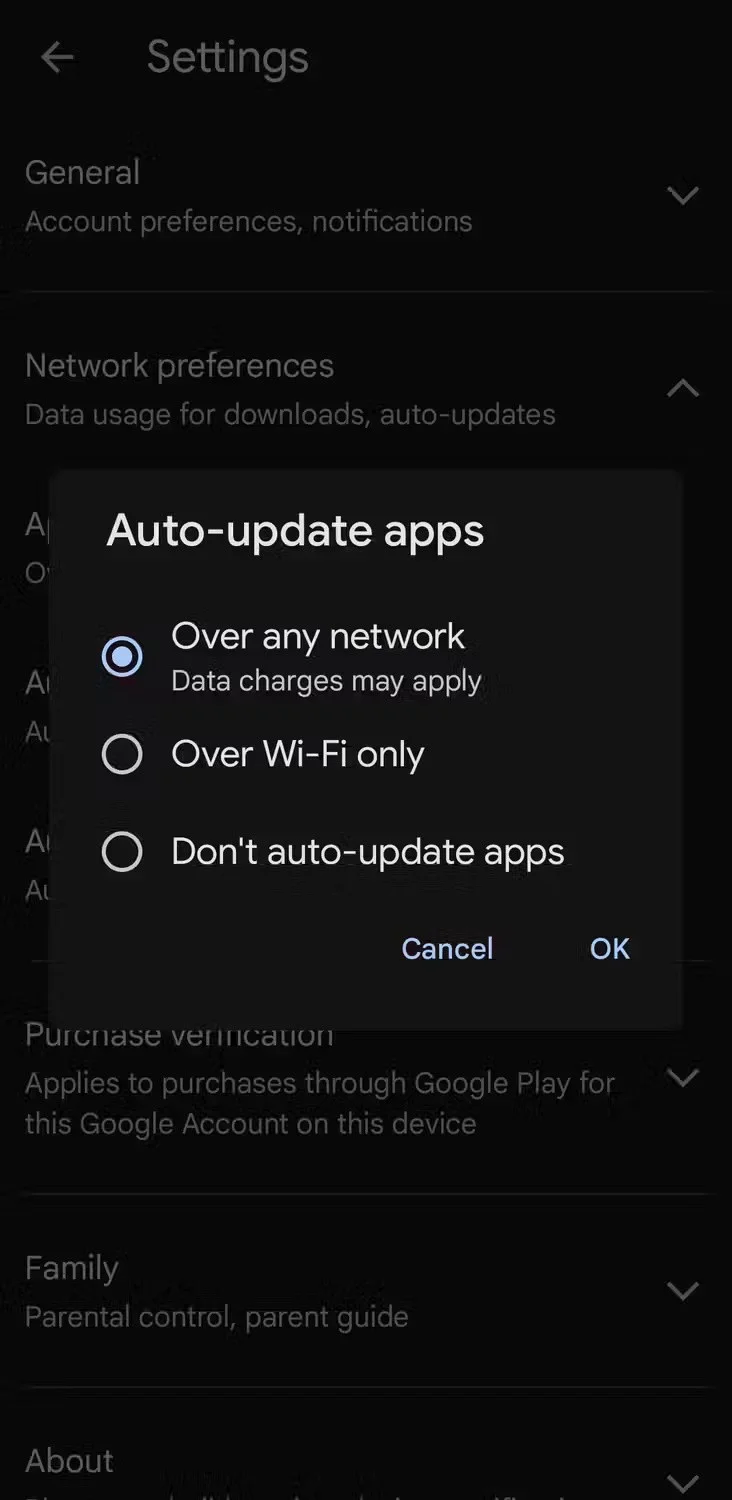
If the Play Store isn't updating apps even though your internet connection is active, the first thing you should do is check your network settings for automatic updates. You can configure the Play Store to update apps automatically over Wi-Fi only or over both Wi-Fi and mobile data. Here's how:
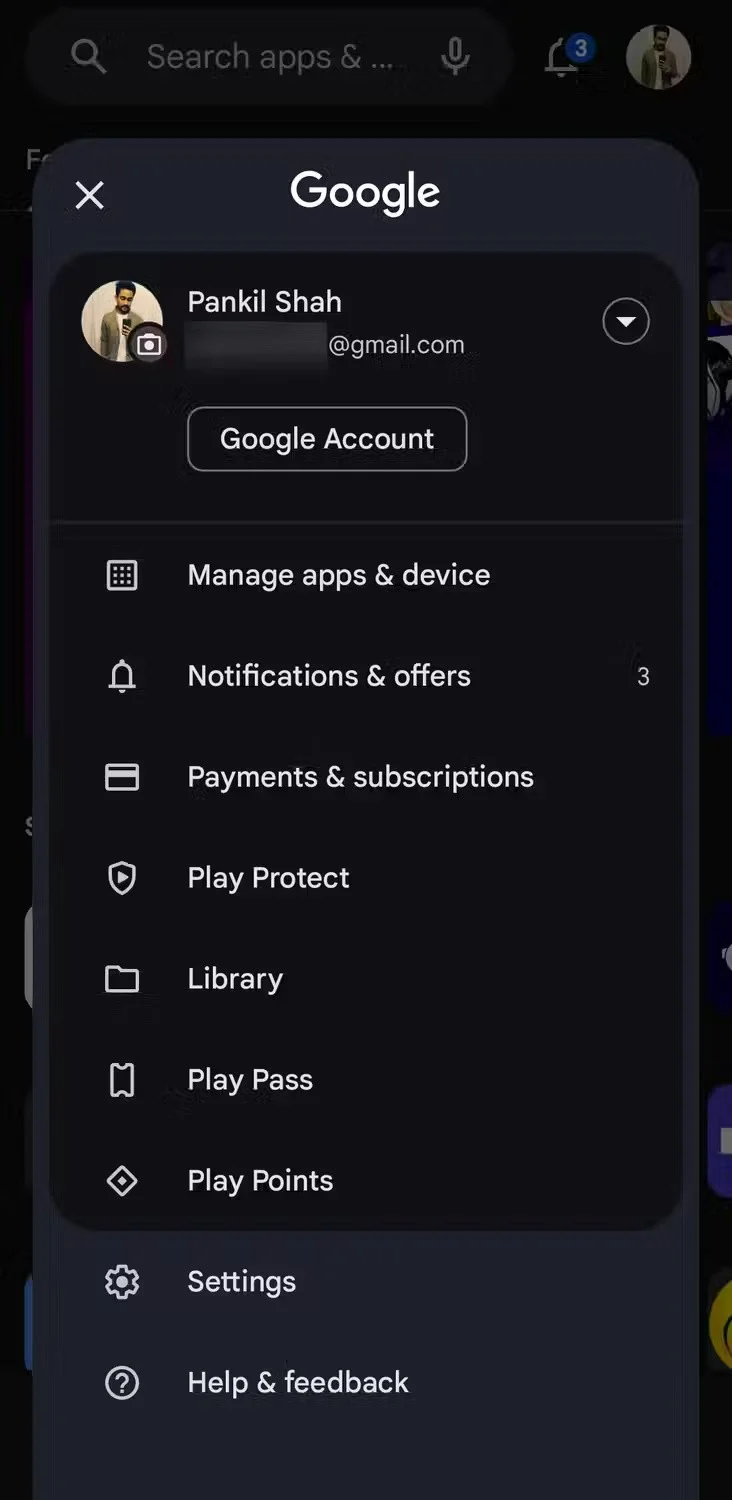
If this option is already enabled, turn it off, wait a moment, and then turn it back on.
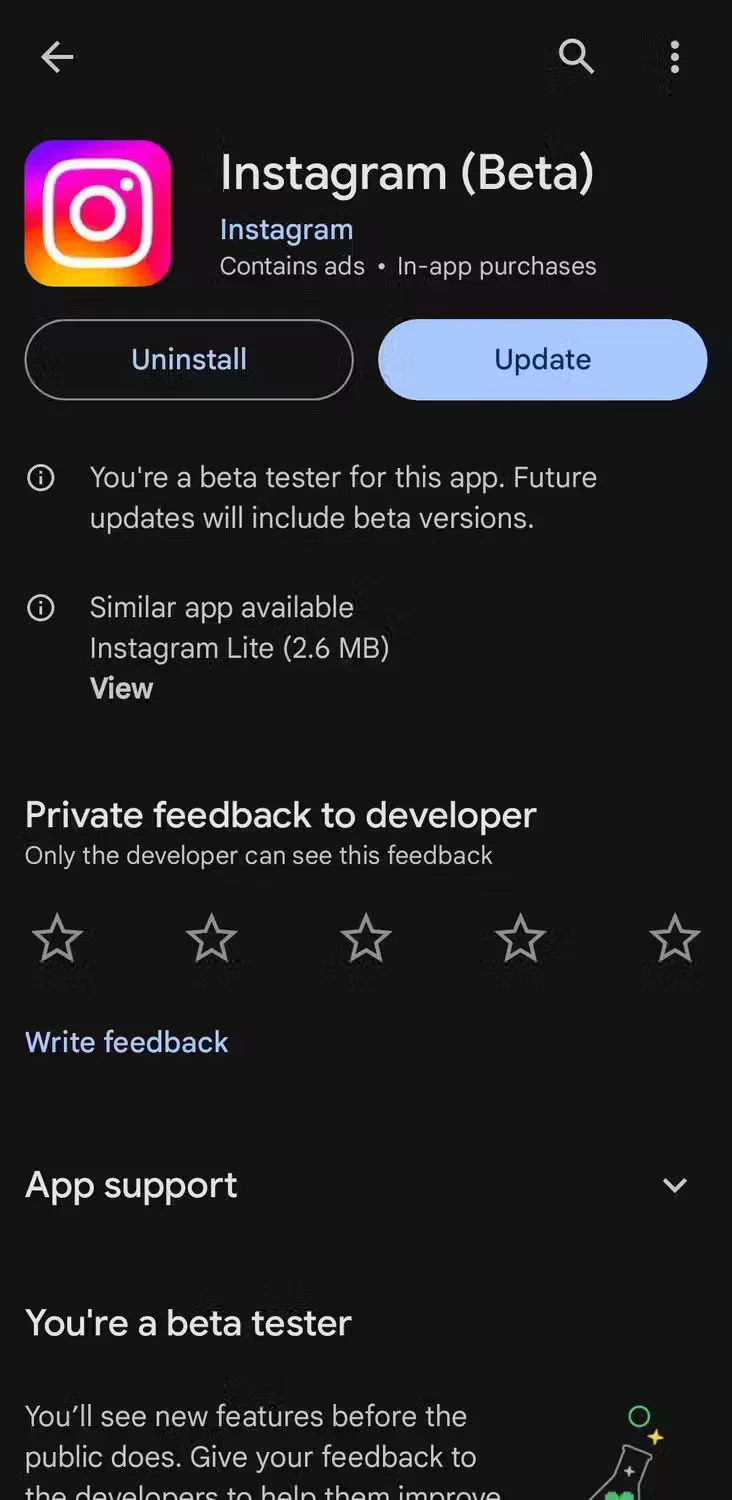
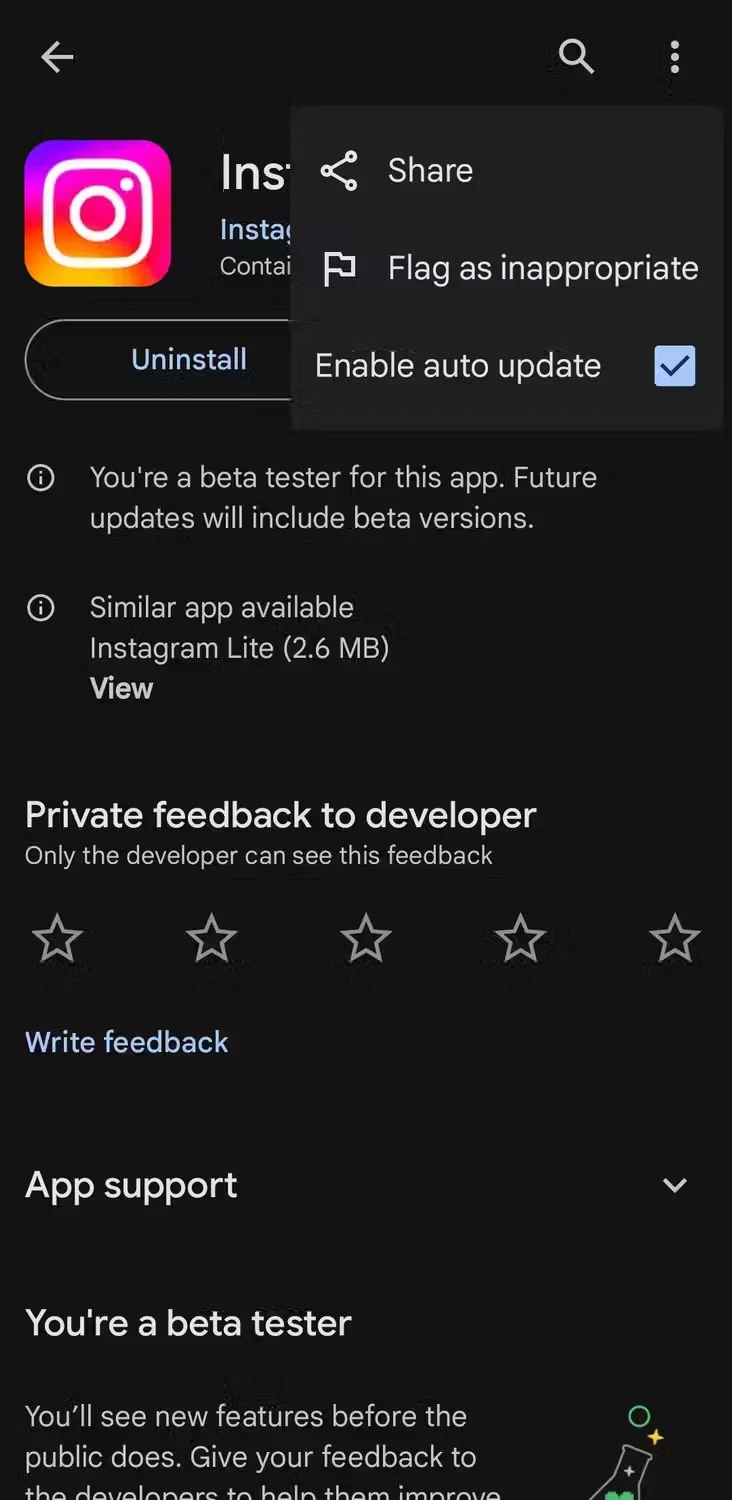
The Google Play Store also allows you to set auto-update options for individual apps. So if a particular app isn't updating automatically, navigate to that app's page on the Play Store, tap the three-dot icon in the top-right corner, and check the box next to Enable auto update .
2. Enable Automatic Date and Time
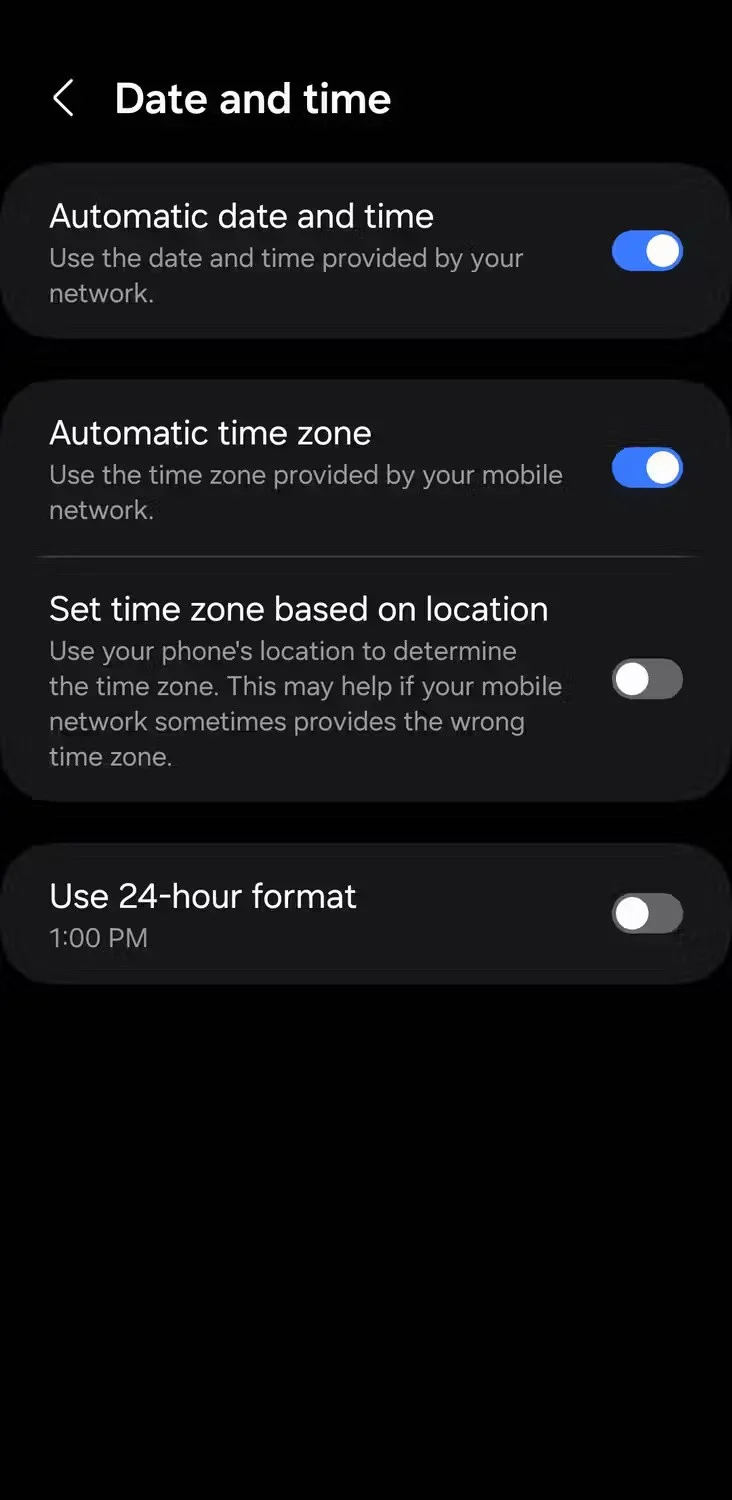
Incorrect date and time settings can make it difficult for Google 's servers to sync with your device. To avoid this problem, it's best to let your Android phone set its date and time automatically. Here's how to do it:
Note that the steps may vary slightly depending on your device and the version of Android it is running.
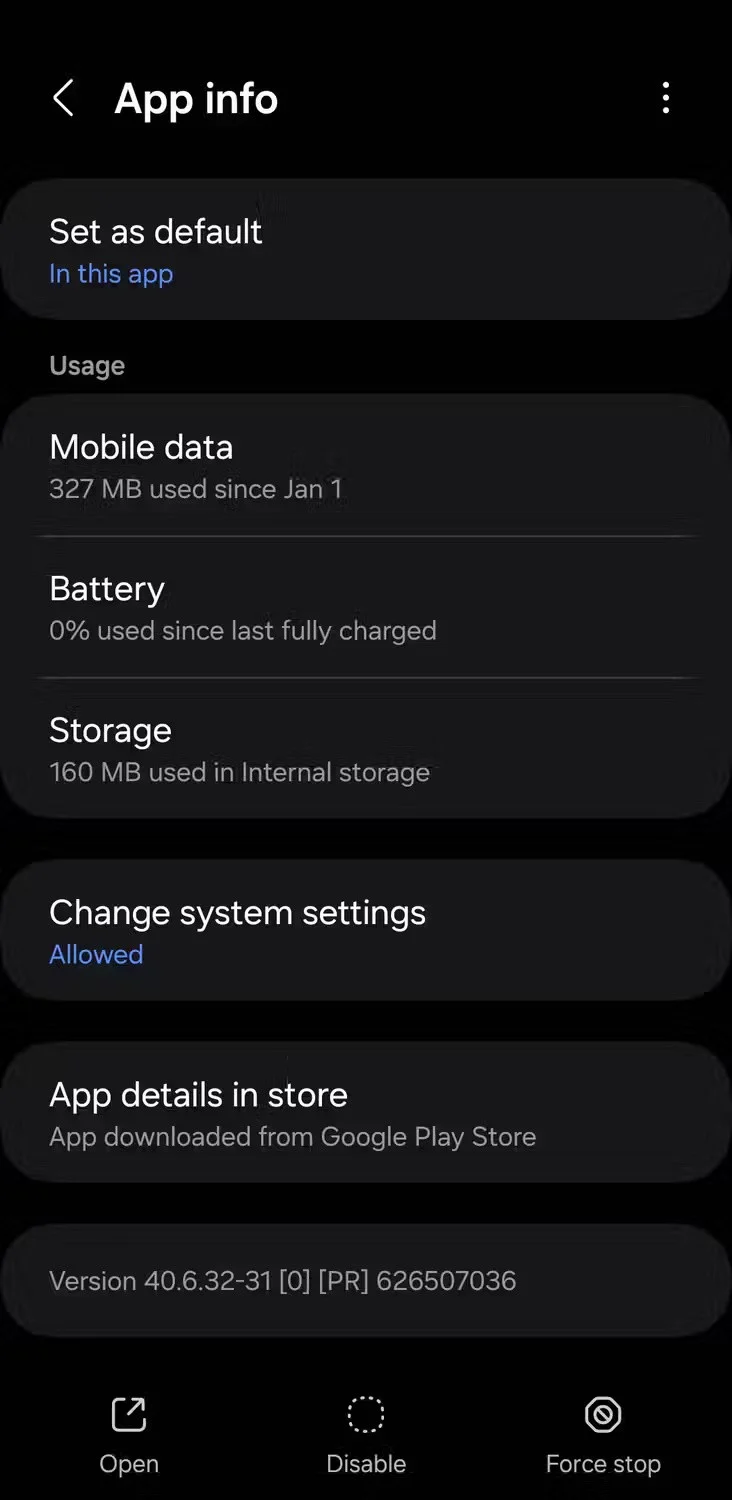
3. Turn off battery optimization for Play Store
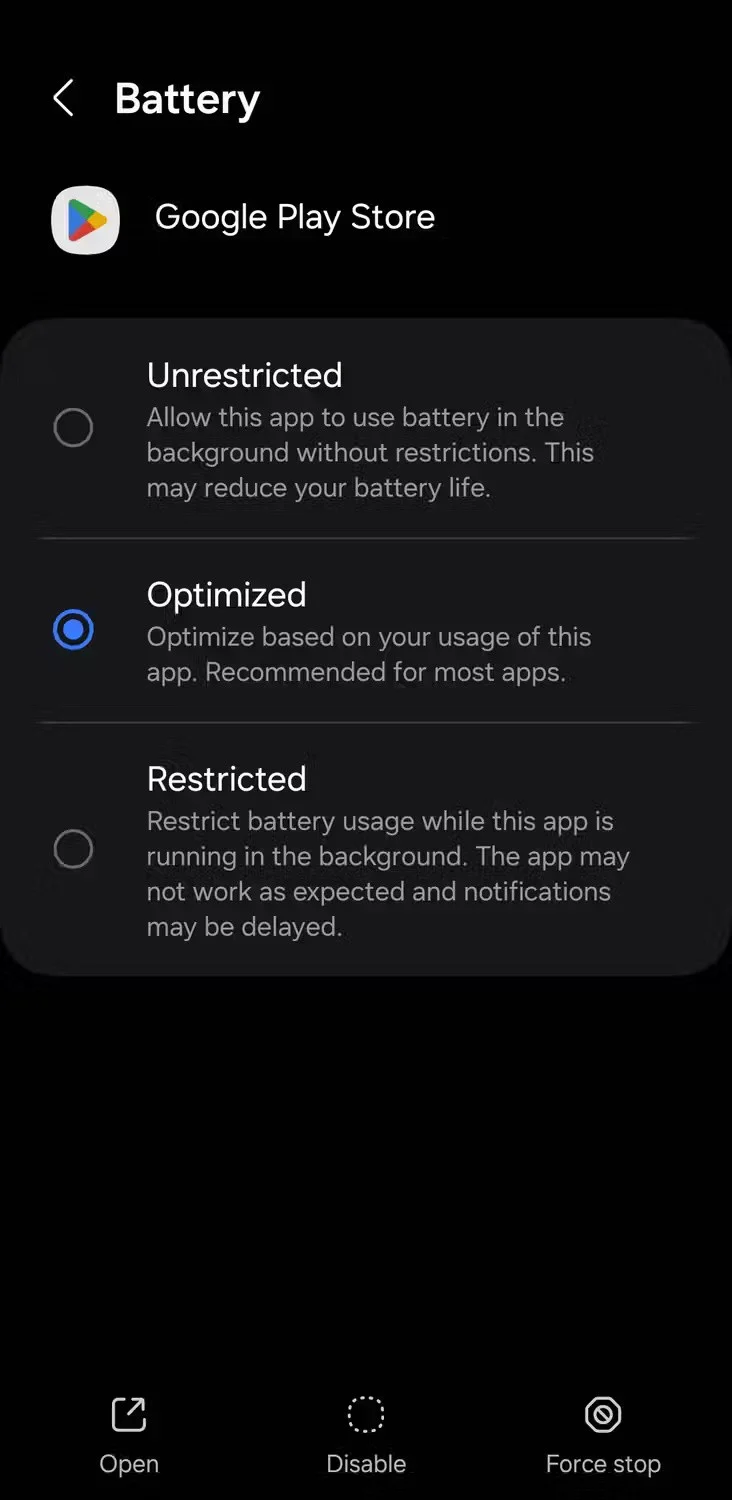
On Android, you can limit an app's ability to run in the background by imposing battery restrictions. If you've stopped the Play Store from running in the background to extend your phone's battery life, it may not automatically update apps.
To allow Play Store to run in the background on your Android device, follow these steps:
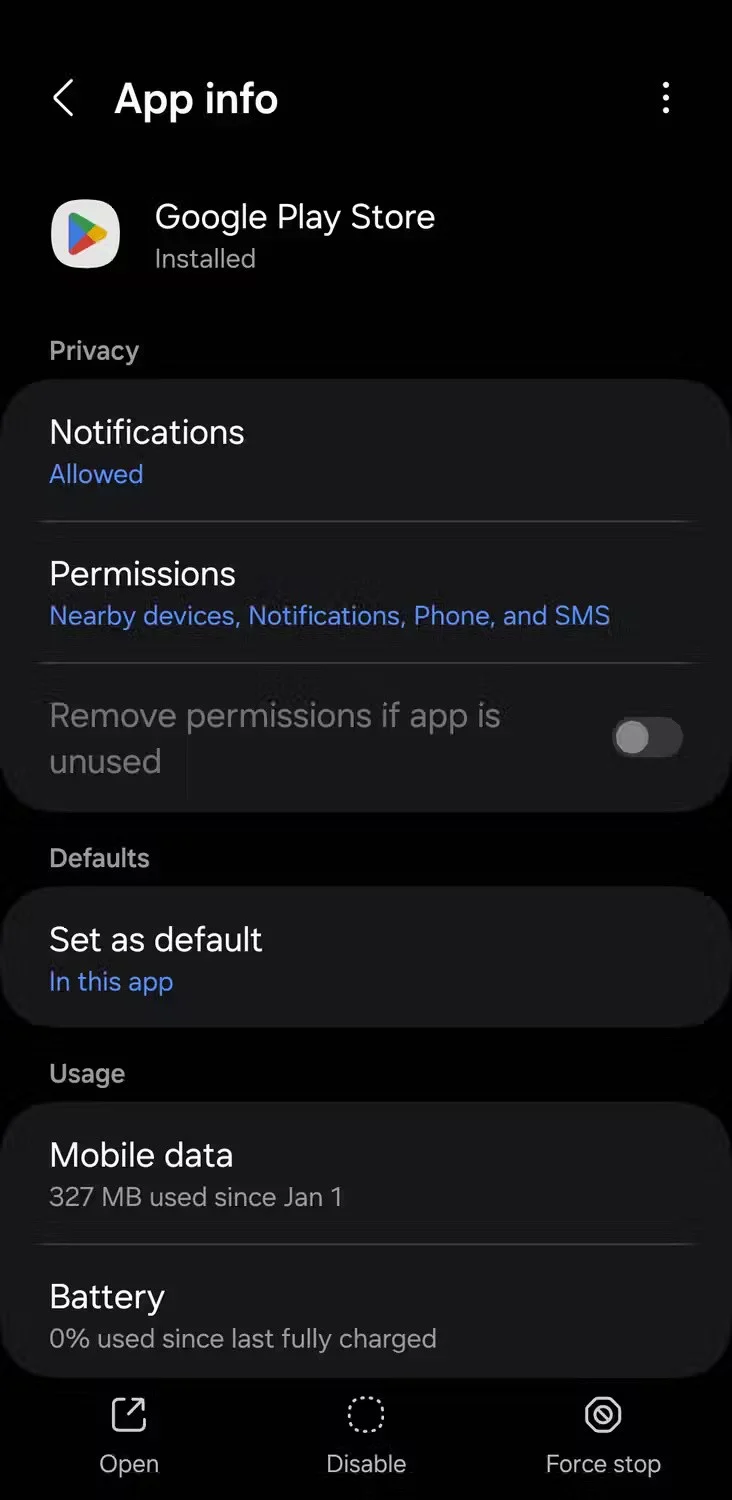
Alternatively, you can go to Settings > Apps > Google Play Store to find these options.
If you have power saving mode enabled on your Android phone, consider turning it off.
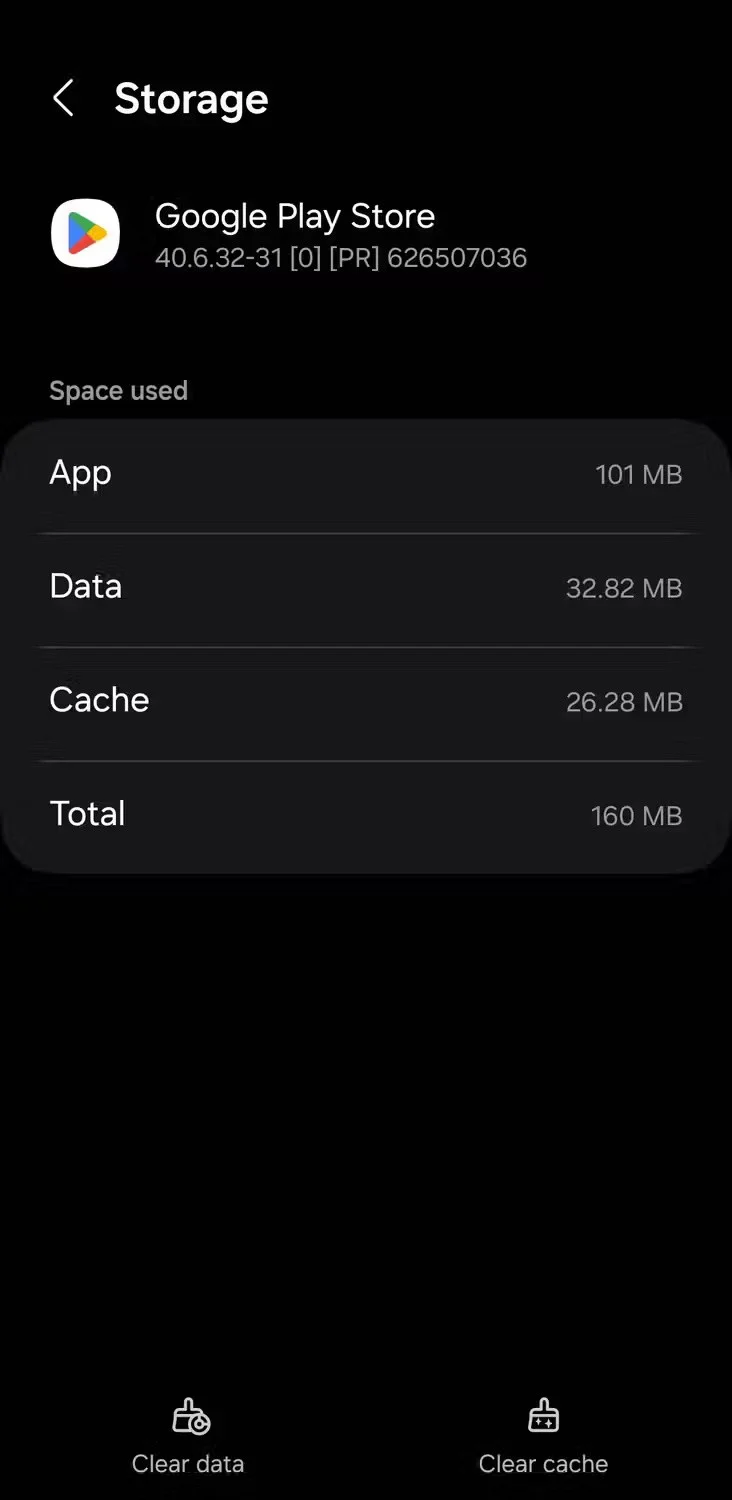
4. Clear Play Store cache
Play Store, like any other app, stores cache data to load pages faster and improve the overall user experience. However, accumulating too much cache data can negatively impact its performance.
So, if you are not getting notifications about updates or Play Store is not updating apps even though auto-update settings are turned on, try clearing cache using the following steps:
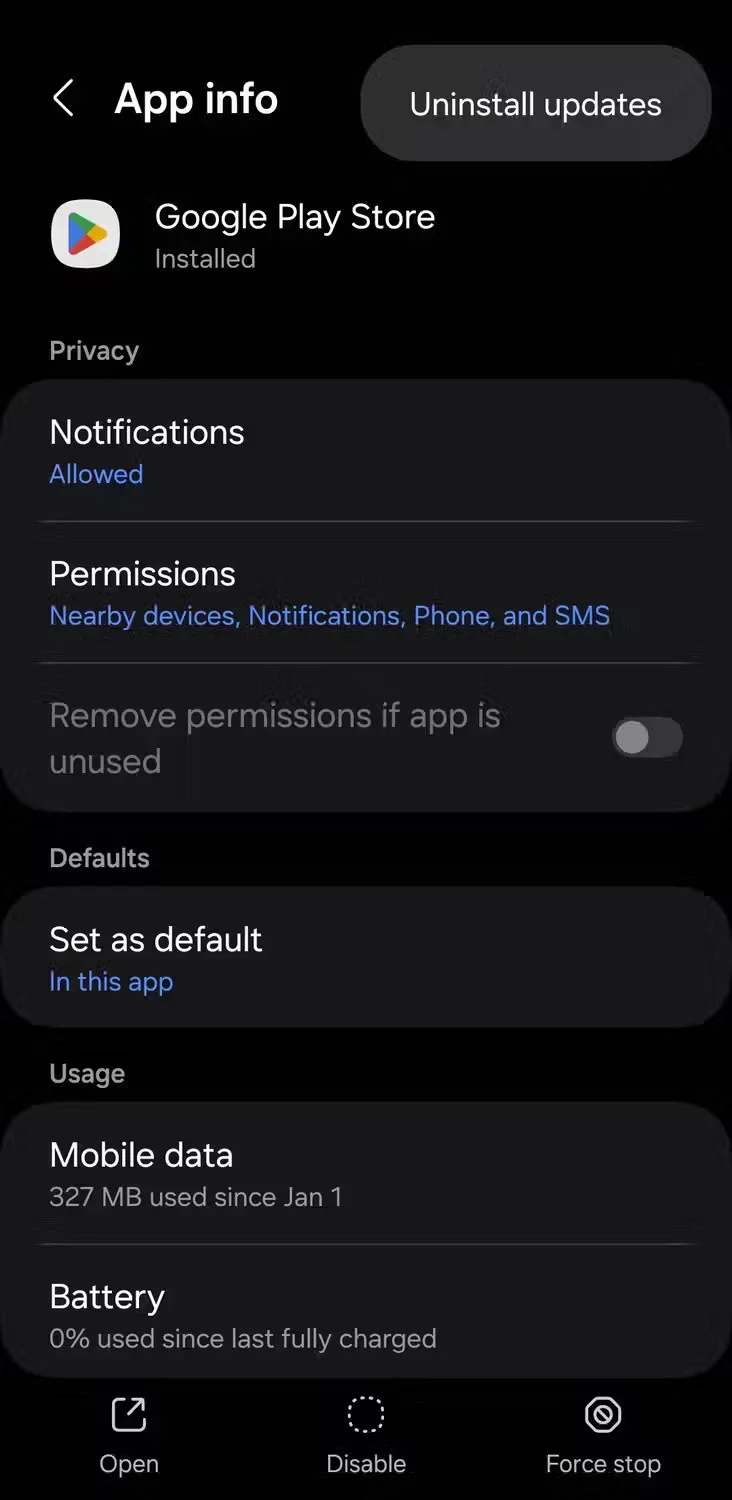
5. Uninstall and reinstall Play Store updates
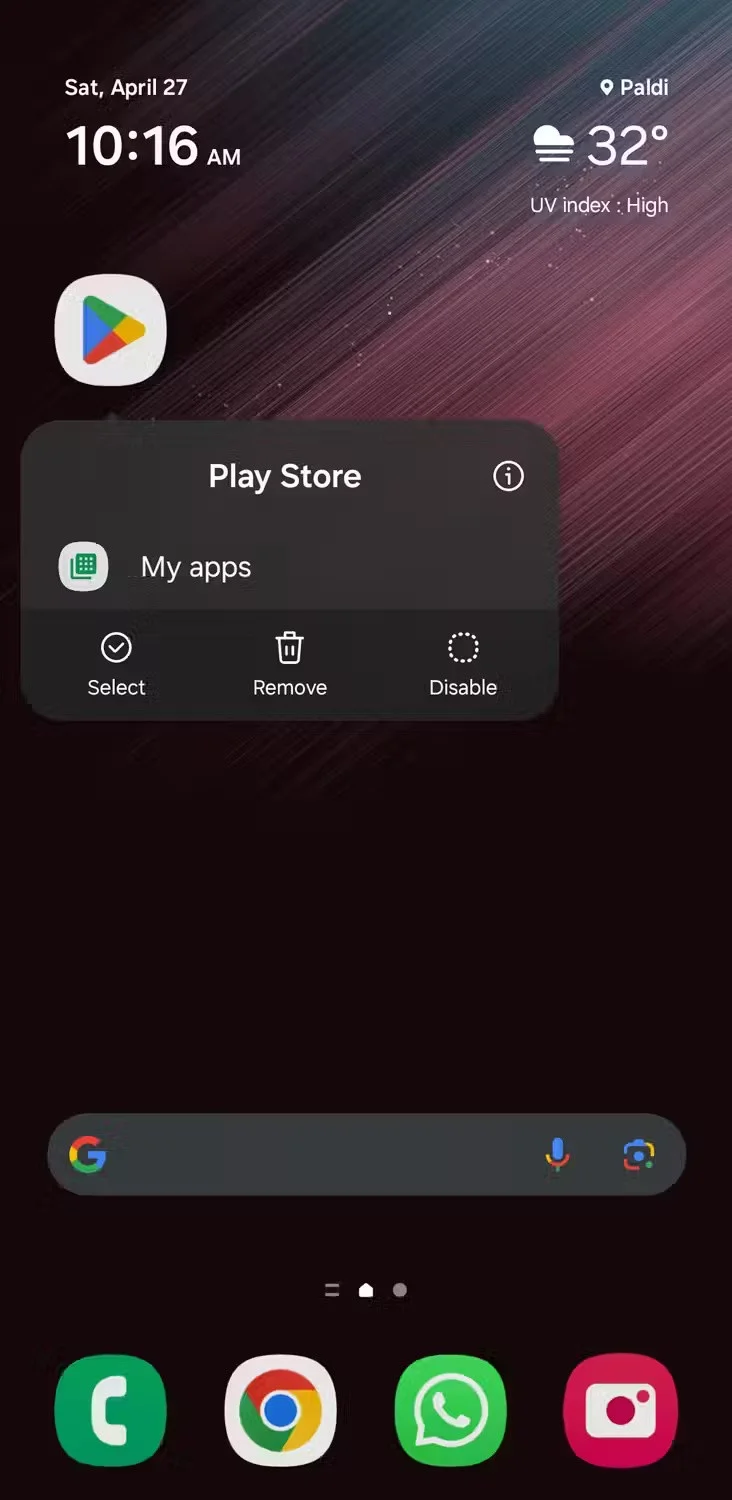
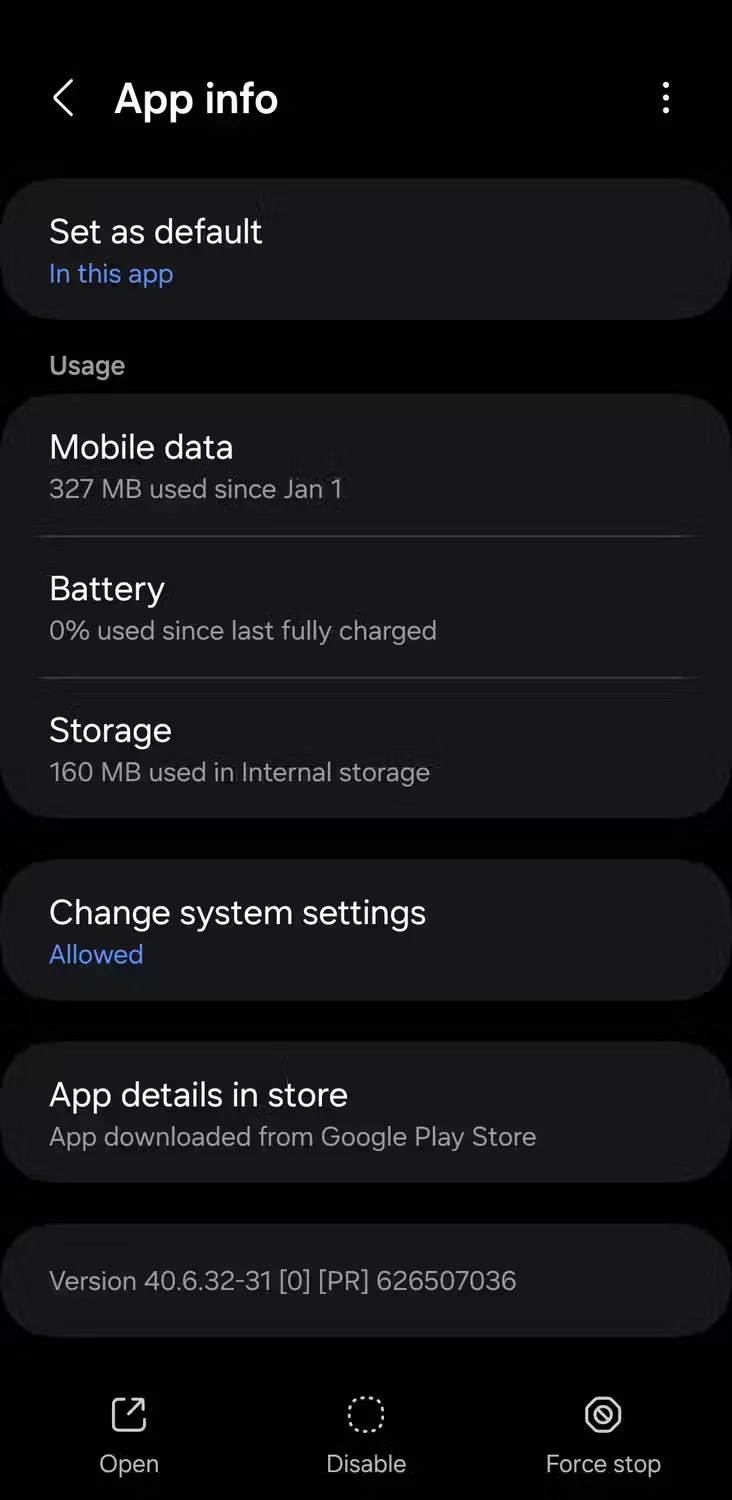
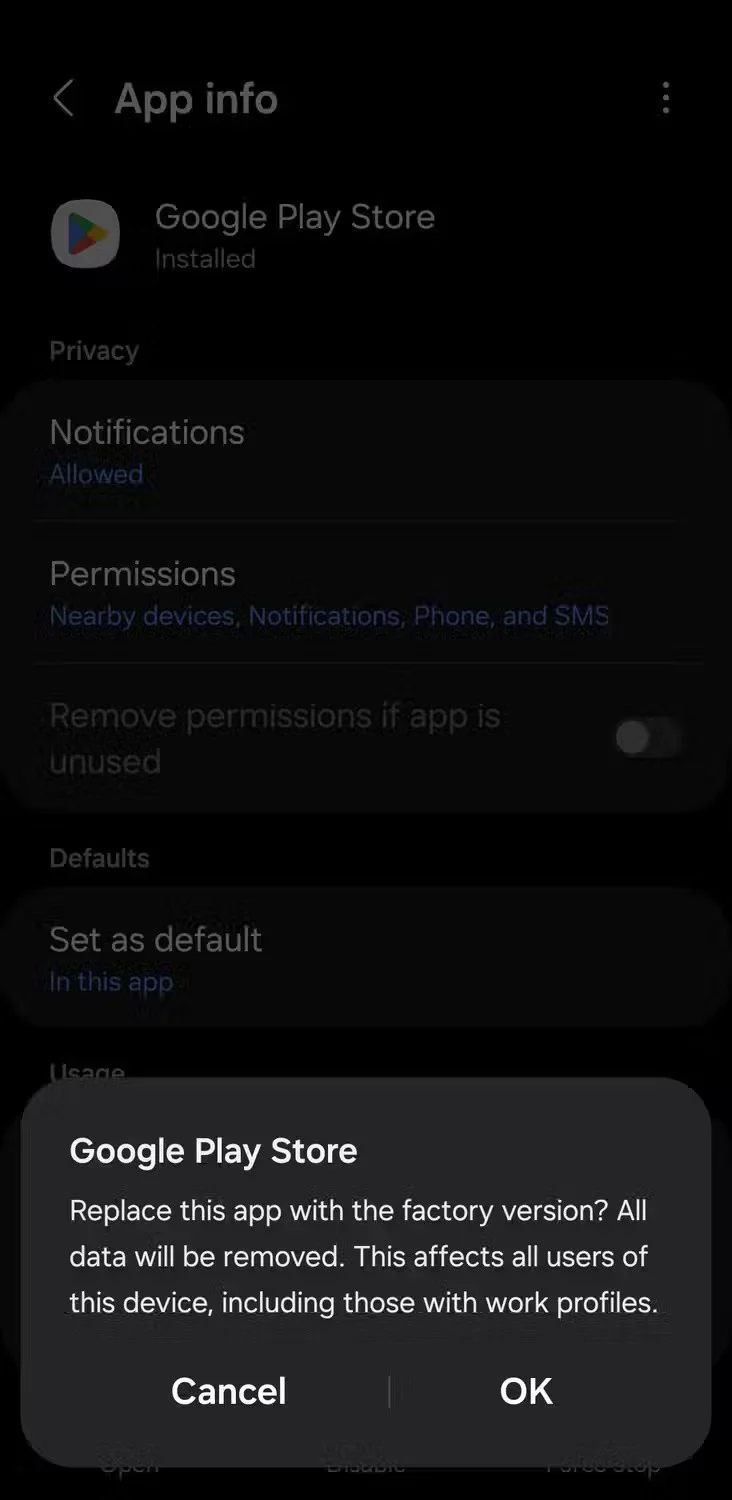
Since the Play Store is an integral part of the Android operating system, it cannot be uninstalled from your phone. However, its updates can be uninstalled. If the previous fixes didn't work, try uninstalling the Play Store updates and then reinstalling them to fix the problem.
Then open Google Play Store and it will automatically install the deleted updates. Then check if you still have this problem.
6. Free up storage space on your phone
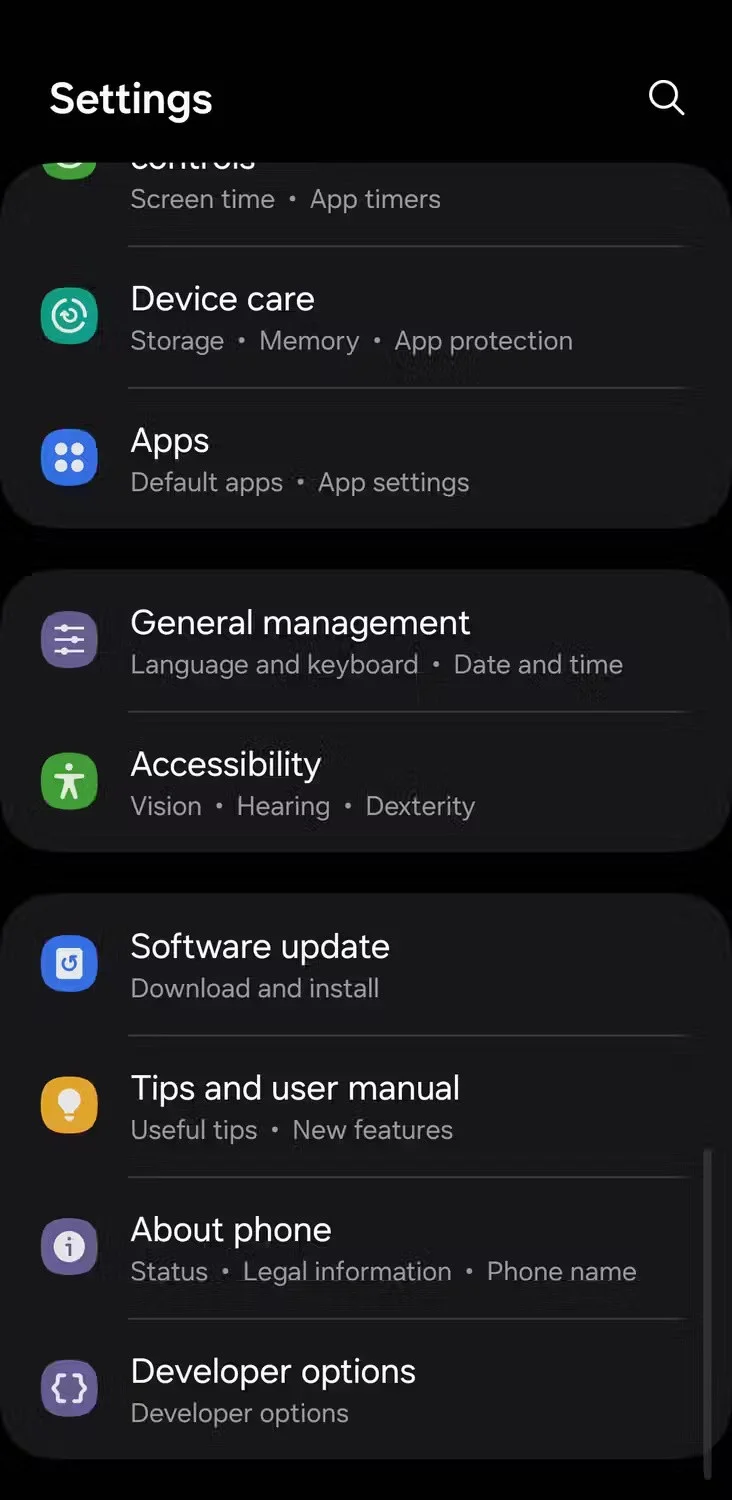
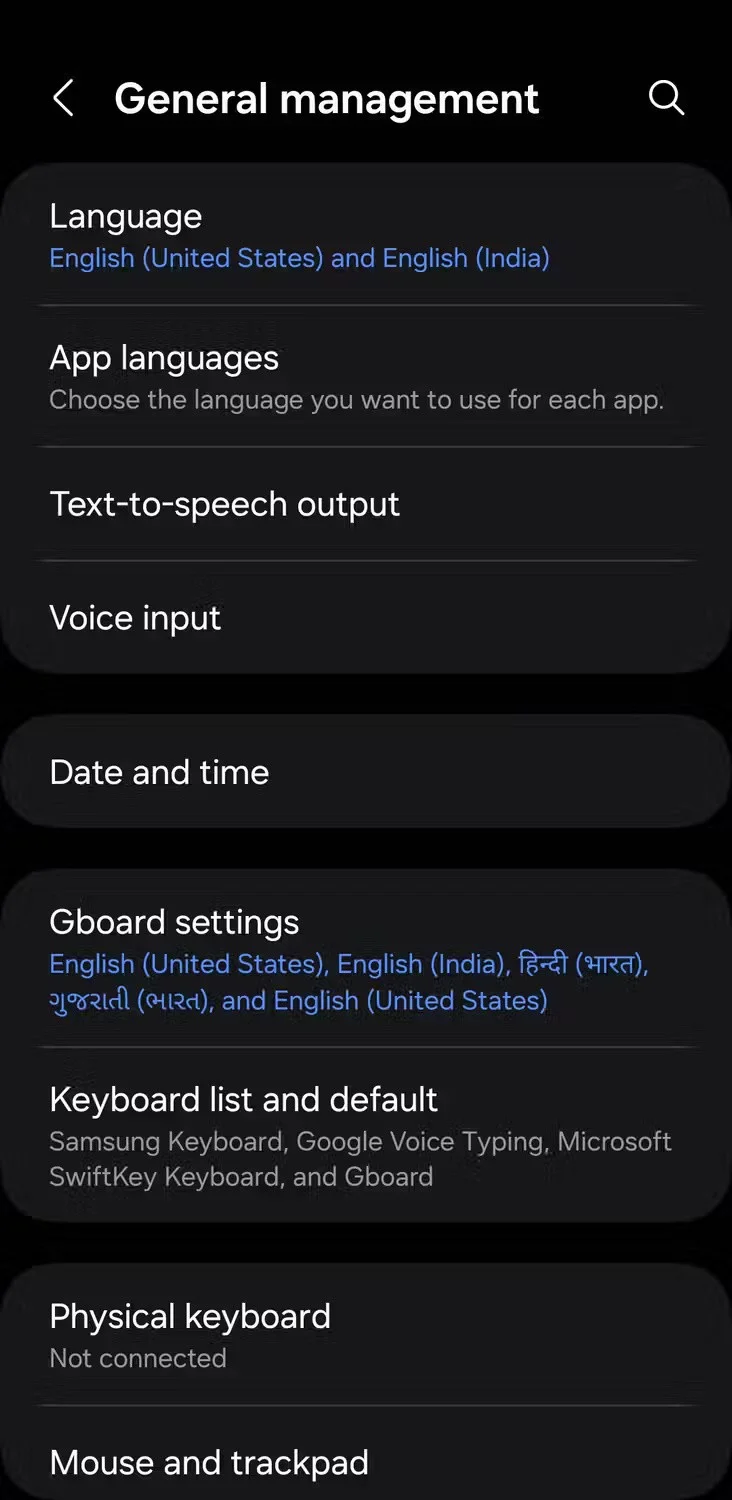
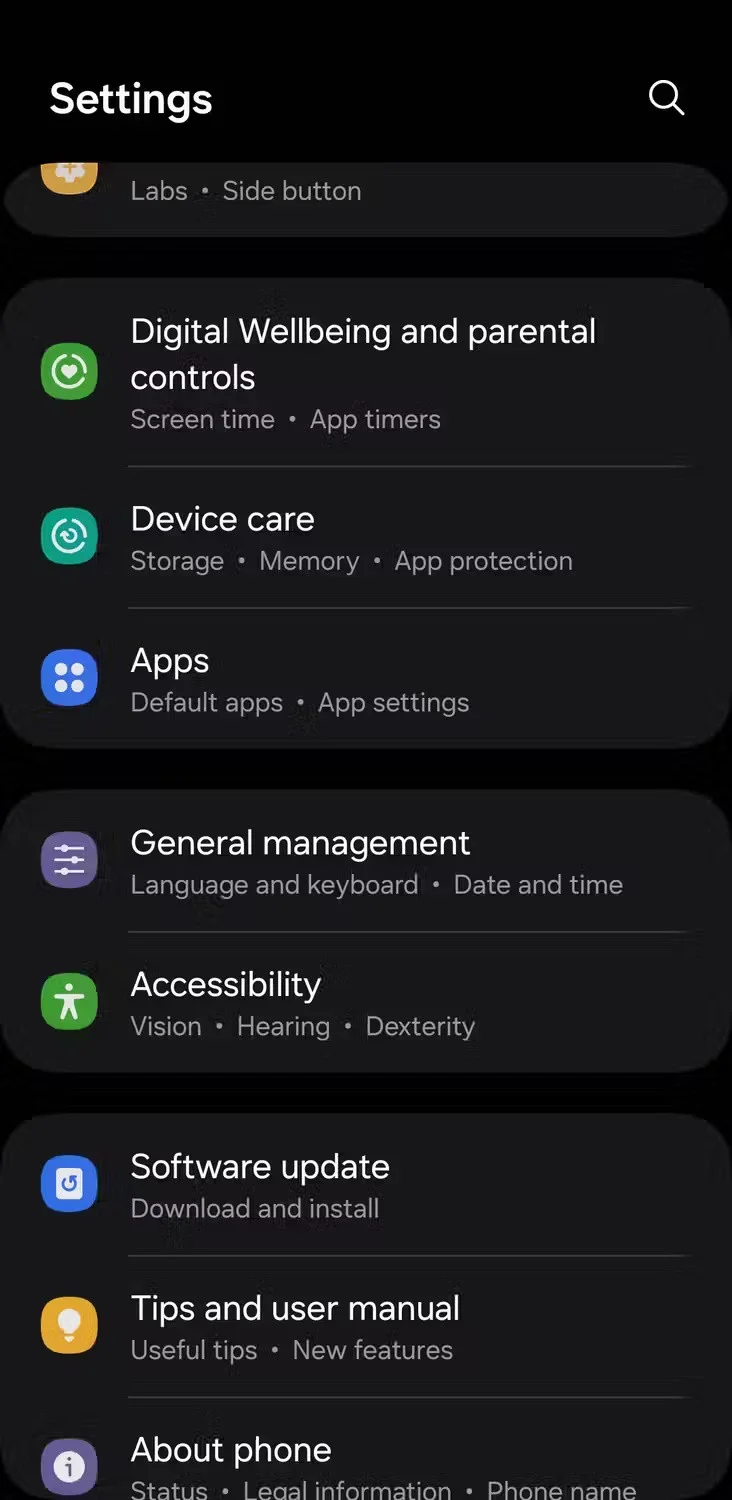
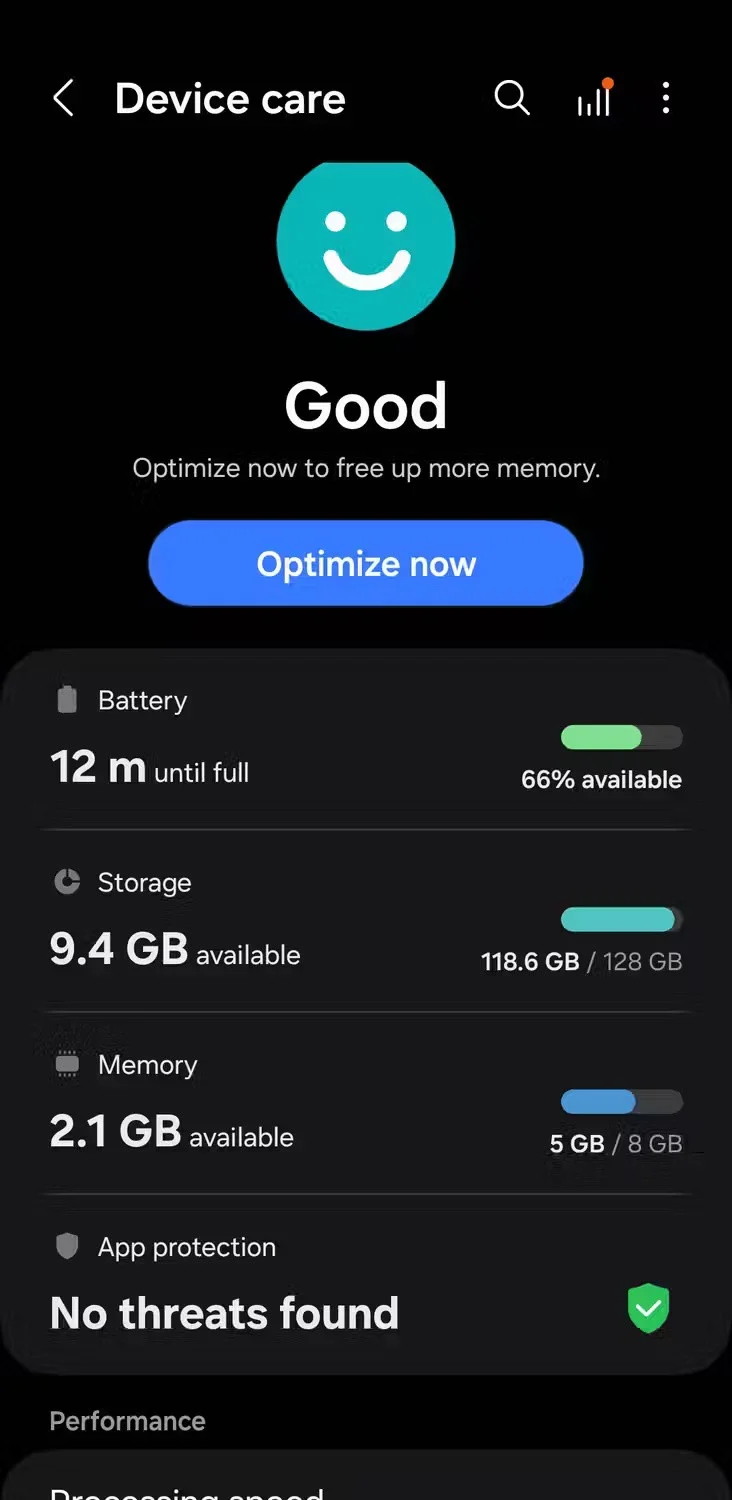
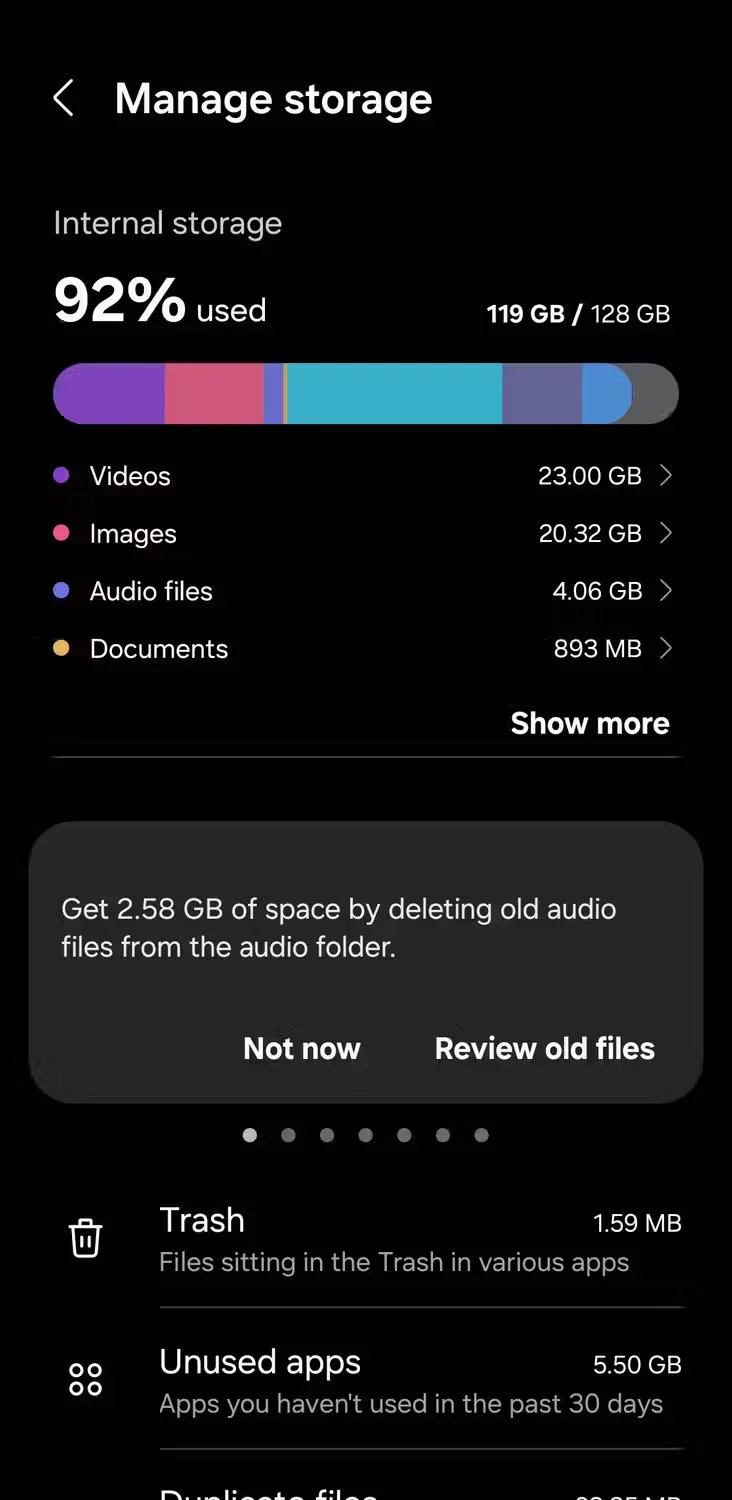
Another reason why the Play Store might not automatically update apps is if your phone is running low on storage. Android phones will notify you when they're running low on storage, but you can also check manually by going to Settings > General management > Storage .
Consider deleting any unused apps or unwanted files to free up storage space on your Android phone . Alternatively, you can use alternative solutions to get more storage space on your Android phone.
7. Sign out and sign back in to Play Store
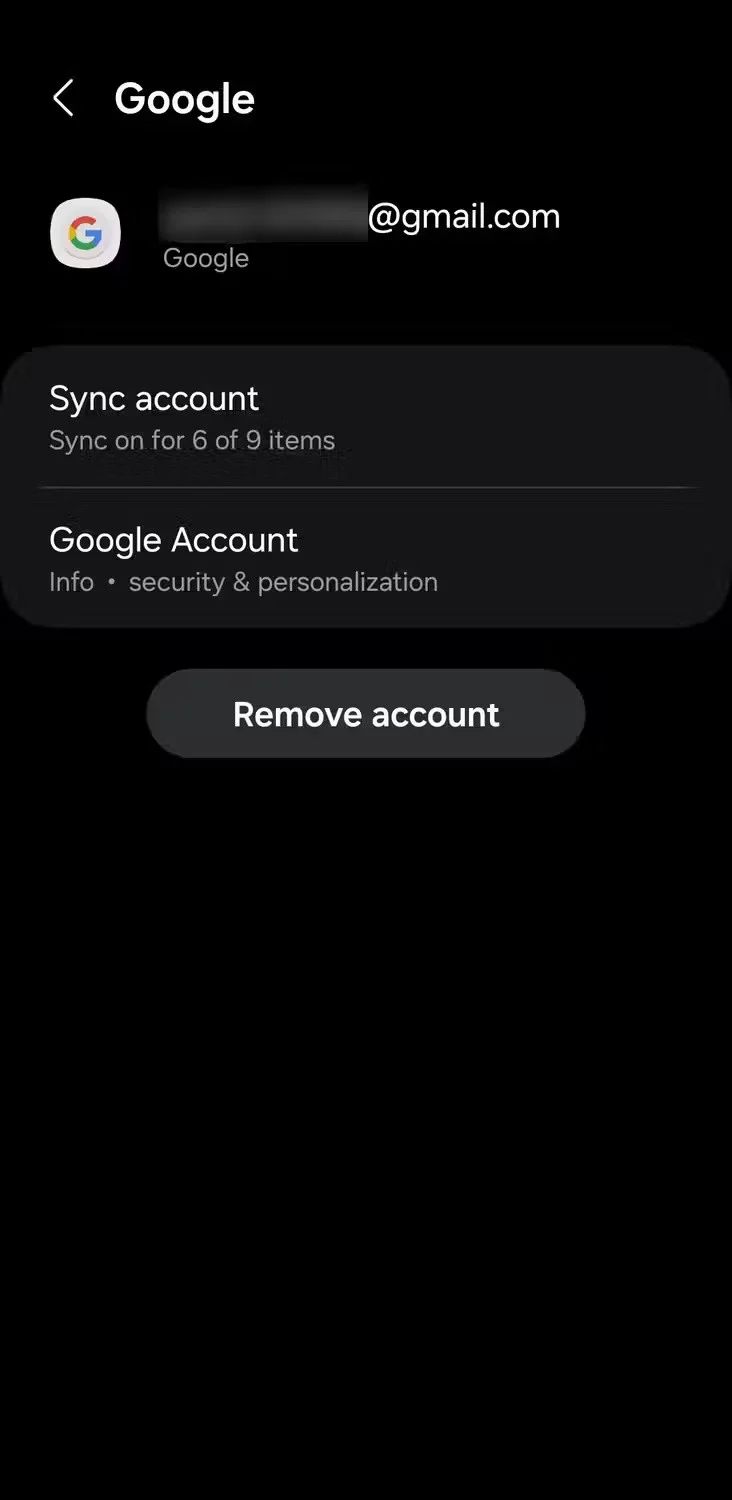
Google account issues can sometimes prevent the Play Store from automatically updating apps. Try removing and re-adding your Google account to see if that fixes the problem. Here's how:
Restart your device after removing the account, then add it back. You should not have any problems after that.
8. Check for Android updates
The Play Store may have trouble updating apps if your phone doesn't have the latest version of Android. Since software updates often fix existing issues and improve system stability, install them as soon as they're available.
On your Android phone, navigate to Settings > Software update > Download and install and install. If an update is available, download and install it.
9. Restore phone to factory settings
If none of the above fixes work, you have no choice but to factory reset your Android phone. Doing so will wipe the device and restore it to its original settings.
This process will give your phone a fresh start, possibly resolving automatic app updates and any other software issues your device may be experiencing.
It's important to note that the Play Store won't automatically update apps you've sideloaded onto your phone. You'll need to use an app like APKUpdater , which can automatically check for updates to apps from outside sources.
Use a simple 2026 Halloween decorating timeline for indoor décor, outdoor displays, and fresh pumpkins, with practical adjustments for weather and events.
Mix five vivid, approachable Halloween cocktails with measured recipes, simple prep tips, and an alcohol-free option for your party guests.
Find 15 office-friendly Halloween costume ideas for 2026, with practical checks for dress codes, respectful themes, comfort, and workplace safety.
Plan a fun elementary school Halloween party with easy crafts, games, inclusive treats, costume tips, and a sample 75-minute classroom schedule.
Compare realistic side hustles for 2026 by startup cost, fees, flexibility, and income control, with current tax and scam guidance from official sources.
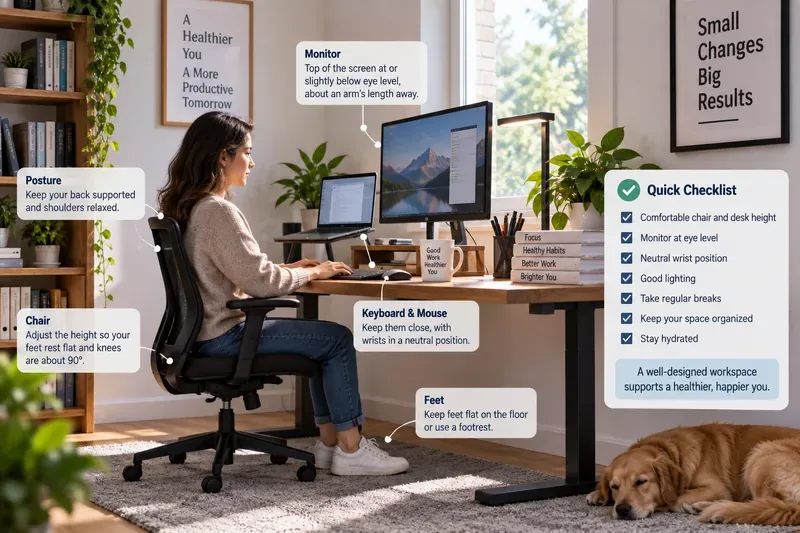
Upgrade your home office ergonomics with current OSHA and NIOSH guidance on chair fit, monitor height, laptop setup, lighting, and movement.
Learn why emotional intelligence matters in leadership, where it helps most, how to strengthen it, and how to tell whether your approach is working.
A practical roadmap for moving into tech without a degree: choose an accessible role, build job-ready skills, prove them with projects, and use hiring feedback to improve.
Build a credible LinkedIn personal brand in 2026 with current profile, content, newsletter, analytics, verification, and visibility guidance from LinkedIn.
Quiet quitting and quiet firing are catchy labels, not diagnoses. Learn what is verified, what depends on context, and what employees and managers can do next.