Deploy Shared Pardus Wallpapers and Policies with Lider Ahenk
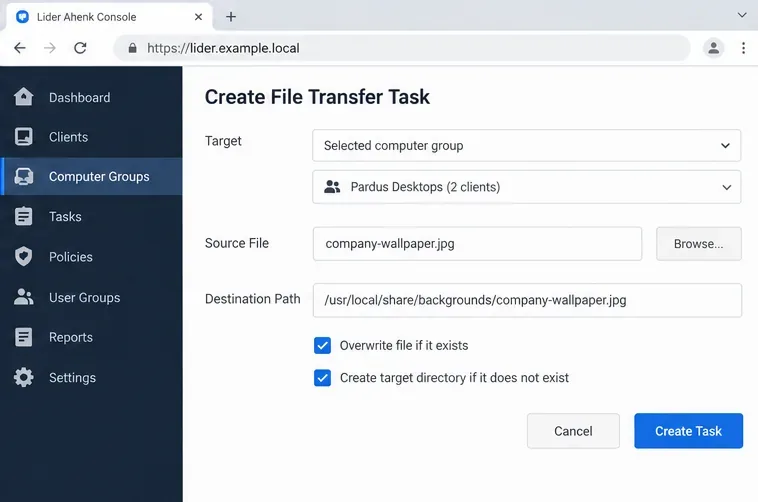
Distribute a custom wallpaper to Pardus clients, configure Xfce or GNOME desktops, and apply Lider Ahenk user policies with safe pilot checks.
Over the past few months, Microsoft has been pushing hard for Windows 10 users to upgrade to Windows 11 as soon as possible. However, the problem is that not all PCs are eligible for the upgrade. Systems that don't meet the hardware requirements will remain on version 10 and therefore will no longer be serviced, except for paid Extended Security Updates (ESUs).
With Microsoft set to discontinue Windows 10, and Windows 11’s “strict” hardware requirements making it impossible to upgrade many older PCs, there is growing concern about the massive amount of e-waste that will be dumped into landfills in the coming years. Market research firm Canalys estimates that around 240 million PCs will be sent to landfills after October 2025, when Windows 10 officially reaches end of support (EOS).
However, there is one tech giant that wants to play the role of a user to help the world overcome the pressure of thousands of tons of electronic waste, and that is Google. The Mountain View giant is planning to "entice" PC system owners who cannot upgrade to Windows 11 to switch to using ChromeOS Flex.
ChromeOS Flex was officially released in July 2022 after several months of alpha testing that yielded positive results. It was developed by Google as an alternative to the operating system on Windows PCs and older Macs that no longer have software support. In simple terms, ChromeOS Flex can turn your old Windows PC or Mac into a Chromebook, but not quite. ChromeOS Flex has a similar interface to ChromeOS, as the operating system is built on the same code base and includes Google Assistant. However, if you want to run Android Apps, you can't, which is a bit of a pain.
ChromeOS Flex is essentially a lightweight, cloud-based operating system that is free to download and gets regular security updates. It can also be stored on a USB drive. Users just plug it in and it runs - everything is stored in Google's cloud.
Google also claims that ChromeOS Flex is about 19% more energy efficient than Windows. Because of its relatively light size, Google claims that the operating system will be easier to learn and operate than Windows.
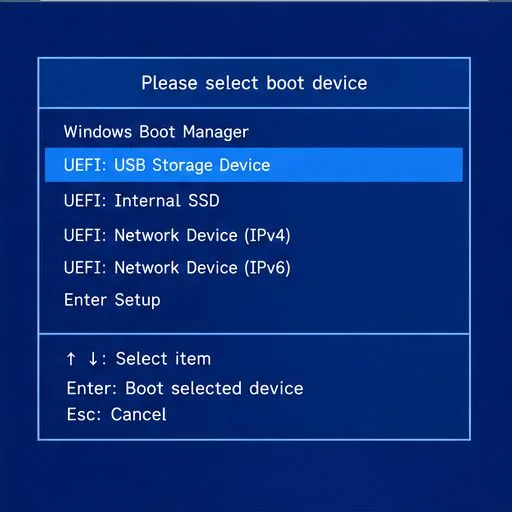
The process of installing ChromeOS Flex via USB is very simple, as you can see in the image below:

What do you think about Google's operating system? Leave a comment!
Distribute a custom wallpaper to Pardus clients, configure Xfce or GNOME desktops, and apply Lider Ahenk user policies with safe pilot checks.
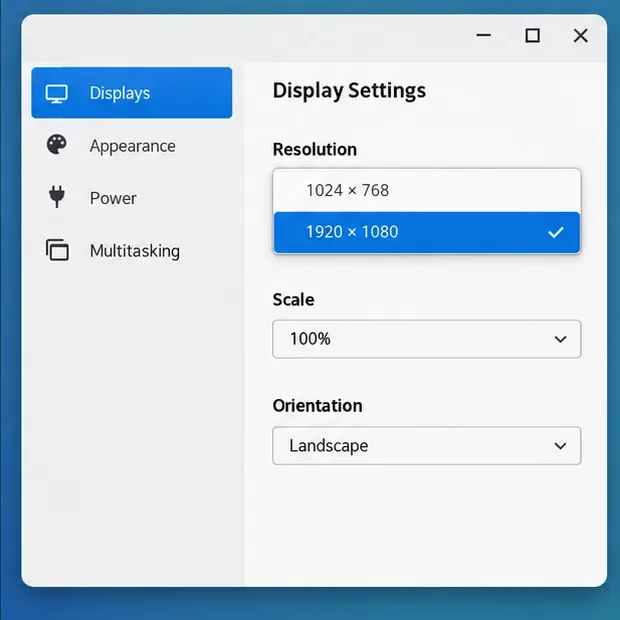
Fix a 1024 × 768 ceiling by checking SPICE, virtual video, the guest channel, and spice-vdagent—with safe checks when Pardus lacks a package candidate.
Set up the Lider server, configure its installer safely, register Ahenk endpoints, and verify a pilot before expanding central management.
Download the official Pardus 23 desktop ISO, write it safely with Rufus, and boot a Windows PC into a temporary Live session.
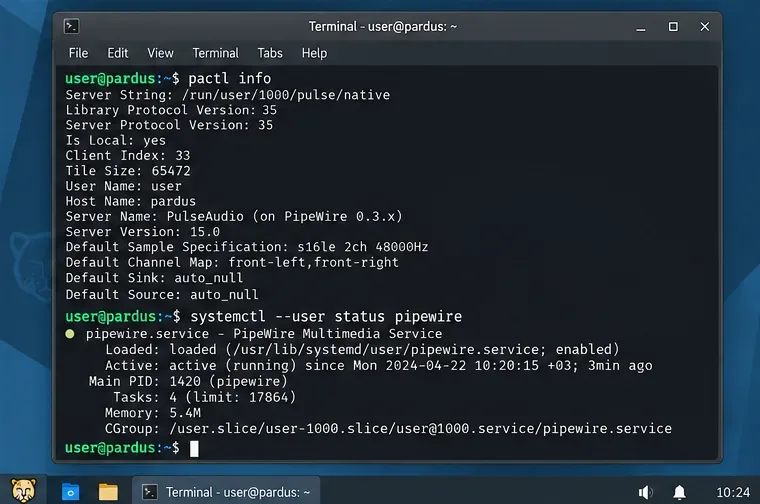
Find out why Pardus 23 cannot detect your sound card, then use targeted ALSA, firmware, and PipeWire or PulseAudio checks to restore playback.
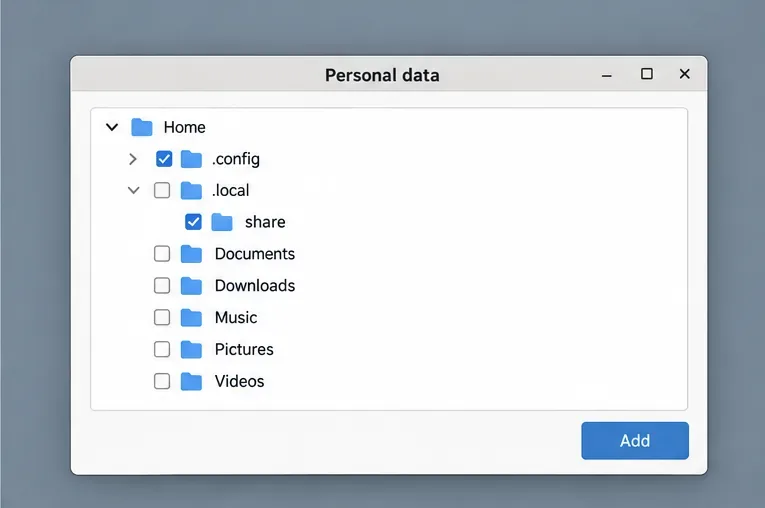
Save HamoniKR preferences to external storage, include hidden home folders, and choose a safe restore mode when moving to a fresh installation.
Install and configure xrdp on Pardus, choose the right Xfce session, restrict network access, and verify that remote login works.
Diagnose Pardus 23 APT connection failures, confirm the official yirmiuc sources, and restore apt update without bypassing package signature checks.
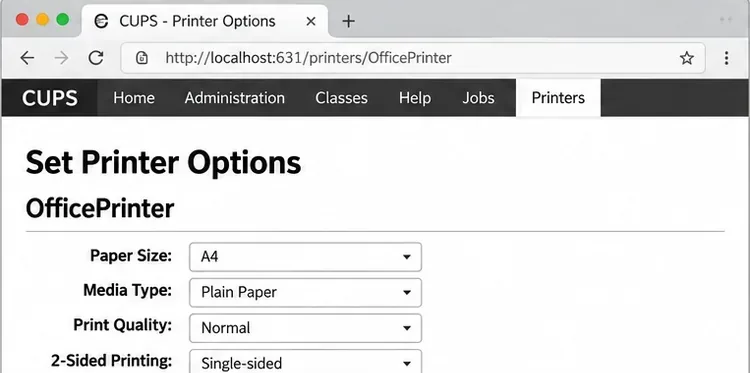
Configure printers on Harmonica OS using CUPS, compare driverless IPP with legacy drivers, and verify USB or network printing with a test page.
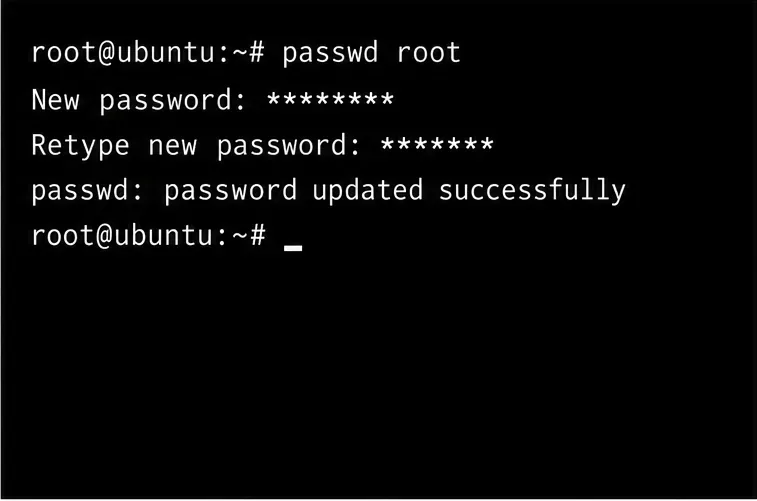
Use a recovery shell to set a new Harmonica OS root password, with checks for encrypted disks, read-only filesystems, and accounts that use sudo.