Podcasting Trends You Need to Know in 2026: A Beginner’s Roadmap

New to podcasting? Learn the 2026 trends shaping video, discovery, transcripts, AI, analytics, monetization, and a practical launch plan.
Dealing with a broken screen on your Android phone is a hassle. Although phone screens are pretty tough, one nasty drop can shatter them completely. Given that most people have a lot of irreplaceable content on their phones, it is crucial to know how to access the content in an unforeseen incident.
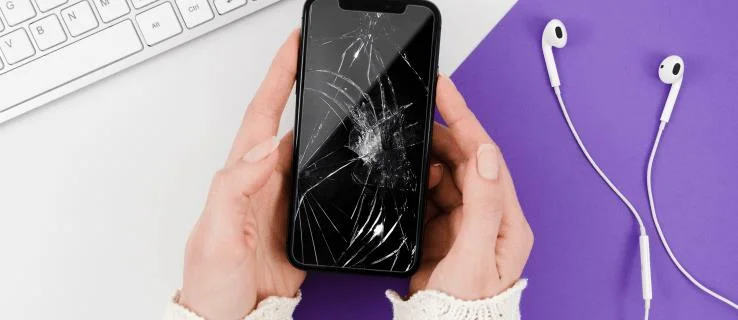
If you have a broken screen on your phone, you have several ways to recover the data. For some of the steps, you will need extra equipment. The method you choose for data recovery depends on whether your screen is still visible, has touch functionality, or has neither. In cases where the screen is severely damaged, seeking help from professionals like Samsung mobile service centre Singapore can help you recover your data and fix the issue.
Note: Many readers state that the article is useless because you have a broken screen that doesn’t work and cannot do anything because of it. Pay close attention to the section titles and the solutions. The article explains what to do when you have a broken screen, lost touchless functionality, or have a combination of sorts. Sure, you cannot use the phone effectively, but recovering essential data from these situations is possible. Keep reading for more information.
How to Access Android Phone with Broken but Visible Screen
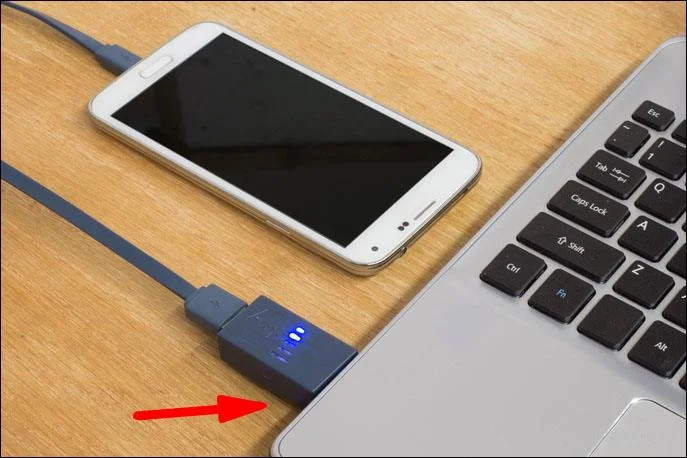
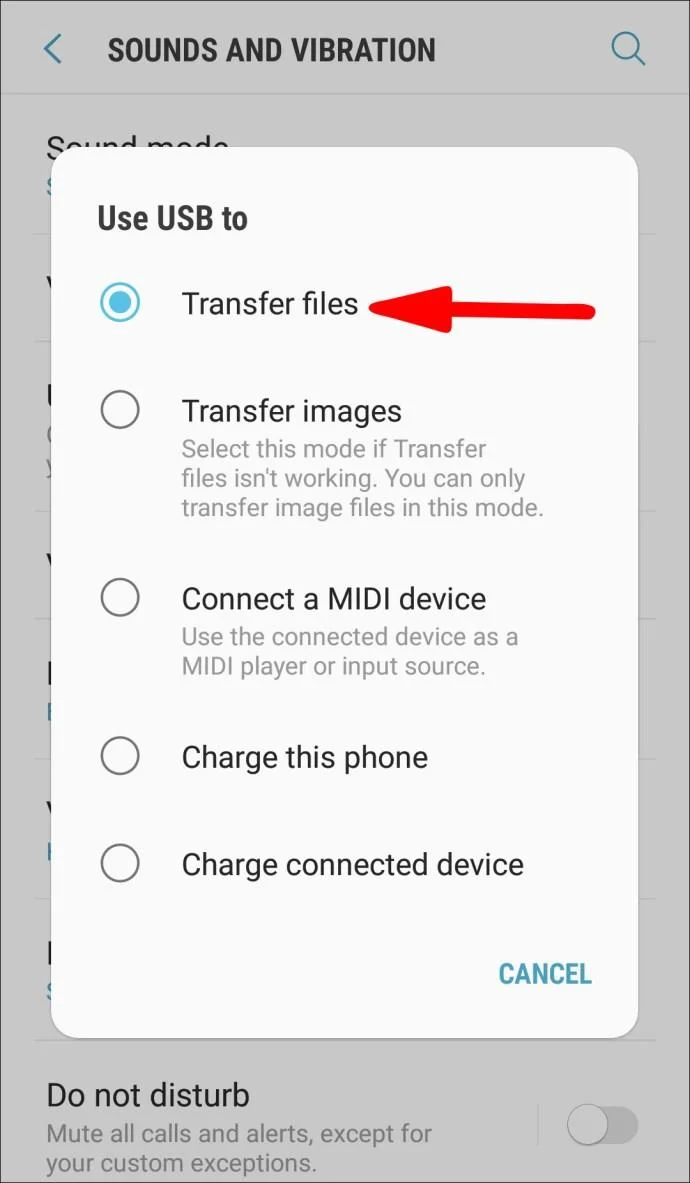
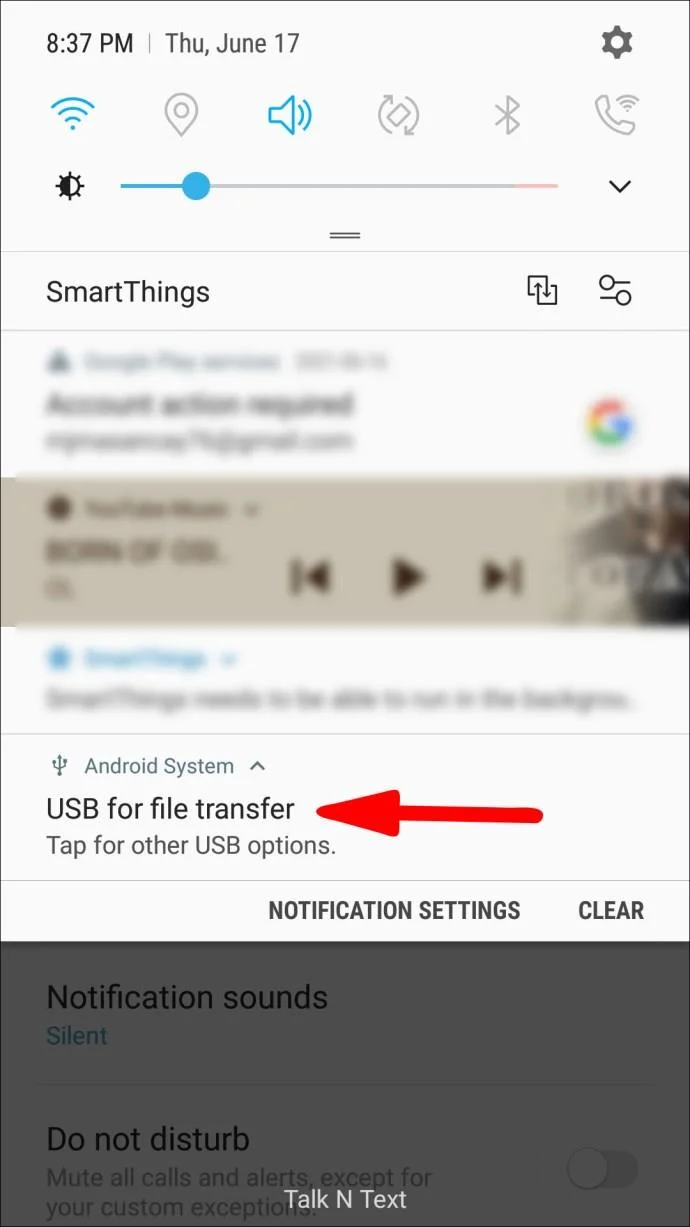
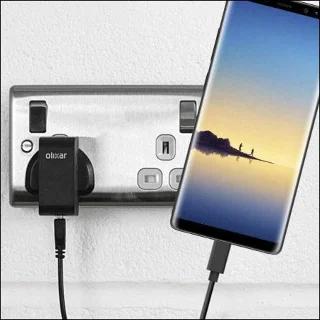
A broken yet visible Android screen with touch functionality is the best possible scenario for recovering valuable data. The best thing you can do is transfer all your data to your computer before the crack spreads and you need to replace your screen. You don’t need any additional equipment, except the USB cable you usually use to charge your phone.
How to Access Android Phone with No Touch Function
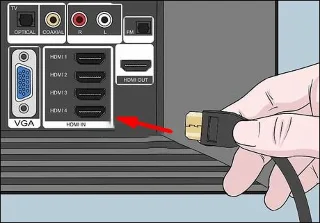
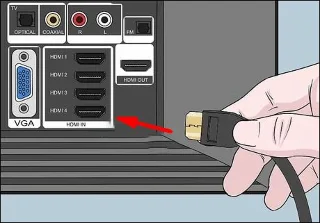
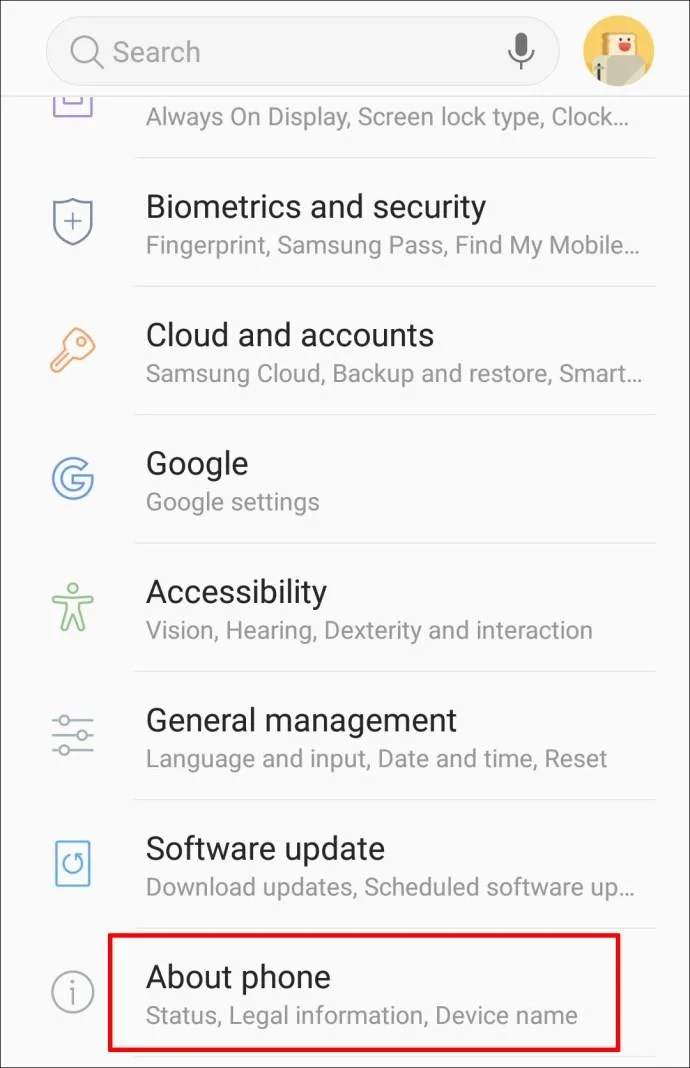
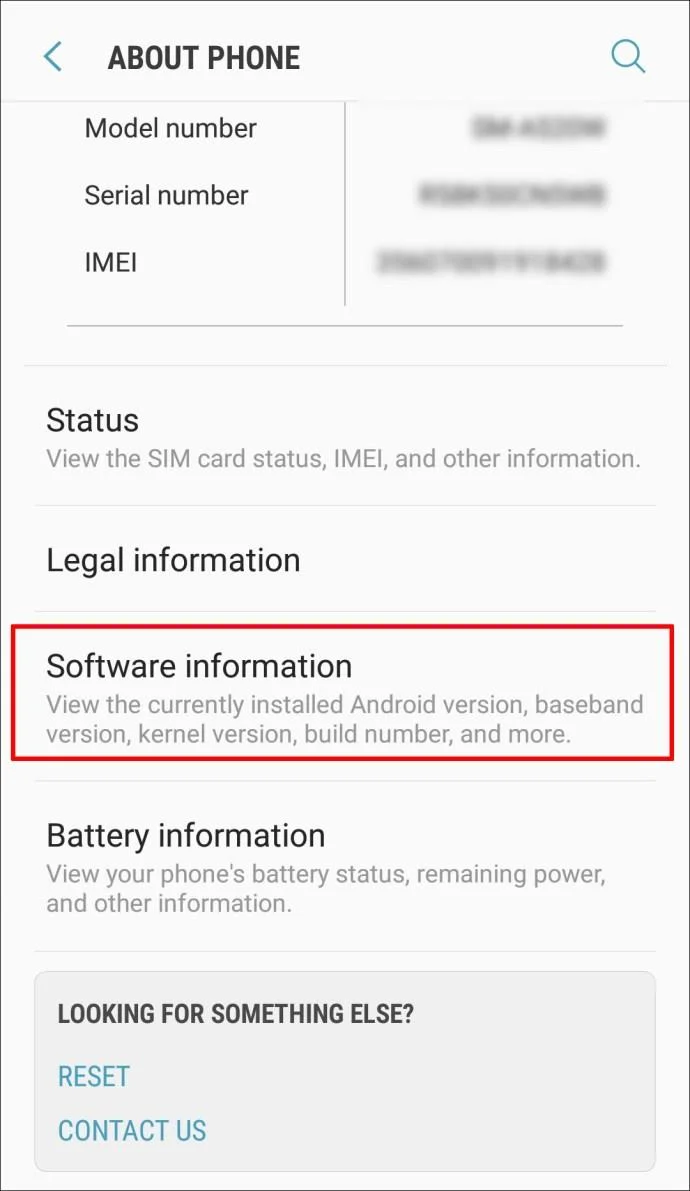
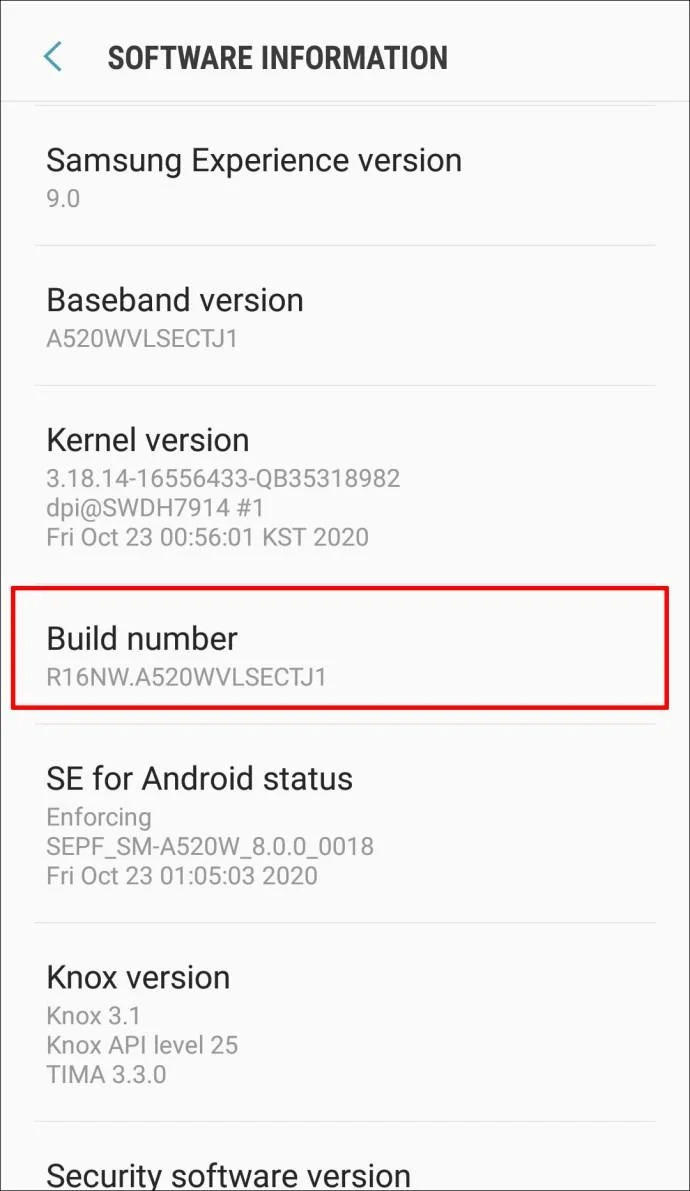
You’ve dropped your phone but can see everything on your display, yet your touchscreen isn’t functioning. If this sounds familiar, there is a way you can access your phone, but you need extra equipment: a USB mouse and a USB hub with an HDMI port. Here are the steps you should follow:
How to Access Android Phone with No Screen
The lack of a display on your Android phone can happen due to physical damage, so how do you know your phone is functioning at all? You should hear the notification sounds and feel the vibrations. If you try to unlock your phone by memory, you may also hear sound. Fortunately, there is a way to retrieve the data from a phone in this situation. In this case, you will need another Android phone, as explained below.
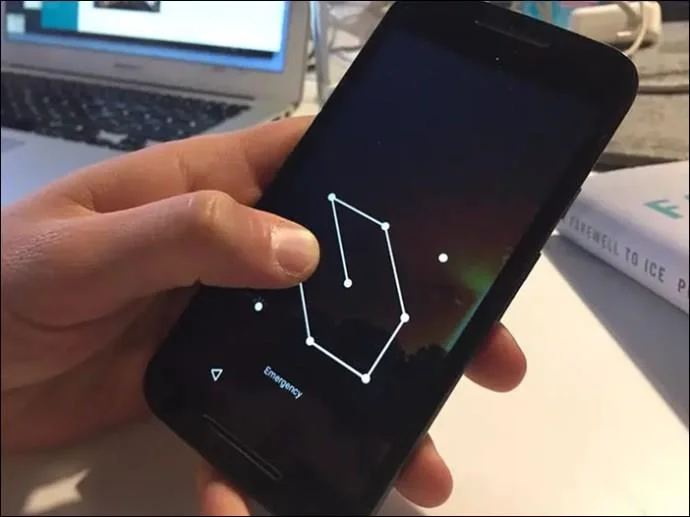
Note: If your phone is locked using the face recognition/fingerprint option, you’ll be able to easily unlock it since your phone still functions even with a black screen. If you use a pattern to unlock your phone, try practicing it on the other Android phone before entering it by heart. The same goes if you have a password you need to enter.
How to Access Android with No Screen and No Touch Function
An Android phone with a damaged/unresponsive screen and no touch functionality is the worst-case scenario for recovering precious files. Saving data from a phone in this condition is complex, but it’s not impossible. There are several things you can try.
1. Connect Your Phone to a TV to Access Your Phone
To connect your Android smartphone with no screen or touch functionality to a TV, you need a USB mouse, USB hub, a USB-to-HDMI adapter, and an HDMI cable.
2. Connect your Phone to a PC to Backup Important Files and Data
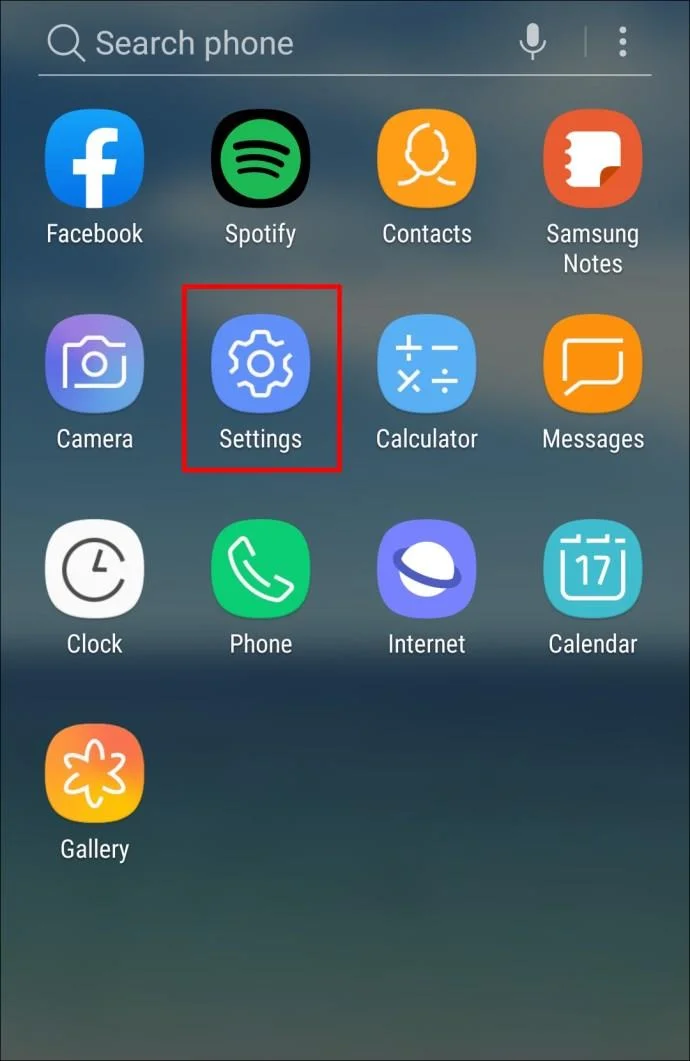
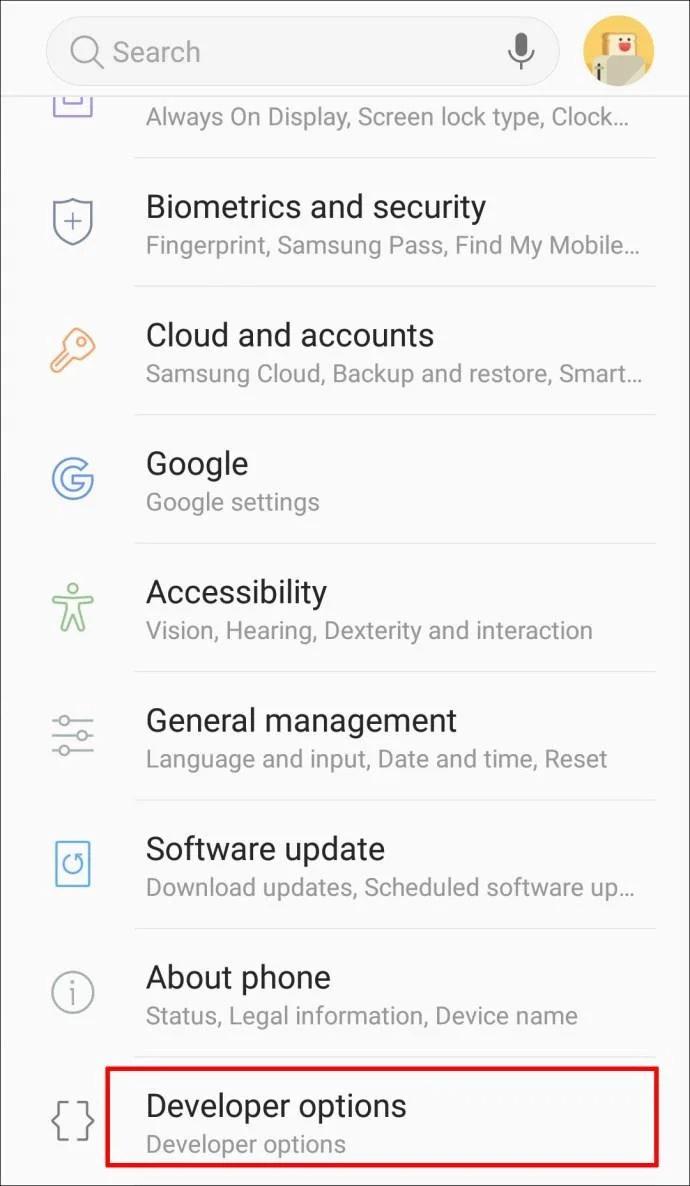
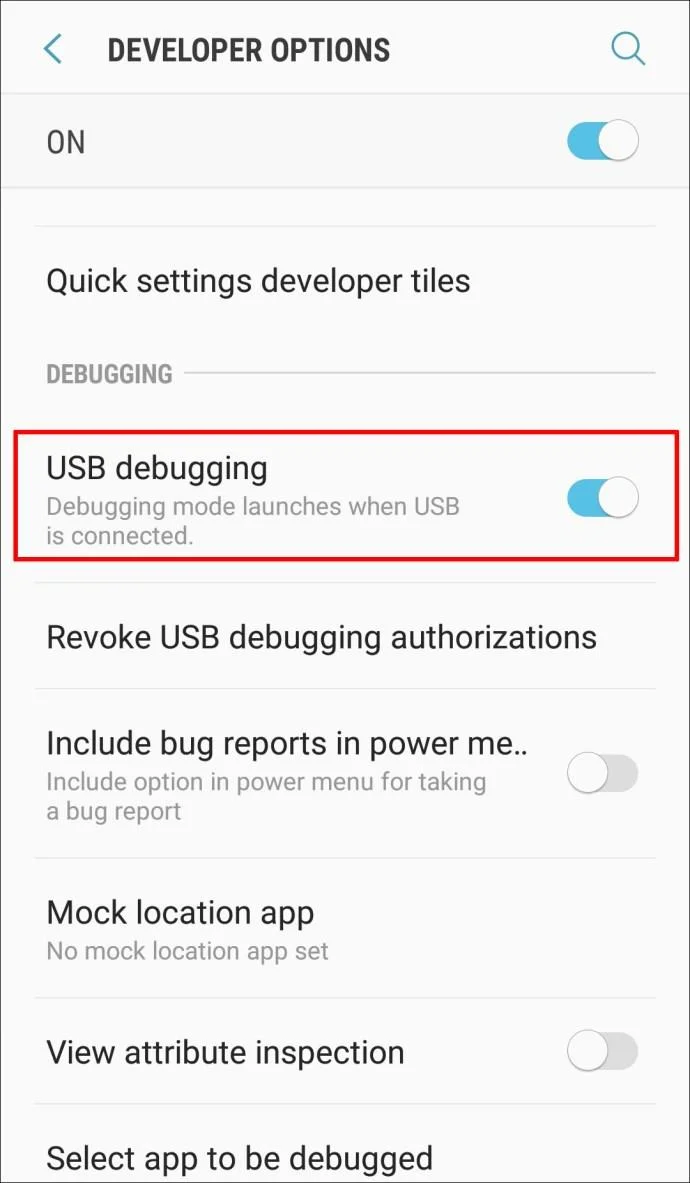
If USB Debugging got enabled before your screen broke, it allows you to access your phone through a computer with a USB cable without asking for permission. However, the function is not on by default and is usually disabled. You need USB debugging activated to connect your phone to your PC. However, a broken and unresponsive black screen lacking touch functionality makes it almost impossible to enable debugging. First, you must connect the device to your TV to use it as the display before you can connect it to your PC for data backup. Therefore, ensure you check out the steps mentioned above before connecting your phone to your PC.
3. Connect to Your Android Google Account using a PC to Recover Phone Data
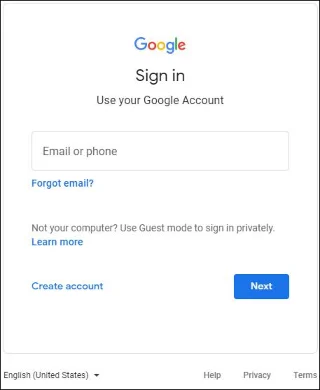
If you have the same Google account on your phone and computer, you can access the account from the computer and try to save the files you need. However, if you haven’t synced your phone, this method won’t be successful, and you won’t have access to any non-synced or non-syncable data on the phone.
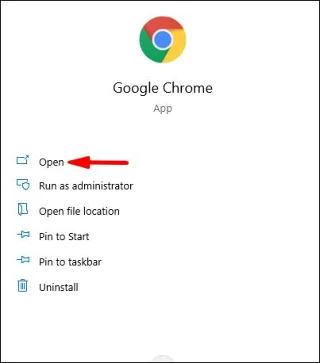
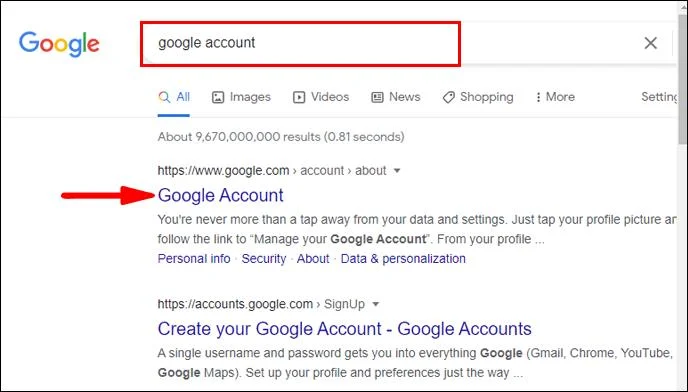
google account and open it.4. Use a Third-Party App to Recover Data
Some third-party apps, e.g., Vysor, can help you access your phone. However, if you didn’t have them installed on your phone before breaking your screen, it would be almost impossible to do it with a black, unresponsive screen. Furthermore, these apps require you to connect your phone to your computer, and for that, you’ll have to enable USB debugging, as previously instructed.
When it comes to third-party apps that recover data from a damaged phone, most users find them too complicated to use, especially with an entirely nonfunctional screen.
5. Use a Phone Repair Shop to Recover Data
If you’ve tried all of the above and still can’t access your phone, unfortunately, it looks like your phone’s been seriously damaged. In this case, the best thing you can do is take it to a professional who might be able to replace your screen or recover the lost data.
Essential Preventive Measures to Protect Your Phone or Recover Data
Breaking a phone screen can happen to anyone. Your files can stay trapped in your device with just one drop.
Overall, it is essential to maintain phone backups. This way, you can keep valuable files and photos in one place. You can use cloud services such as Google Drive, iCloud, Mega Uploader, etc., and set up automatic backups. Furthermore, you can regularly transfer the files from your phone to your computer with a USB cable or keep them on an external hard drive or USB flash drive.
To prevent your phone from getting damaged if you drop it, ensure you have a phone case and a durable protective screen. These will help you keep your device safe and prevent severe damage to your phone.
If you’ve ever had a broken screen, you are familiar with the feeling of dread when you think about all the files that might’ve gotten lost. Fortunately, there are ways you can access your phone, even if you have a broken screen. In this step-by-step guide, you’ve read several tips and tricks to extract valuable files from your phone. Regardless, remember that prevention is always better! Try to keep your data backed up frequently and your phone protected.
New to podcasting? Learn the 2026 trends shaping video, discovery, transcripts, AI, analytics, monetization, and a practical launch plan.
A practical UGC masterclass for sourcing, permissioning, briefing, publishing, and measuring customer and creator content without losing authenticity.
Community building can deepen trust, retention, feedback, and advocacy, but it is not a replacement for every marketing channel. Compare the tradeoffs and choose the right model.
Learn what major social platforms have actually confirmed about ranking changes in 2026, what depends on context, and how to adapt without chasing myths.
Learn how to make brand storytelling feel credible, human, and specific—using proof, real tension, ethical customer stories, and a practical authenticity check.
Build a smarter Q4 email strategy by balancing reach, frequency, discounts, automation, deliverability, and measurement for profitable holiday growth.
Learn how to create short-form video that converts by balancing hooks, format, authenticity, CTA, platform fit, and testing across TikTok, Reels, and Shorts.
Why are brands testing KOCs instead of relying only on influencers? Learn what KOCs are, why social commerce favors them, common myths, and how to run a measurable pilot.
Learn a practical TikTok SEO workflow for 2026: find real search demand, match search intent, optimize each video, and measure what improves visibility.
Prepare your e-commerce store for Black Friday with a practical checklist for offers, site speed, checkout, inventory, fulfillment, analytics, security, and support.