The green screen will help you easily erase the background area when making video calls. Learn how to add a green screen directly to learning apps and online video meetings such as Zoom, Skype, Microsoft Teams and WebTech360!

How to use green screen directly on Zoom
If you or your company uses Zoom for online meetings, congratulations because Zoom has a powerful background filter. It allows you to change the background image with or without a green screen.
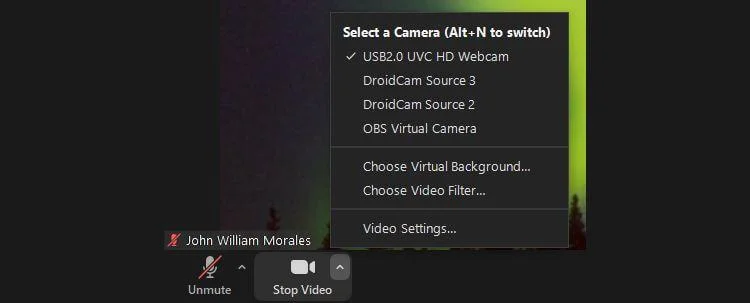
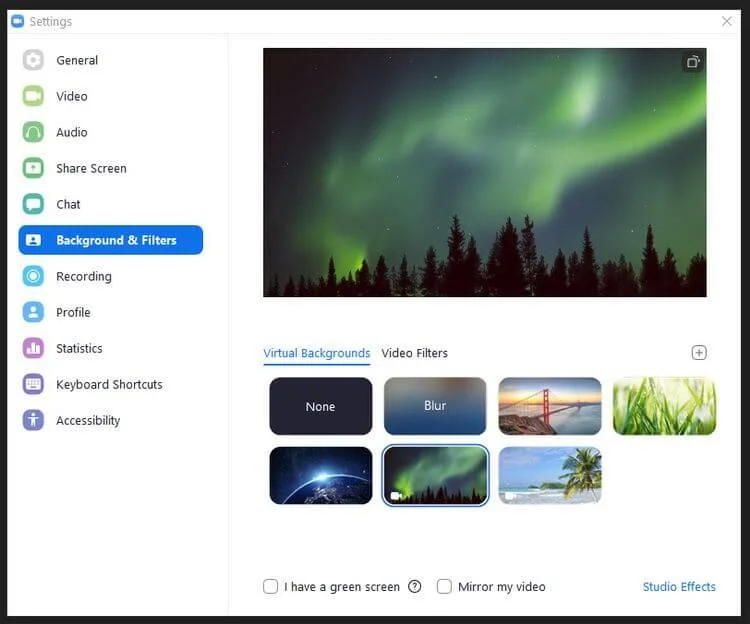
All you have to do is join the session, go to the menu on the bottom left, then select the up arrow on the Start/Stop button . Then, select Video Settings > Background & Filters .

If you don't have a green screen, you can choose any virtual background available on Zoom, and you can even upload your favorite photo by clicking the + sign . But if there is a green screen or any monochrome wallpaper, just check I have a green screen . It's done.

- Download Zoom for Windows
- Download Zoom for Mac
How to use green screen on Microsoft Teams
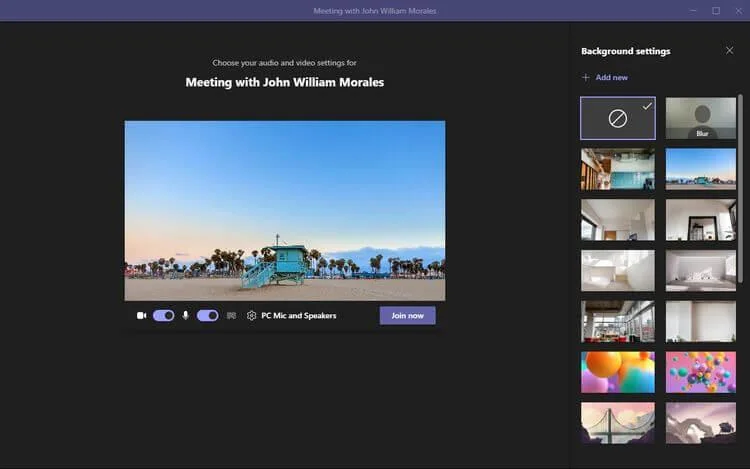
Similar to Zoom, first you have to join a meeting. Before entering the meeting, you will be prompted to select audio & video settings.
Click the account layout icon between the microphone on/off button and the PC mic & speaker settings button. You will see the background settings menu here.

All you have to do is select the desired wallpaper or click Add New if you want to upload your own photo. Although a green screen is not required to use this feature, having such a background will significantly improve the context of an online session.
- Download Microsoft Teams for Windows
- Download Microsoft Teams for Mac
How to use green screen directly on Skype
You can easily add virtual backgrounds to Skype on Windows, Mac or Linux. However, if you use Skype on Windows, make sure it is not the Windows 10 version because the background change feature is not supported by this app.
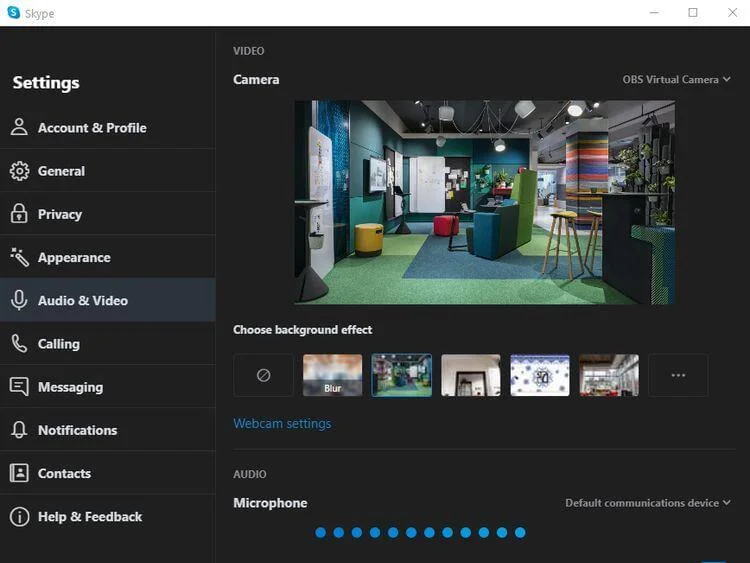
After opening Skype, click the three-dot menu next to the name, then select Settings . Click Audio & Video , select the desired background image in Choose background effect .

You will have more options, even upload your own photos when clicking the 3 horizontal dots icon to the right of the effects list.
- Download Skype for Windows
- Download Skype for Mac
- Download Skype for Linux
Unfortunately, there's no feature to add a green screen to Google Hangouts, Google Meet, Discord, Slack, and other video conferencing software. To add green screens to them, you need the help of third-party apps like ManyCam, CamMask, OBS Studio...
As you can see, if you are using Zoom, Microsoft Teams or Skype, setting a virtual background or live green screen when meeting or studying online is extremely easy. Hope the article is useful to you.