Home
» How to
»
How to add new friends, make livestream on Bigo Live
How to add new friends, make livestream on Bigo Live
Video How to add new friends, make livestream on Bigo Live
Live Stream is currently a way for many people to entertain and watch online videos, Bigo Live is one of the popular live stream applications. In addition to watching the videos that livestream users share, you can also record the livestream directly and share it with others.
In addition, you can keep track of your favorite livestream friends, this feature will let you know when that user is online and start streaming. At that time Bigo Live will automatically send you notifications. So how to make friends and follow users on Bigo Live, you can follow the instructions below.
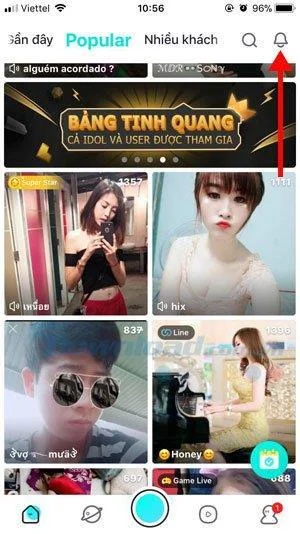
Step 1: After logging in to Bigo Live, select the items to watch livestreams by categories, but many people often choose the Popular section to watch livestreams. Please select anyone you want to follow.
Step 2: In the livestream interface, click the blue plus sign next to the username as shown in the picture, you can swipe up and down to change the livestream.
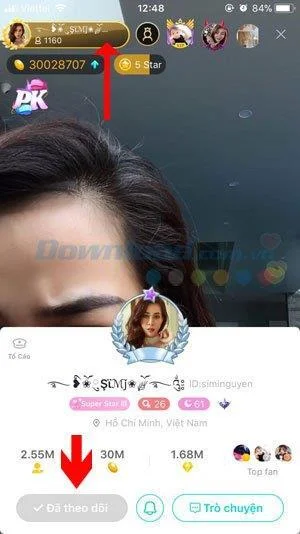
Step 3: After you click on the plus sign you will see that the icon is lost, so that means you have successfully tracked that user, click the X in the upper right corner to go out of the main interface.
If you want to be sure, click on the follower's name, a user information panel will appear at the bottom. If the person is already in the list, the Followed button is checked and is gray.
Step 4: Go out to the main screen, click the bell icon in the upper right corner.
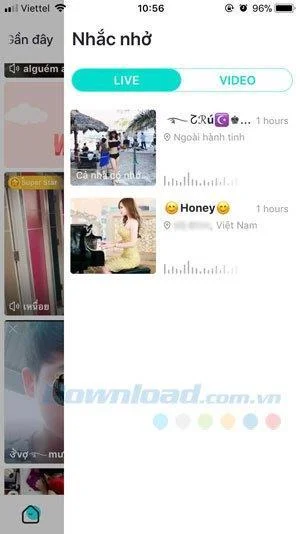
In the reminder you will see the people you have followed.
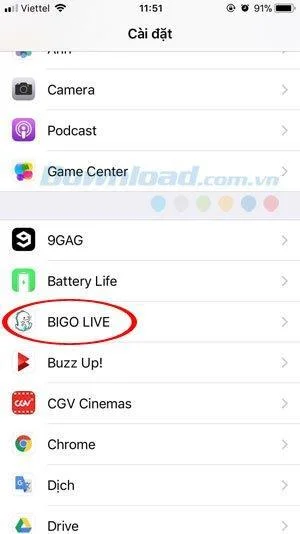
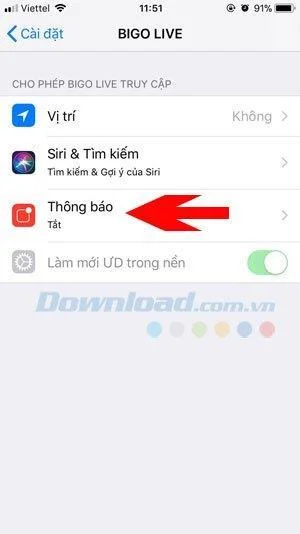
To turn on notifications for people you have followed, go to the Settings app on your device, scroll down to select the BIGO LIVE app. Next, click on it, select Notifications.
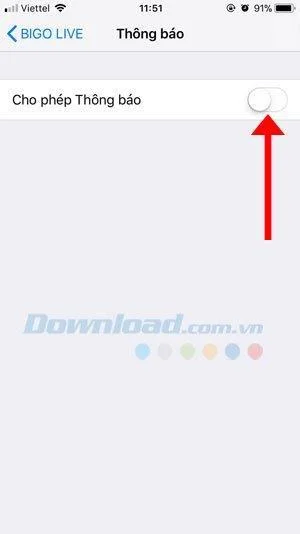
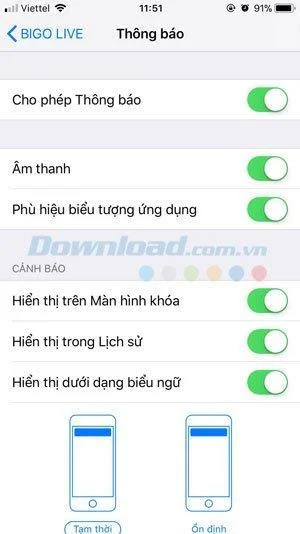
Next, enable the Enable Notifications button, then the option to display the notifications is up to you.
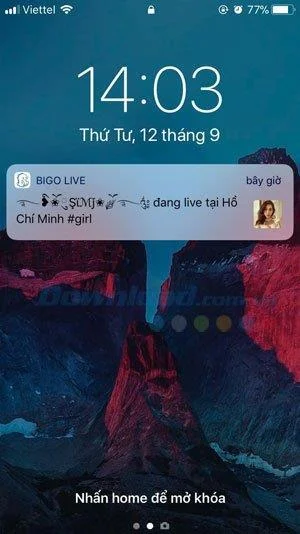
Then if anyone livestream you will receive instant notification.
Above is a guide to follow and make friends on the Bigo Live application, in addition to friends in Vietnam, you can also make friends with many friends around the world. You can also use the Bigo Live application on your computer, through a few software emulators on your computer, refer to the article Installing Bigo Live on computers and laptops to know how to install Bigo Live on your computer computer and laptop offline.
Update new 2021
How to Find Friends on Bigo Live
Learn how to Find Friends on Bigo Live . This is the best method of how to Find your friend's Bigo Live Profile.
For Android:
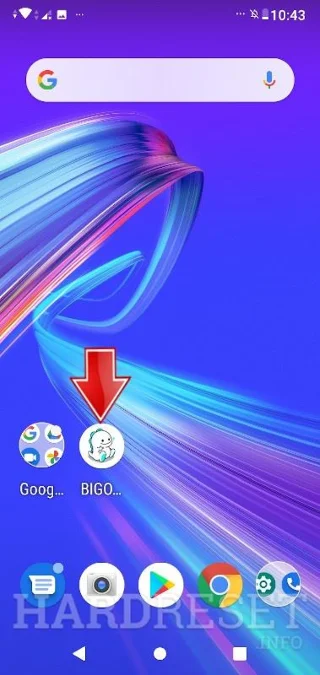
1. First, open the Bigo Live application.
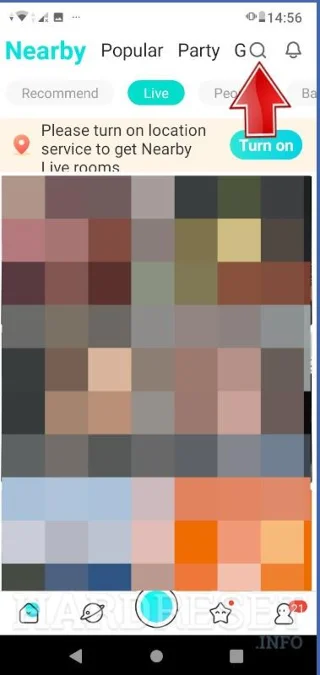
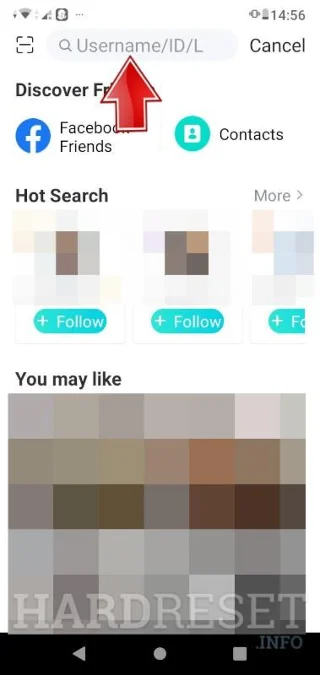
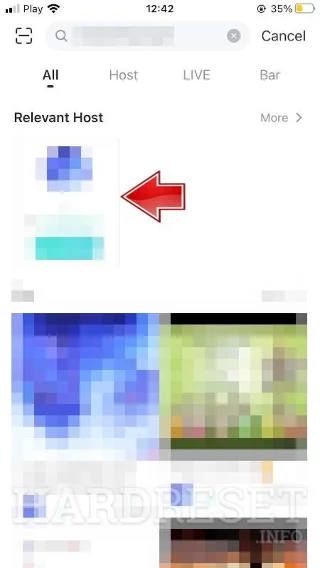
2. Now, tap on the loupe icon at the top.
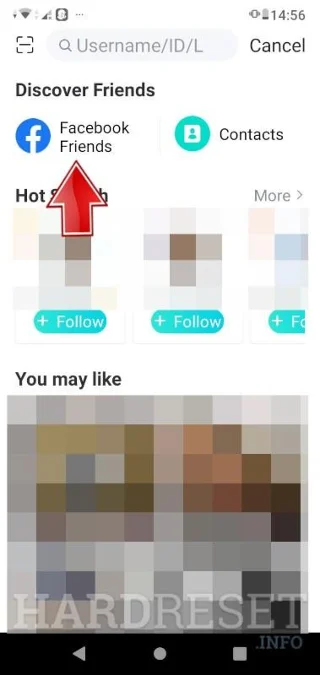
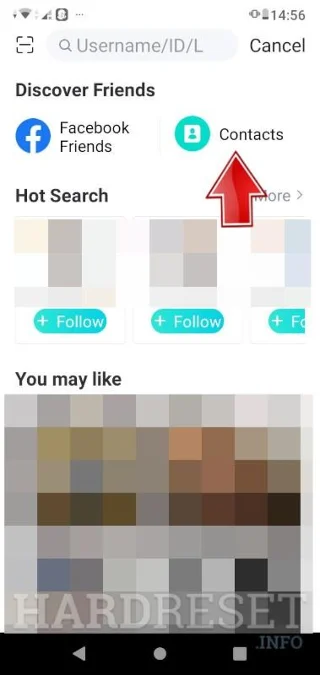
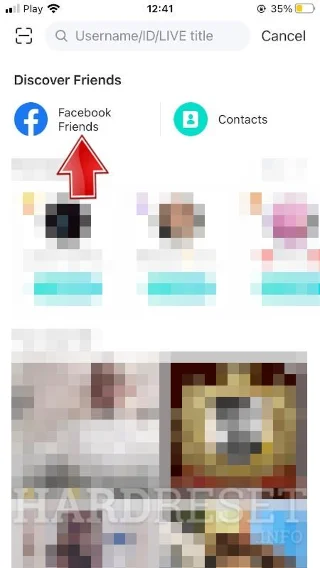
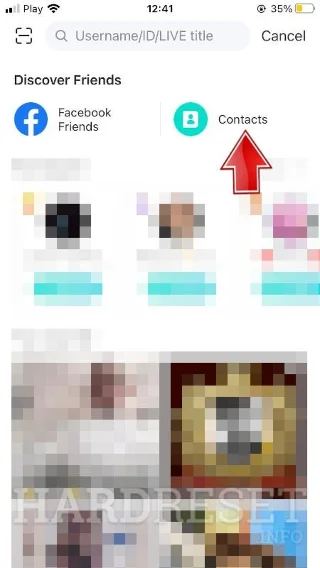
3. Next, you can find friends from Facebook or Contacts.
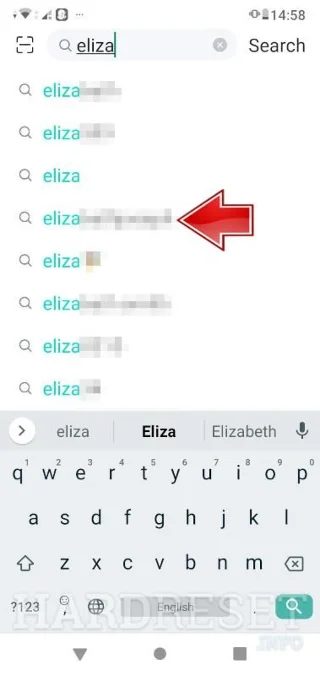
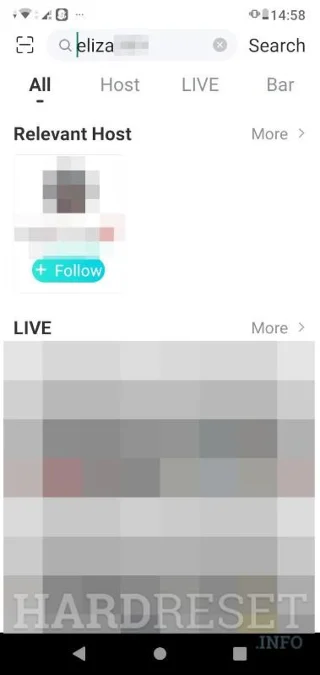
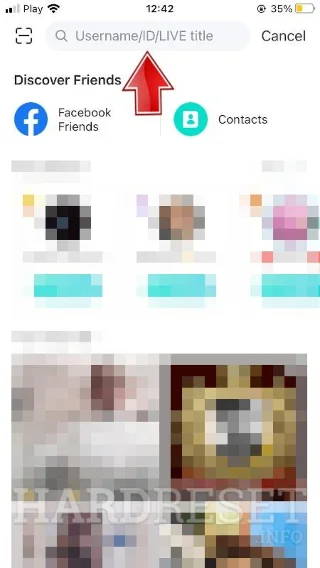
4. You can also find friends on Bigo Live, just click on the text field at the top and enter the username.
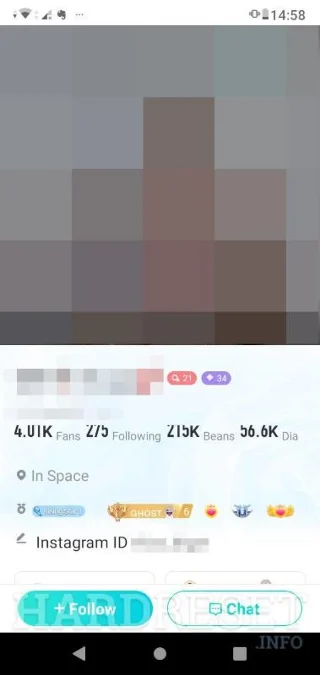
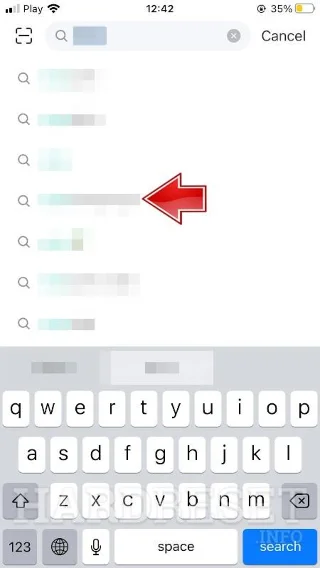
5. Success! You have found the profile on Bigo Live. You can also start following the Bigo Live Profile.
For iOS:
1. In the beginning, open the Bigo Live app.
2. After, click on the loupe icon at the top.
3. Then, you can find friends from Facebook or Contacts.
4. You can also find friends on Bigo Live, just click on the text field at the top and enter the username.
5. Great job! You have found the profile on Bigo Live. You can also start following the Bigo Live Profile.