Make Every New Writer Document Use Your Template
Set a custom LibreOffice Writer template as the default so new documents open with your preferred styles and page layout.
Ever wondered exactly which version of Windows 11 is powering your device? Knowing your Windows 11 version and build number is like having a secret key to troubleshooting, compatibility checks, and staying ahead with the latest updates. Whether you're a tech newbie or a seasoned user, this guide will walk you through the process with crystal-clear steps. Let's dive in and make it effortless! 😊
Before we get to the how-to, let's quickly highlight why this matters. The Windows 11 version tells you about major feature releases, like enhanced security or new AI tools, while the build number pinpoints exact updates, including bug fixes and performance boosts. This info helps you:
Staying informed keeps your system running smoothly and unlocks exciting new features. Ready to check? Let's start with the simplest methods.
The built-in Settings app is your go-to for a quick glance. It's user-friendly and requires no extra tools. Follow these steps:
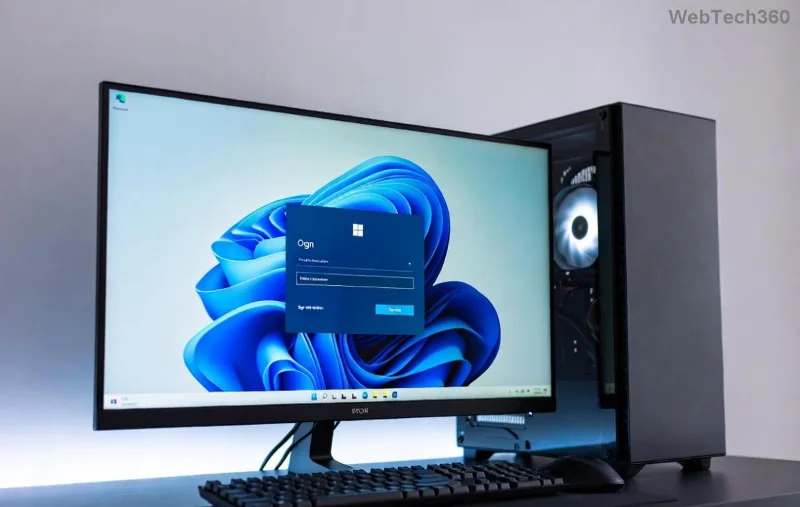
This method is perfect for everyday checks. If you're on a touch device, it's even smoother with the intuitive interface. Pro tip: Note down these details before installing new software to avoid surprises.
If you prefer a command-line approach or need to script this for multiple devices, the Command Prompt or PowerShell shines. It's fast and precise for viewing Windows 11 build number.
winverFor more detailed output, use systeminfo | findstr /B /C:"OS Name" /C:"OS Version" in Command Prompt. This pulls exact info without the dialog box.
Why choose this? It's ideal for remote checks or automation. Feeling empowered yet? Keep reading for visual alternatives that make it even more fun.
For those who love efficiency, the Run dialog is a hidden gem. No menus, just pure speed.
winver and hit Enter. 👍This is my favorite for quick verifications during work sessions. It's like a magic shortcut that saves precious seconds.
Now that you've checked, let's decode the numbers. A typical Windows 11 version looks like 23H2, where "23" is the year, "H2" means the second half. The build number, such as 22631.2506, breaks down to the core build (22631) plus revision updates (2506).
To stay current, head back to Settings > Windows Update to see if newer builds are available. Microsoft rolls out these regularly, enhancing everything from Copilot integration to security.
| Version | Build Example | Highlight |
|---|---|---|
| 22H2 | 22621.XXXX | Initial productivity boosts and snap layouts. |
| 23H2 | 22631.XXXX | AI-powered features like Windows Studio Effects. |
| Latest (24H2) | 26100.XXXX | Advanced security and faster performance. |
This table gives you a snapshot – use it as a reference to gauge your setup. If your build is outdated, updating is straightforward and often brings delightful surprises, like smoother multitasking.
Running into snags? Don't worry – most are easy fixes. If Settings won't open, restart Explorer via Task Manager (Ctrl + Shift + Esc > Processes > Restart Windows Explorer). For command errors, ensure you're running as admin by right-clicking and selecting "Run as administrator."
If your build number seems stuck, check for pending updates or use the Media Creation Tool from Microsoft's site for a refresh. For deeper dives, visit the official Windows Update FAQ. These steps keep things frustration-free and your system humming. 🚀
Checking is just the start – maintaining the latest Windows 11 build ensures peak performance. Enable automatic updates in Settings > Windows Update > Advanced options. Set it to notify for downloads, so you control the timing.
Also, join the Windows Insider Program for early access to previews. It's a thrill for enthusiasts, but stick to the Release Preview channel for stability. With these habits, you'll always be on the cutting edge without the hassle.
Congrats – you're now equipped to effortlessly check and manage your Windows 11 version and build number! This knowledge not only solves immediate needs but opens doors to a more optimized, secure setup. Whether troubleshooting a glitch or prepping for new features, you've got this. Dive back into Settings anytime, and watch your device shine brighter. What's your next tech adventure? Share in the comments below – let's keep the conversation going! 👏
Set a custom LibreOffice Writer template as the default so new documents open with your preferred styles and page layout.
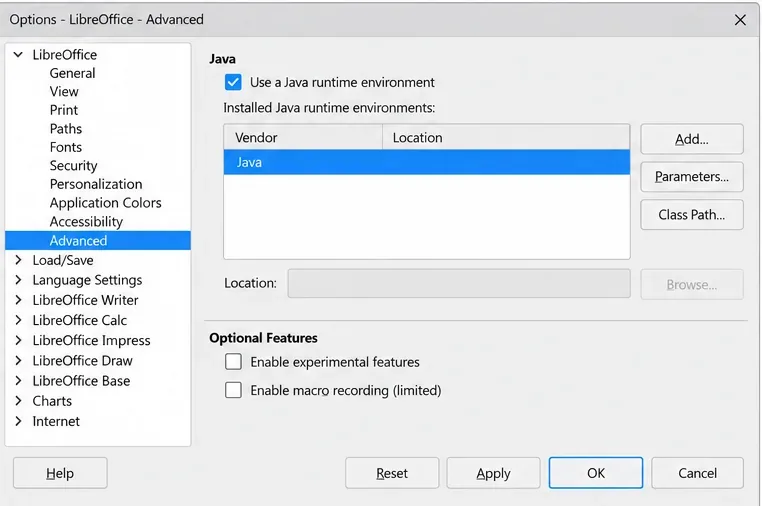
Install a compatible Java runtime, enable it in LibreOffice, and troubleshoot an empty JRE list without changing unrelated settings.
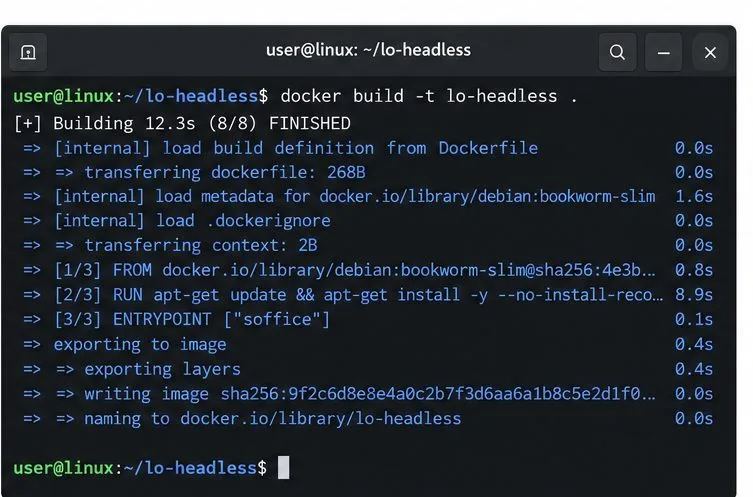
Build a small LibreOffice container, convert office documents without a GUI, and verify PDF output while limiting host-file access.
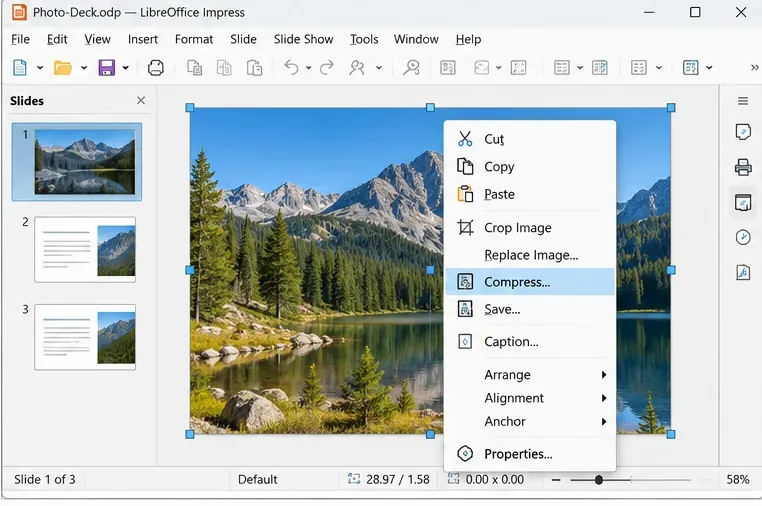
Reduce oversized LibreOffice presentation files by compressing embedded photos, choosing sensible image settings, and checking slide quality before sharing.
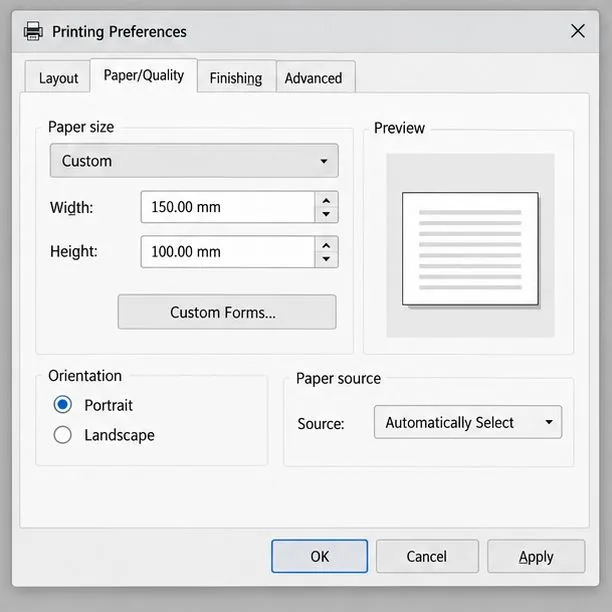
Match LibreOffice’s page dimensions to your printer, check printable margins, and correct scaling before printing a custom-size document.
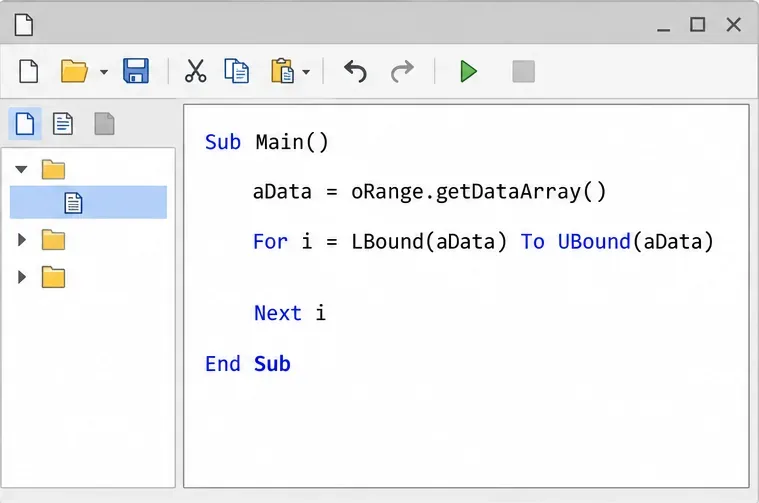
Replace repeated cell access with bulk range reads and writes, then benchmark the result and protect formulas in large Calc workbooks.
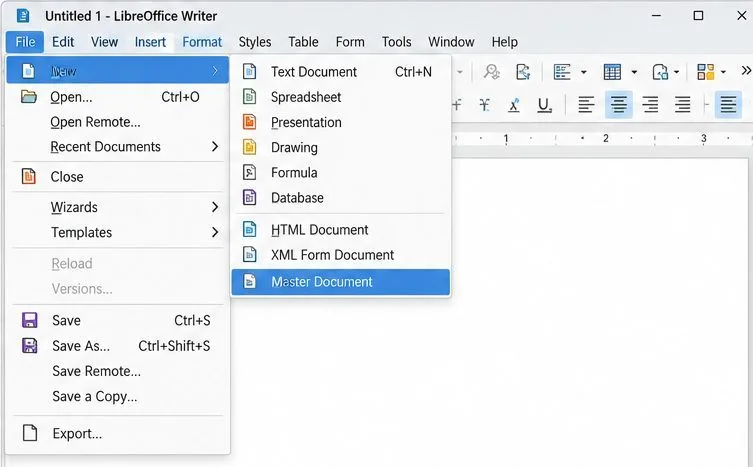
Split a long manuscript into chapters, assemble them in Writer, and keep styles, contents, and export checks consistent.
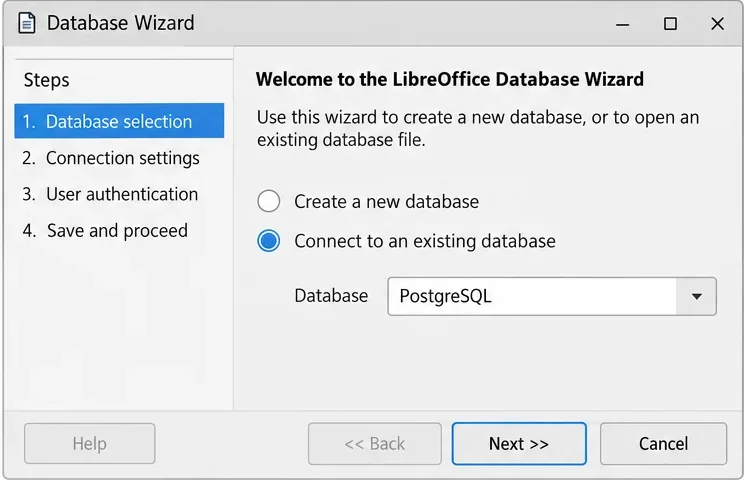
Use Base’s direct PostgreSQL option to enter your server details, sign in, save an ODB connection file, and troubleshoot common access errors.
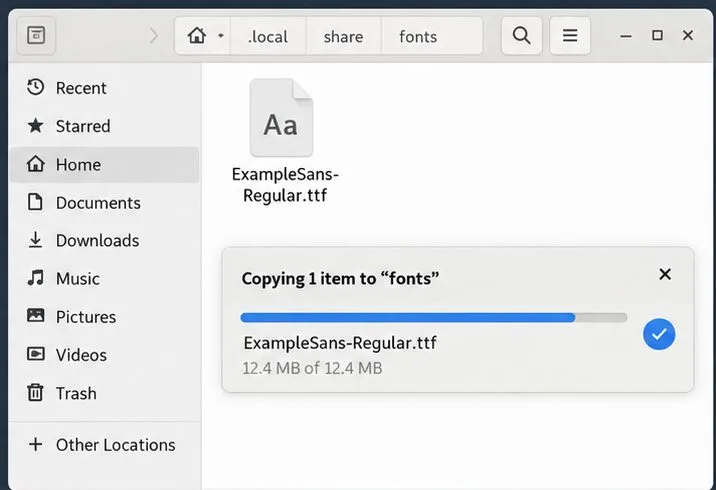
Install a font in your Linux user font folder, restart LibreOffice Flatpak, and confirm it appears in Writer without weakening the app sandbox.
Protect your work and isolate network-drive save crashes in LibreOffice on macOS Sonoma with a local-first workflow, permission checks, and targeted tests.