How to Boil Broccoli
Master how to boil broccoli perfectly every time with this step-by-step guide. Learn exact timing and techniques for tender, vibrant, nutrient-rich results.
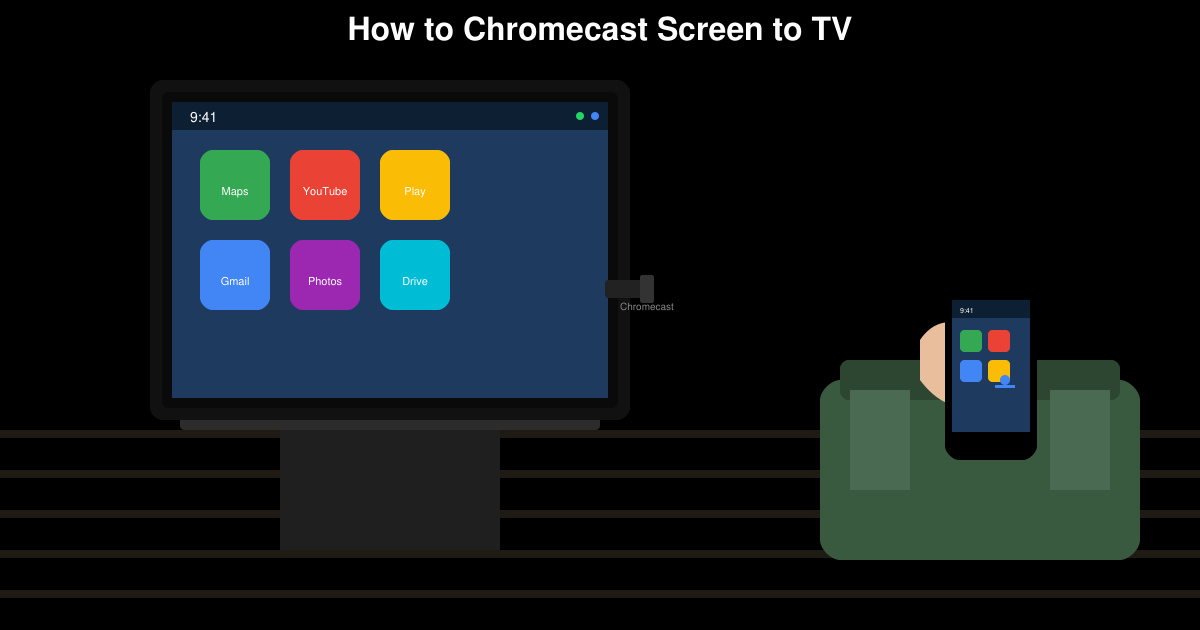
Want to display your smartphone or laptop screen on a larger display? How to Chromecast screen to TV works smoothly with a Google Chromecast device and the right settings on your source device. This guide walks you through the exact process for Android, Windows, and ChromeOS so you can start mirroring quickly and reliably.
Make sure your Chromecast is plugged into an HDMI port on your TV and connected to the same Wi-Fi network as your phone or computer. Update the Google Home app on your phone and ensure your Chromecast firmware is current through the app. Your source device must also run a supported operating system with screen mirroring enabled in its settings.
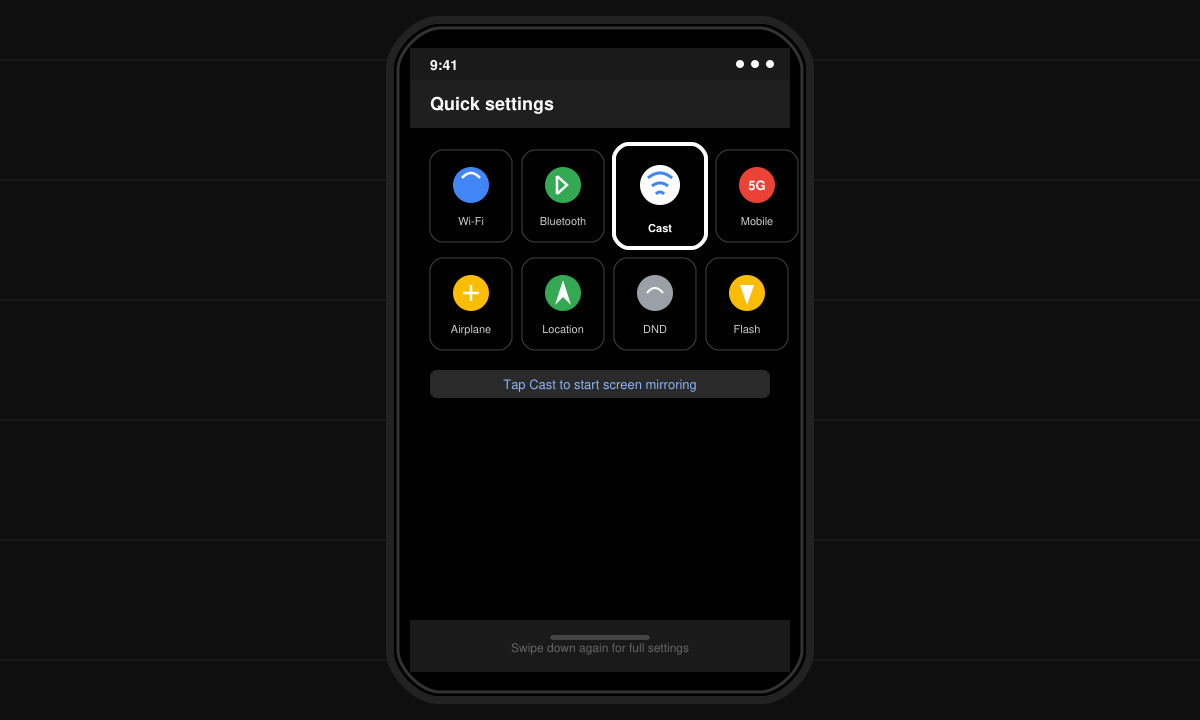
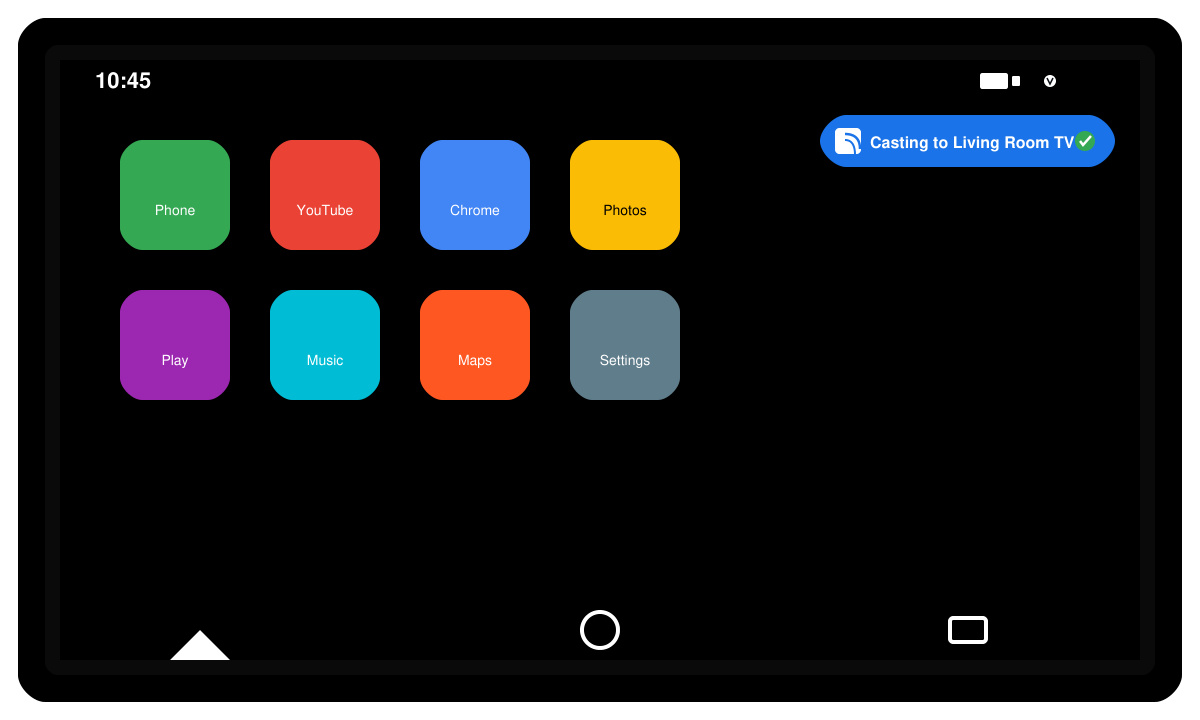
Swipe down twice from the top of your Android screen to open the full Quick Settings panel. Tap the tile labeled Cast, Smart View, or Screen Cast depending on your device brand. Select your Chromecast device from the list that appears.
After tapping your Chromecast, wait for the TV to show a connection confirmation code if prompted. Your phone screen should now appear on the TV. Rotate your phone to landscape if you want a wider view for videos or apps.
Return to Quick Settings and tap the Cast tile again, then choose Disconnect or Stop Casting. The TV will return to its previous input source automatically.
On a Windows laptop, open the Chrome browser and click the three-dot menu, then choose Cast. Select your Chromecast and change the source from a single tab to Desktop to mirror the entire screen. ChromeOS users follow the same menu path inside Chrome or use the built-in Cast icon in the system tray for faster access.
Native screen mirroring from iPhone requires an Apple TV. You can cast specific apps that support Chromecast, but full screen mirroring needs a third-party receiver app on the Chromecast or an adapter.
Only Chromecast Ultra and newer Google TV devices support 4K output. Your source device must also output at 4K resolution and be connected to a 5 GHz network for stable performance.
Some DRM-protected content such as Netflix or banking apps blocks video mirroring. Play non-protected video or use the app’s built-in cast button instead of full screen mirroring.
Once your Chromecast is set up, how to Chromecast screen to TV takes less than a minute on most Android and Windows devices. Keep your firmware updated and both devices on the same network for the most reliable experience.
Master how to boil broccoli perfectly every time with this step-by-step guide. Learn exact timing and techniques for tender, vibrant, nutrient-rich results.
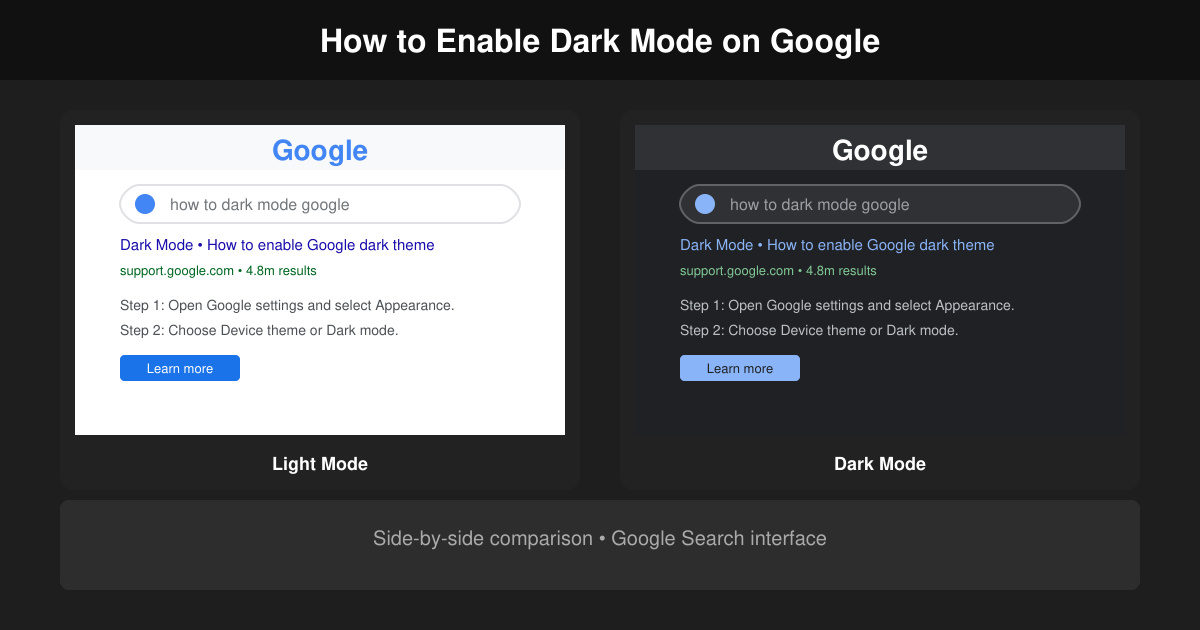
Learn how to dark mode on Google across Search, Chrome and apps to cut eye strain at night. This guide shows the exact settings to enable Google dark theme in under a minute.
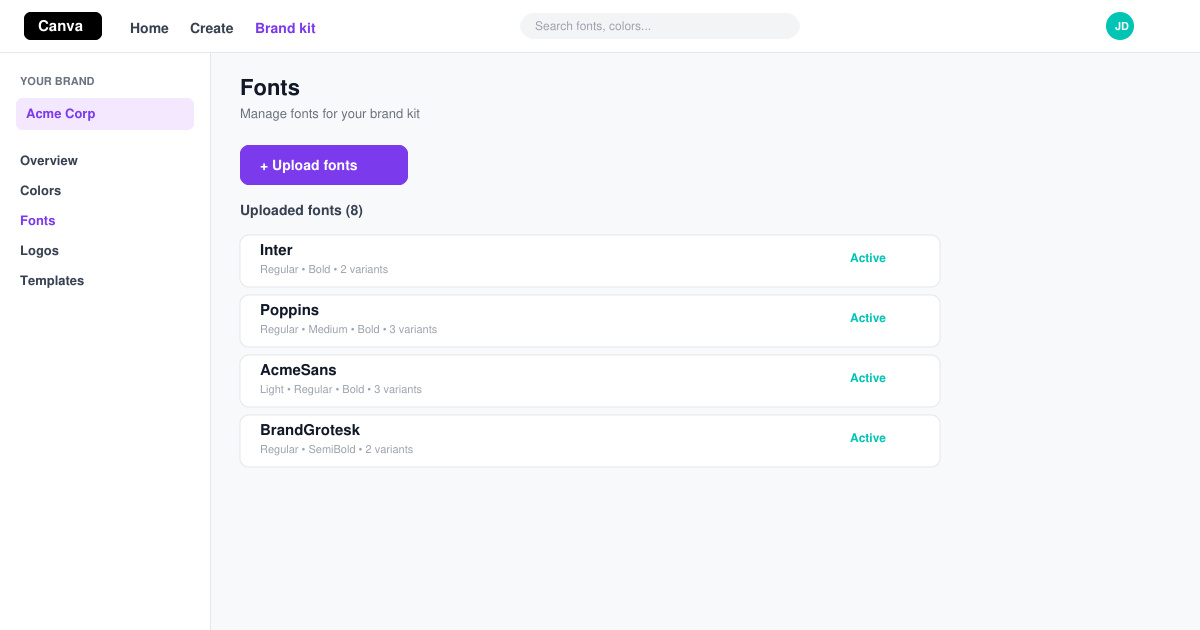
Learn exactly how to add font to Canva with this step-by-step guide. Upload custom fonts through Brand Kit to use them across all your designs in minutes.
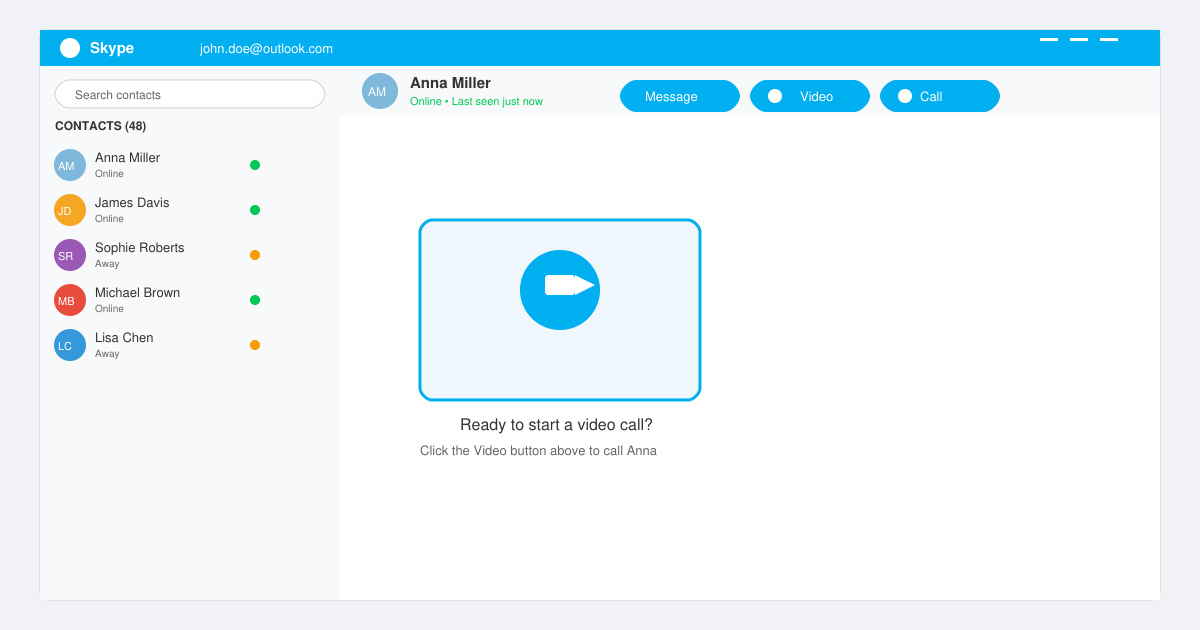
How to Use Skype for free video calls, messaging, and screen sharing. Follow this complete guide to install the app, set up your account, and start communicating in minutes.
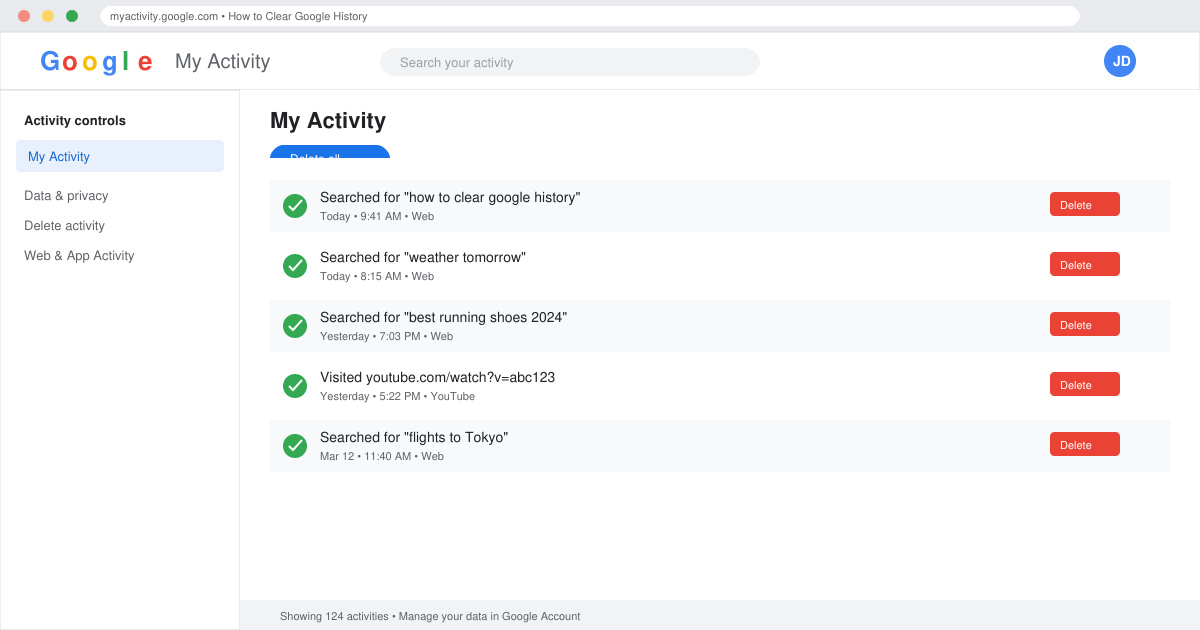
Learn how to clear Google history quickly to protect your privacy. This step-by-step guide shows you how to delete search activity from your Google account on any device.
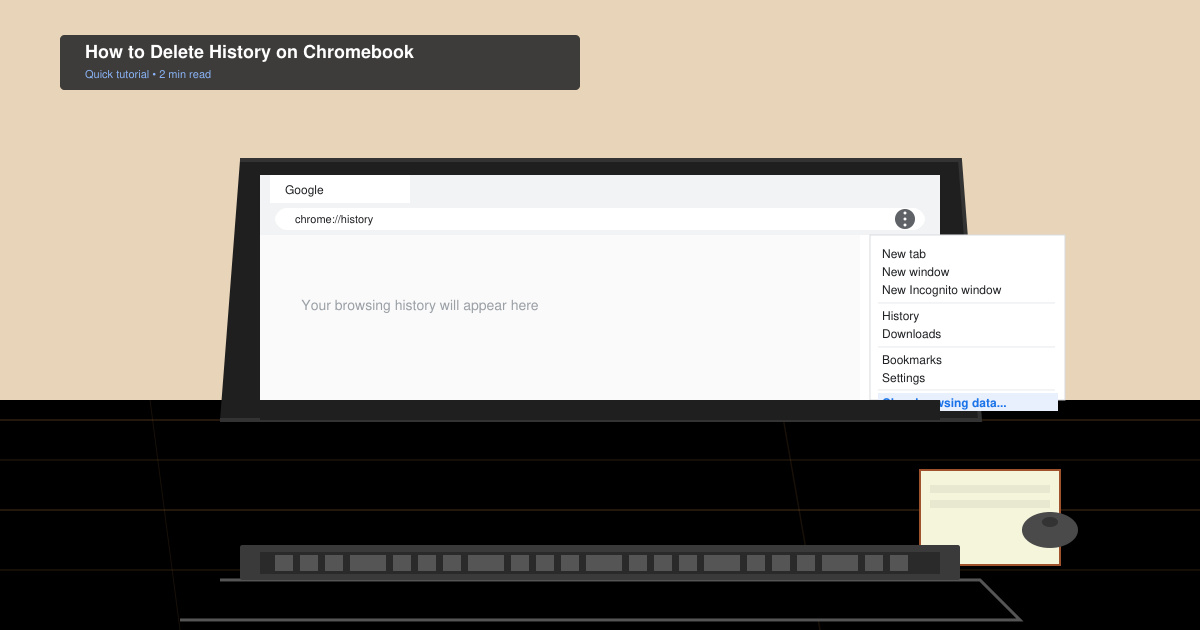
Learn exactly how to delete history on Chromebook to protect your privacy. Follow these precise steps to clear browsing data, cookies, and cached files on your device.
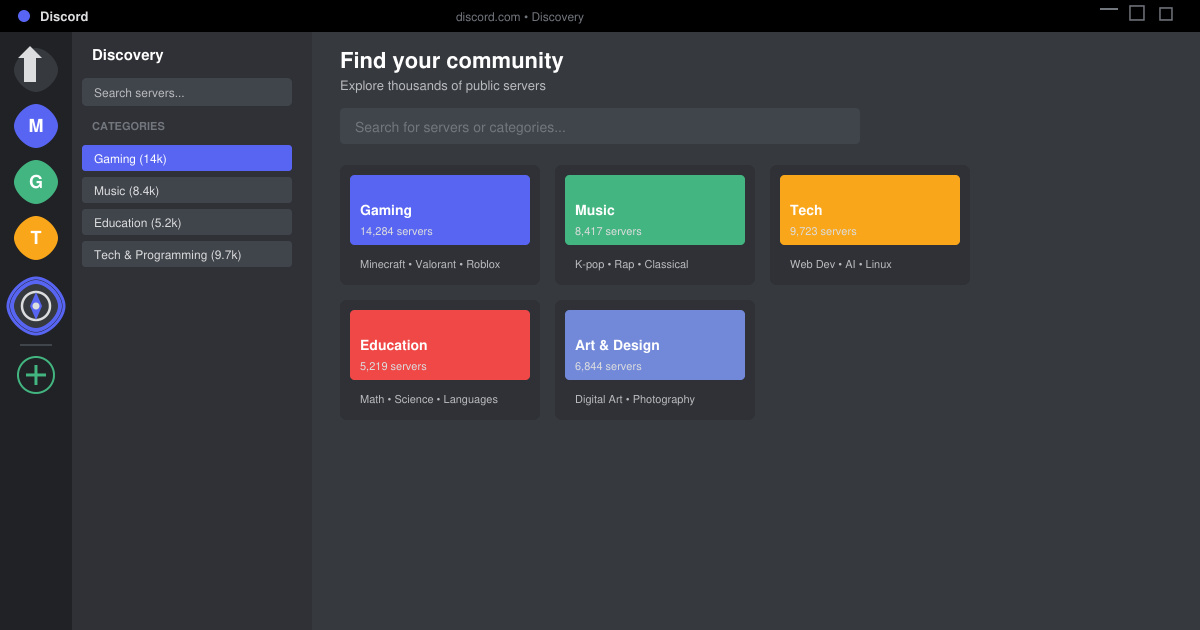
Learn how to find a server on Discord with this clear walkthrough of the built-in Discovery tool and other reliable methods. Join active communities fast.
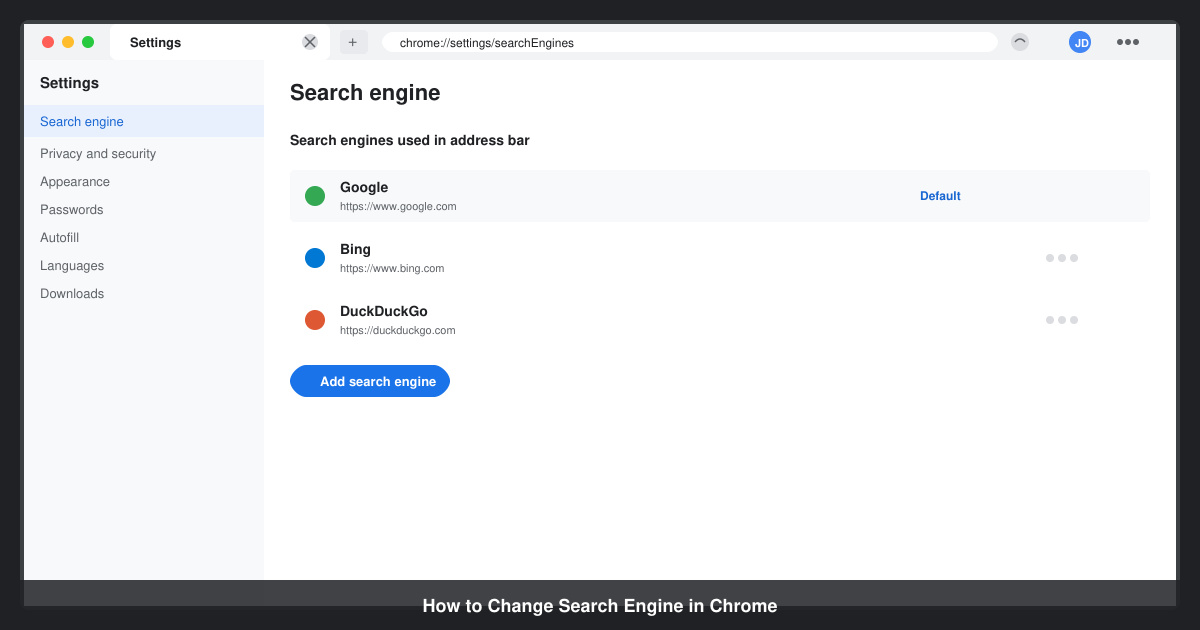
How to Change Search Engine in Chrome takes just a few clicks in Settings. Switch your default provider to Google, Bing, DuckDuckGo or another option and improve search results instantly.
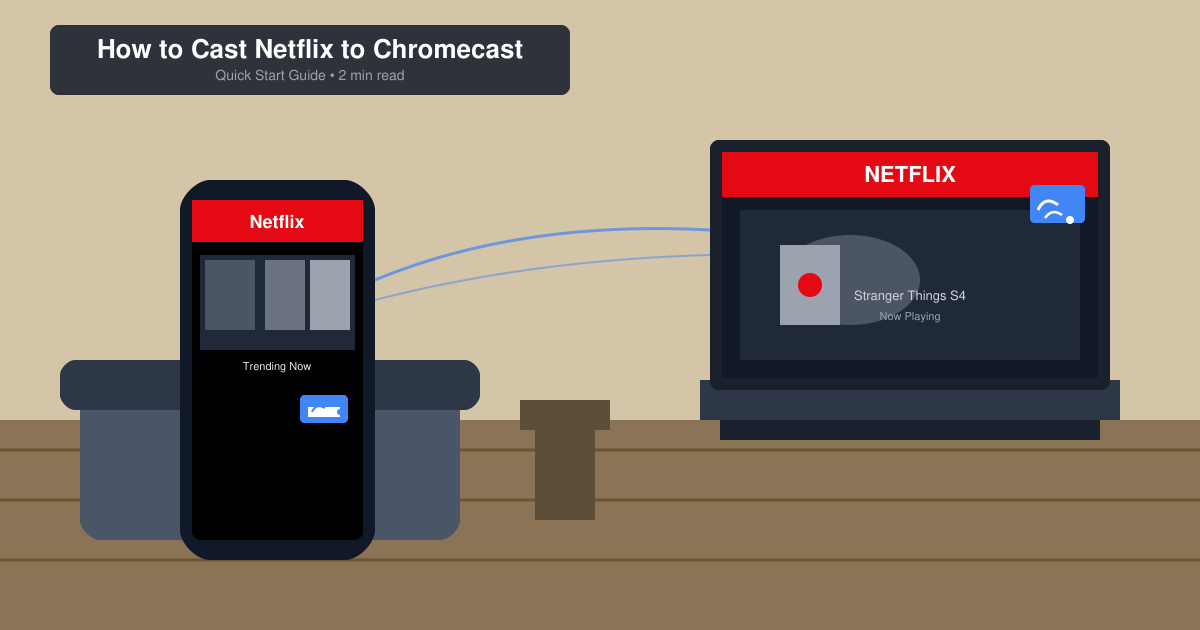
Learn exactly how to cast Netflix to Chromecast from your phone or computer. Follow these steps to stream movies and shows to your TV in minutes.
Learn exactly how to set Google as your homepage on Chrome in under a minute. Follow the precise steps in Chrome Settings to make google.com load when you click the home button.