How to Wash Suede Safely: What to Do Instead of Soaking It
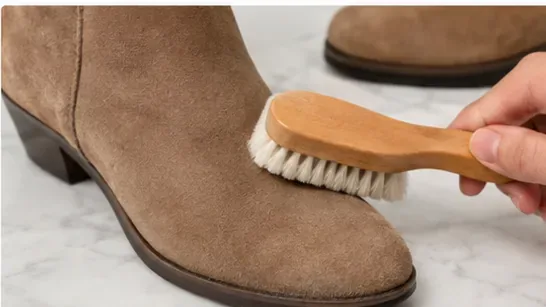
Learn how to clean suede safely without machine washing or soaking it, including brushing, stain removal, air-drying, and suede protection.
A bidet nozzle usually needs less aggressive cleaning than people expect. For many electric bidet seats, the safest routine is to use the built-in nozzle-cleaning mode, extend the wand without sitting on the seat, wipe it gently with a soft wet cloth, and use a soft brush only when residue remains. The important catch is that the exact extension, power, cleaning-agent, and filter procedures vary by model.
Manufacturer instructions reviewed on September 12, 2026 support that cautious approach. A current TOTO K300 WASHLET manual instructs users to extend the wand in its cleaning mode and wipe it with a soft wet cloth without pulling, pushing, or pressing the wand excessively. Brondell says its self-cleaning wands still need manual cleaning with a soft brush monthly or as needed. Kohler likewise directs users to put the wand into its cleaning position and use gentle cleaning methods rather than treating every chemical as universally compatible.
Practical takeaway: Start with water, a soft cloth, and the cleaning function your bidet already provides. Add a brush or cleaner only when your exact owner’s manual allows it.
Avoid starting with bleach, strong bathroom cleaner, abrasive powder, a scouring pad, or a sharp pin. Manufacturers repeatedly warn that aggressive cleaners or excessive force can damage plastic parts, finishes, seals, or the wand mechanism. Action: Put the harsh chemicals and abrasive tools aside until you have confirmed they are approved for your model.
Electric bidet seats do not all behave the same way. Some models have a dedicated “Wand Cleaning” or “Nozzle Cleaning” button. Others require holding a button for several seconds. Some run an automatic rinse and then leave the nozzle extended for manual cleaning; others retract automatically after a few minutes. Seat sensors may also prevent the function from operating while the seat is occupied.
Power instructions can also differ. A cleaning mode obviously needs power to move the nozzle, while some manuals tell you to unplug the unit for other maintenance tasks. That is why a generic rule such as “always unplug first” can be wrong for the nozzle-extension step on some models. Action: Look up the exact nozzle-cleaning section in your manual and follow its sequence rather than forcing the wand out by hand.
For examples of model-specific procedures, see the TOTO K300 WASHLET instruction manual and the Brondell T66 owner’s manual.
Raise the lid and seat if your manual directs you to do so, keep your hands dry around the plug and electrical controls, and make sure nobody is sitting on the seat. On many bidets, the seat sensor changes what the nozzle is allowed to do. Brondell’s T66 manual, for example, states that its nozzle-cleaning function will not operate when the seat is occupied or when the seat sensor is overridden.
Verified: Bidet electronics and water should be handled according to the manufacturer’s maintenance sequence, and the wand should not be forced into position. Action: Clear the seat, read the cleaning-mode instructions, and keep water away from the main electrical housing.
Activate the manufacturer-provided cleaning mode. A TOTO K300, for example, extends the wand through its “Wand cleaning” control and automatically retracts after about five minutes if the user does nothing. Brondell’s T66 offers both a regular self-clean cycle and an intensive mode that leaves the nozzle extended for manual cleaning. Those are examples, not universal button sequences.
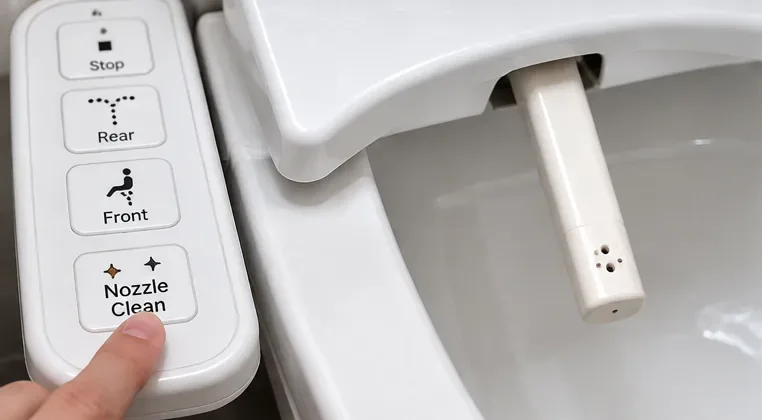
Situational: The button name, hold time, rinse cycle, and automatic retraction time depend on the product. Action: If your nozzle does not extend, stop and recheck the manual instead of pulling on it.
Gently wipe the exposed wand from the housing toward the tip. Rotate the cloth rather than twisting the nozzle. Pay attention to visible residue around the spray openings, but do not press the wand sideways or bend it. TOTO specifically warns against pulling, pushing, or pressing the wand with excessive force.
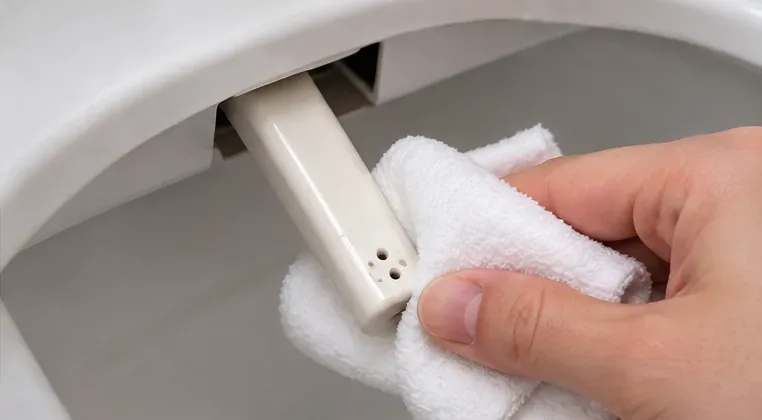
Verified: A soft wet cloth is a manufacturer-supported cleaning method for multiple bidet families. Action: Use light pressure and several passes instead of trying to scrub the nozzle aggressively in one pass.
If buildup remains and your manufacturer permits brushing, use a soft-bristled toothbrush. Work gently around the spray holes and the end of the nozzle. Brondell recommends soft-brush cleaning of Swash nozzles monthly or as needed, and the T66 manual specifically allows a soft cloth or toothbrush during its intensive cleaning mode.
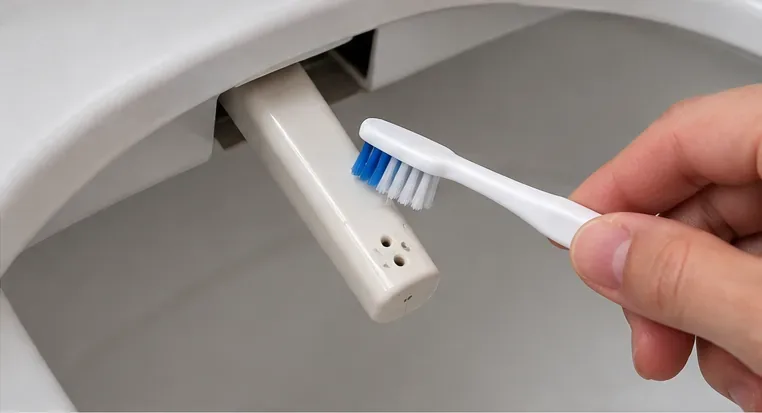
What is not established as a universal method: Pushing a needle, pin, toothpick, or metal pick into the spray holes. The current manufacturer instructions reviewed for this guide do not establish that as a general cleaning technique, and inserting a hard object can risk enlarging or damaging a small opening. Action: Use a soft brush unless your exact manual explicitly provides a different unclogging procedure.
After manual cleaning, use the model’s rinse, stop, or nozzle-cleaning control to let the unit rinse and retract the wand. Some products perform an automatic rinse before retracting. Do not manually shove the nozzle back into its housing.
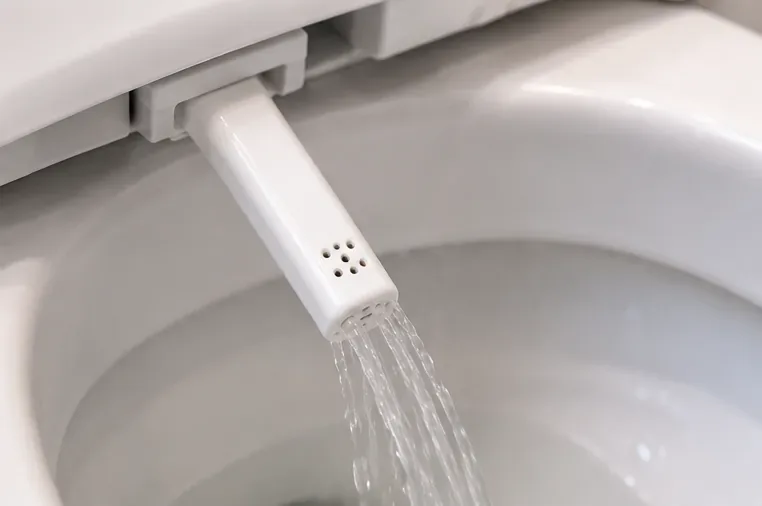
When the cycle is complete, test the bidet according to its normal instructions. Look for an even spray, normal extension and retraction, and no leaks around the supply connection. Action: If the spray is still weak or uneven, move to filter and mineral-buildup troubleshooting rather than repeatedly scrubbing the nozzle.
Yes, on at least some major bidet families. “Self-cleaning” usually describes a rinse or sanitation feature around the wand; it does not automatically mean that no mineral film, surface residue, or scale can ever accumulate. Brondell explicitly says that although its Swash wands are self-cleaning, the nozzles should still be cleaned with a soft brush monthly or as needed.
TOTO’s K300 manual similarly includes a monthly wand-cleaning procedure even though the product has an automatic wand-clean function. Action: Use self-cleaning routinely, but inspect the nozzle and perform the manual procedure at the interval recommended by your model.
See Brondell’s current Swash Electric Bidet FAQs for its maintenance guidance.
There is no good basis for treating either one as a universal bidet-nozzle cleaner. Bidet materials differ, and manufacturer chemical restrictions differ. Brondell tells users not to use strong chemicals on Swash products and its T66 manual warns against acidic chemicals and several other aggressive cleaners on the seat assembly. TOTO directs users toward water and, for certain plastic surfaces, diluted neutral detergent while warning against several harsh cleaners. Kohler’s care guidance also emphasizes manufacturer-compatible cleaning rather than a one-chemical-fits-all rule.
Situational: A specific product manual may authorize a particular cleaner for a particular part. That permission does not automatically transfer to another brand, another model, or the internal nozzle mechanism. Action: Do not soak the nozzle in vinegar or apply bleach unless your exact manual explicitly permits that method for the nozzle itself.
For brand-specific care information, consult Kohler’s bidet-seat care guidance.
A dirty nozzle is only one possible cause. Reduced flow can also come from a clogged inlet or mesh filter, a partially closed shutoff valve, low household water pressure, or mineral deposits elsewhere in the water path. Brondell notes that hard water can shorten product life through deposit formation and recommends regular filter maintenance. Its T66 manual tells users to shut off the water before removing and brushing the mesh filter under running water.
Verified: Filter restriction can reduce water delivery, and filter service requires a different procedure from wiping the nozzle. Action: If a clean nozzle still sprays weakly, check the water-supply and filter section of your manual before assuming the nozzle holes need to be enlarged or probed.
If you service a filter, close the water shutoff valve first and follow the manufacturer’s depressurizing and reconnection steps. After reassembly, inspect the hose and connections for leaks before normal use.
A monthly check is a reasonable reference point for several electric bidets, but it is not a universal rule. TOTO’s K300 manual labels wand cleaning as approximately monthly, and Brondell recommends monthly or as-needed nozzle cleaning for Swash models. Water hardness, frequency of use, bathroom conditions, and the design of the self-cleaning system can change the practical interval.
Situational: A lightly used bidet with soft water may need little manual attention, while hard-water deposits or visible residue can justify more frequent inspection. Action: Use the interval in your owner’s manual as the baseline and clean sooner when you see buildup, smell an unusual odor, or notice a change in spray quality.
| Claim | What the evidence supports | What to do |
|---|---|---|
| “Self-cleaning means I never need to touch the nozzle.” | Not generally. Major manufacturers still publish manual wand-cleaning procedures. | Run self-cleaning normally and inspect or manually clean at the recommended interval. |
| “Vinegar is always the safest descaler.” | Not established across bidet models; chemical compatibility varies. | Use water first and only use a descaling agent if the nozzle instructions specifically allow it. |
| “Bleach is better because the nozzle needs disinfecting.” | Strong chemicals can damage some bidet materials, and manufacturers do not recommend bleach as a universal nozzle-cleaning step. | Follow the model’s sanitation or cleaning cycle and approved cleaner list. |
| “Weak pressure proves the nozzle holes are clogged.” | No. The inlet filter, supply valve, household pressure, or mineral deposits elsewhere can also reduce flow. | Check the filter and water supply if wiping the nozzle does not restore performance. |
| “A pin is the fastest way to open a blocked jet.” | No universal manufacturer procedure reviewed here supports that shortcut. | Use a soft brush and obtain model-specific service guidance for a persistent blockage. |
Stop the DIY cleaning process if the nozzle will not extend or retract normally, the wand is cracked or visibly bent, water leaks from the body of the seat, the unit makes an abnormal sound, or the spray remains severely restricted after the approved nozzle and filter procedures. Those symptoms can indicate a mechanical, valve, pump, sensor, or internal water-path problem that surface cleaning will not solve.
Action: Turn off the water supply if there is a leak, disconnect power when your safety instructions call for it, and use the manufacturer’s troubleshooting or service channel. Do not disassemble the internal bidet mechanism unless the service documentation specifically authorizes it.
For most owners, the useful routine is straightforward: use the built-in cleaning mode, let the nozzle extend by itself, wipe with a soft wet cloth, gently brush stubborn surface residue if the manual permits it, then run the rinse and allow the wand to retract. If performance is still poor, inspect the inlet filter and water supply rather than attacking the spray holes with chemicals or sharp tools.
The parts that are well verified are the value of gentle manual cleaning, model-specific cleaning modes, and periodic filter maintenance. The parts that depend on circumstances are the cleaning interval and which mild cleaner, if any, is compatible. What is not safely universal is a home-remedy recipe involving vinegar, bleach, soaking, or probing the jets. Action: Treat the owner’s manual for your exact bidet as the final authority whenever it differs from generic advice.
Learn how to clean suede safely without machine washing or soaking it, including brushing, stain removal, air-drying, and suede protection.
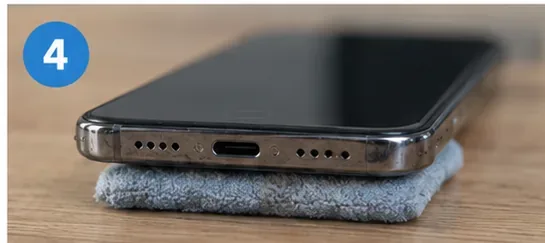
Learn how to dry a wet phone charger port safely, compare air-drying, wireless charging, emergency overrides, and service, and avoid heat, rice, and objects.
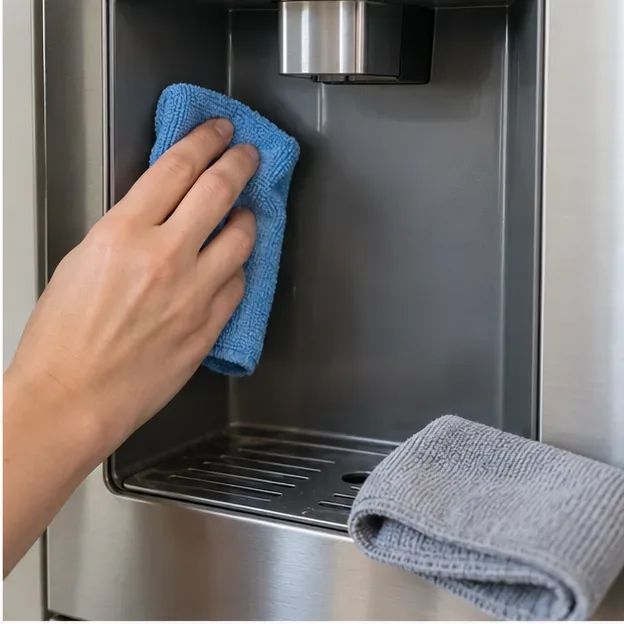
Clean a refrigerator water dispenser safely with mild soap, careful nozzle cleaning, mineral-scale removal, drying, and filter checks.
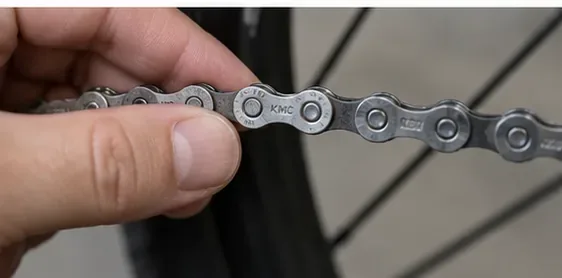
Learn how to take a bike chain off safely, whether it uses a quick link or rivet, plus which tools to use and when a connector must be replaced.
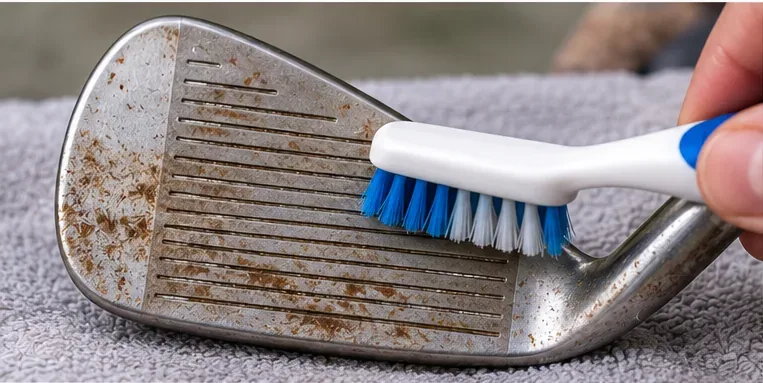
Learn how to remove rust from golf clubs safely, starting with soap and a soft brush, when to stop, and how raw wedges differ from plated irons.
How to Use Google Lens on Chromebook lets you scan objects, translate text, and solve problems directly from your device. Follow these steps to get started quickly.
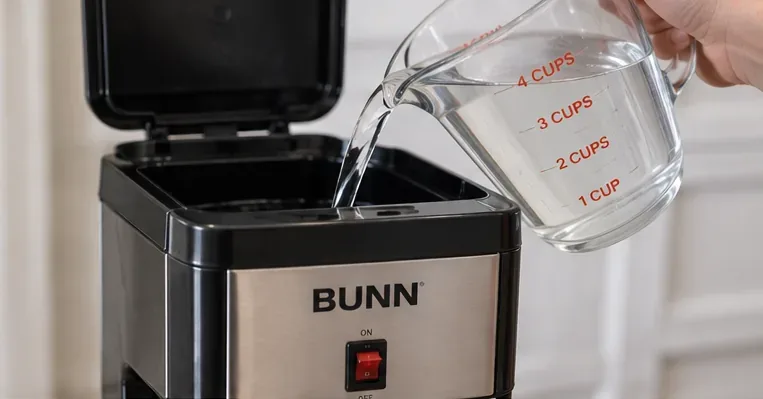
Clean a BUNN coffee maker with vinegar safely using the verified Heat N Brew method, plus model checks, sprayhead care, flushing steps, and mistakes to avoid.
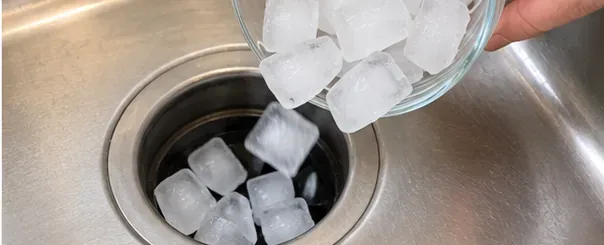
Learn how to clean a garbage disposal with ice, compare cold-water, citrus, and deeper-clean options, and know when ice is not enough.
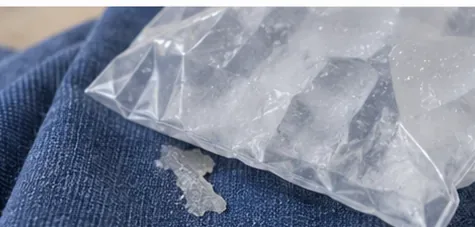
Learn how to remove school glue, super glue, hot glue, and adhesive residue from clothes safely, with fabric-specific steps and solvent cautions.
Learn how to wash a wool coat safely by following its care label, choosing a wool-safe detergent, washing gently, and drying without shrinking or distortion.