How to Wash Suede Safely: What to Do Instead of Soaking It
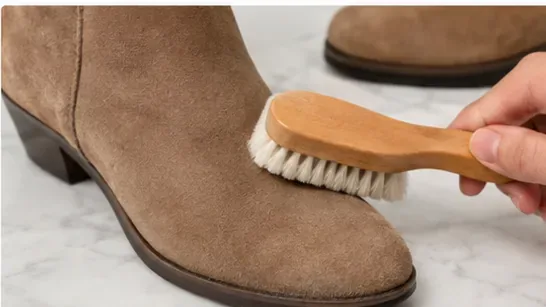
Learn how to clean suede safely without machine washing or soaking it, including brushing, stain removal, air-drying, and suede protection.
If you have a BUNN Heat N Brew (HB), BUNN's official care instructions provide a vinegar-cleaning method: remove and clean the sprayhead, add a solution of 25 ounces of water plus 25 ounces of white vinegar, run it through the brewer, then flush the machine with three or more full carafes of fresh water. That is the most important answer for a beginner.
But do not assume the same vinegar procedure applies to every BUNN machine. BUNN's current home lineup includes different product families, and its current Speed Brew support directs owners to clean the sprayhead and sprayhead tube with the model's maintenance procedure and deliming tool. I could verify the vinegar-tank procedure in the Heat N Brew manual, but I could not verify that the current Speed Brew manual approves that same reservoir-vinegar method. Start by identifying your model.
Look for the model name or number on the brewer's label, base, back, or manual. BUNN's official Product Manuals page lets you search current and discontinued models.
If your machine is a Heat N Brew, model HB, the vinegar process below is directly supported by BUNN's Heat N Brew care and cleaning instructions. If you have a Speed Brew such as CSB1, CSB2G, CSB2B, CSB3T, GRB, GRW, SB, NHS, BX, or BT, use BUNN's current Speed Brew support page and the manual for your exact machine instead of automatically pouring vinegar into the reservoir.
Deliming means removing mineral deposits, often called limescale, that accumulate as water is heated. Hard water can leave white flakes or deposits in the sprayhead and water pathway. Cleaning coffee oils from the carafe is a different job from deliming the internal water system.
BUNN's instructions call for white vinegar. They do not tell you to substitute apple cider vinegar, flavored vinegar, bleach, or a random household acid. For a first cleaning, use the ingredient and proportions the manual actually specifies.
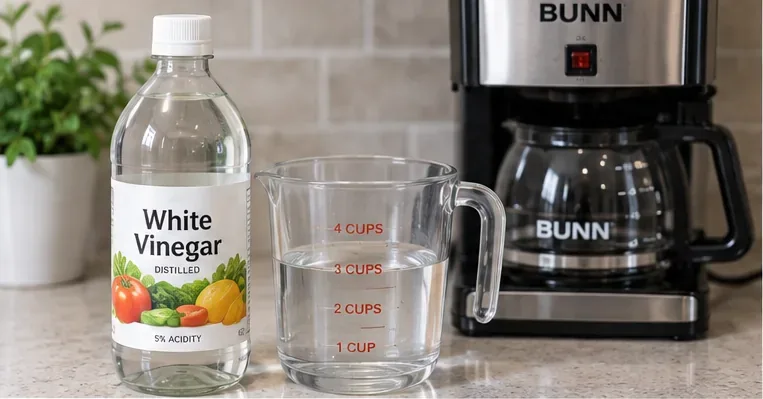
Let the brewer cool enough to handle safely, then remove the sprayhead—the part above the brew funnel that distributes hot water over the coffee grounds—by turning it with your fingertips, as directed in the Heat N Brew manual.
Inspect the holes for mineral deposits or white flakes. BUNN says you can use a toothpick to clear plugged openings. Clean the sprayhead with a cloth and mild detergent, then rinse it with water.
Slide the empty brew funnel back into its guides under the sprayhead location. The vinegar cycle is a cleaning cycle, so there should be no coffee grounds and no paper filter full of coffee in the funnel.
For beginners, this step prevents a common misunderstanding: vinegar in the tank does not replace physical inspection of a clogged sprayhead. If the sprayhead holes are visibly blocked, deal with that obstruction as BUNN instructs.
Open the flip lid on top of the Heat N Brew. Add 25 ounces of water and 25 ounces of white vinegar, for a total of 50 ounces. Close the flip lid and put the empty carafe on the base warmer plate.
BUNN says to let the solution sit for a few minutes before starting the brew cycle. Then press the Brew button so the vinegar solution runs through the internal water path and into the carafe.
Do not change the ratio just because the machine looks dirty. The official routine method is equal parts water and white vinegar. BUNN does document a stronger 50-ounce, 100% white-vinegar procedure for a stronger clean, but that method also includes a timed heat-and-pause sequence. It should be treated as the manufacturer's specific stronger-clean option, not as permission to improvise stronger acids or longer soaks.
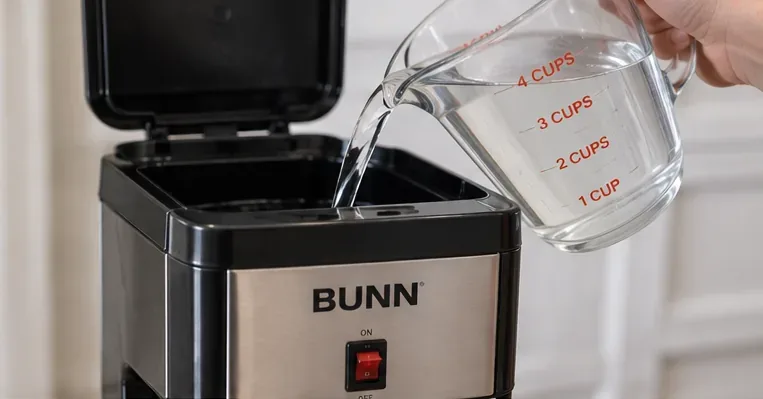
When the vinegar brew cycle finishes, empty the carafe. Then refill the brewer with a full carafe of fresh water and run a water-only cycle. Repeat until you have completed at least three full fresh-water cycles.
This rinse count matters. BUNN's Heat N Brew instructions say “3 or more” cycles, not one quick rinse. The purpose is to flush the vinegar solution out of the internal system before you brew coffee again.
If you still notice a vinegar odor after the third full rinse, continue flushing with fresh water. The manufacturer's wording allows more than three cycles, so there is no need to stop at exactly three if vinegar remains detectable.
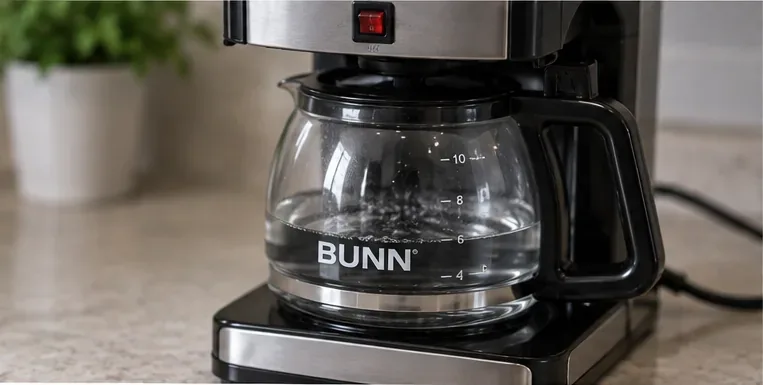
After the fresh-water flushes, reinstall the cleaned sprayhead. On the Heat N Brew model covered by BUNN's manual, the CLEAN indicator can be reset by pressing and holding the H and M buttons for five seconds.
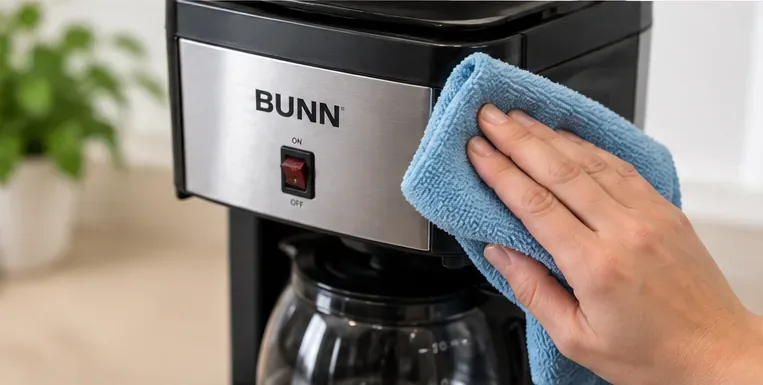
Routine cleaning is separate from internal descaling. BUNN says the brew funnel and glass carafe should be washed after each use, and both are top-rack dishwasher safe for the Heat N Brew covered by this manual. The exterior, including the area above the funnel, can be wiped occasionally with a damp cloth and a mild, non-citrus detergent.
Do not immerse the brewer's electrical body in water. Wipe the exterior rather than treating the entire machine like a washable kitchen container.
BUNN's Heat N Brew manual says to clean the internal system at least every three months or whenever the digital display shows CLEAN after a brew cycle. It also says that higher mineral content in your water can require more frequent cleaning.
That means a fixed calendar is only a baseline. If you have hard water, mineral deposits can build more quickly. A CLEAN indicator, visible white flakes around the sprayhead, or the maintenance interval in your exact model manual should take priority over an arbitrary internet schedule.
Do not copy the Heat N Brew vinegar sequence blindly. BUNN's current Speed Brew support page covers models including CSB1, CSB2G, CSB2B, CSB3T, GRB, GRW, SB, NHS, BX, and BT. For clogged flow, BUNN tells owners to switch the machine off, unplug it, let it cool for two hours, and clean the sprayhead and sprayhead tube according to the manual. The support page also discusses the model's deliming tool.
The current Speed Brew manual carries a serious electrical warning: do not disassemble the coffee maker, because there are no user-serviceable parts inside and repairs should be done by authorized service personnel. Use the maintenance steps BUNN provides without opening the machine housing.
The practical rule is simple: if your label says Speed Brew rather than Heat N Brew, open the Speed Brew manual before using vinegar internally. The verified 25-ounce-water-plus-25-ounce-vinegar instructions cited in this article are from the Heat N Brew care procedure.
BUNN makes multiple home and commercial brewer families. A procedure verified for one model line is not automatically approved for another. Always confirm the model first.
Mineral flakes can physically block sprayhead openings. BUNN's Heat N Brew instructions begin by removing and checking the sprayhead rather than relying only on vinegar circulation.
The brew funnel should be empty. You are circulating a cleaning solution, not making coffee.
The Heat N Brew manual requires three or more full water cycles after the vinegar. A single rinse does not follow the documented process.
Never mix vinegar with chlorine bleach. That combination can release dangerous chlorine gas. Use the vinegar cleaning method by itself, then flush thoroughly with fresh water.
User maintenance does not mean opening the electrical housing. BUNN's current Speed Brew manual explicitly warns against disassembly. Clean only the parts and pathways the manual identifies for user care.
| Before cleaning | What to confirm |
|---|---|
| Model | Heat N Brew HB uses the verified vinegar procedure described here; other BUNN lines need their own manual |
| Sprayhead | Remove, inspect, clear mineral flakes, clean, and rinse as directed |
| Vinegar mixture | 25 oz water + 25 oz white vinegar for the standard Heat N Brew clean |
| Brew funnel | Empty during the cleaning cycle |
| Rinsing | At least 3 full fresh-water cycles after vinegar |
| Final setup | Reinstall sprayhead and reset CLEAN indicator if applicable |
For a BUNN Heat N Brew, cleaning with vinegar is a documented maintenance method, not a guessed household hack. Measure the equal-parts solution, clean the sprayhead, run the vinegar cycle, and flush the machine thoroughly. For Speed Brew or another BUNN model, pause at the model check and follow that brewer's own maintenance instructions before putting vinegar into the water system.
Learn how to clean suede safely without machine washing or soaking it, including brushing, stain removal, air-drying, and suede protection.
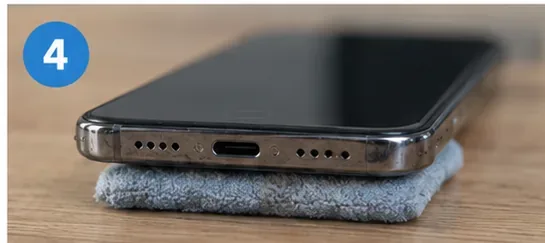
Learn how to dry a wet phone charger port safely, compare air-drying, wireless charging, emergency overrides, and service, and avoid heat, rice, and objects.
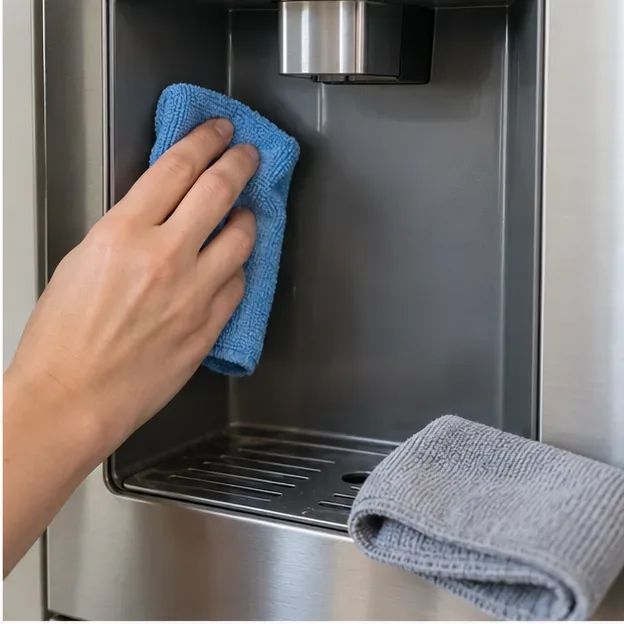
Clean a refrigerator water dispenser safely with mild soap, careful nozzle cleaning, mineral-scale removal, drying, and filter checks.
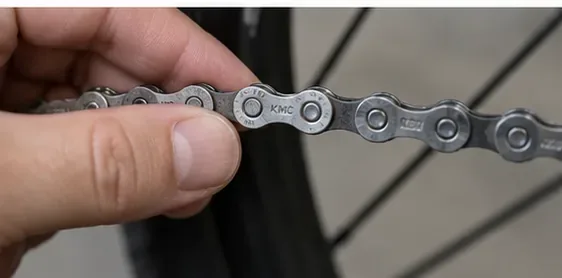
Learn how to take a bike chain off safely, whether it uses a quick link or rivet, plus which tools to use and when a connector must be replaced.
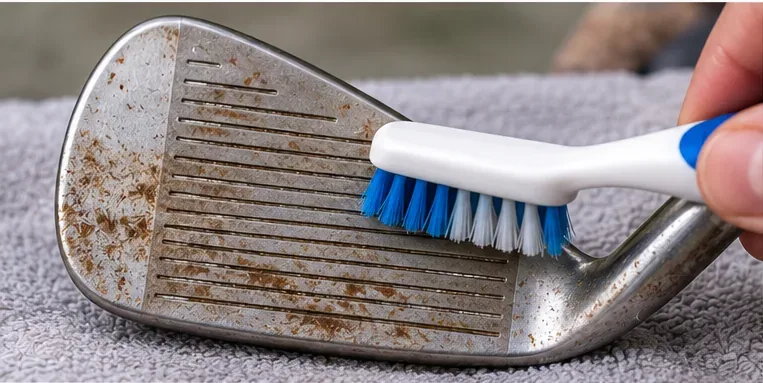
Learn how to remove rust from golf clubs safely, starting with soap and a soft brush, when to stop, and how raw wedges differ from plated irons.
How to Use Google Lens on Chromebook lets you scan objects, translate text, and solve problems directly from your device. Follow these steps to get started quickly.
Clean a BUNN coffee maker with vinegar safely using the verified Heat N Brew method, plus model checks, sprayhead care, flushing steps, and mistakes to avoid.
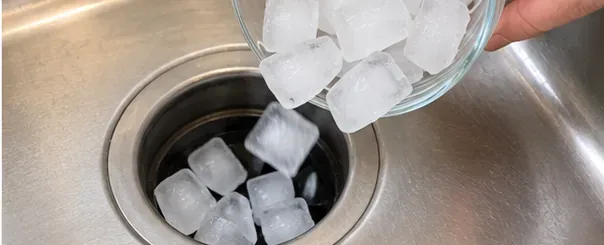
Learn how to clean a garbage disposal with ice, compare cold-water, citrus, and deeper-clean options, and know when ice is not enough.
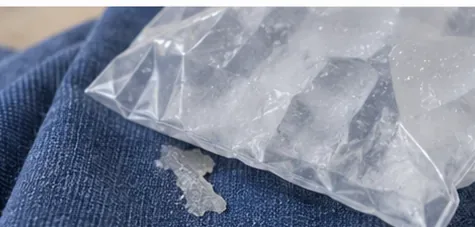
Learn how to remove school glue, super glue, hot glue, and adhesive residue from clothes safely, with fabric-specific steps and solvent cautions.
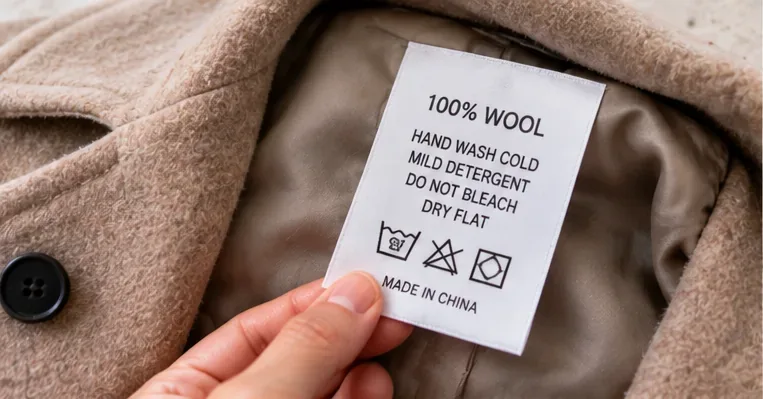
Learn how to wash a wool coat safely by following its care label, choosing a wool-safe detergent, washing gently, and drying without shrinking or distortion.