Stop Unwanted Printing and Downloads in ONLYOFFICE
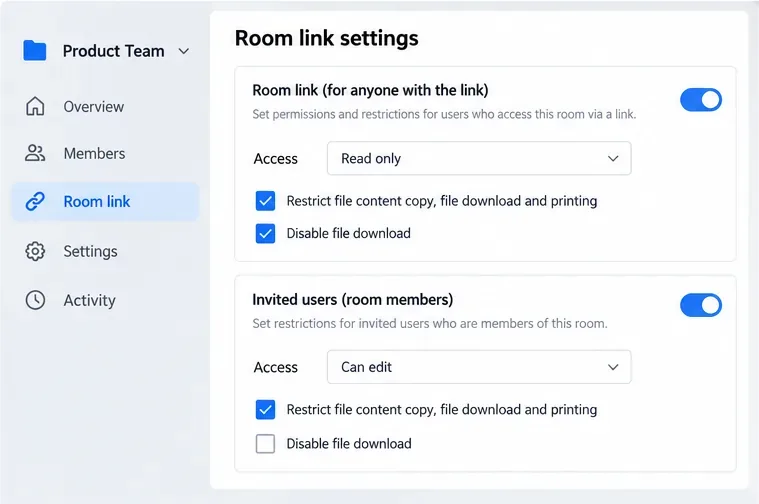
Set print and download limits for ONLYOFFICE links, room members, or Docs API sessions, then verify the restrictions from a recipient account.
To clean a Hydro Flask Flex Straw Cap thoroughly, take it apart first: open the straw nozzle, pull the straw out of the red seal, remove the red seal by its tab, then wash every piece with hot, soapy water or place the pieces on the dishwasher’s top rack. Let everything dry completely before pressing the seal back into the cap and reinstalling the straw. That sequence comes directly from Hydro Flask’s current cleaning guidance for the Flex Straw Cap.
The most important question is whether you actually have a Flex Straw Cap. Hydro Flask sells several cap and lid designs, and they do not all disassemble the same way. The steps below are based on the manufacturer’s official Flex Straw Cap cleaning instructions, published August 28, 2024 and still available on Hydro Flask’s U.S. site in 2026.
If your cap has a flip-up straw nozzle, a removable internal straw, and the removable red seal shown in Hydro Flask’s Flex Straw Cap instructions, this guide applies directly. If you have a Press-In Straw Lid from a tumbler or another cap style, use the care instructions for that specific product instead of forcing parts apart.
| Question | Short answer |
|---|---|
| Can the Flex Straw Cap go in the dishwasher? | Yes. Hydro Flask says the pieces are top-rack dishwasher safe. |
| Should the straw be removed? | Yes. Remove it from the red seal for thorough cleaning. |
| Should the red seal come out? | Yes. Pull it out using its tab. |
| Can I use bleach or chlorine cleaner? | Avoid it. Hydro Flask’s general care guidance says to avoid dishwasher cleansers with bleach or chlorine. |
| Do I need a special brush? | No special branded tool is mandatory, but a straw brush and small detail brush make the narrow passages much easier to clean. |
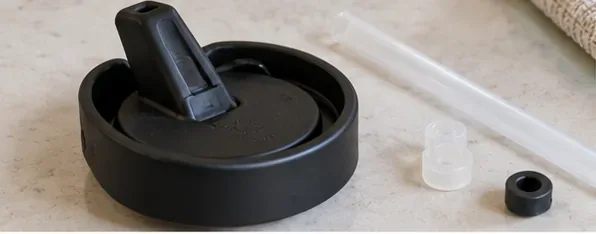
You only need a few things: mild dish soap, hot or comfortably hot washing water, a clean towel or drying rack, and ideally a narrow straw brush plus a small soft detail brush. Hydro Flask sells a Straw Cleaning Set with nylon bristles; the company says its straw brush is intended for the inside of Hydro Flask straws and its detail cleaner fits cap and lid crevices. A similar clean, soft brush that fits the parts can serve the same practical purpose.
Avoid knives, pins, metal picks, or other sharp tools around the seal. They can scratch plastic or damage the sealing surface. Also keep the Flex Straw Cap away from hot beverages; Hydro Flask states that this cap is not designed for hot liquids.
Flip the drinking nozzle into the open position. This gives you access to the straw connection underneath the cap and makes it easier to see how the pieces fit before you remove them.
Remove the internal straw from the seal rather than trying to wash the cap with the straw still attached. Separating the two pieces exposes the connection point where moisture and beverage residue can remain.
Hydro Flask specifically instructs users to remove the red seal by pulling on the tab. Use the tab rather than prying around the edge with a sharp object. Once it is out, you can clean both the seal and the recess where it sits.
No fixed soaking time is required in Hydro Flask’s published Flex Straw Cap instructions. The manufacturer says to clean all pieces using hot, soapy water. If residue loosens quickly, washing and brushing is enough. There is no need to invent a 10-, 20-, or 30-minute soaking rule for this cap.
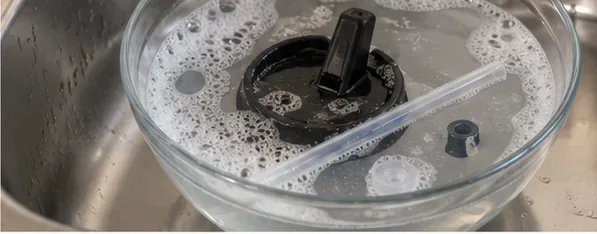
If you have sticky drink residue, letting the pieces sit briefly in your wash water while you clean the straw can make brushing easier, but treat that as a practical convenience rather than an official timed step. The cap is intended for cold beverages; sugary or flavored drinks can leave more residue than plain water and deserve prompt, thorough cleaning.
Use mild dish soap and hot, soapy water on the cap body. Work the brush around the drinking opening, the underside of the nozzle, the seal recess, and other grooves that a sponge cannot reach. You are trying to remove the film you can see and the film hiding in narrow corners, not simply rinse the visible top surface.
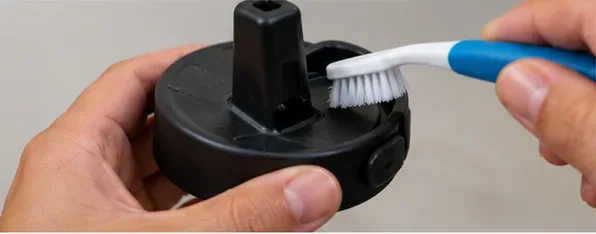
If a cap still smells after a quick rinse, the issue is often one of those hidden surfaces. Disassembly matters because water flowing over an assembled lid does not necessarily reach the straw connection and seal groove.
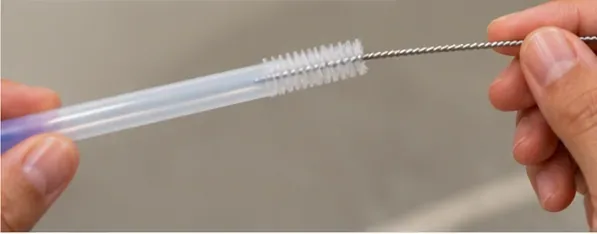
Wet the straw brush with soapy water and pass it through the straw from end to end. Move it back and forth enough to contact the interior wall, then rinse until the water runs clear and no soap remains. Hydro Flask’s cleaning-tool description specifically calls out the straw brush for cleaning inside its straws.
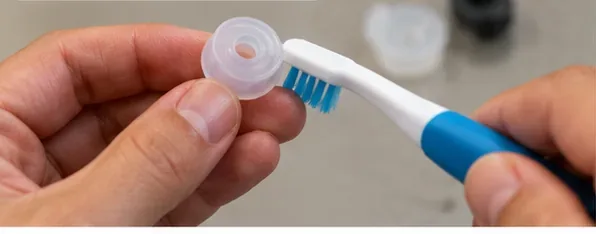
Wash the seal on all sides and clean the recess in the cap where it sits. Inspect the seal while it is out. If it is torn, permanently distorted, or will no longer seat securely, cleaning cannot repair mechanical damage; replacing the affected component is safer than relying on a compromised seal.
Yes, for the current Flex Straw Cap pieces covered by Hydro Flask’s guide. Hydro Flask says they are top-rack dishwasher safe. Its broader Hydro Flask cleaning guide also says to separate straws, caps, and lids and place them on the top rack, and to avoid dishwasher cleansers containing bleach or chlorine.
Small components can move during a dishwasher cycle, so position them where they will stay secure. If your dishwasher has a small-parts basket, that can be useful. The manufacturer’s Flex Straw Cap article does not require a dishwasher; hand washing with hot, soapy water is equally consistent with its instructions.
After hand washing, rinse the cap, straw, and seal thoroughly with clean water. Shake off excess water and place the pieces separately on a clean drying surface. Do not immediately push the seal back into a wet recess or reconnect a wet straw just to get the bottle back together faster.
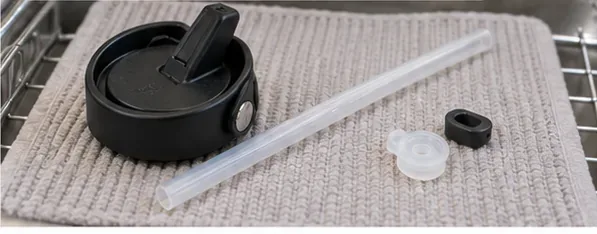
Hydro Flask’s reassembly instructions explicitly say to dry the pieces completely first. A drying rack that holds the straw upright can improve airflow, but a clean towel or rack works as long as the pieces can drain and dry instead of sitting in pooled water.
Press the red seal back into its position in the cap. Check around its edge so it is seated evenly rather than folded or pinched. Then hold the straw by its flat tip and press it into the red seal until it is firmly inserted. That order follows Hydro Flask’s official reassembly sequence.
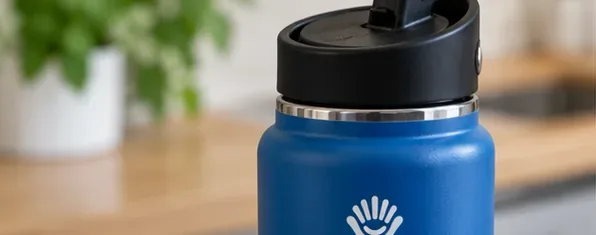
Before filling the bottle, move the nozzle through its normal range and give the straw a gentle check from underneath. If something feels loose, stop and reseat the parts rather than assuming the cap will seal correctly once tightened onto the bottle.
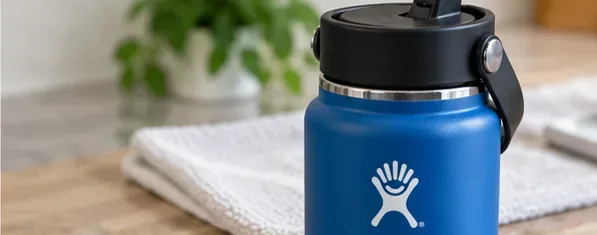
Hydro Flask says to clean the Flex Straw Cap regularly and gives the example of refreshing it after a week of daily water use. That is not the same as a universal once-a-week rule for every situation. Cleaning needs change with what you drink, how the bottle is stored, and whether the cap remains damp between uses.
For plain water, regular disassembly and cleaning prevents residue from accumulating unnoticed. If you put a cold flavored or sugary beverage through the straw, wash the cap sooner because those liquids leave more material behind. If the lid develops an odor, visible film, or discoloration, take it apart rather than trying to solve the problem with repeated surface rinsing.
First, disassemble the cap completely and clean the straw, cap, and removable seal separately with hot, soapy water and the appropriate brushes. Do not jump straight to chlorine bleach: Hydro Flask’s published general cleaning guidance says to avoid bleach- or chlorine-containing dishwasher cleansers.
The Flex Straw Cap page does not publish a mold-specific sanitizing concentration or contact time, so it would be misleading to invent one. If visible contamination remains after thorough cleaning, or if the seal or straw is damaged, stained in a way you cannot distinguish from contamination, or has a persistent odor, replace the affected part or cap rather than continuing to use an item you cannot get clean.
The core idea is simple: a Hydro Flask straw lid gets clean when the hidden pieces are exposed, washed, dried, and reassembled correctly. If you remember only one thing, do not treat the lid as a single solid part. The removable straw and seal are exactly the areas you need to separate to reach the places that an ordinary rinse misses.
Set print and download limits for ONLYOFFICE links, room members, or Docs API sessions, then verify the restrictions from a recipient account.
Set a backup destination, schedule, Mail coverage, and retention limit in ONLYOFFICE Workspace, then verify the archive is ready to restore.
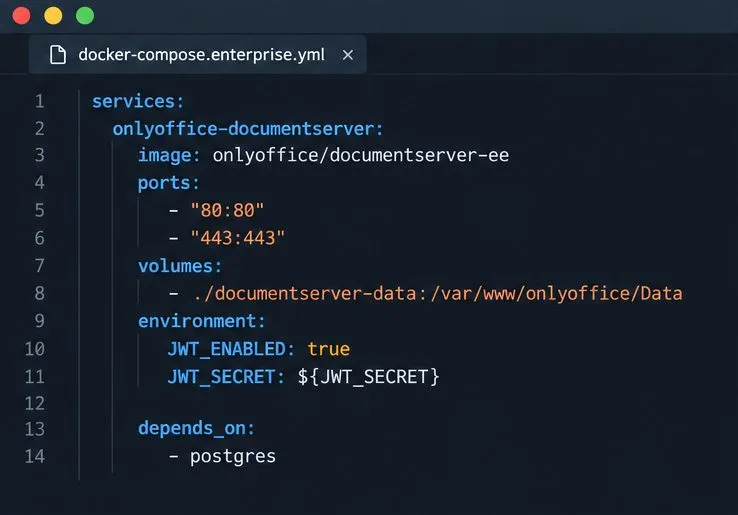
Start the Enterprise Docker Compose stack, persist its license and data, configure JWT safely, and confirm the editors are ready to integrate.
Use an ONLYOFFICE JavaScript macro to remove nonprinting characters and trim extra spaces from a defined spreadsheet range, with a safe review workflow.
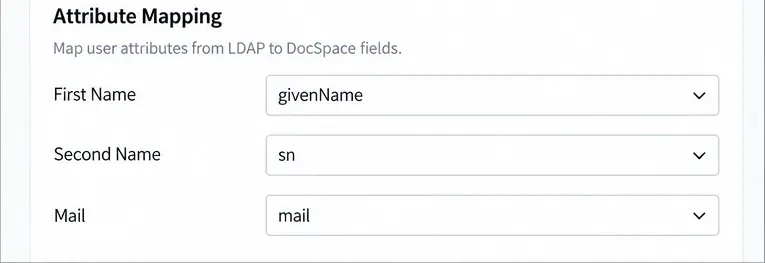
Connect ONLYOFFICE DocSpace to Active Directory or OpenLDAP, import users and groups safely, map account fields, and schedule reliable synchronization.
Move portal data from Disk Default to a supported cloud storage provider, or relocate Docker data safely by changing its host volume mapping.
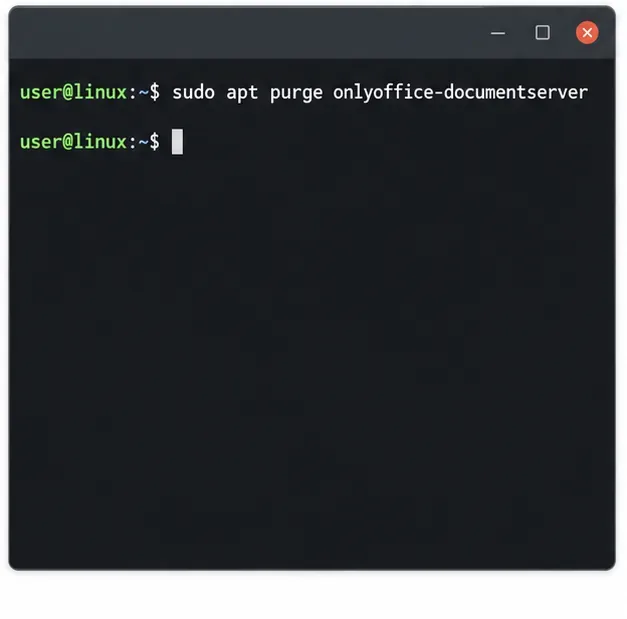
Identify whether Document Server uses a Linux package or Docker, remove only its components, and check remaining data without deleting shared services by mistake.
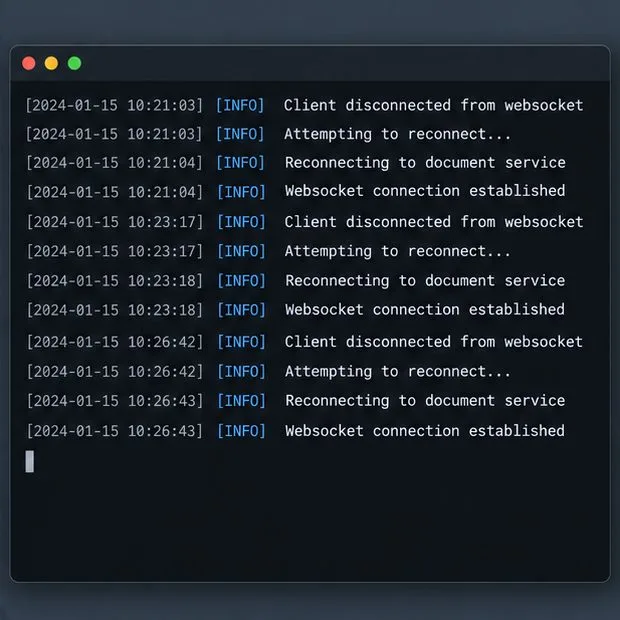
Trace slow collaborative editing to Docker resource pressure, proxy connections, or document load, then choose the fix that matches your measurements.
Install custom fonts in ONLYOFFICE Document Server, compare persistent Docker mounts with direct copies, rebuild the font list, and verify the result.
Choose where TLS should terminate, mount a trusted certificate and private key safely, and verify HTTPS access to a Dockerized ONLYOFFICE Docs server.