If you are bored with your selfie photos, even if you use many selfie apps, you still don't see anything interesting. So you should try transforming your image into Japanese anime style , this will surprise our friends with your transformation.
To do this, we do not need to download any applications, with just a few simple steps we can transform a selfie into an anime-style image. Next, we would like to invite you to refer to the article on instructions on converting photos into anime photos without software.
How to convert photos into anime photos without software
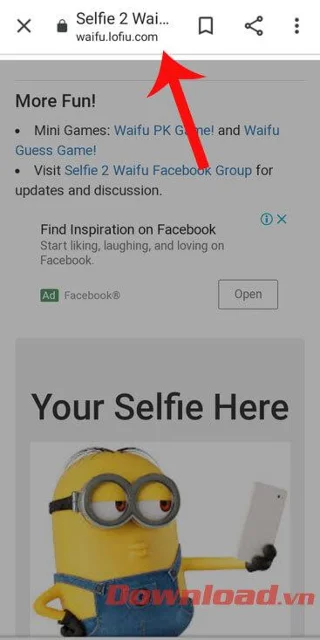
Step 1: First, copy and access the link below.
https://waifu.lofiu.com/index.html
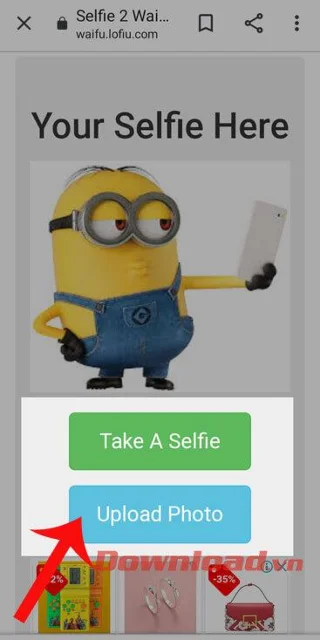
Step 2: Click one of two buttons: Take A Selfie ( take a selfie), Upload Photo (take a photo from the photo library). In this article, we will take photos from the phone's gallery.
Note: You should choose a photo with a clear face and as simple a background as possible.
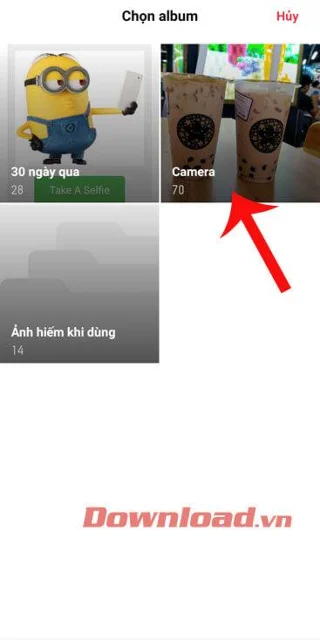
Step 3: Select the image you want to transform into anime style.


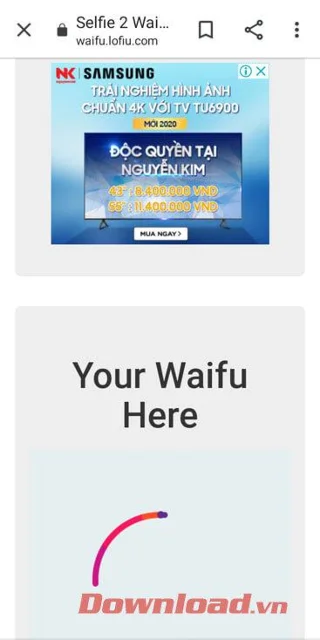
Step 4: Wait a moment for this tool to scan, analyze and redraw the image.
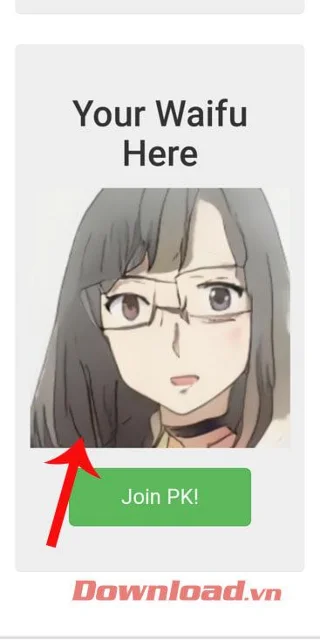
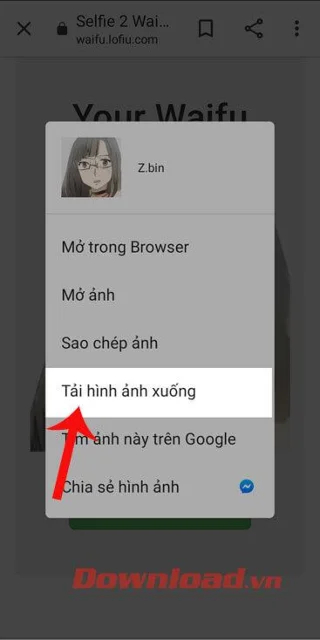
Step 5: After the photo has been converted into anime style, click on the image to download to your phone.
Step 6: Click Download image , the converted image will now be saved to your phone's gallery.


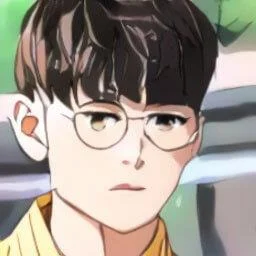
Below are some photos after being converted from regular photos to anime-style images.


Hopefully, with this article on how to convert photos into anime photos without software, you can freely make your selfies more interesting with anime style.
In addition, you can also refer to some other articles such as:
Wishing you success!