Home
» How to
»
How to download and install Hago on the computer
How to download and install Hago on the computer
Video How to download and install Hago on the computer
Hago is an application that gathers many of the hottest game genres on mobile and connects you with online players around the world, in addition to the main tool is gaming, Hago also allows you to chat, make friends and challenge. they compete. Receive challenges from other players or you can challenge any player you want.
Games in Hago Game come in many different genres, such as action, intelligence, fun games ... All have very interesting and attractive characteristics, simple and highly competitive gameplay if Play against another player. Each game has a maximum playing time of only 3 minutes, you can play online anytime and only need to be online to play.
Hago currently only supports Android and iOS , if players like to join Hago but do not want to be interrupted when running out of battery on mobile devices, then you can use Hago on computers with emulators Android NoxPlayer. Details of installing Hago on your computer follow the steps in the article below.
Instructions to download and install Hago on the computer
Step 1: If you do not have NoxPlayer emulator, you need to install it on your computer, how to install NoxPlayer, you can see in the article How to install NoxPlayer on your computer .
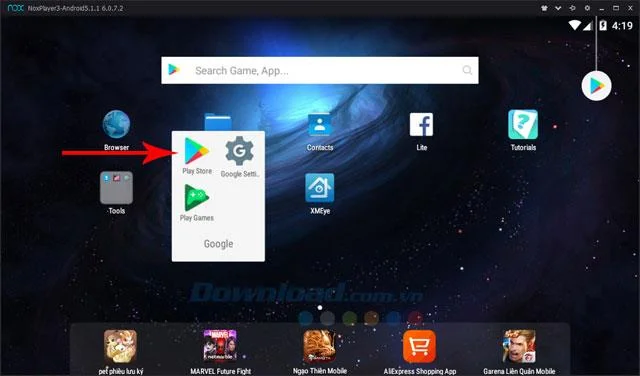
After installing NoxPlayer and logging into your Google account into the emulator, click Play Store.
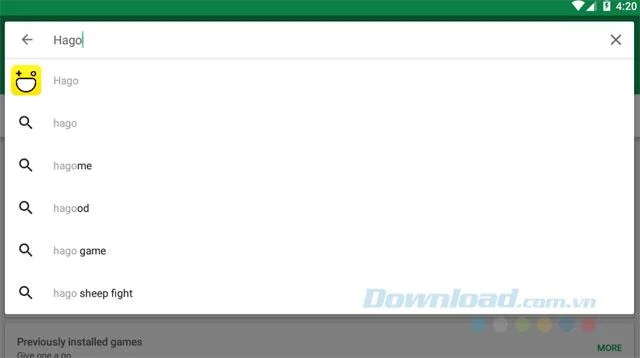
Then type the Hago search keyword in the search toolbar, when you see the suggestion with the Hago icon as shown in the picture, click it.
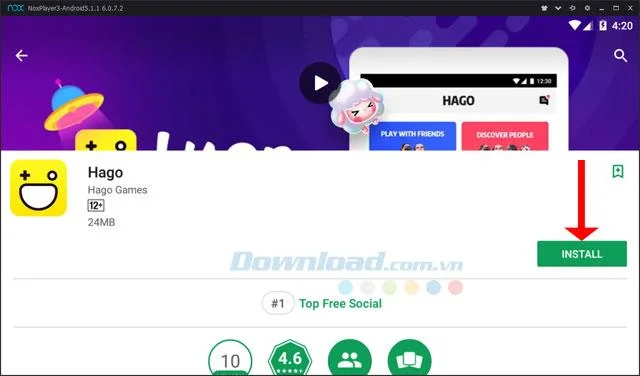
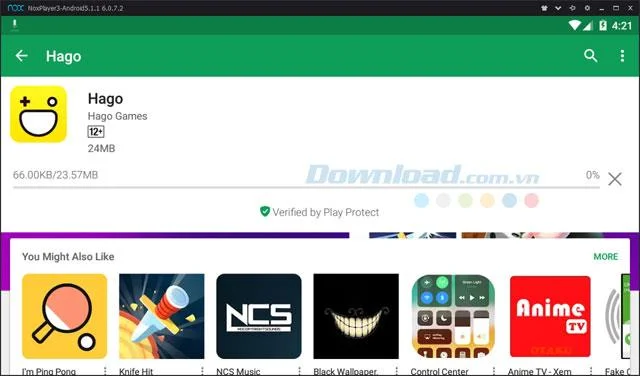
Step 3: Next, click Install to install Hago.
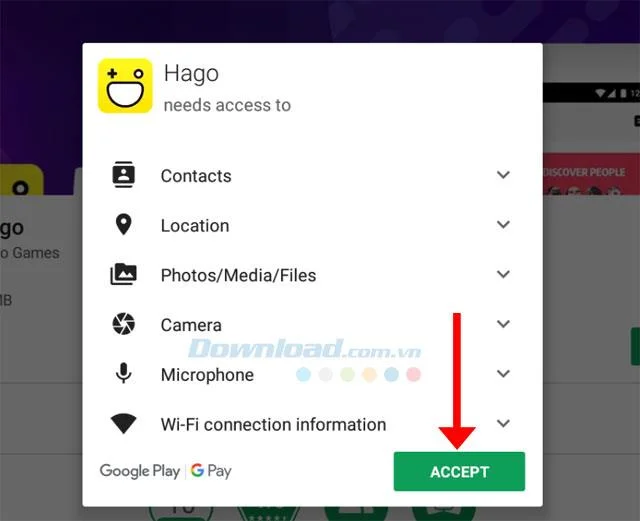
Click Accept to accept Hago's access to the system on the machine,
Wait a bit for Hago to download, the game is quite light so you will not have to wait long.
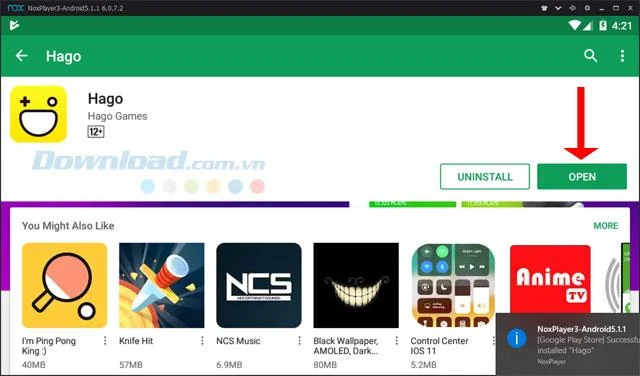
Step 4: When the download is complete, click Open to open Hago, or select the icon of Hago outside the main screen.
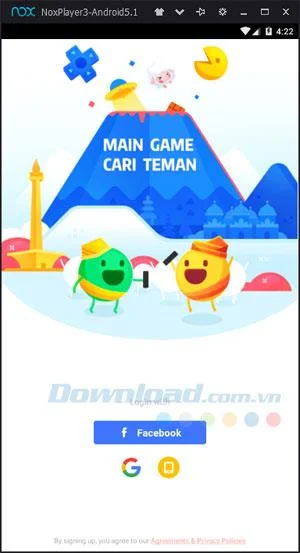
Step 5: NoxPlayer interface will be narrowed like on the phone, you can register an account to log in to Hago or most conveniently log in with your Facebook or Gmail account .
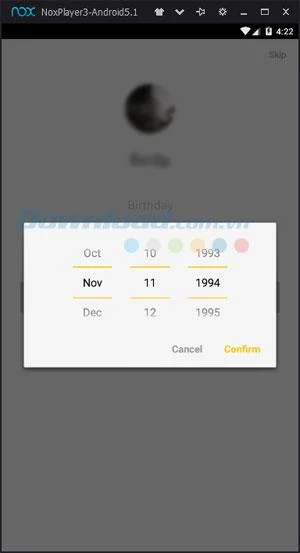
After you have logged into your account in Hago, select your date of birth and click Confirm.
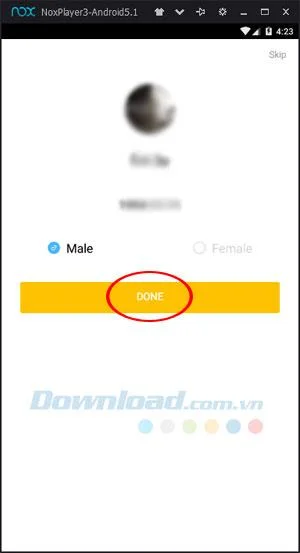
Next, select your gender and click Done.
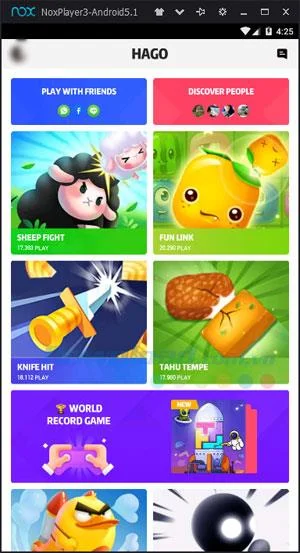
You will be transferred to the interface of Hago, in there will be a few games are available out of the screen for you to choose to play, these games are all play games, so when you click you will be system Choose yourself for an opponent to play with.
The Minigames here, all with different controls and simple gameplay, you can play without instructions, for example, Sheep Fight game with the task of using your sheep to to overwhelm the opponent's sheep, or Fun Link is a game of linking colored blocks together.
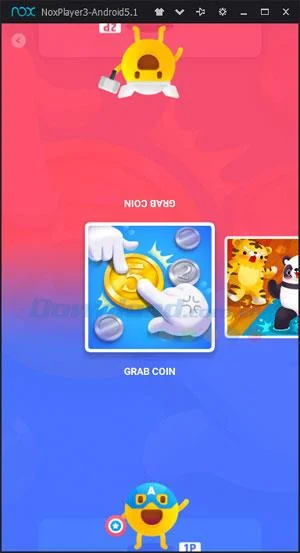
There are also games where users will have common goals, whoever wins the first goal is the winner, Grab Coin is an example.
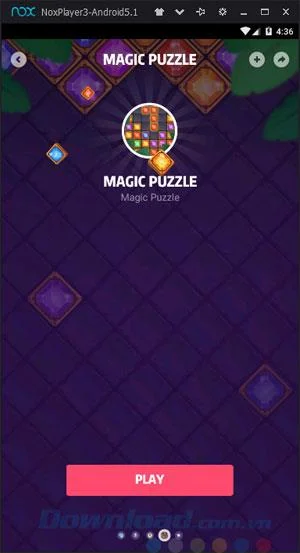
And there are also games that let you relieve stress alone, these are also simple and very easy to play.
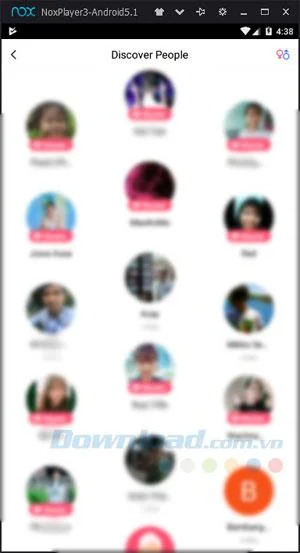
In addition to actively making friends or making challenges with other players, you can go to Discover in the main screen, including many players that you can choose by gender of Male or Female.
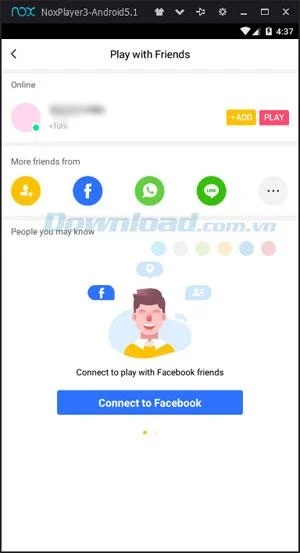
In addition, if you want to play with your friends on social networking applications like Facebook, LINE , WhatsApp ... Or on your contacts, please invite them to play with.
Above is a guide to install Hago game on a computer, with the help of the NoxPlayer emulator, you will no longer have to worry about the amount of time used on Hago with your friends, if you are bored of light titles. on Hago, you can switch to a more engaging action that is PUBG Mobile.
This game is currently being joined by a lot of gamers including on mobile platforms and PCs, just like Hago, you can install PUBG Mobile on your computer through the article How to install PUBG Mobile on your computer.