Home
» How to
»
How to download data on Opera using Internet Download Manager (IDM)
How to download data on Opera using Internet Download Manager (IDM)
Video How to download data on Opera using Internet Download Manager (IDM)
Opera is the first browser in the world with a built-in virtual private network and provided completely free for users. Not only that, it can also be set to download data to a computer using Internet Download Manager like on other browsers.
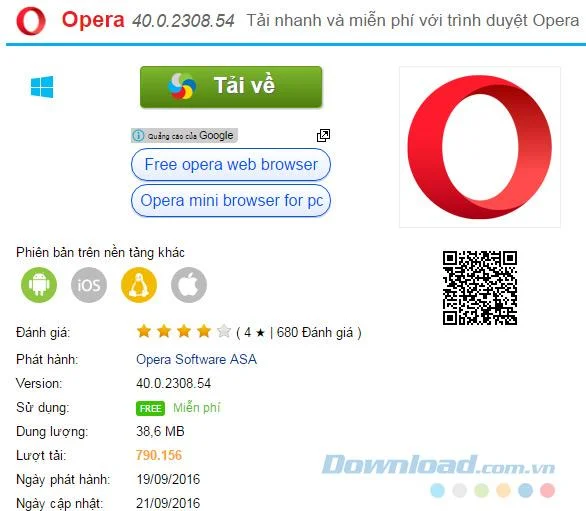
Not only with Chrome or Mozilla Firefox , this tool is also set up to be able to download files from Opera to your computer quickly. In this tutorial, I have downloaded and installed the Opera browser for my computer using the link above.
Step 1: You access the link, select Download.
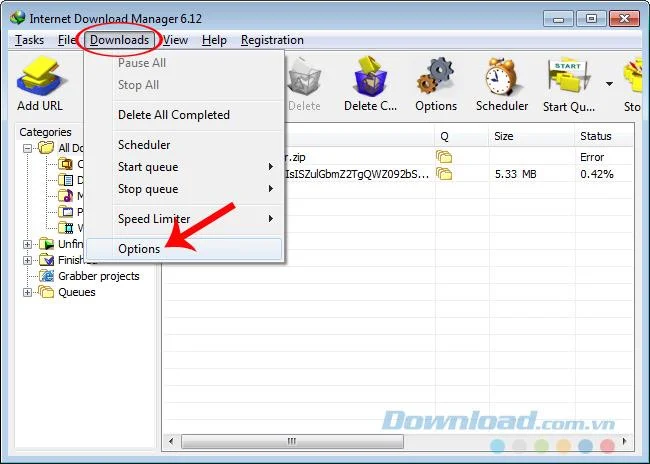
Step 2: After the installation of Opera is completed, we continue to launch Internet Download Manager (IDM) software. From the main interface, click the Downloads tab , Options .
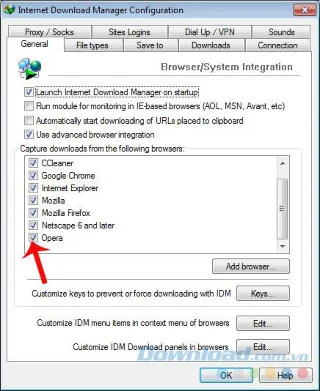
Step 3: The Internet Download Manager Configuration window appears, select the General tab and tick the Opera item in the Capture downloads from the following browsers box and then OK to save it.
If there is no Opera in this section, you must add it yourself by clicking Add browser and follow the steps in the " updating applications using Internet Download Manager " tutorial (select the additional option: Opera).
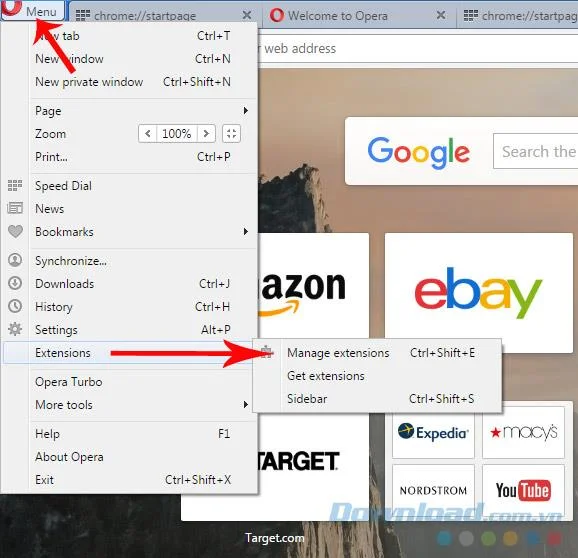
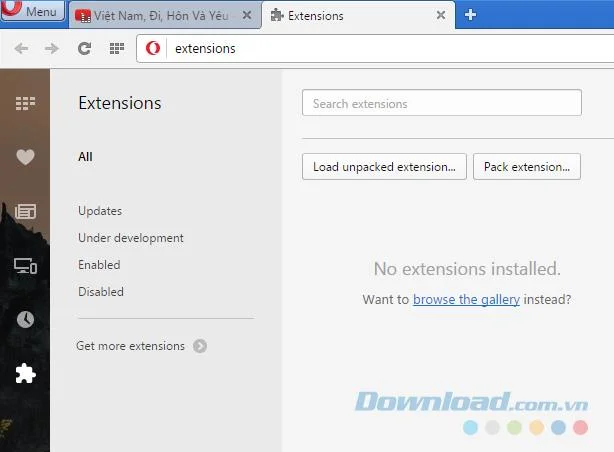
Step 4: Launch the installed Opera browser. Left-click on the Menu item in the top left corner of the browser ( the O icon for Opera ) and select Extension / Manage Extensions (also use the shortcut CTRL + SHIFT + E to open it depending on the select this).
Step 5: The interface of Extensions appears in a new tab, you keep the same, then open My Computer.
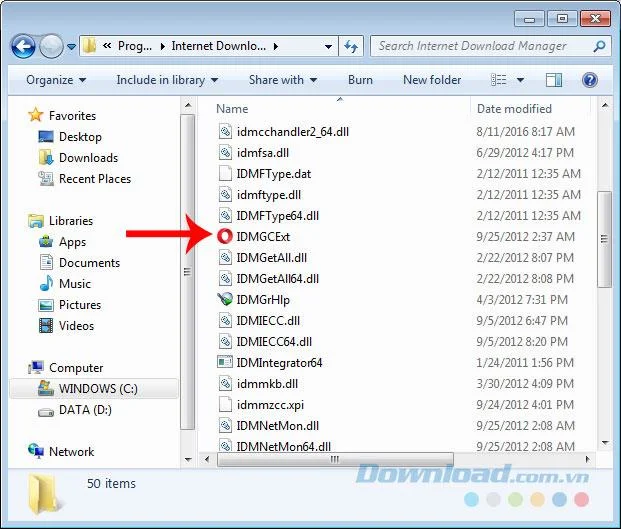
Find the location of IDM on your computer by following the link:
C: \ Program Files (86x) \ Internet Download Manager
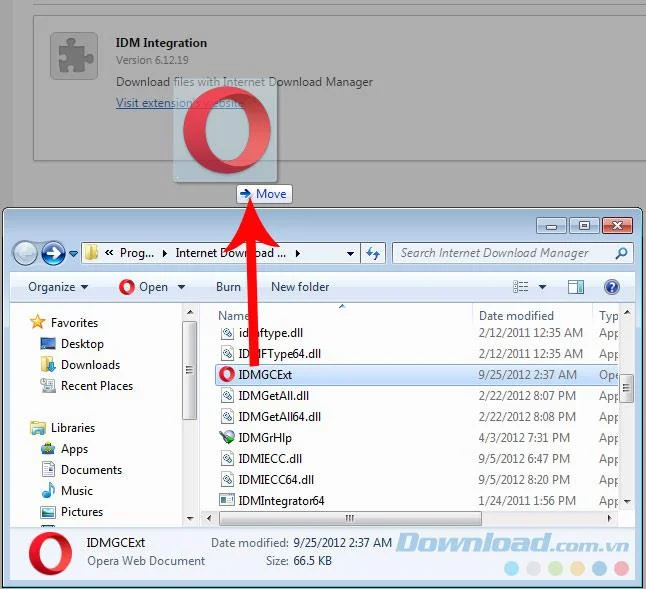
In this folder, look for the IDMGCExt file (as shown below) and drag and drop it into the Extensions interface on top of Opera. You can easily tell that this file is displayed by the Opera thumbnail.
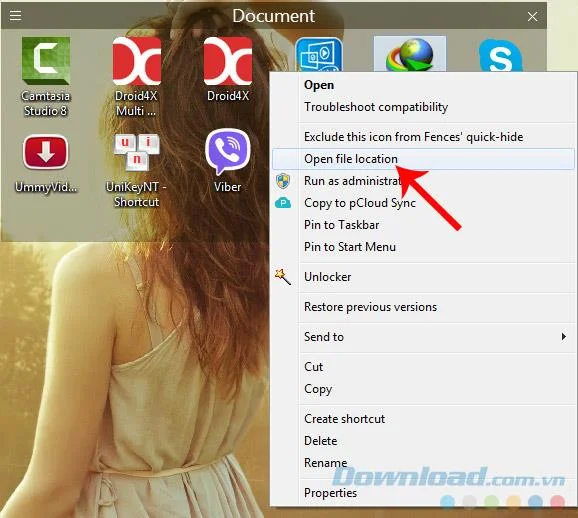
Alternatively, right-click the Internet Download Manager (IDM) icon and select Open file location.
The new interface will go directly to the IDM folder, now you also find the file as above, click on it and hold + drag and drop into the Extensions tab of Opera that is open.
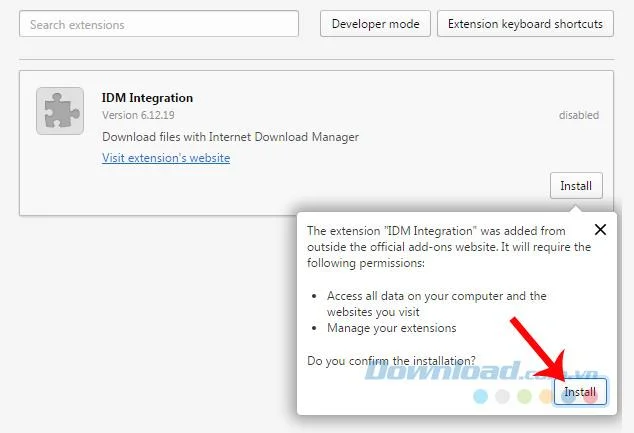
Step 6 : Now IDM Integration will appear in Opera with the Install section and the message asking if you want to install? Left click the Install button to confirm.
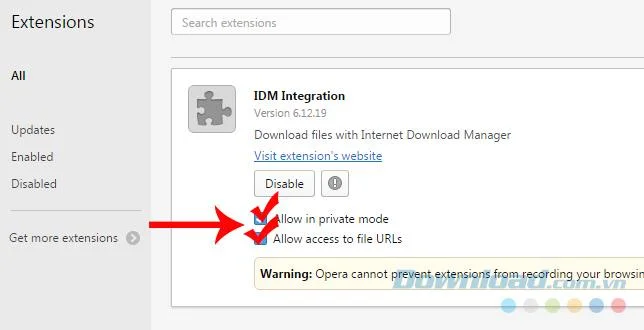
Tick both in Allow in private mode and Allow access to file URLs , then exit and try on any page to download data.
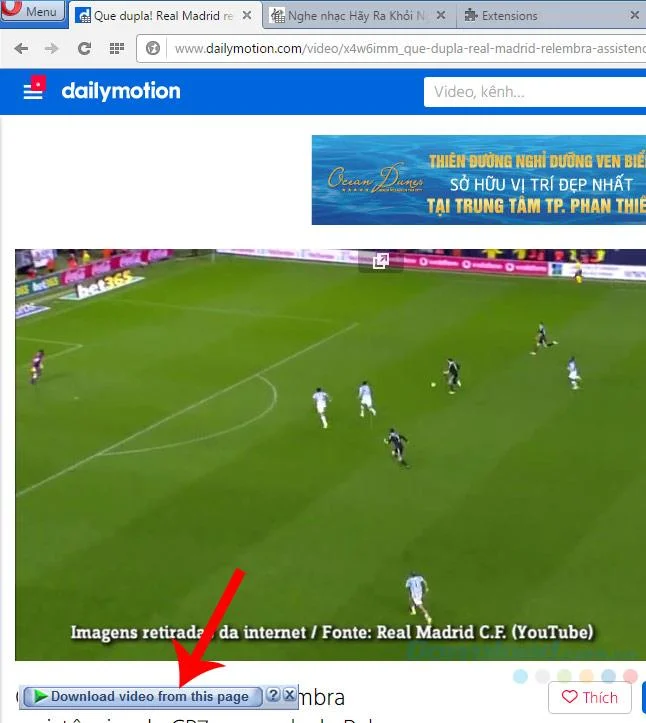
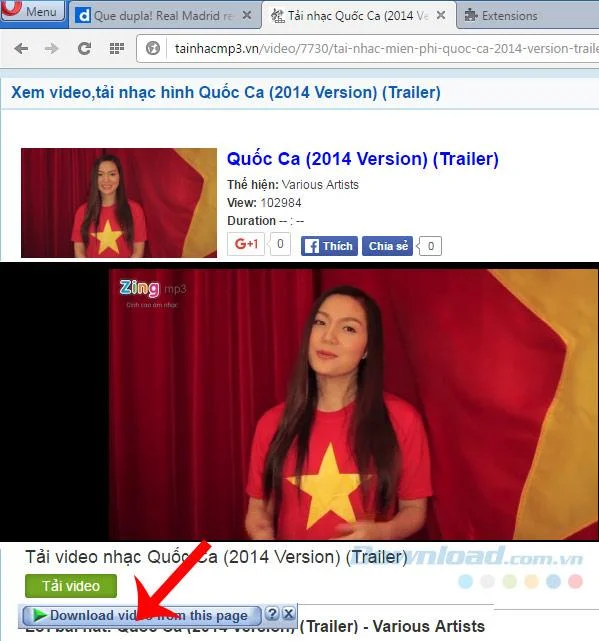
Step 7: Try opening a few sites like Youtube, Dailymotion to try downloading videos from here. You can see the Download also appears as in other browsers.
Try with some other websites, the results are similar.
Just open the video, the data you need to download and click Download , whether it is Audio or Video, IDM can download it for you.
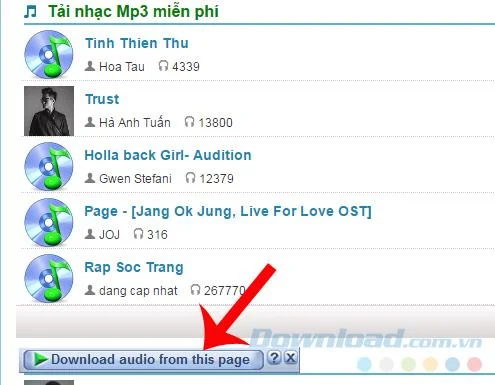
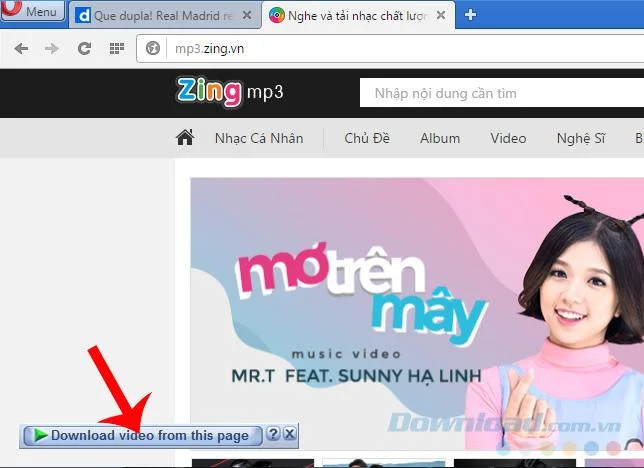
Even if you open music sites like Zing MP3, this Download button will show up even if we have not yet selected the type of data to download.
That's how you can add IDM to Opera and use this software to download data from Opera to your computer. On a side note, after successfully adding the IDMGCExt file to the browser and Install successfully, restart the browser once to save changes, otherwise try restarting the computer.