Instagram is one of the most popular and easy-to-use social media platforms today. However, because it is designed specifically for mobile, finding and sharing Instagram links is a bit difficult for many people.
Luckily, the process is not complicated. Finding Instagram account and post URLs is just a few steps away.
How to find and get Instagram links
What is an Instagram URL?
A URL or Uniform Resource Locator is an online address that leads to a specific page or article. It is also often called a hyperlink or link.
Instagram URLs are links to posts or account profiles. As for profiles, they are usually a combination of an official website link and Instagram username.
How to get Instagram account link
On the Instagram app


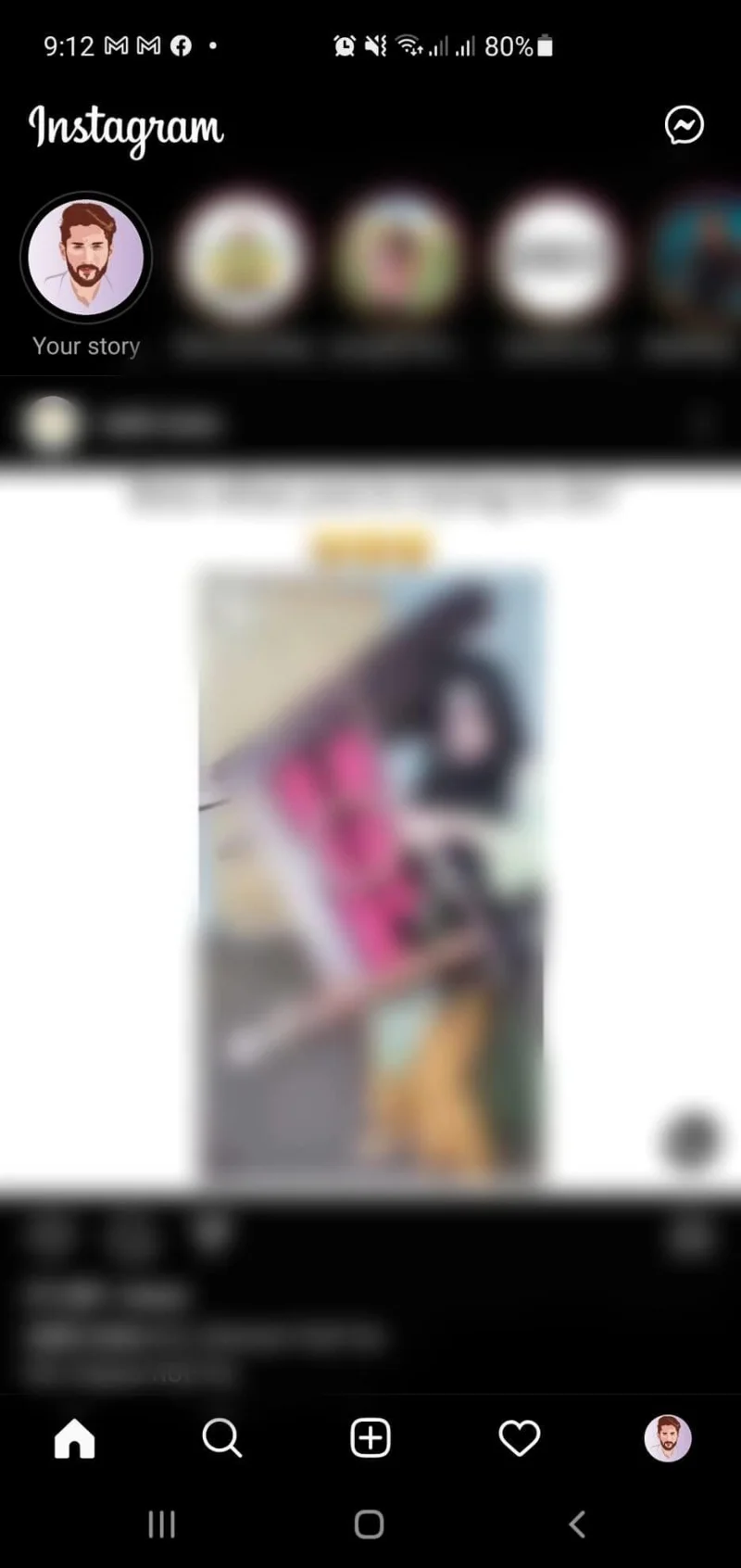
- Log in to your Instagram account. The home page will appear on the screen.
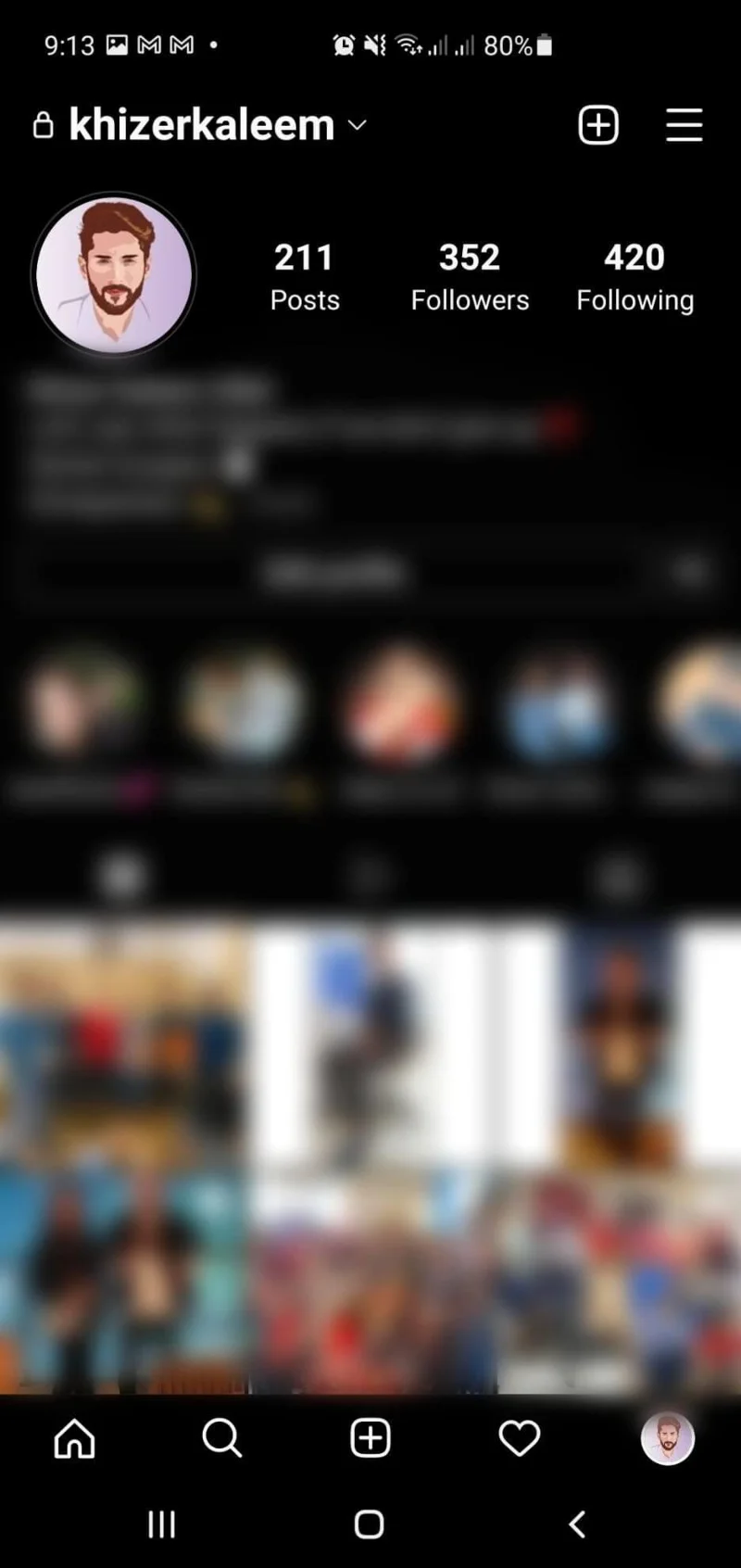
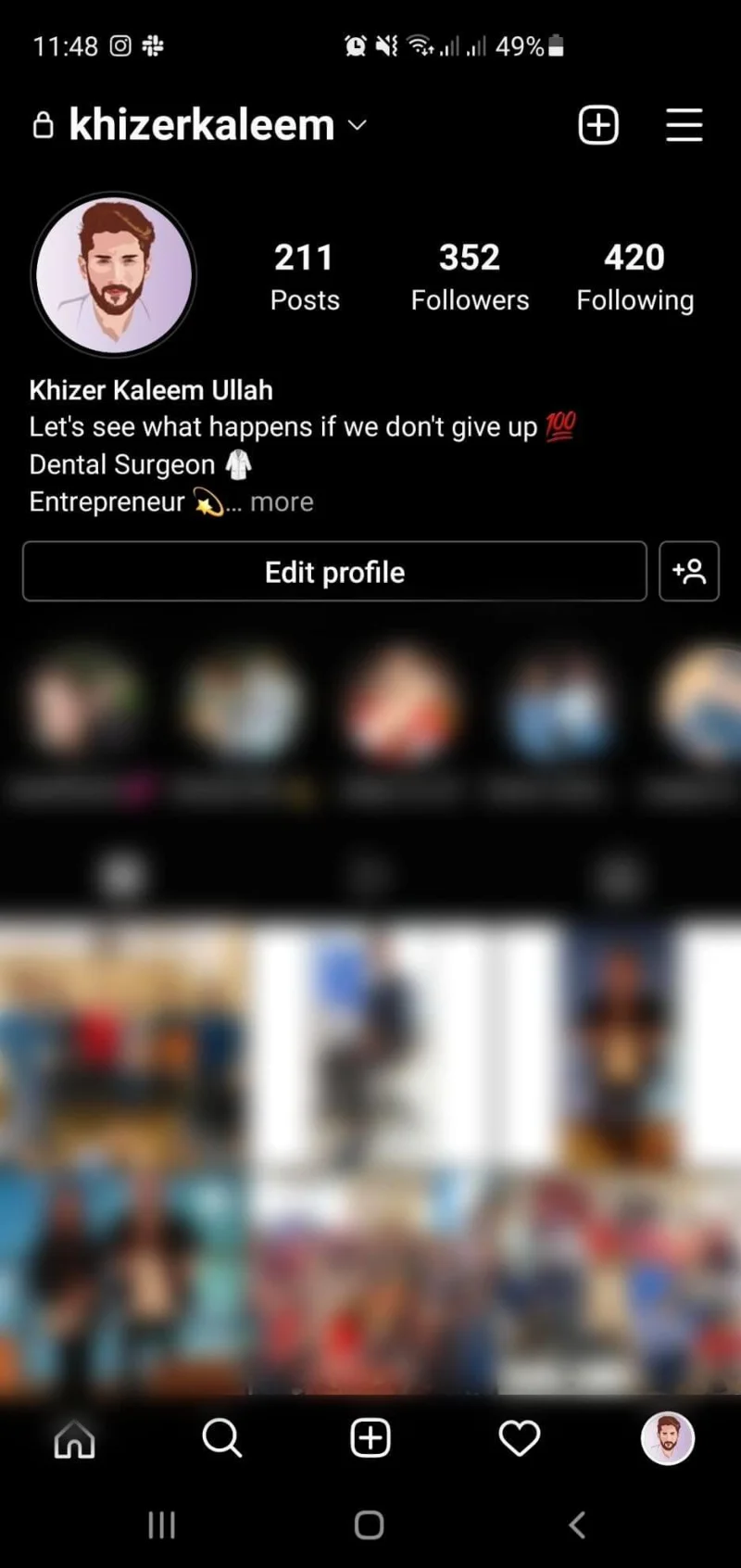
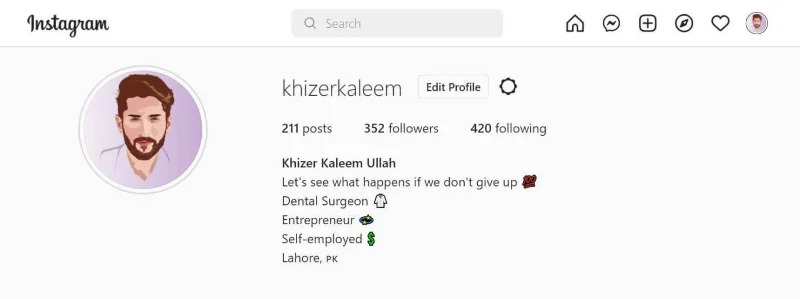
- Tap the profile picture in the circle at the bottom right to open the profile.
- The username appears at the top left of the screen. Pair that username with https://www.instagram.com/ to create https://www.instagram.com/username/ and you will have an Instagram profile link.
On mobile browser


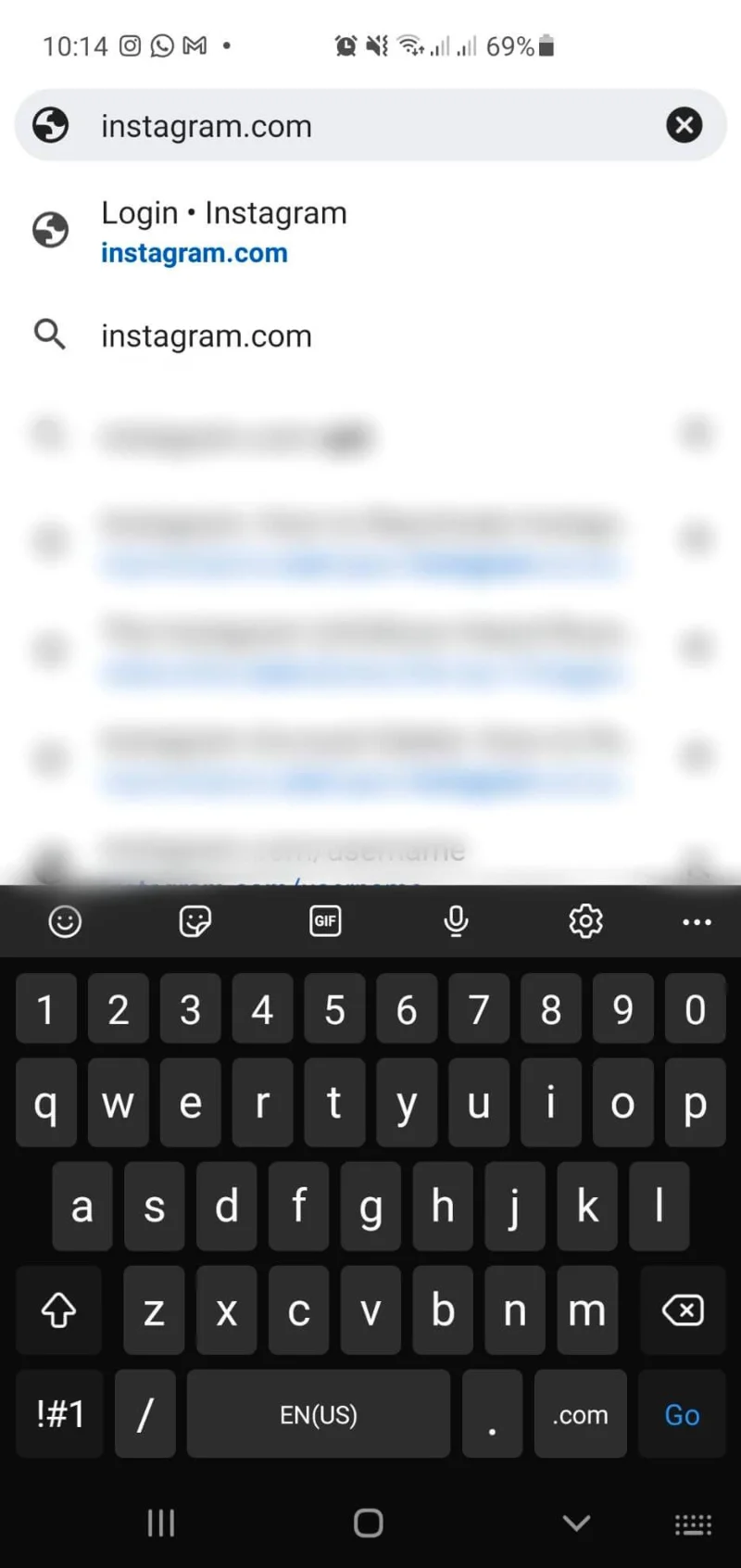
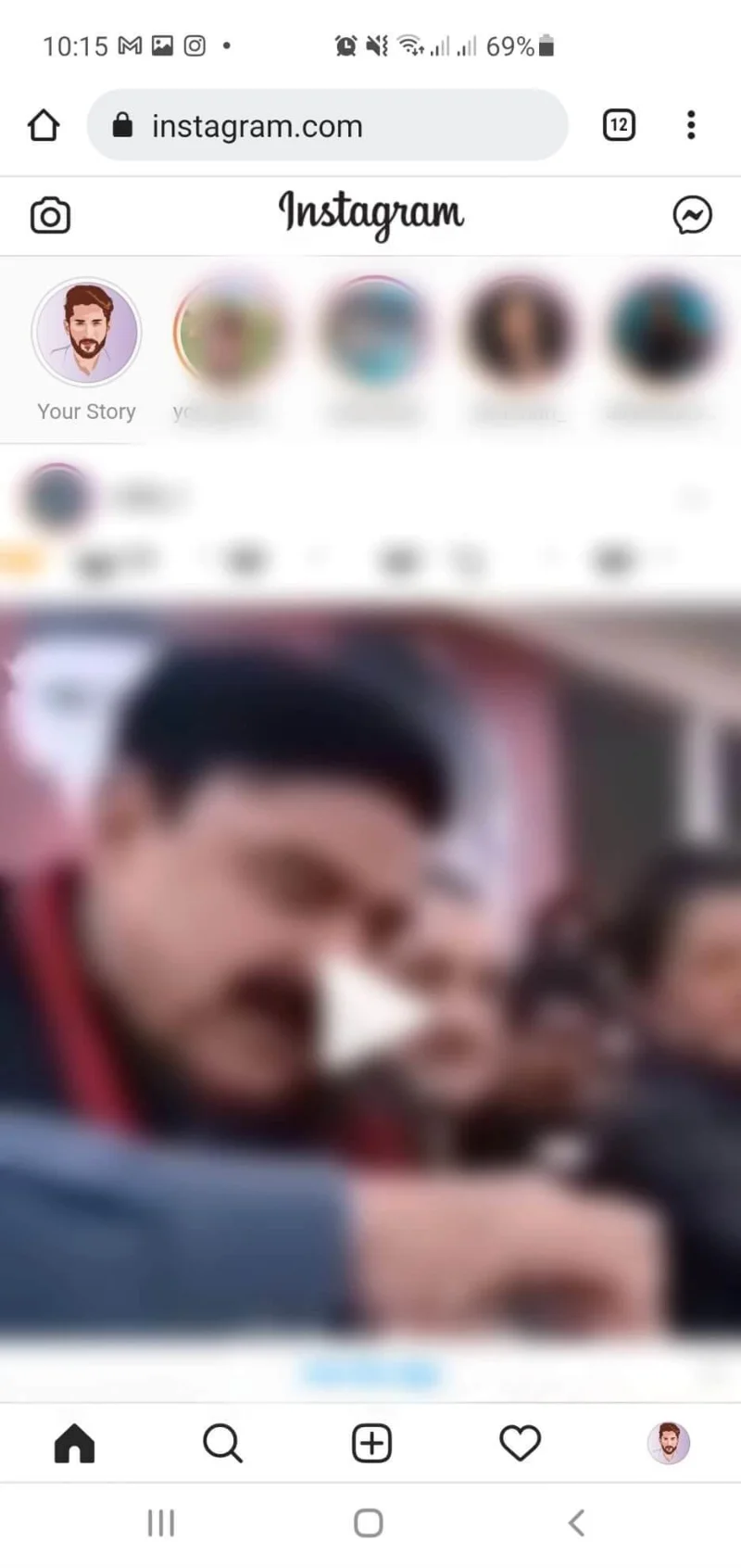
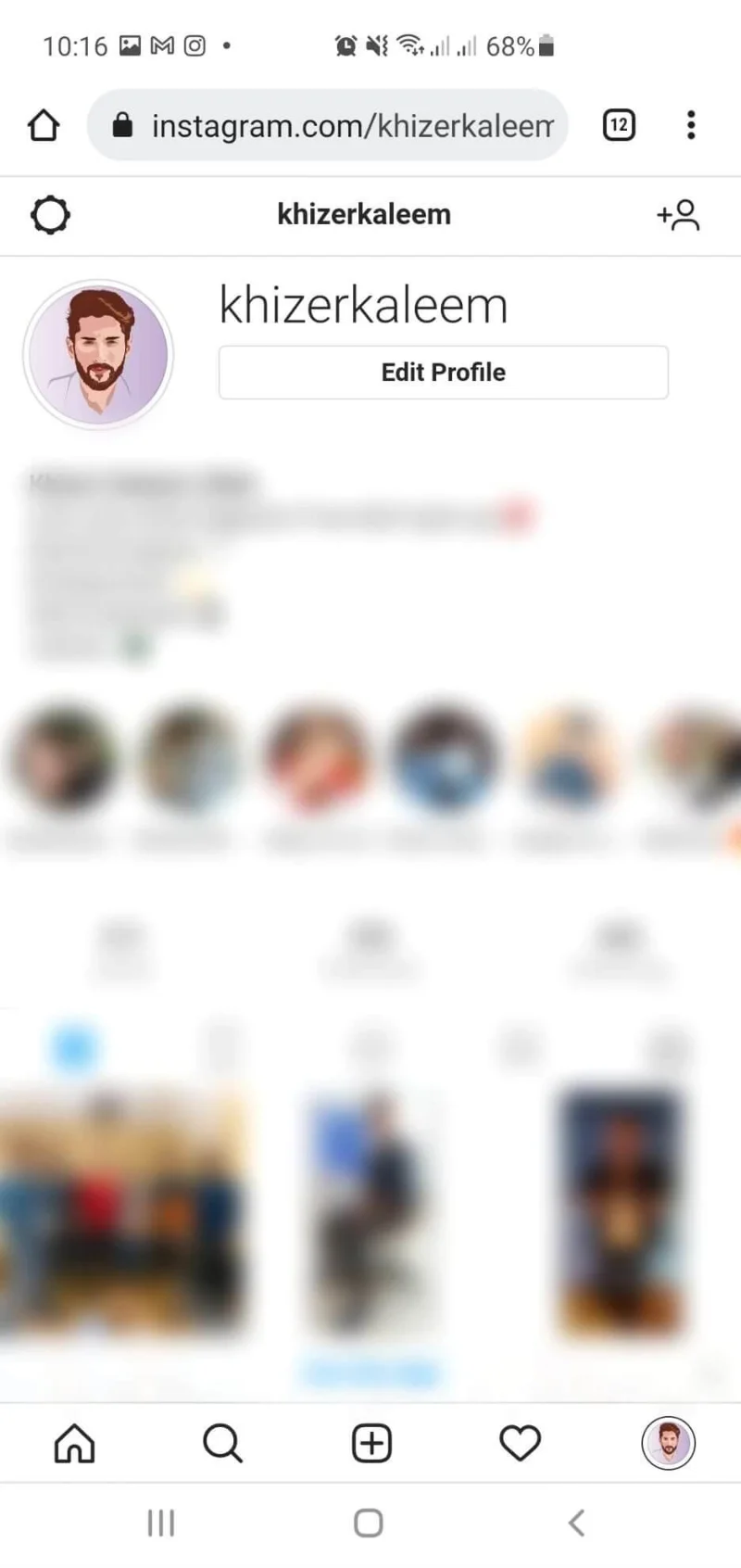
- Find Instagram on the web and log in to your account.
- After the home page appears, click the circle on the bottom right to open the profile.
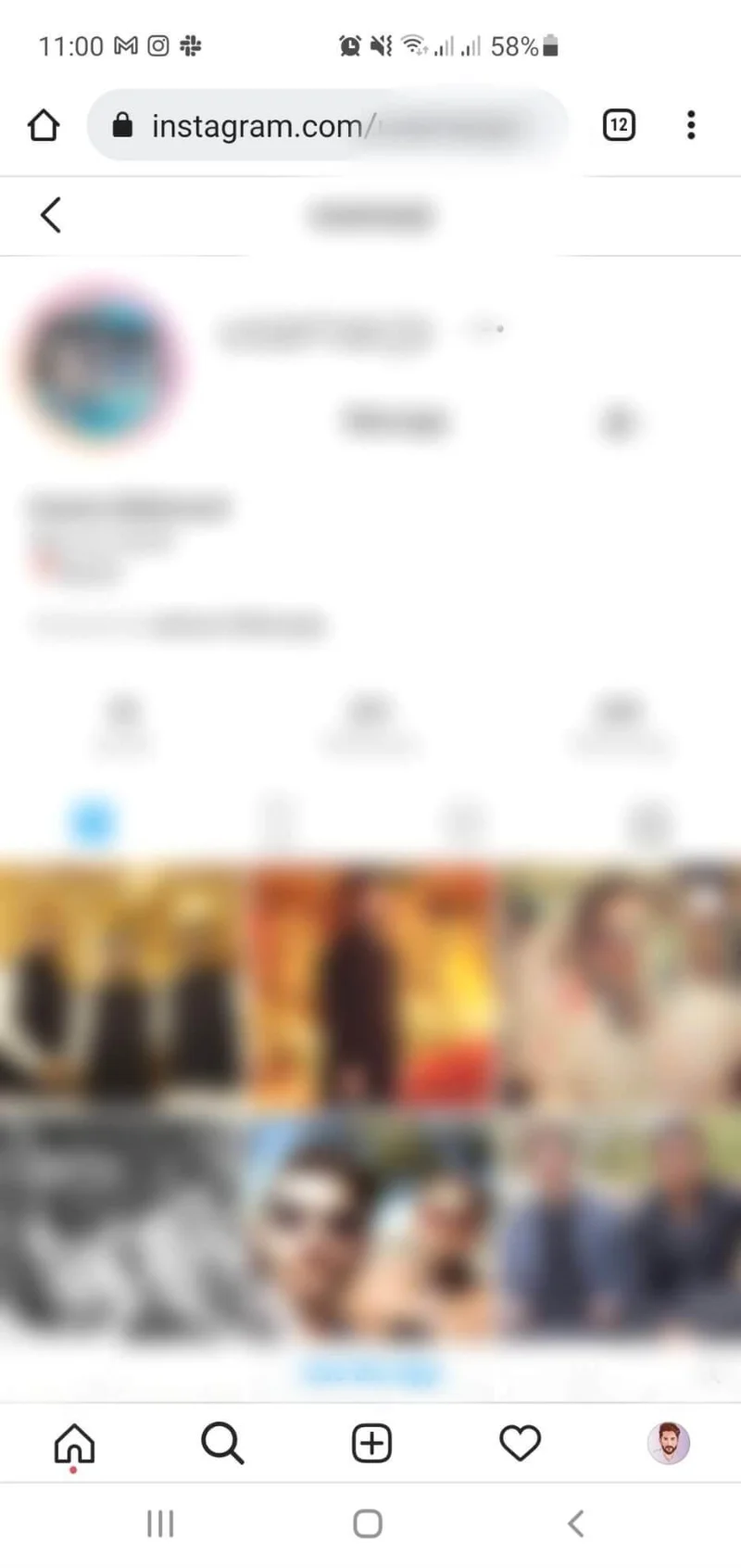
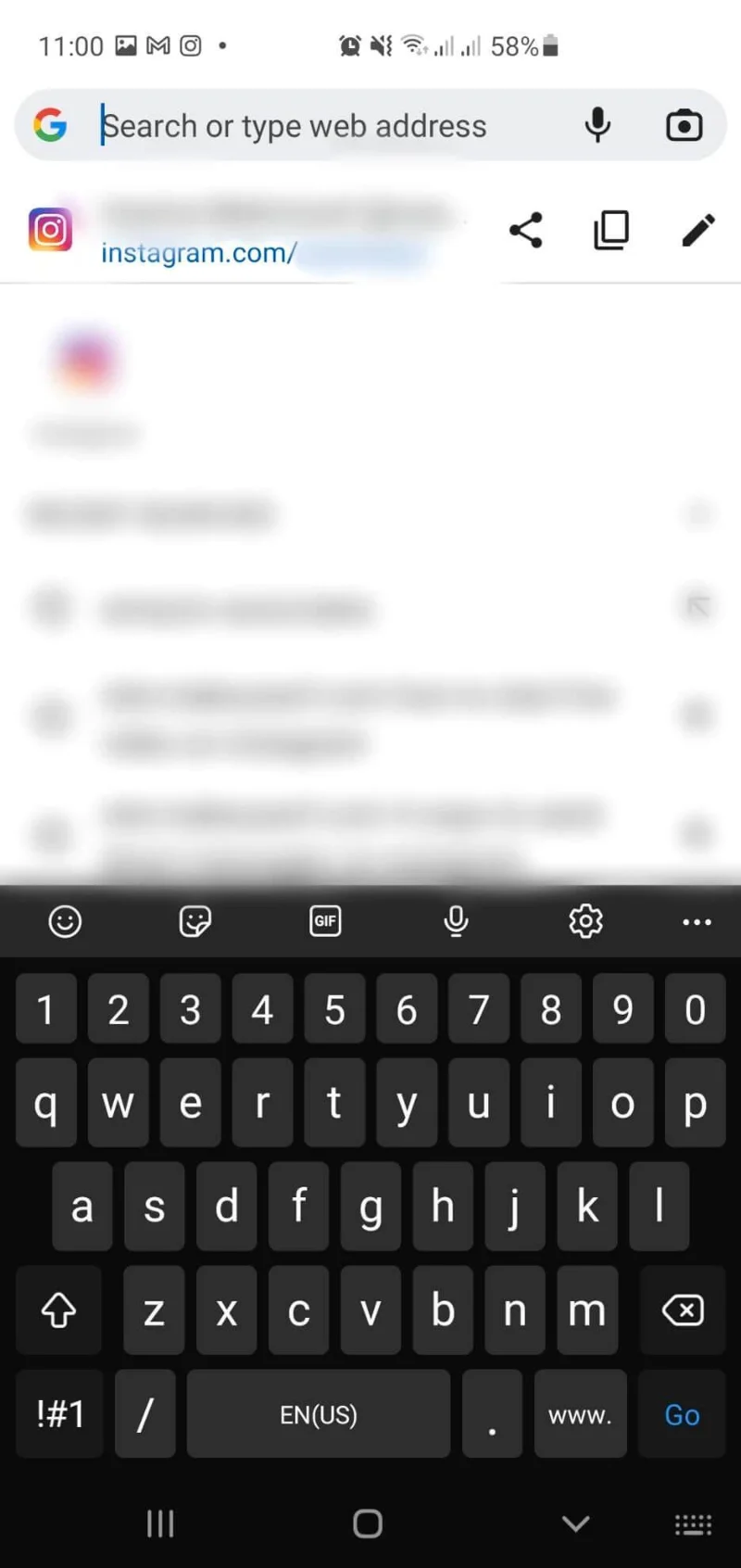
- The profile link will appear in the URL bar at the top of the browser. Copy and paste this link to share it.
On the computer
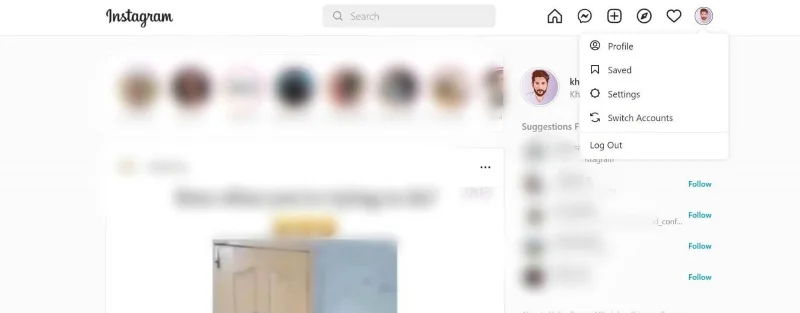
1. Log in to your Instagram account . The Home page will appear on the screen.

2. Click the circle with profile photo in the top right corner of the screen and select Profile .
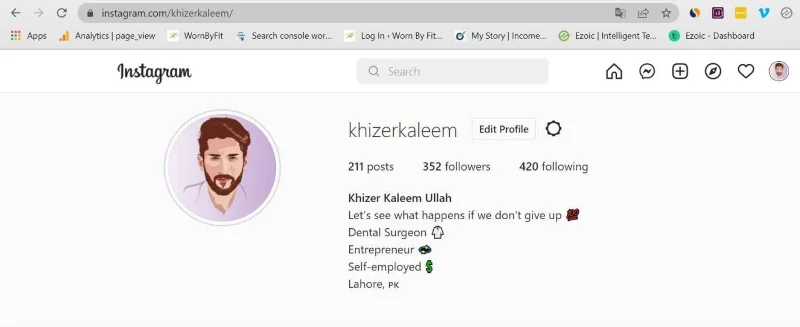
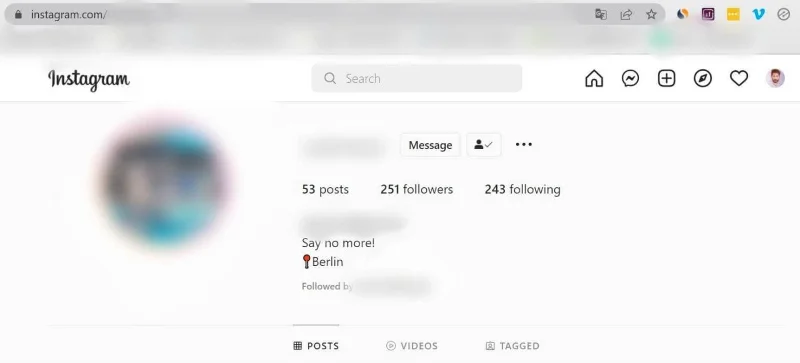
3. The link in the URL bar will change after the profile appears.

4. This link is your Instagram account URL. Copy it on another browser or send it to someone else.
Even if others don't use Instagram, they can still view your profile via the shared link.
How to find other people's Instagram links
On the Instagram app


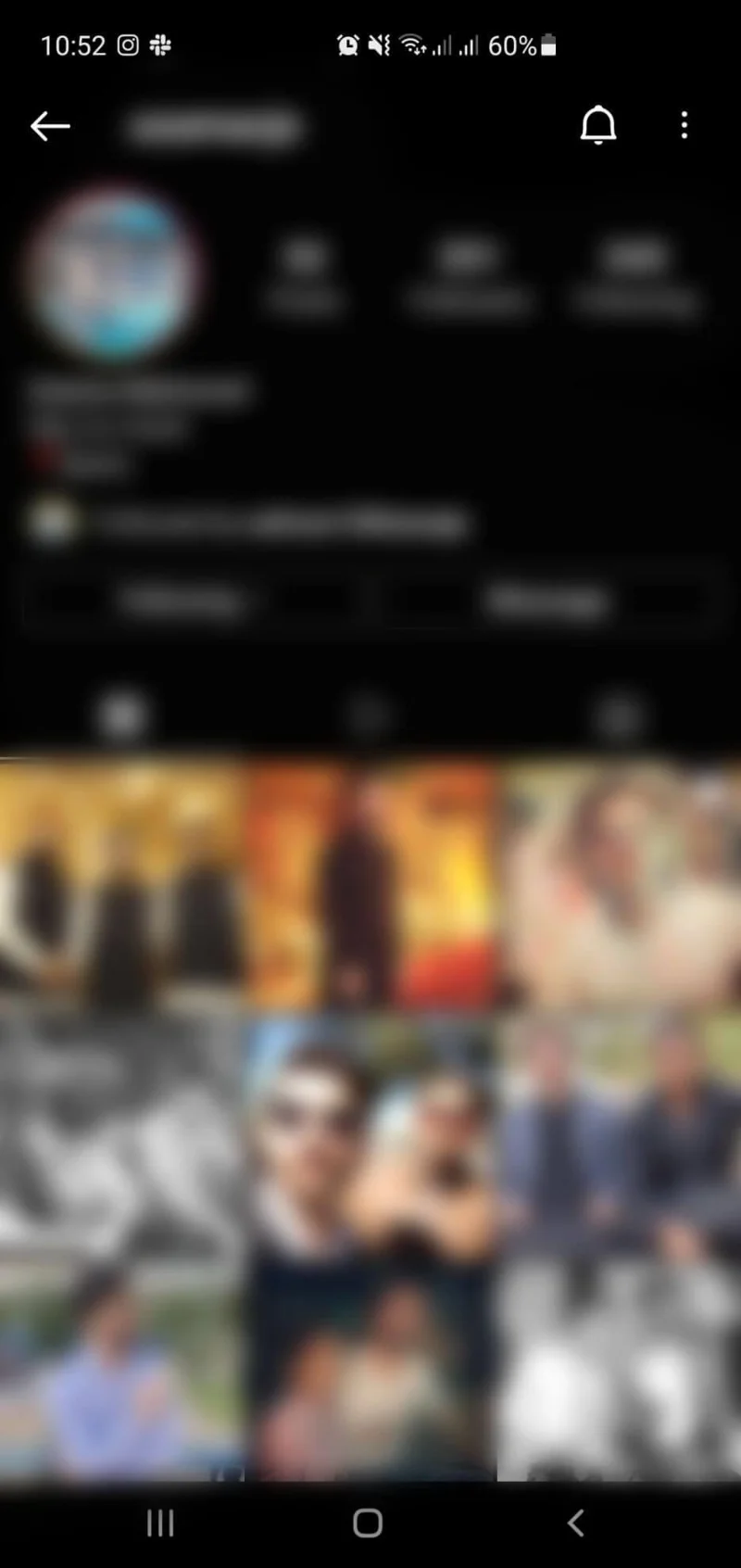
- From the Instagram profile , find the desired username.
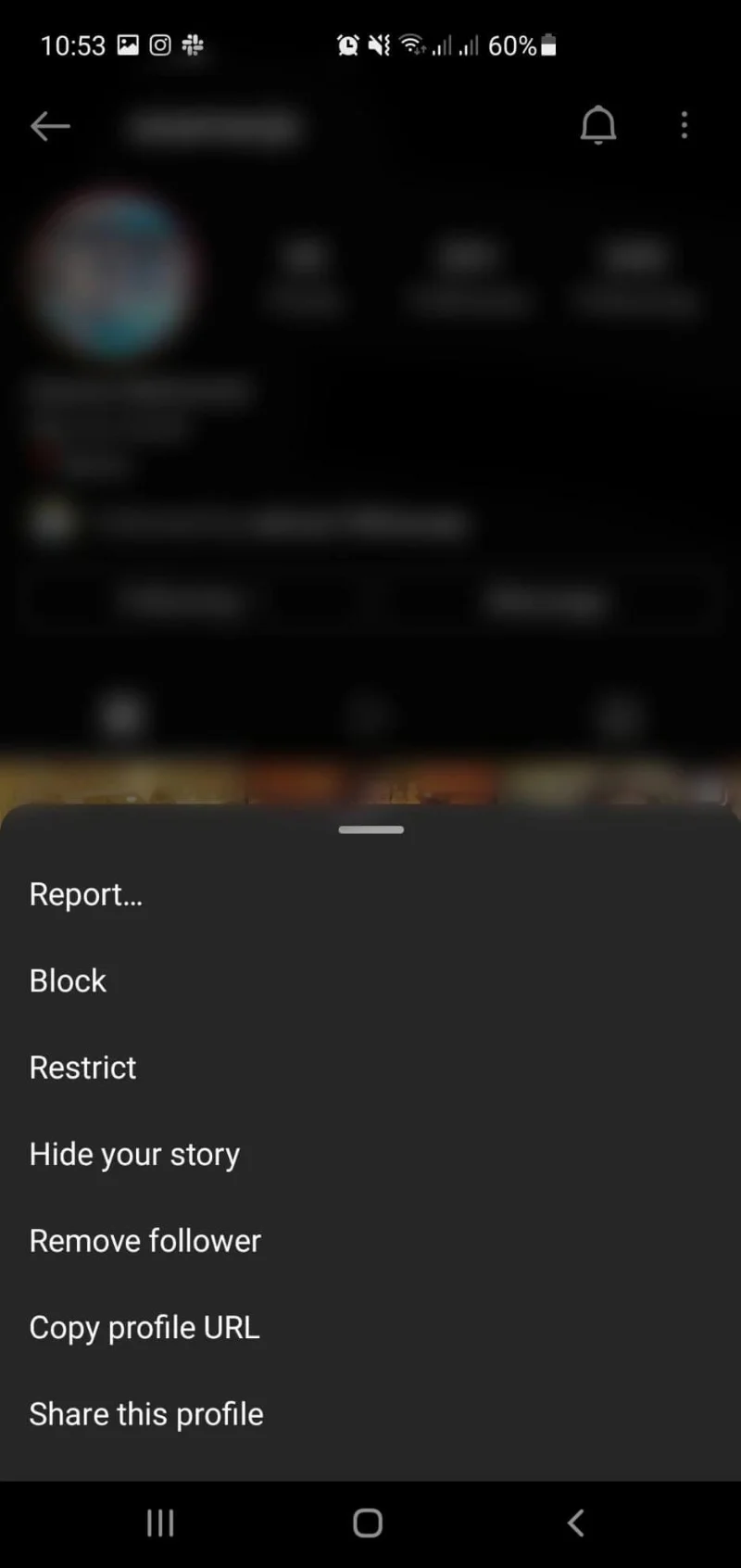
- After the profile opens, you will see a 3-dot icon in the top right corner.
- Click the 3 dots to open the menu. Select Copy Profile URL .
- This URL is ready to be shared.
On Instagram for mobile


- Log in to your Instagram account .
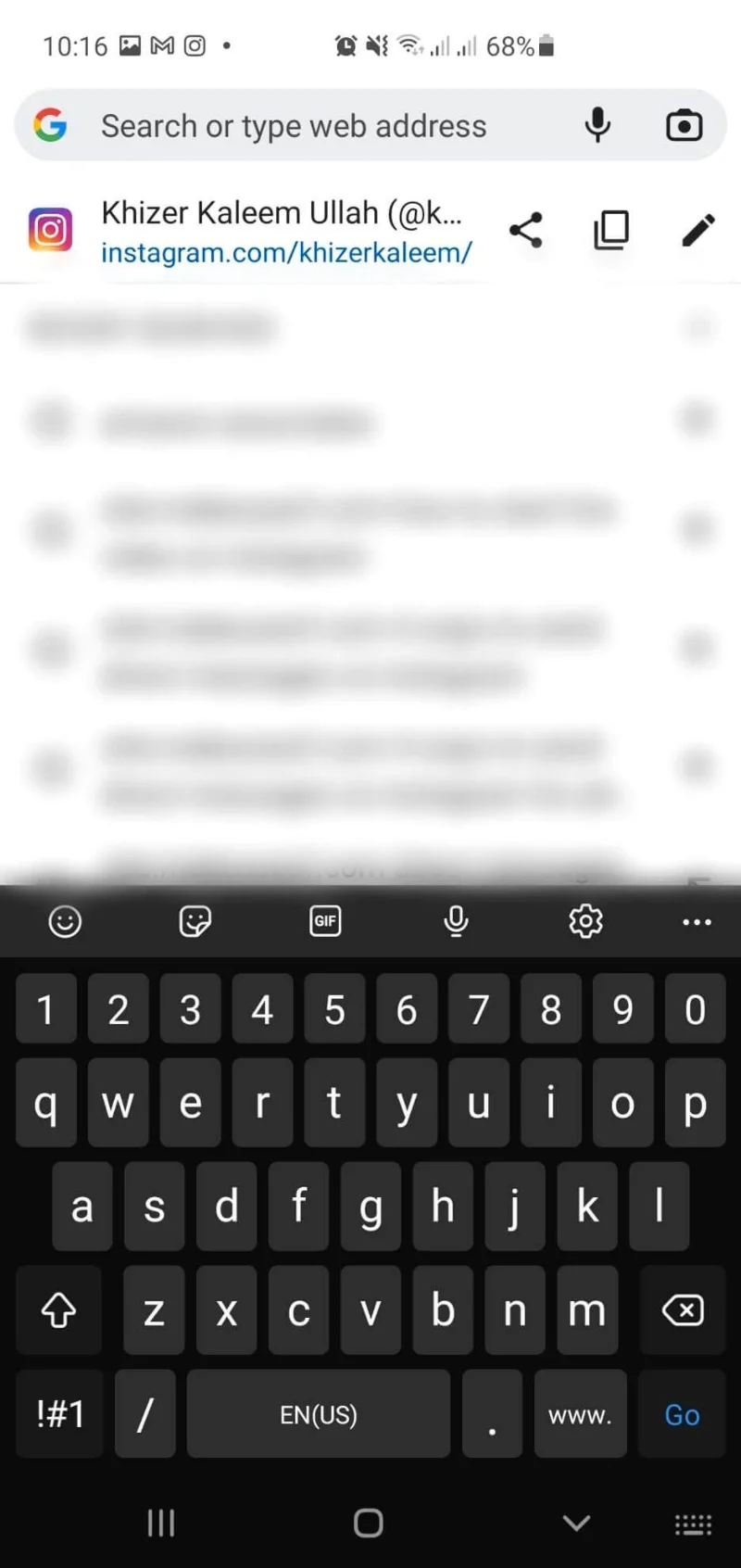
- Use Search to find the desired profile.
- After getting the desired results, the link in the URL bar will change to https://www.instagram.com/username/. This is the Instagram link of the person you want to find. Copy and paste it to the desired location.
On Instagram for desktop
1. Log in to your Instagram account.
2. Enter the username in the search bar above.

When you see their profile, the link in the URL bar will change to https://www.instagram.com/username/. That's the Instagram link of the person you want to share with. You can copy and paste it anywhere.
How to find post URLs on Instagram
To find post URLs on Instagram or your smartphone, follow these steps:


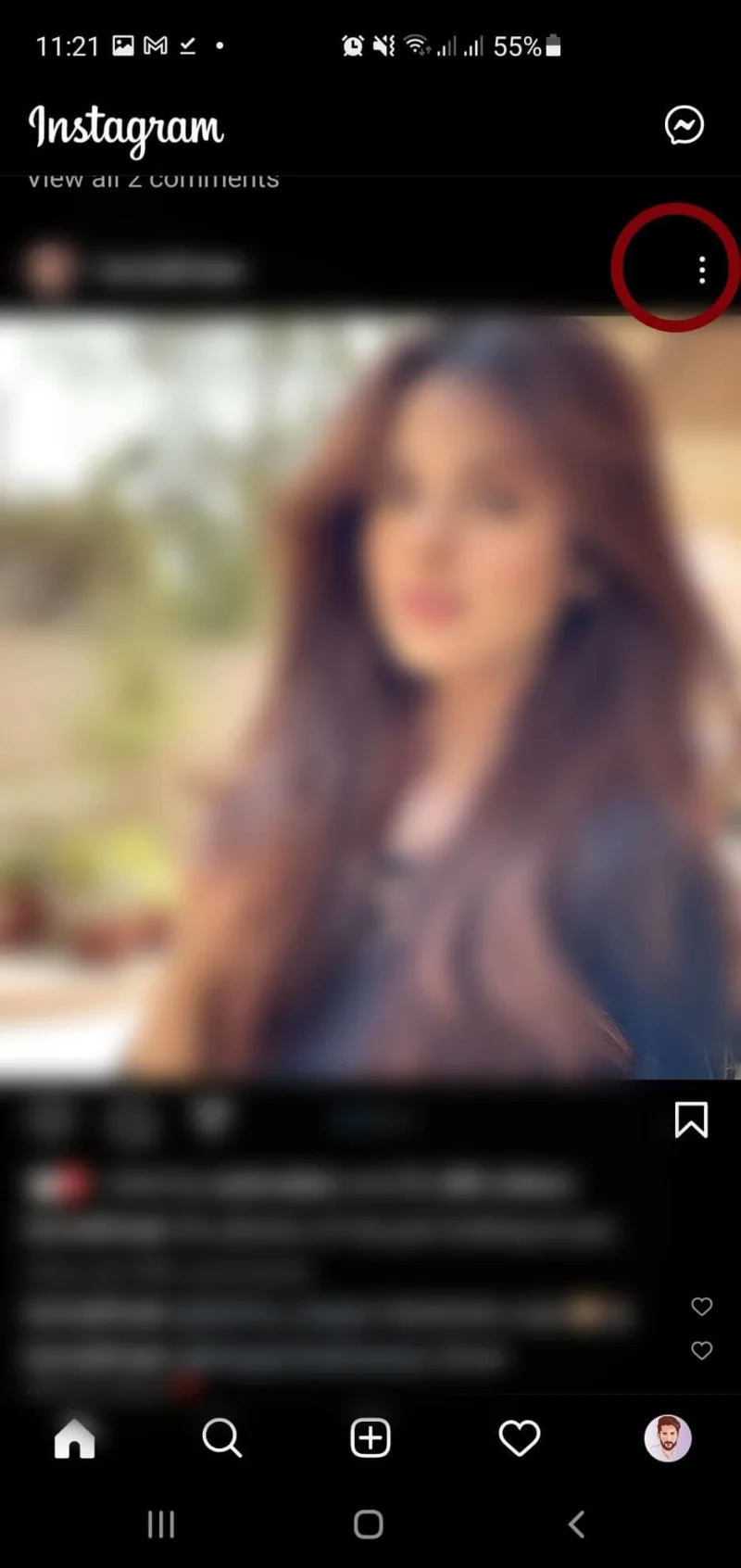
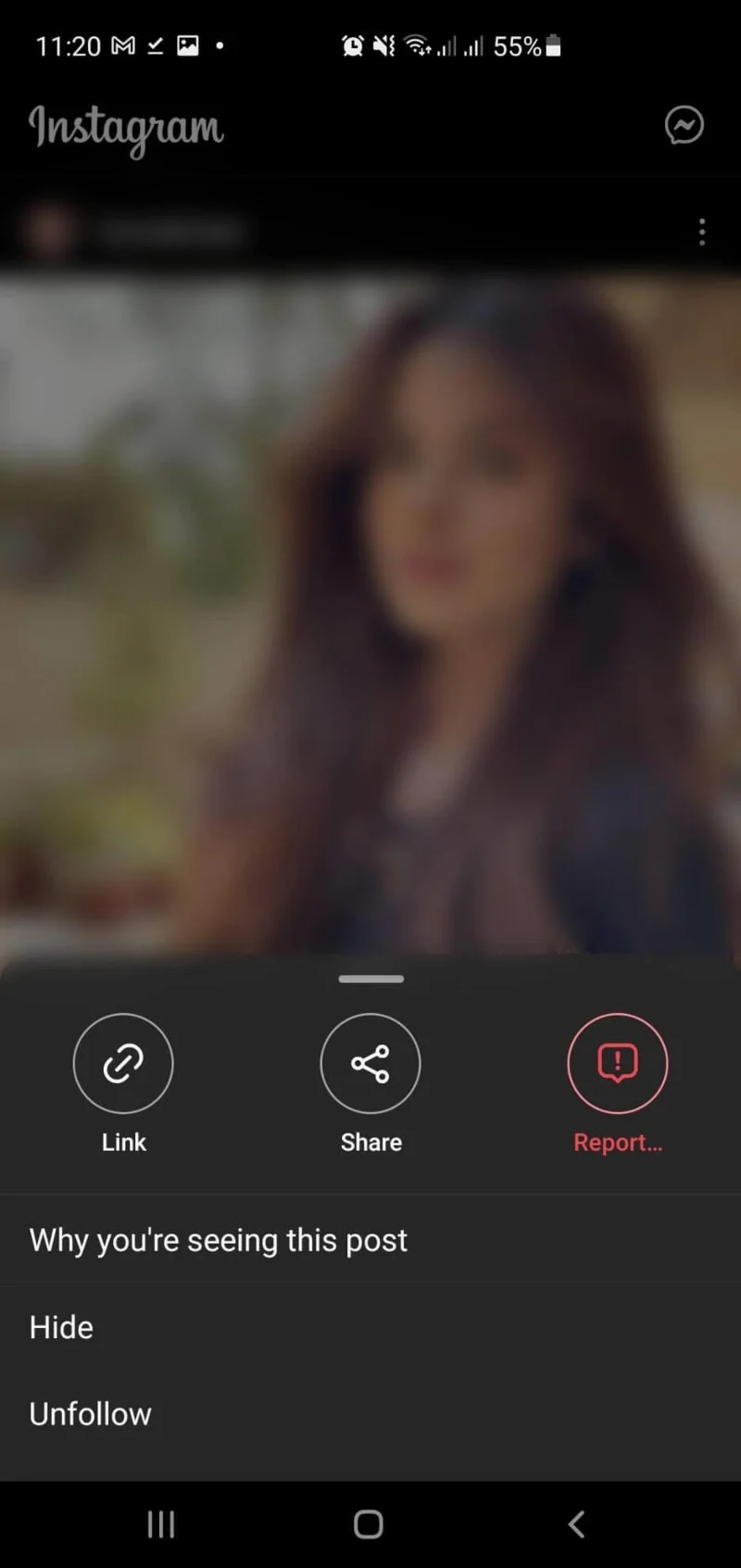
- Scroll down/Search for desired article. You will see a 3-dot icon in the right corner parallel to the username.
- Tap on those dots to open a new menu and find the Copy Link option .
- A notification appears, indicating that the link is ready to be shared.
Steps to change Instagram profile link
To change your Instagram account link, you need to change your username.
Instagram on app


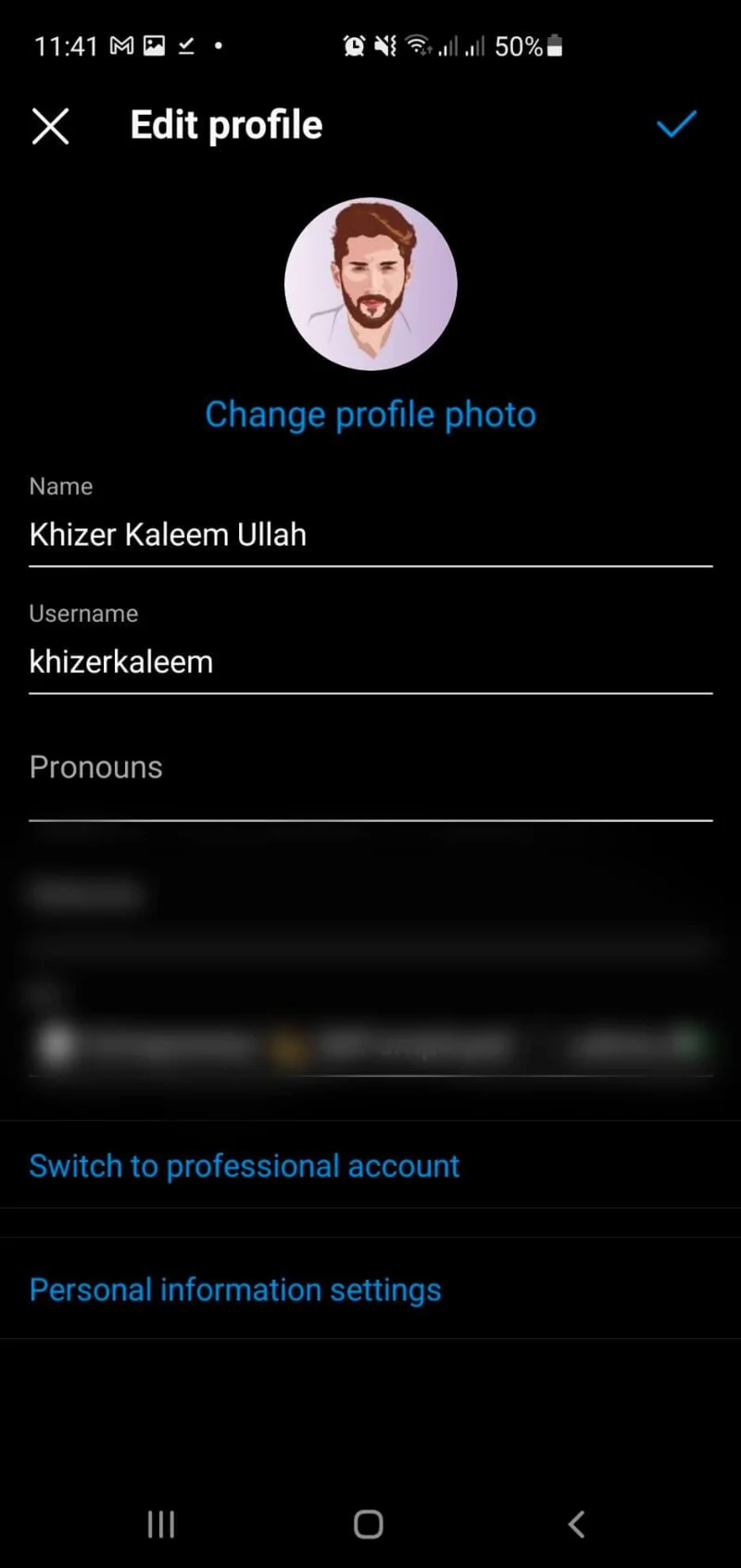
- Open Instagram profile and select Edit Profile .
- Go to Username. You can also change the email on your Instagram account as you wish.
- After confirmation, your new username will appear in the profile link.
Instagram on PC
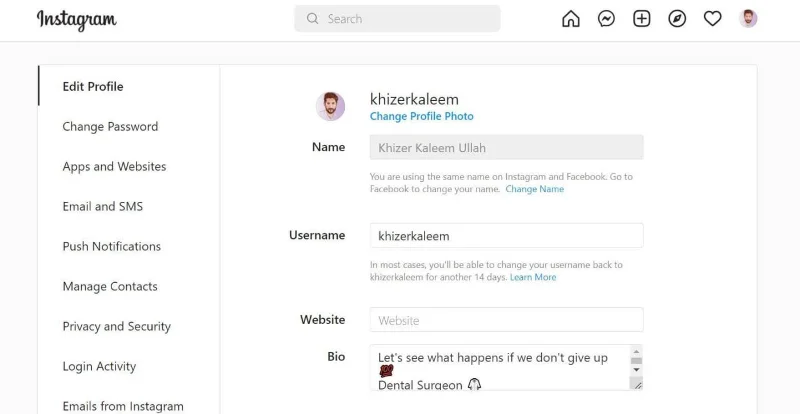
1. Open your Instagram Profile .
2. Select Edit Profile and go to Username .

3. Change the username and select Submit to save the settings.

3. After confirmation, add a new username to the link https://www.instagram.com/username/. This will be your new Instagram profile URL.
As you can see, finding and getting Instagram links is easy, right? Hope the article is useful to you.