Make Every New Writer Document Use Your Template
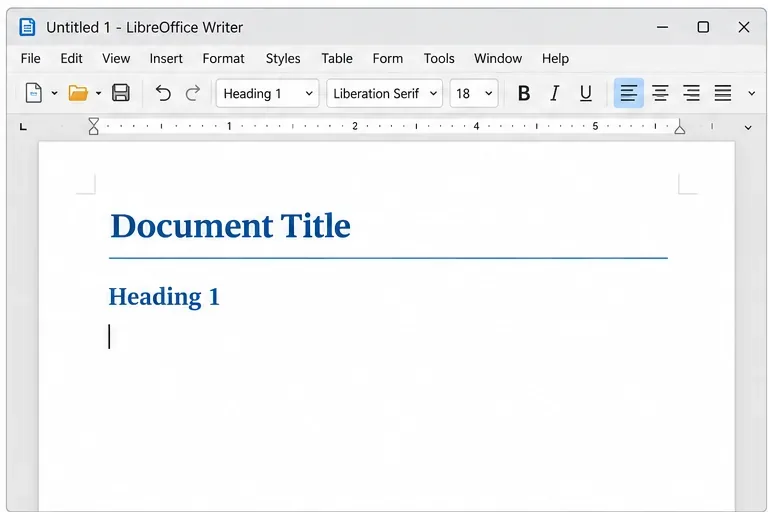
Set a custom LibreOffice Writer template as the default so new documents open with your preferred styles and page layout.
Imagine firing up your Microsoft Edge on Windows 11, only to stare at a blank screen or endless spinning wheels. Frustrating, right? You're not alone—many users face Microsoft Edge not loading pages due to network glitches, outdated software, or hidden settings. But don't worry! This guide walks you through simple, effective fixes to restore your browsing bliss. We'll keep things straightforward, focusing on the most reliable solutions based on the latest troubleshooting methods. Let's dive in and get you back online fast. 😊
Before jumping into fixes, understanding the root causes can save you time. Common culprits include:
These issues are often quick to resolve with targeted steps. Follow along, and you'll likely spot the fix that works for you. Ready to troubleshoot? Let's start with the basics.
Sometimes, the simplest actions yield the biggest results. Begin here to rule out temporary glitches.
If these don't help, don't stress; we're escalating to more powerful fixes. Keep reading for deeper solutions that tackle stubborn problems.
Over time, Microsoft Edge accumulates cache and cookies that can corrupt and cause not loading pages. Clearing them is like giving your browser a fresh start.
How to Do It:
Pro Tip: If you're signed into accounts like Gmail, you'll need to log back in afterward—but it's worth it for smoother performance. Many users report instant relief from this step alone! 🌟
Outdated software is a frequent villain in Microsoft Edge not loading pages on Windows 11. Ensure everything's current for compatibility and security.
Update Edge:
Update Windows 11:
Staying updated prevents bugs from the latest patches. If updates fail, try running the Windows Update Troubleshooter in Settings > System > Troubleshoot > Other troubleshooters.
Extensions can clash with Windows 11's features, causing load failures. Let's isolate them.
For a quick reset, use Edge's built-in troubleshooter: Settings > System and performance > Reset settings > Restore settings to their default values. This won't delete bookmarks or passwords.
Feeling empowered yet? These steps often resolve 80% of issues. But if pages still won't load, let's tackle network and security hurdles next.
Network woes can make Microsoft Edge seem broken when it's really a connection problem. Here's how to smooth things out.
Flush DNS and Reset Network:
Switch to a Public DNS: For better reliability, change to Google's DNS.
| Network Adapter | Preferred DNS | Alternate DNS |
|---|---|---|
| IPv4 Properties | 8.8.8.8 | 8.8.4.4 |
| IPv6 Properties (if applicable) | 2001:4860:4860::8888 | 2001:4860:4860::8844 |
To apply: Settings > Network & internet > Properties > Edit IP settings > Manual > Enter DNS values. Test in Edge afterward.
This fix has saved countless sessions from DNS dead ends. If you're on a VPN, try disabling it temporarily too.
Security tools might overprotect, blocking Edge from loading pages. Adjust wisely.
For advanced users, consider repairing Edge via PowerShell: Run as admin, then Get-AppXPackage *Edge* | Foreach {Add-AppxPackage -DisableDevelopmentMode -Register "$($_.InstallLocation)\AppXManifest.xml" -Verbose}.
Still stuck? Visit Microsoft's official support for tailored help: Microsoft Edge Support.
To keep Microsoft Edge not loading pages from recurring, adopt these habits:
By staying proactive, you'll enjoy seamless browsing. If these steps worked for you, share in the comments below—what fixed it? Your story could help others! 👏
We've covered the essentials to banish Microsoft Edge woes on Windows 11. From quick restarts to deep resets, you're now equipped to handle any load failure. Happy browsing—may your pages load lightning-fast! 🚀
Set a custom LibreOffice Writer template as the default so new documents open with your preferred styles and page layout.
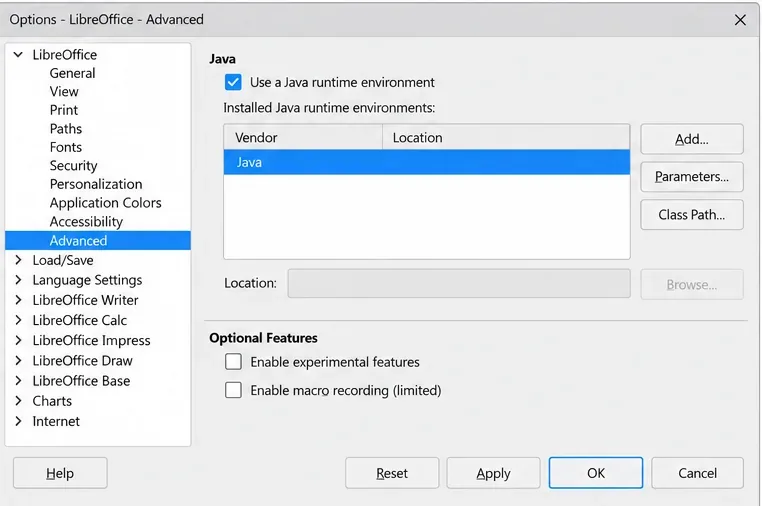
Install a compatible Java runtime, enable it in LibreOffice, and troubleshoot an empty JRE list without changing unrelated settings.
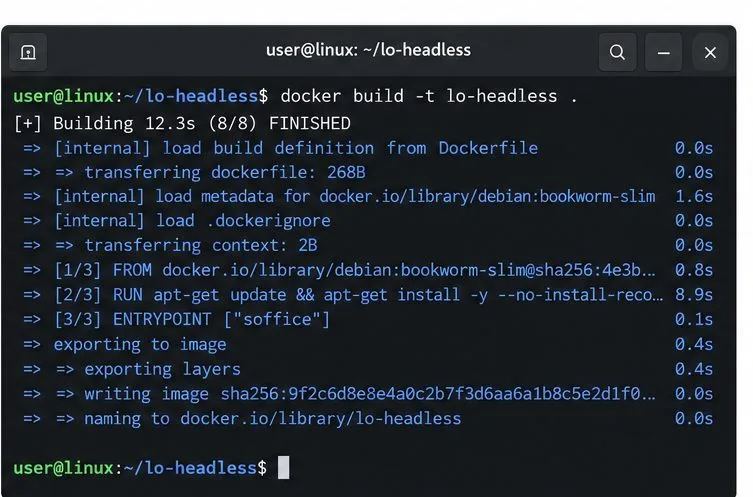
Build a small LibreOffice container, convert office documents without a GUI, and verify PDF output while limiting host-file access.
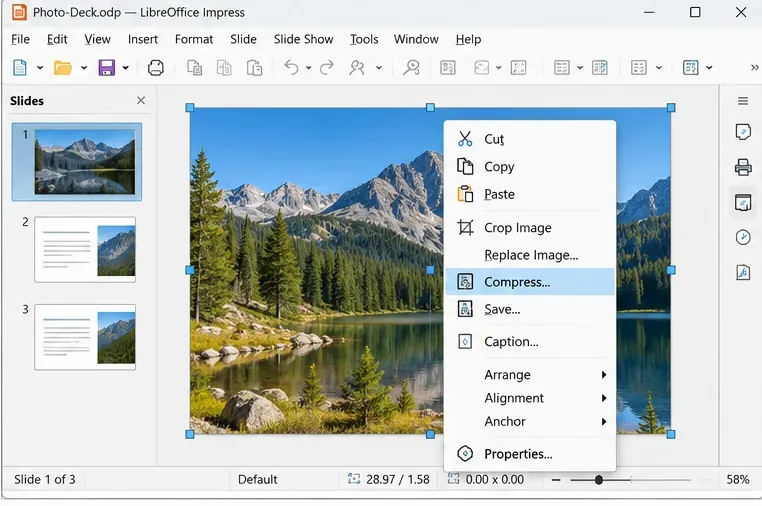
Reduce oversized LibreOffice presentation files by compressing embedded photos, choosing sensible image settings, and checking slide quality before sharing.
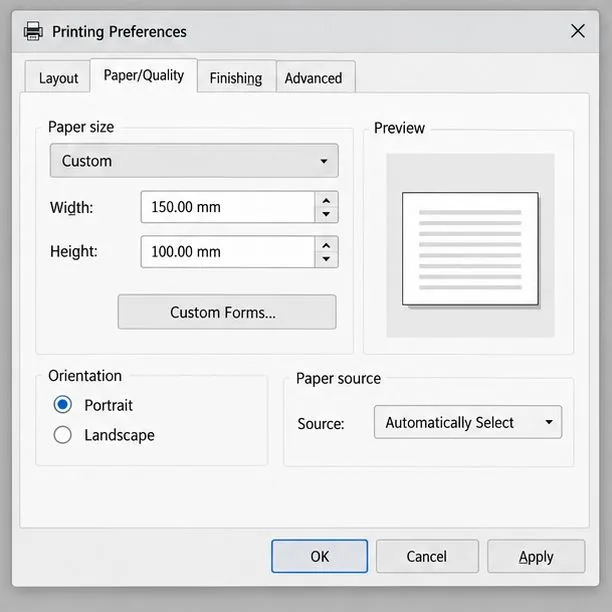
Match LibreOffice’s page dimensions to your printer, check printable margins, and correct scaling before printing a custom-size document.
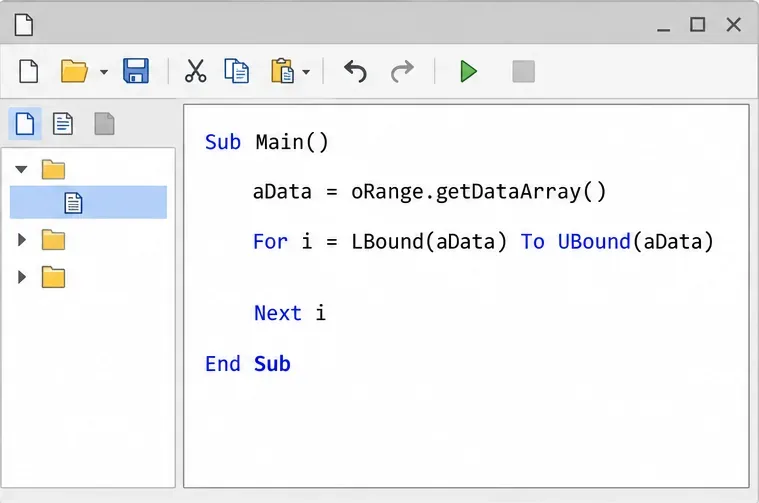
Replace repeated cell access with bulk range reads and writes, then benchmark the result and protect formulas in large Calc workbooks.
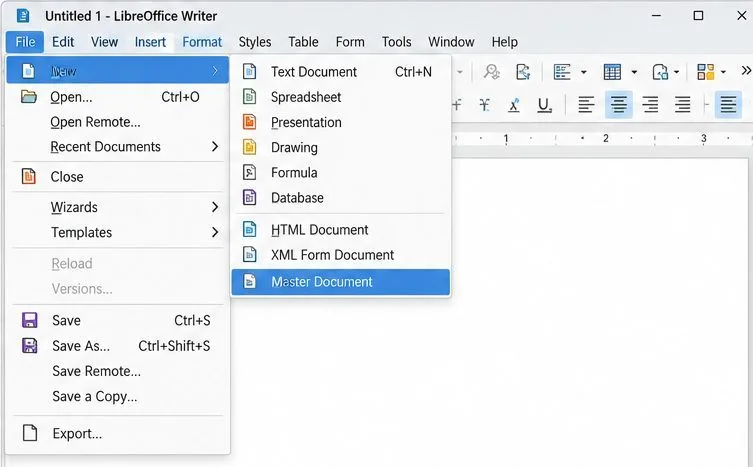
Split a long manuscript into chapters, assemble them in Writer, and keep styles, contents, and export checks consistent.
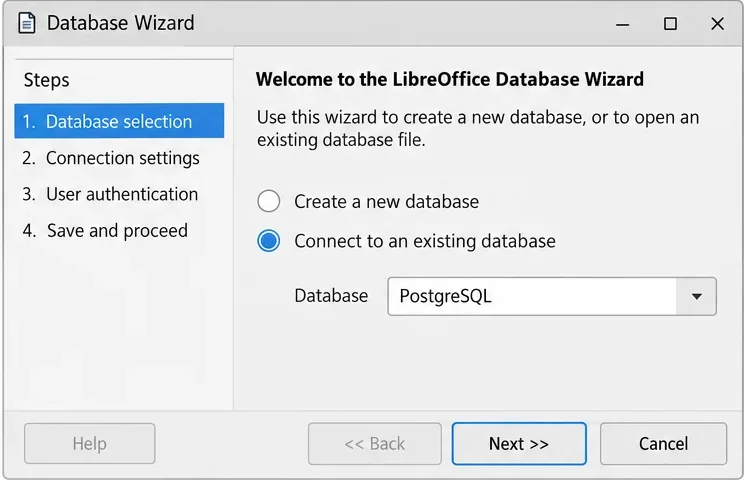
Use Base’s direct PostgreSQL option to enter your server details, sign in, save an ODB connection file, and troubleshoot common access errors.
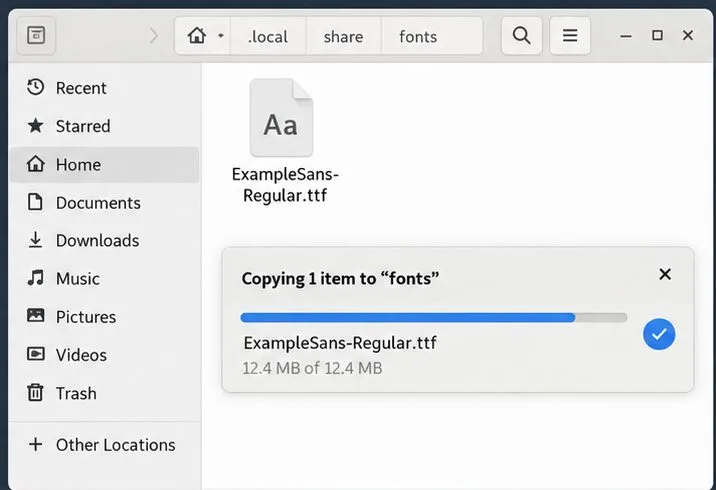
Install a font in your Linux user font folder, restart LibreOffice Flatpak, and confirm it appears in Writer without weakening the app sandbox.
Protect your work and isolate network-drive save crashes in LibreOffice on macOS Sonoma with a local-first workflow, permission checks, and targeted tests.