Keep Writer Revisions Visible When Exporting to DOCX
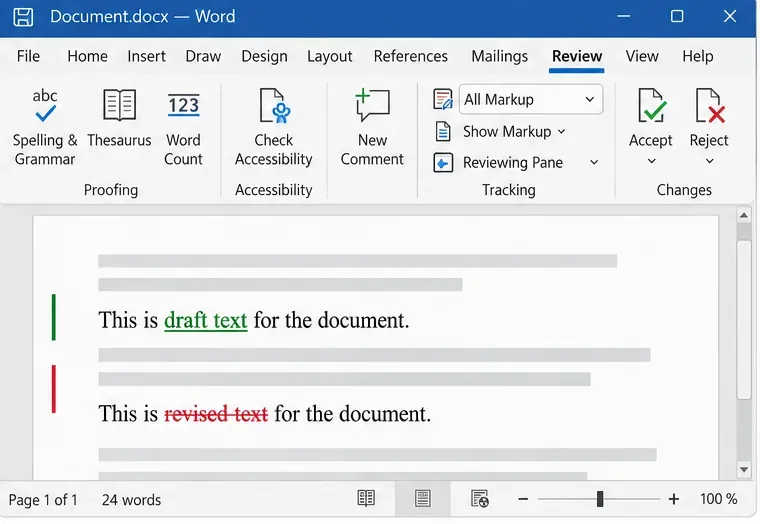
Track edits in Writer, preserve an editable ODT source, and check the exported DOCX in Word before sharing it.
When surfing the web, many times you will encounter very annoying errors like 400 Bad Request or 404 Not Found. Today, Download.com.vn will work with you to find one more error while browsing the web, which is the 401 Unauthorized Error. This is not a rare error, but what is the 401 Unauthorized Error and how to fix it?
What is 401 Unauthorized Error?
This error occurs when the web server (used to operate the website) will understand that the HTTP data stream sent from the client (such as web browser or CheckUpDown Robot) is correct, but accessing the URL needs authentication. user - this permission has not been provided or provided but failed to test. This error is generally known as HTTP Basic Authentication. User authentication requires the client to be specified via HTTP - the WWW authentication header field.
Put simply, a 401 error occurs when you need to log in (enter a valid username and password) first. If you have entered enough information but still get the 401 error, this means either a wrong ID or a wrong password. The reason may be because you entered the wrong characters, the ID has been locked, outdated ...
The 401 Unauthorized Error error displays differently on each website, but usually in the following forms:
401 Unauthorized
Authorization Required
HTTP Error 401 - Unauthorized
Error 401 Unauthorized Error displayed inside the Internet browser window.
Explore more:
What is the 400 Bad Request error? How to fix the 400 Bad Request error
Instructions for fixing 404 Not Found errors on computers and phones
Instructions to fix error 401 Unauthorized Error
Check for errors in the URL
The 401 HTTP error is most likely to occur when you enter the wrong URL or click on the wrong link - the URL is only for authorized users.
Check login
If you are sure the URL is correct, go to the home page and look for a Login or Secure Access entry. Enter your personal account and password and reload. If you don't have an account, follow the instructions to register a new account.
401 Unauthorized Error itself may be an error
If you are sure that the website you are visiting does not require user login, the 401 Unauthorized Error can be a rare error. Please contact the webmaster and notify them of this error. Typically, support Email addresses of pages will look like webmaster@website.com, replacing website.com with the site name.
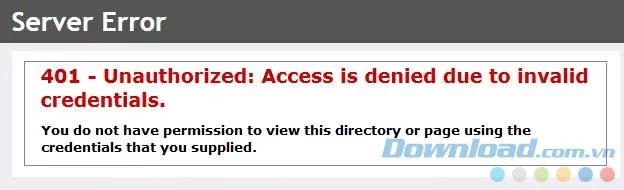
Error due to wrong account or password
The 401 Unauthorized Error error may appear immediately after logging in, which means the website has recognized your username and password but either one or both of these fields are wrong (for example, typing the wrong ID, wrong password...). You can re-enter or use the password recovery right on the login page.
Can't fix 401 error?
If you have followed the above four ways and still encounter a 401 Unauthorized Error when accessing any website, you can contact the website administrator directly for assistance.
Track edits in Writer, preserve an editable ODT source, and check the exported DOCX in Word before sharing it.
Follow SUSE’s SP7 procedure to enable FIPS mode, reboot safely, verify the active policy, and check whether your compliance requirement calls for validated modules.
Compare YaST and cryptsetup for a new encrypted SLES data volume, choose LUKS1 or LUKS2, and verify unlock and mount behavior safely.
Create, refine, and verify a least-privilege AppArmor profile on SLES 15 SP7, with a clear note on SLES 16’s SELinux default.
Set up RMT on SLES 15, mirror entitled repositories, and verify HTTPS registration and package access from a test client.
Connect SLES 15 to AD with YaST’s SSSD-based logon management, then verify directory lookup, domain login, and Kerberos tickets.
Set up the right Live Patching path for SLES 16.0 or 15 SP7, apply eligible kernel fixes, and confirm what is active without confusing it with a reboot-required kernel update.
Load a custom SLES 15 kernel module without disabling Secure Boot. Match the running kernel, sign the .ko file, enroll a MOK key, and verify loading.
SLES 15 SP5 can migrate online to SP6, but each node must reboot. Use a tested rolling upgrade or blue-green cutover to keep workloads reachable.
Use SUSE’s supported STIG profile to scan SLES 15, test remediation, review remaining findings, and retain assessment evidence.








