Make Every New Writer Document Use Your Template
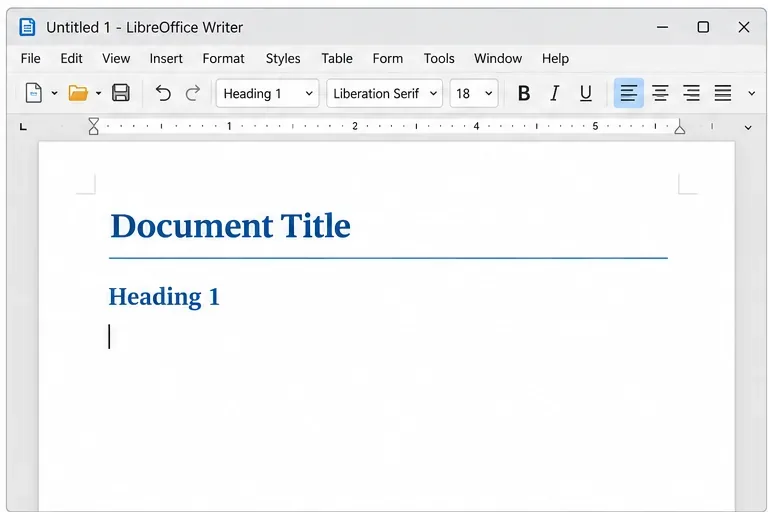
Set a custom LibreOffice Writer template as the default so new documents open with your preferred styles and page layout.
Imagine powering up your Windows 11 PC, only to be hit with a chilling blue screen flashing the dreaded 0x000000EF error code. It's frustrating, right? 😩 This Blue Screen of Death (BSOD) often signals a CRITICAL_PROCESS_DIED issue, where a vital system process crashes unexpectedly. But don't worry— you're not alone, and it's fixable! In this concise guide, we'll walk you through the most effective, up-to-date solutions to banish this error for good. By the end, your system will be back to peak performance, and you'll feel like a tech hero. Let's dive in and reclaim your productivity! 💪
The 0x000000EF error, commonly known as CRITICAL_PROCESS_DIED, indicates that a core Windows process has stopped functioning. This could stem from corrupted system files, faulty drivers, hardware glitches, or even malware. In the latest Windows 11 updates, Microsoft has refined error handling, but this BSOD persists for many users due to compatibility issues with newer hardware or software conflicts.
Common symptoms include sudden crashes during startup, gaming, or routine tasks, followed by an automatic restart. The good news? Most cases are software-related and resolvable without professional help. Stick with us as we outline targeted fixes—starting with the simplest ones to get you up and running fast. Ready to troubleshoot? Let's go! 🚀
Before jumping into repairs, ensure you're prepared. Boot into Safe Mode if possible—this loads Windows with minimal drivers, helping isolate the issue. Here's how:
Also, back up important data using an external drive or cloud service. Now, let's tackle the fixes. We'll prioritize non-destructive methods first, building confidence as we progress. You've got this! 🌟
Corrupted system files are a top culprit for Blue Screen 0x000000EF. Windows 11's built-in tools can scan and repair them effortlessly. Open Command Prompt as Administrator (search for "cmd" in the Start menu, right-click, and select Run as admin).
Execute these commands one by one:
Restart after completion. Many users report this resolves the error immediately, as it restores integrity without data loss. If it works, celebrate—you just saved hours! 🎉 If not, keep reading for the next step.
Outdated or incompatible drivers, especially for graphics or storage, often trigger CRITICAL_PROCESS_DIED. In the latest Windows 11 builds, automatic updates help, but manual checks ensure nothing's missed.
This fix is a game-changer for Windows 11 Blue Screen 0x000000EF, especially post-hardware upgrades. Test your PC afterward; if stable, you're golden! If crashes persist, we're onto hardware territory next. Hang in there—solutions are close. 👍
RAM faults can cause erratic crashes like 0x000000EF. Windows 11 includes a robust tool to test this.
If errors are found, reseat your RAM modules (power off, unplug, open case, and firmly reinsert). For deeper diagnostics, consider tools like MemTest86 (free download from official site). This step often uncovers hidden hardware woes, preventing future BSOD headaches. Feeling empowered yet? Let's continue! 🔧
Malware or too many startup programs can overload processes, leading to CRITICAL_PROCESS_DIED. Run a full scan with Windows Security:
Then, trim startup items: Press Ctrl+Shift+Esc for Task Manager > Startup tab > Disable non-essentials. These tweaks lighten the load on your system, making Windows 11 more resilient. Users who've tried this swear by the stability boost—try it and see the difference! 😊
If the error lingers, time for deeper intervention. Use System Restore to revert to a pre-error state:
Alternatively, boot from a Windows 11 installation USB (create one via Microsoft's Media Creation Tool) and select Repair your computer > Troubleshoot > Command Prompt. Run chkdsk C: /f /r to fix disk errors.
For stubborn cases, consider a clean boot or reset Windows (Settings > System > Recovery > Reset this PC, keeping files). These methods preserve your data while refreshing the OS. Pro tip: If hardware like your hard drive is failing, back up ASAP and consult a technician.
Once fixed, prevent recurrence with these habits:
| Tip | Why It Helps | How to Implement |
|---|---|---|
| Regular Updates | Patches vulnerabilities | Enable auto-updates in Settings |
| Driver Maintenance | Avoids conflicts | Update quarterly via Device Manager |
| Hardware Checks | Detects early failures | Run diagnostics monthly |
| Antivirus Scans | Blocks malware | Schedule weekly full scans |
Adopting these keeps your Windows 11 fortress secure. For official guidance, check Microsoft's support page on BSOD troubleshooting.
Congrats on making it through! Fixing the Windows 11 Blue Screen 0x000000EF doesn't have to be a nightmare— with these steps, most users resolve it swiftly. If issues persist, professional help or community forums like Reddit's r/Windows11 can offer tailored advice. Your PC is worth it, and now it's stronger than ever. Share your success story in the comments below—what fixed it for you? Let's keep the conversation going! 👏
Set a custom LibreOffice Writer template as the default so new documents open with your preferred styles and page layout.
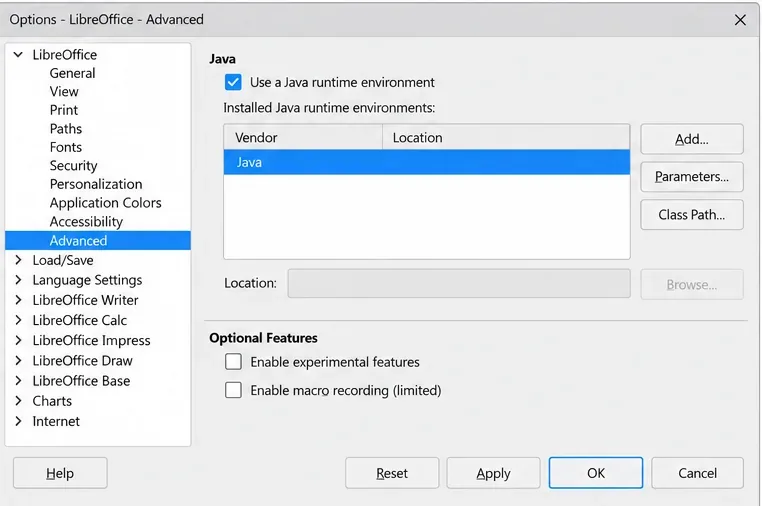
Install a compatible Java runtime, enable it in LibreOffice, and troubleshoot an empty JRE list without changing unrelated settings.
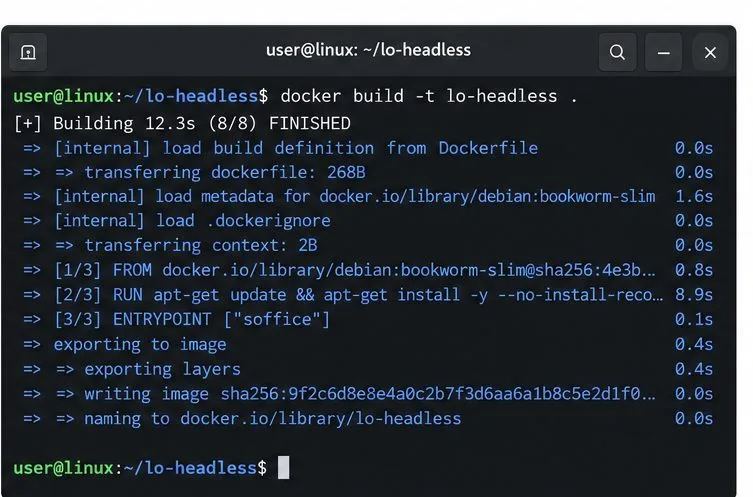
Build a small LibreOffice container, convert office documents without a GUI, and verify PDF output while limiting host-file access.
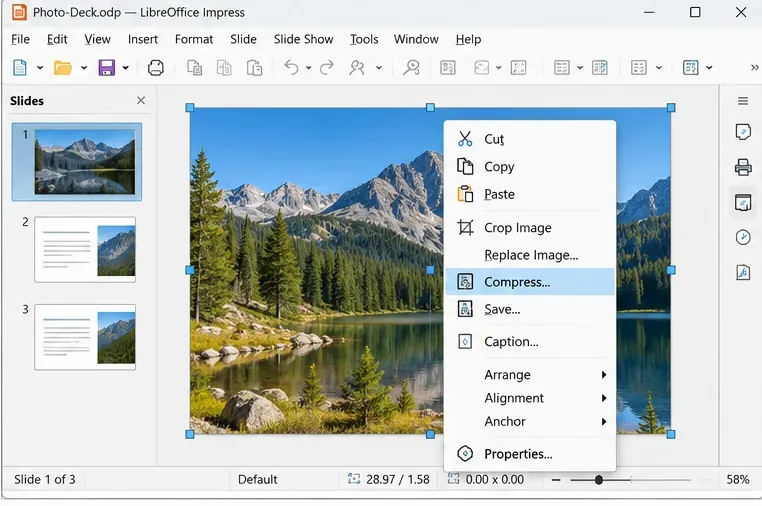
Reduce oversized LibreOffice presentation files by compressing embedded photos, choosing sensible image settings, and checking slide quality before sharing.
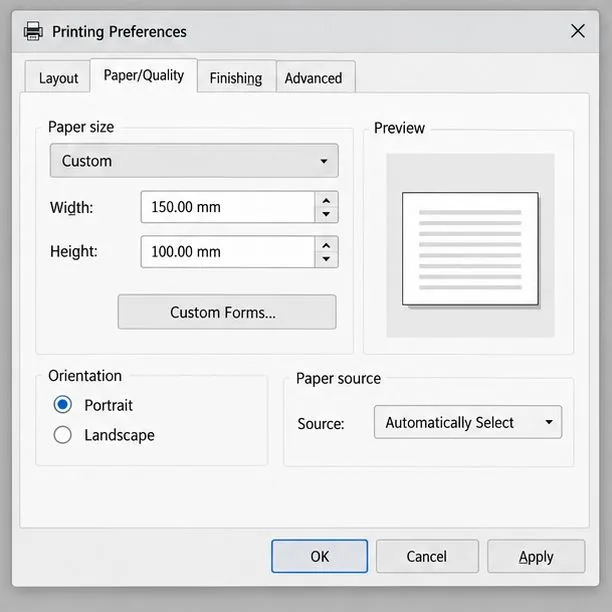
Match LibreOffice’s page dimensions to your printer, check printable margins, and correct scaling before printing a custom-size document.
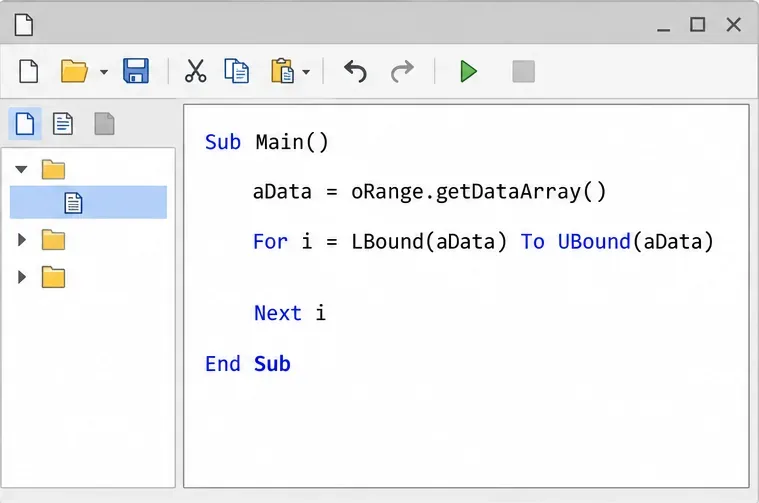
Replace repeated cell access with bulk range reads and writes, then benchmark the result and protect formulas in large Calc workbooks.
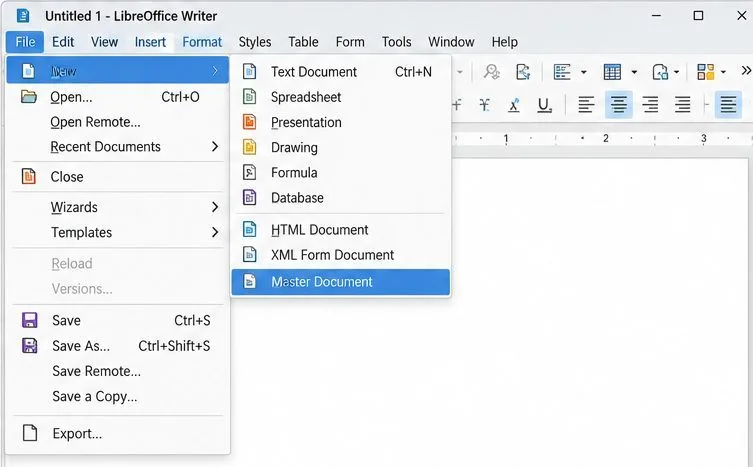
Split a long manuscript into chapters, assemble them in Writer, and keep styles, contents, and export checks consistent.
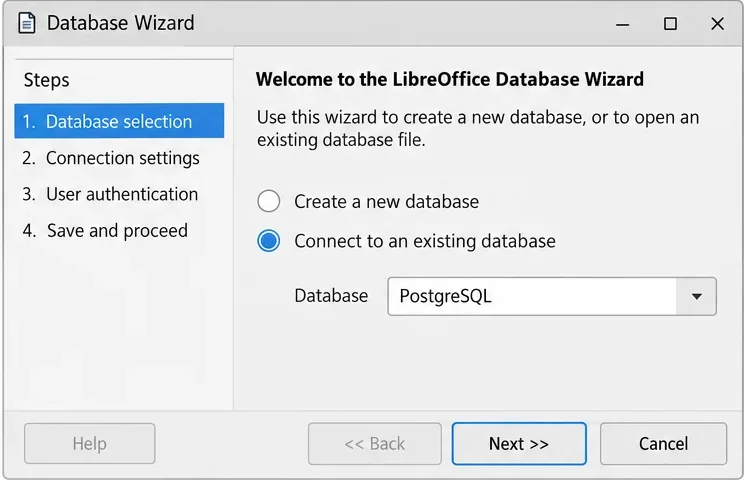
Use Base’s direct PostgreSQL option to enter your server details, sign in, save an ODB connection file, and troubleshoot common access errors.
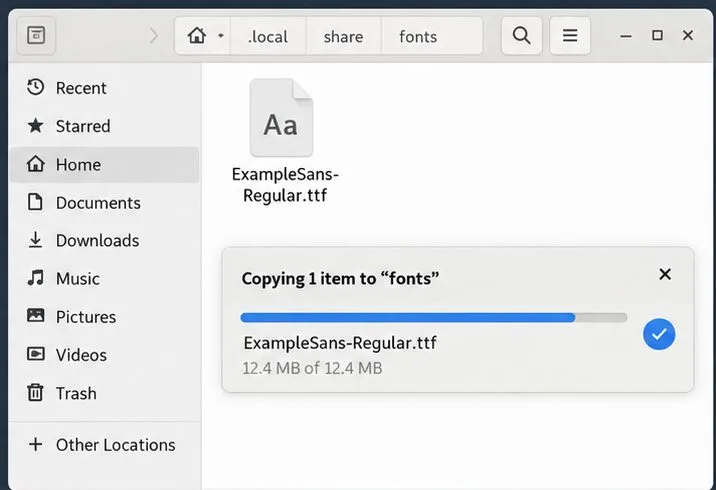
Install a font in your Linux user font folder, restart LibreOffice Flatpak, and confirm it appears in Writer without weakening the app sandbox.
Protect your work and isolate network-drive save crashes in LibreOffice on macOS Sonoma with a local-first workflow, permission checks, and targeted tests.