Make Every New Writer Document Use Your Template
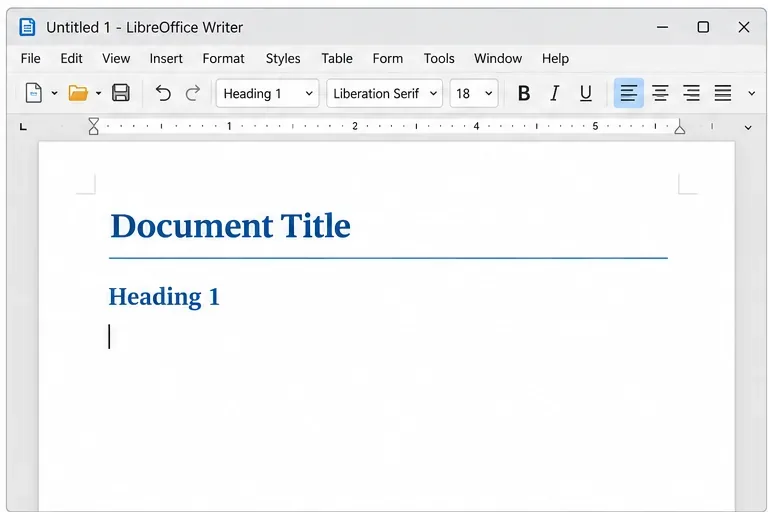
Set a custom LibreOffice Writer template as the default so new documents open with your preferred styles and page layout.
Imagine firing up your favorite movie or game on Windows 11, only to find Dolby Access stubbornly refusing to launch. Frustrating, right? 😩 You're not alone—many users encounter this glitch, but the good news is it's often fixable with simple steps. In this guide, we'll dive straight into the most effective ways to resolve Dolby Access not opening on Windows 11. We'll keep it focused, actionable, and empowering, so you can reclaim your immersive audio experience in no time. Let's get your sound system booming again! 🎉
Dolby Access is Microsoft's go-to app for delivering rich, spatial audio through Dolby Atmos and other enhancements. When it fails to open, it could stem from outdated software, corrupted files, or compatibility hiccups with Windows 11's latest updates. Common symptoms include the app icon flashing briefly before vanishing, error messages like "Something went wrong," or no response at all.
Don't worry—this isn't a hardware fault. Recent Windows 11 patches have addressed many audio-related bugs, but lingering issues can persist. By following these targeted fixes, you'll pinpoint and eliminate the problem efficiently. Ready to troubleshoot? Let's start with the basics and build from there. 👍
Before diving into advanced tools, rule out simple oversights. These quick wins resolve Dolby Access not opening for a surprising number of users.
If these don't work, it's time to dig deeper. Keep reading for more powerful solutions that will have you back to enjoying crystal-clear sound. 🎧
Corrupted installation files are a prime culprit for Dolby Access not opening. Reinstalling wipes out the bad data and reinstalls a clean version from the Microsoft Store.
Pro tip: Ensure your internet is stable during reinstall—downloads can fail otherwise. This method has a high success rate, especially after recent Windows 11 optimizations for Store apps. Still stuck? Let's troubleshoot further. 😊
Sometimes, Dolby Access gets bogged down by cached files. Resetting it refreshes everything without a full reinstall.
| Action | Steps | Why It Helps |
|---|---|---|
| Reset App | Settings > Apps > Installed apps > Dolby Access > Advanced options > Reset | Clears temporary files causing launch failures |
| Repair App | Same path > Advanced options > Repair (try this first) | Fixes minor corruption without data loss |
| Clear Microsoft Store Cache | Run Windows Terminal as admin: wsreset.exe, then Enter | Resolves Store-related download/install glitches |
After resetting, test Dolby Access. This is especially useful if you've recently updated Windows 11, as cache buildup can interfere with new features like enhanced spatial audio. Feeling optimistic yet? You're halfway there! ⭐
Third-party audio enhancers or outdated drivers might clash with Dolby Access. Here's how to identify and fix conflicts on Windows 11.
These steps prevent interference, ensuring Dolby Access opens smoothly. If drivers are the issue, updating them often unlocks better performance too. Excited to hear the difference? Keep going! 🔊
If basics fail, escalate to these pro-level solutions. They're safe but require caution.
sfc /scannow, then DISM /Online /Cleanup-Image /RestoreHealth. These repair corrupted system files affecting apps like Dolby Access.For the latest on Windows 11 audio fixes, check Microsoft's official support: Microsoft Sound Troubleshooting. These tools, refined in 2026 updates, tackle even stubborn glitches.
Once fixed, stay ahead: Enable automatic updates in Settings > Windows Update, avoid sketchy audio mods, and restart weekly. Your setup will thank you with flawless Dolby Access performance every time. 🎊
There you have it—a complete roadmap to conquer Dolby Access not opening on Windows 11. If these steps worked for you, drop a comment below sharing your success story. Got more audio tips? Let's keep the conversation going. Happy listening! 👏
Set a custom LibreOffice Writer template as the default so new documents open with your preferred styles and page layout.
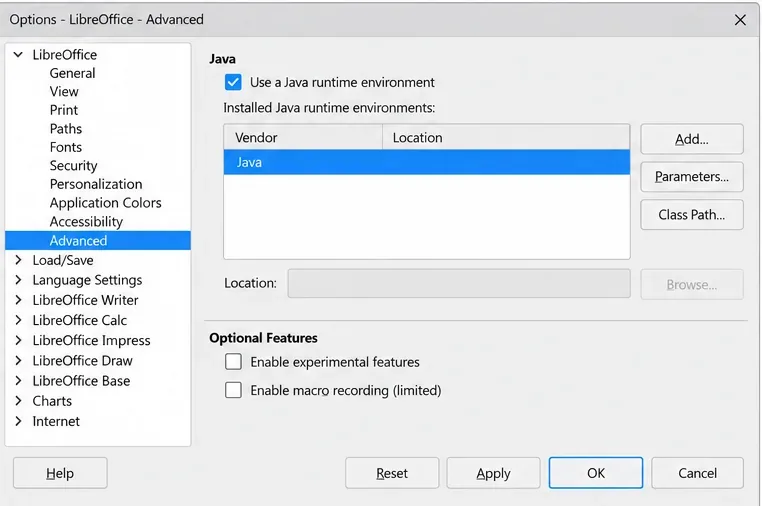
Install a compatible Java runtime, enable it in LibreOffice, and troubleshoot an empty JRE list without changing unrelated settings.
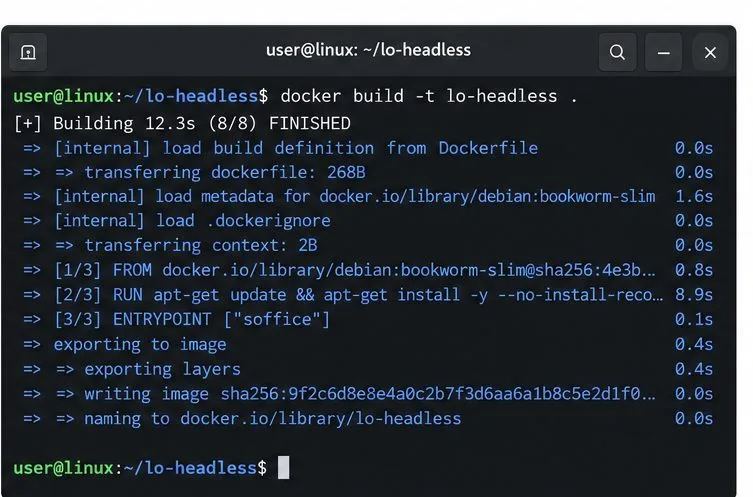
Build a small LibreOffice container, convert office documents without a GUI, and verify PDF output while limiting host-file access.
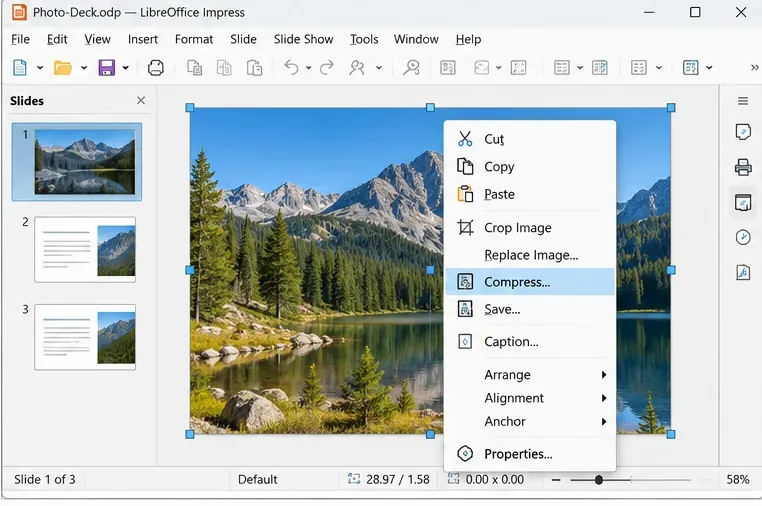
Reduce oversized LibreOffice presentation files by compressing embedded photos, choosing sensible image settings, and checking slide quality before sharing.
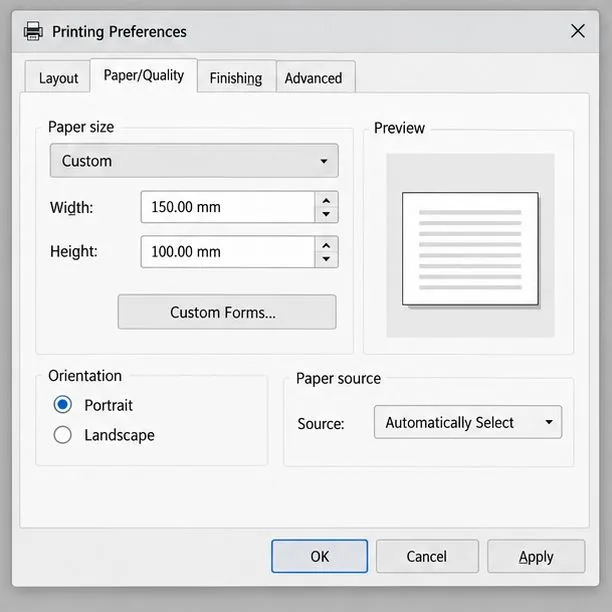
Match LibreOffice’s page dimensions to your printer, check printable margins, and correct scaling before printing a custom-size document.
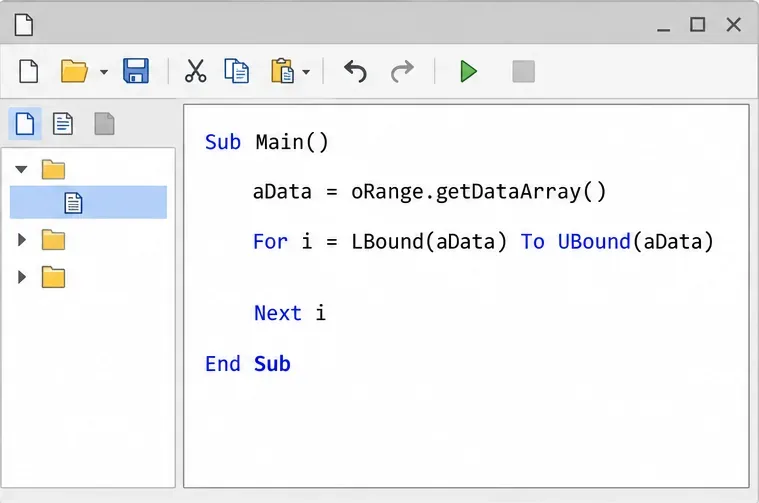
Replace repeated cell access with bulk range reads and writes, then benchmark the result and protect formulas in large Calc workbooks.
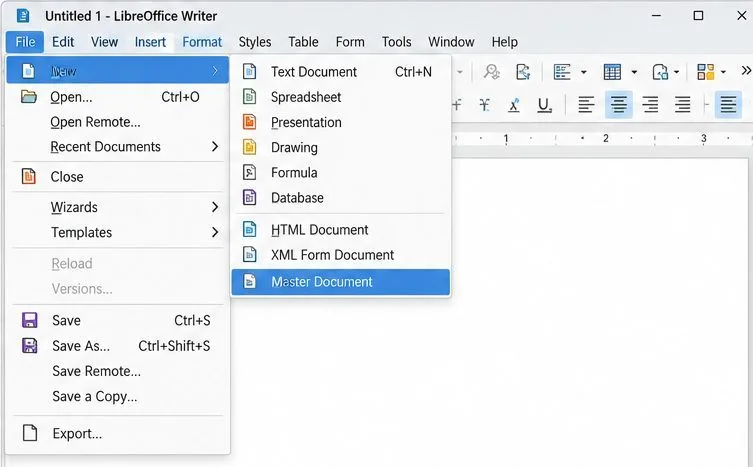
Split a long manuscript into chapters, assemble them in Writer, and keep styles, contents, and export checks consistent.
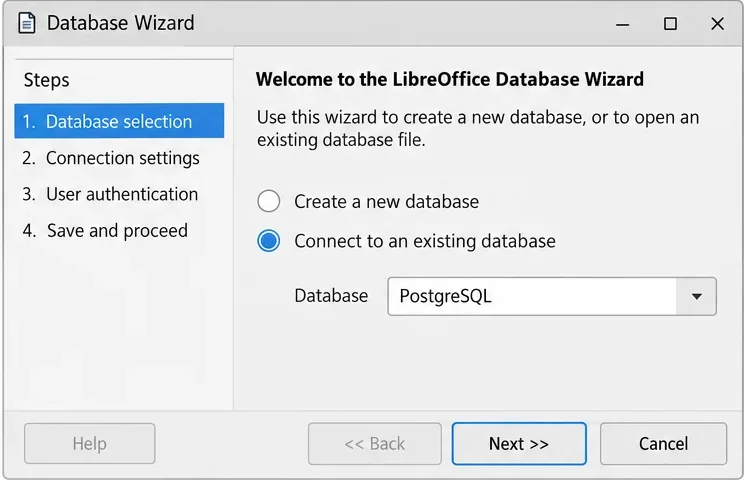
Use Base’s direct PostgreSQL option to enter your server details, sign in, save an ODB connection file, and troubleshoot common access errors.
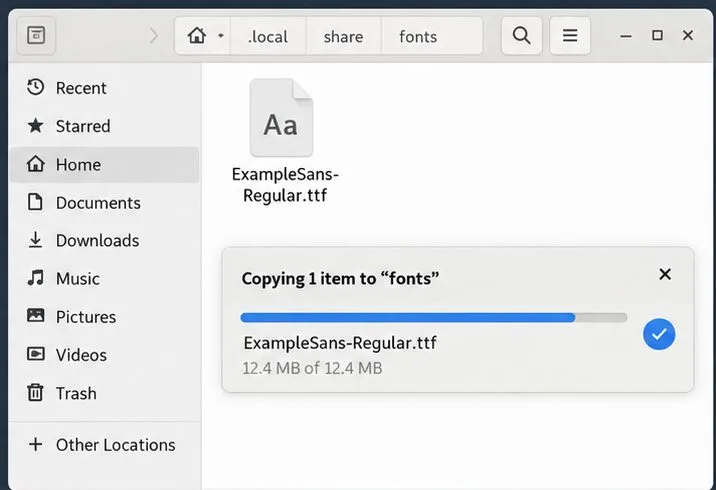
Install a font in your Linux user font folder, restart LibreOffice Flatpak, and confirm it appears in Writer without weakening the app sandbox.
Protect your work and isolate network-drive save crashes in LibreOffice on macOS Sonoma with a local-first workflow, permission checks, and targeted tests.