Make Every New Writer Document Use Your Template
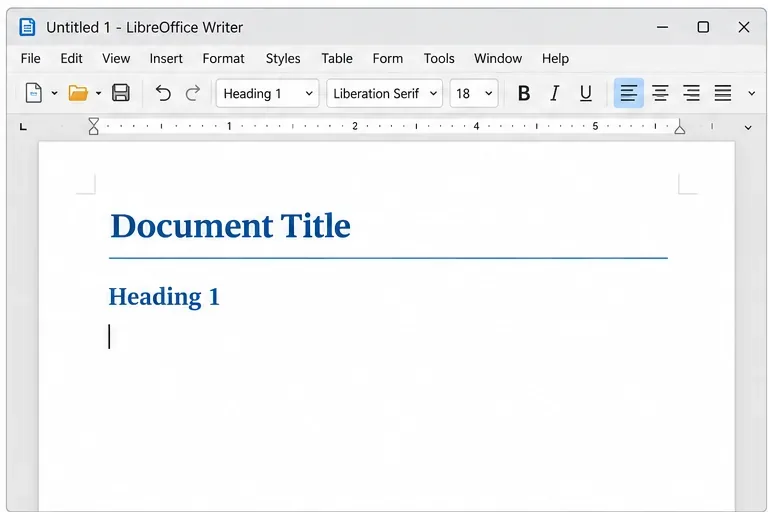
Set a custom LibreOffice Writer template as the default so new documents open with your preferred styles and page layout.
Imagine this: You've got important files on your external drive, but when you plug it into your Windows 11 PC, nothing happens. The dreaded "Windows 11 external drive not detected" error strikes, leaving you frustrated and searching for answers. Don't worry – you're not alone, and it's fixable! This guide will walk you through proven, straightforward steps to resolve the issue quickly. By the end, your drive will be back in action, and you'll feel that sweet relief of restored access. Let's dive in and get your data flowing again.
Before we jump into fixes, understanding the root causes can prevent future headaches. Common culprits include outdated drivers, USB port glitches, power supply issues, or even file system incompatibilities. Windows 11's latest updates have improved hardware detection, but occasional hiccups still occur – especially with older drives or after system tweaks.
🛠️ The good news? Most cases are simple to resolve without needing advanced tools or a tech wizard. We'll start with the easiest methods and escalate as needed, ensuring you regain access efficiently.
Follow these steps in order. Test your drive after each one to see if it's recognized. Patience pays off here – many users report success within the first few tries!
Sometimes, it's not Windows – it's the connection. Grab your drive and try these quick wins:
Pro Tip: For powered external drives, ensure the adapter is plugged in securely. Underpowered connections are a top reason for non-detection.
Outdated drivers are a classic foe. Windows 11's Device Manager makes this a breeze:
Don't forget Windows updates! Go to Settings > Windows Update > Check for updates. Recent patches have enhanced USB and drive compatibility, fixing detection bugs for many users.
Feeling empowered? If your drive still hides, let's move to software tweaks.
Windows might see the drive but not assign a letter, making it "invisible." Disk Management reveals hidden gems:
⚠️ Warning: Initialization erases data, so back up if possible. If the drive shows but errors out, run CHKDSK: Open Command Prompt as admin and type chkdsk X: /f (replace X with your drive letter).
This step rescues drives in about 40% of cases, per user forums. Ready for more advanced options?
Windows 11 sometimes throttles USB power to save energy, causing detection fails. Let's tweak that:
Additionally, check for BIOS/UEFI updates via your PC manufacturer's site (e.g., Dell, HP). These often improve hardware recognition in the latest firmware.
Still no luck? Power settings are often the unsung hero – give it a shot and smile when it works! 😊
If your "external hard drive not recognized Windows 11" persists, try these:
sfc /scannow followed by DISM /Online /Cleanup-Image /RestoreHealth. These repair corrupted system files.For persistent issues, consider if it's a hardware failure. Test on a Mac or Linux machine for clues. If data recovery is critical, professional services like those from Seagate's Rescue Service can help.
Now that you've fixed it, let's keep it that way. Regular maintenance ensures smooth sailing:
| Tip | Why It Helps | How to Do It |
|---|---|---|
| Enable Write Caching | Boosts performance and stability | Device Manager > Drive Properties > Policies > Enable |
| Keep Drivers Updated | Fixes compatibility bugs | Use Windows Update or manufacturer tools |
| Safe Eject Always | Prevents corruption | Right-click drive in File Explorer > Eject |
| Backup Regularly | Protects your data | Use OneDrive or external backups |
Implementing these will make your setup more reliable. Think of it as giving your drives a tune-up – they'll thank you with fewer surprises!
Congratulations on tackling the "fix external drive not showing up" challenge! With these steps, most users restore access without hassle. If your issue stems from a specific drive model, check the manufacturer's support page for tailored advice. Remember, tech glitches happen, but you're now equipped to handle them like a pro.
Stuck on a step? Drop a comment below – we'd love to help. Share this guide if it saved your day, and keep your drives humming happily. 🎉
Set a custom LibreOffice Writer template as the default so new documents open with your preferred styles and page layout.
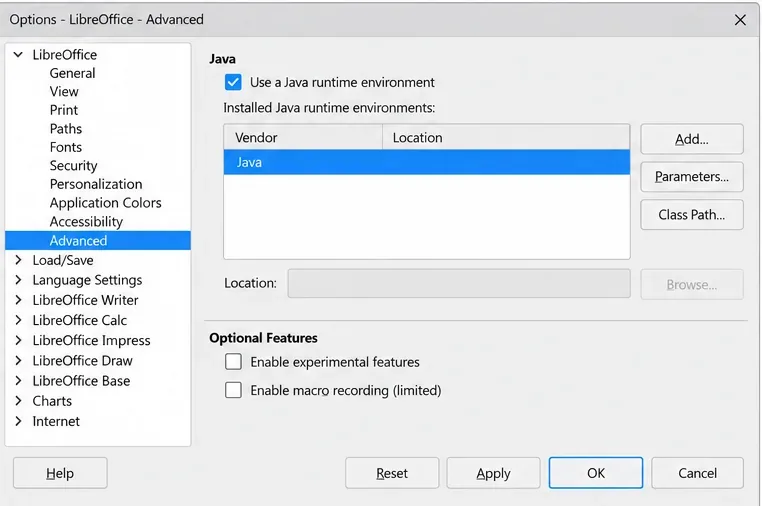
Install a compatible Java runtime, enable it in LibreOffice, and troubleshoot an empty JRE list without changing unrelated settings.
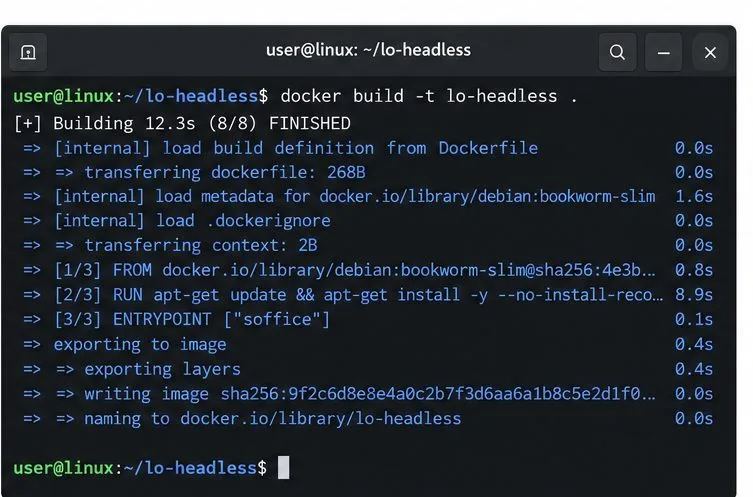
Build a small LibreOffice container, convert office documents without a GUI, and verify PDF output while limiting host-file access.
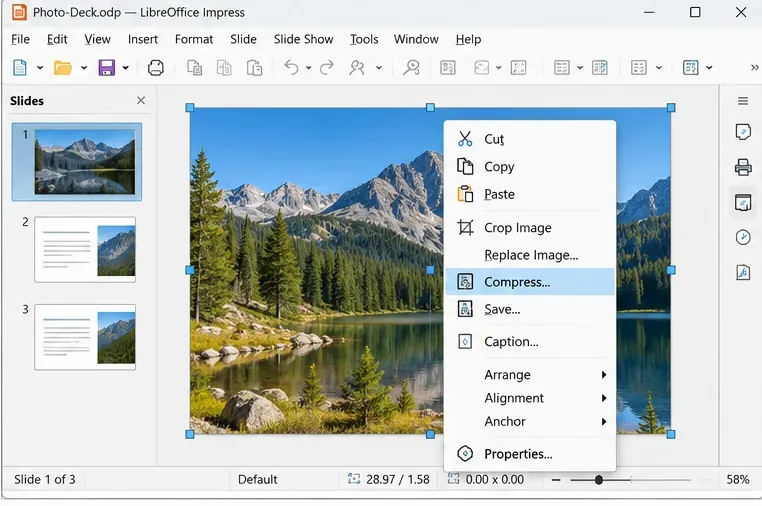
Reduce oversized LibreOffice presentation files by compressing embedded photos, choosing sensible image settings, and checking slide quality before sharing.
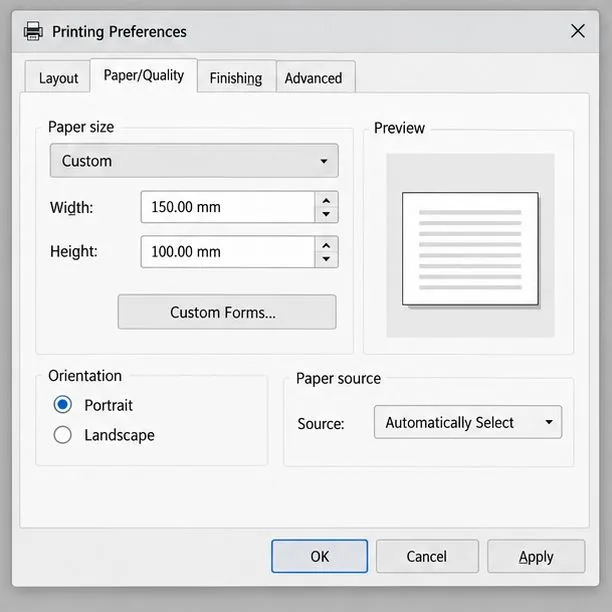
Match LibreOffice’s page dimensions to your printer, check printable margins, and correct scaling before printing a custom-size document.
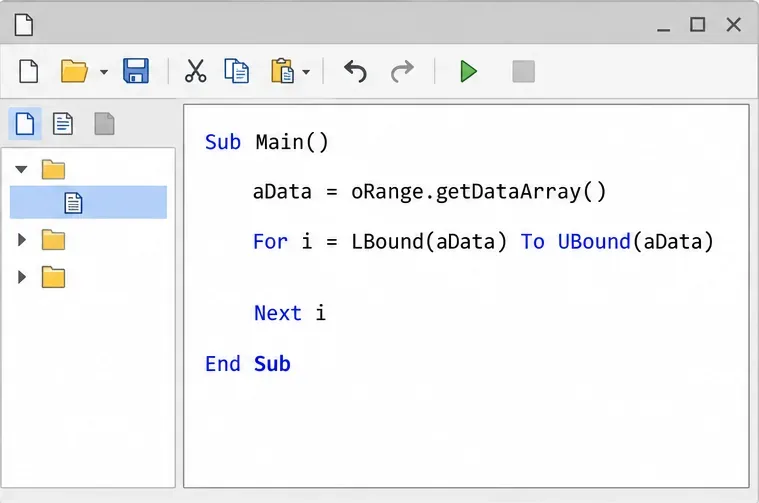
Replace repeated cell access with bulk range reads and writes, then benchmark the result and protect formulas in large Calc workbooks.
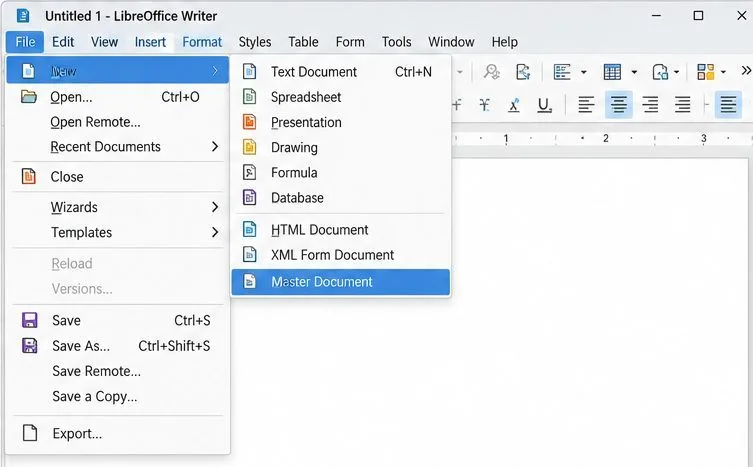
Split a long manuscript into chapters, assemble them in Writer, and keep styles, contents, and export checks consistent.
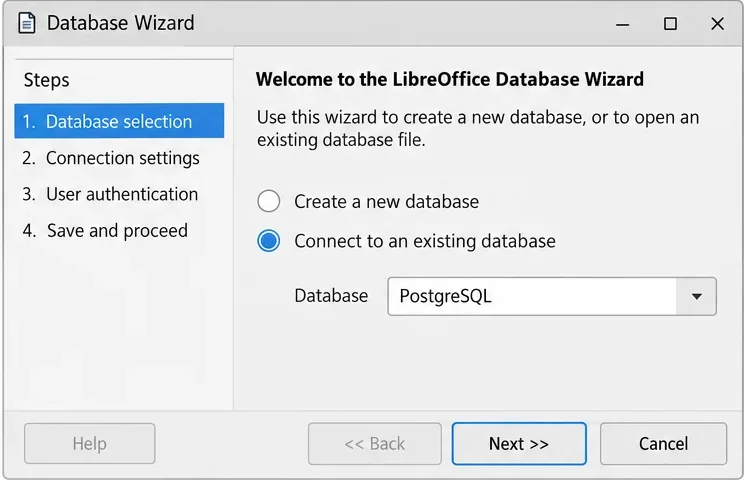
Use Base’s direct PostgreSQL option to enter your server details, sign in, save an ODB connection file, and troubleshoot common access errors.
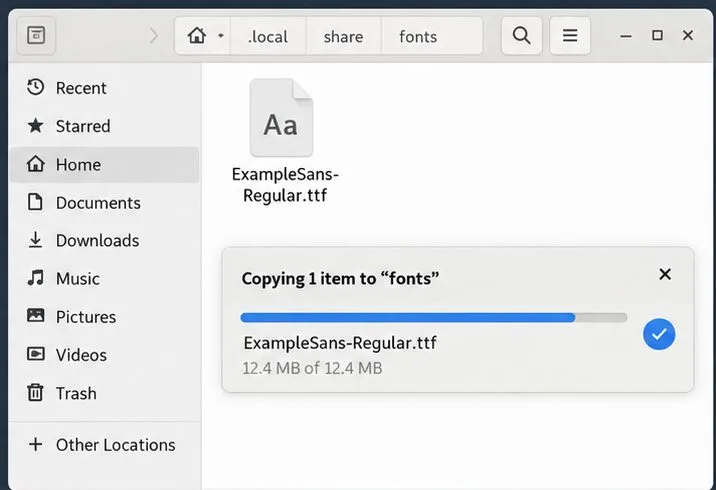
Install a font in your Linux user font folder, restart LibreOffice Flatpak, and confirm it appears in Writer without weakening the app sandbox.
Protect your work and isolate network-drive save crashes in LibreOffice on macOS Sonoma with a local-first workflow, permission checks, and targeted tests.