How to Wash Suede Safely: What to Do Instead of Soaking It
Learn how to clean suede safely without machine washing or soaking it, including brushing, stain removal, air-drying, and suede protection.
There is no meaningful 2026 change to report in the official guidance reviewed for removing glue from clothing. Current instructions from adhesive manufacturers, laundry-care brands, and the American Cleaning Institute still point to the same fabric-first approach: identify the adhesive, remove as much excess as possible, use the least aggressive treatment that fits the glue and fabric, then wash and inspect before machine drying.
The important part is that “glue” is not one stain. Washable school glue, cyanoacrylate super glue, hot-melt glue, rubber cement, and sticker adhesive respond differently. A method that is appropriate for one can damage the fabric or make another harder to remove.
If you know what glue spilled, check its packaging or manufacturer instructions before reaching for a solvent. Tide likewise advises consulting the glue package first, while the American Cleaning Institute stain guide recommends hardening adhesive with ice or cold water, scraping with a dull knife, pretreating, rinsing, and laundering according to the fabric-care instructions.
Action: Read both the garment care label and the adhesive label. If either says dry clean only, or if the garment is silk, acetate, embellished, coated, or unusually valuable, stop before experimenting with household solvents.
| Glue type | Good first move | Main caution |
|---|---|---|
| Washable school or water-based craft glue | Soften or rinse, remove excess, pretreat, wash | Use only the water temperature safe for the garment |
| Super glue / cyanoacrylate | Let it harden, gently scrape, then try soap-and-water treatment first | Acetone is conditional; it can discolor or damage some fabrics |
| Hot glue | Chill or freeze it, then lift the hardened mass | Do not iron it into the fabric |
| Rubber cement or stubborn adhesive residue | Remove excess, spot-test a compatible solvent if needed, then pretreat | Avoid solvents on delicate or dry-clean-only garments |
| Unknown glue | Use the least aggressive method first | Do not guess with acetone or high heat |
Look for the adhesive container, product name, or project you were doing when the spill happened. Then read the garment care label. Water-based glue is usually easier to wash out than super glue, while hot glue is often easiest to remove mechanically after chilling.
Verified: Official cleaning guidance consistently tells consumers to match treatment to the stain and launder according to the garment care instructions. What depends on the situation: the correct water temperature, solvent, and soaking time. Unknown: if you do not know the adhesive chemistry, there is no single solvent that can be assumed safe.
Action: If the glue type is unknown, begin with physical removal and water/detergent methods before escalating.
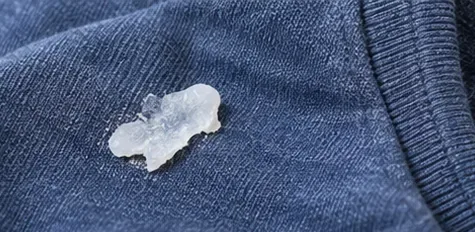
For many non-water-soluble glues, trying to scrub while the adhesive is tacky spreads it farther into the fibers. Tide advises letting most glues dry before treatment, and Loctite also recommends allowing spilled super glue to dry before removal. Once hardened, use a spoon, plastic card, or dull knife to lift off what sits above the fabric.
Action: Work slowly from the edge of the deposit. Stop if the fabric begins to fuzz, stretch, or snag.
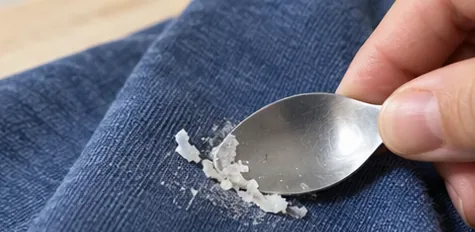
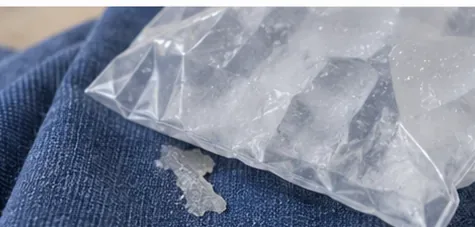
Hot-melt glue behaves differently from washable craft glue. Loctite recommends freezing fabric with hot glue so the adhesive can become brittle enough to scrape away, and the American Cleaning Institute similarly lists ice or cold water as a way to harden adhesive before scraping.
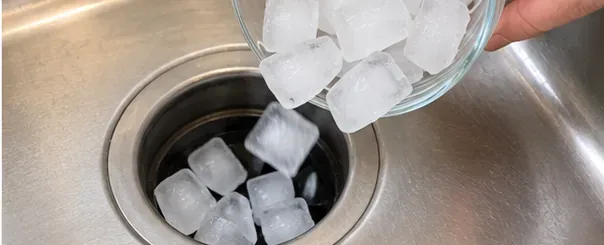
Action: Put ice in a sealed bag and hold it over the glue, or place the washable garment in a freezer if practical. Once the adhesive becomes hard, lift it with a dull edge rather than pulling the fabric.
This is where common advice becomes conditional. Loctite publishes fabric-removal guidance that starts with warm soapy water for super glue and warns that acetone may discolor some fabrics. Other Loctite instructions permit acetone after a hidden-area test, while also noting that acetone can damage certain synthetic fibers. Tide recommends testing colorfastness before using a solvent and advises against this approach on delicate or dry-clean-only fabrics.
Action: Apply a tiny amount of the proposed treatment to an inside seam or hidden hem. Blot with a white cloth after a few minutes. If color transfers, the texture changes, or the surface looks dulled, stop.
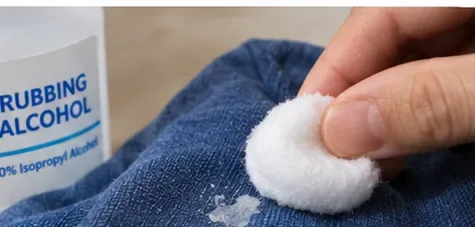
If a compatible treatment softens the adhesive, blot and lift the residue with a clean white cloth or cotton pad. Working from the outside edge toward the center reduces the chance of spreading the stain. Replace the clean part of the cloth as it picks up glue.
Action: Use repeated light applications rather than soaking the whole garment with solvent. If progress stops, rinse as allowed and reassess the glue type.
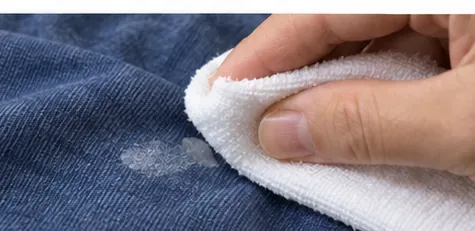
For water-based craft glue, the American Cleaning Institute craft-cleanup guidance says hardened glue can be softened with warm, wet paper towels for about an hour, then scraped, pretreated, and laundered. Crayola's washable school glue stain instructions also rely on water, detergent, and repeat laundering rather than a strong solvent.
Action: For a washable, water-based glue, use water and laundry detergent first. For super glue, try the adhesive maker's soap-and-water route before considering a spot-tested solvent. Do not assume that a school-glue method will dissolve cured super glue.
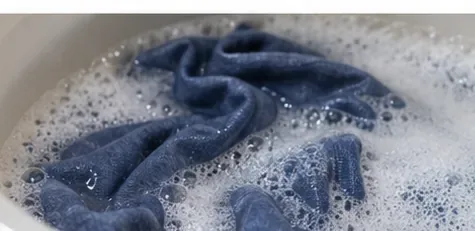
Once the bulk of the glue is gone, wash the garment with laundry detergent using the warmest water that the care label safely permits. That wording matters: a stain-treatment page may mention hot or warm water, but the garment manufacturer’s care limit should control the actual wash.
Action: Choose a normal or appropriate stain-removal cycle for the fabric. Do not override a cold-wash or hand-wash instruction simply because another source recommends hotter water.
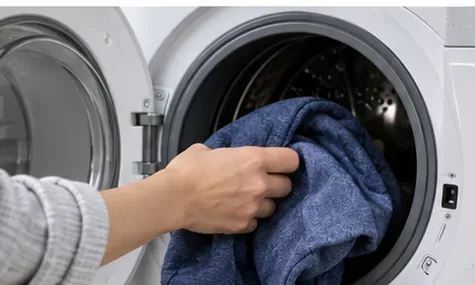
Heat can make remaining adhesive residue harder to remove. Tide and the American Cleaning Institute both advise repeating stain treatment before drying when residue remains. Air drying is the safer checkpoint if you are unsure whether the stain is fully gone.
Action: Examine the area in good light while the garment is still damp and again after air drying. If you can still feel stiffness, see a shiny patch, or detect residue between fibers, repeat treatment before machine drying.
These products are generally the most forgiving when they are specifically labeled washable or water-based. The American Cleaning Institute recommends softening hardened water-based craft glue, scraping away the excess, pretreating, and laundering. Crayola's washable-glue instructions use detergent and repeat washing, while cautioning that results can vary.
Action: Start with water, gentle scraping, and laundry detergent. Follow the garment care label rather than automatically choosing the hottest wash.
Super glue is cyanoacrylate, so it behaves very differently from school glue. Loctite's general super-glue removal guidance tells users to soak fabric in warm soapy water and specifically says acetone is not recommended there because it may discolor some fabrics. A separate Loctite fabric guide describes acetone as an option after testing and warns that it can dissolve certain synthetic fibers. Those two instructions are not a license to use acetone universally; they show why fabric type and spot testing matter.
Action: Use the least aggressive manufacturer-supported option first. If the garment is delicate, dry-clean-only, coated, stretchy, or made from an unknown synthetic, skip acetone and seek professional cleaning advice.
Hot glue often sits as a raised plastic-like mass. Once fully cool, chilling it further can make it easier to separate mechanically. This is one of the situations where adding more heat is usually the wrong direction.
Action: Chill, lift, and then treat any remaining mark with a fabric-compatible laundry pretreatment. Do not press an iron directly over the residue.
These residues may respond to rubbing alcohol or another compatible solvent, but suitability depends heavily on the textile. Tide's glue-stain guide permits solvent pretreatment for some adhesive stains while telling users not to attempt it on delicate or dry-clean-only fabrics.
Action: Test first, work in a ventilated area, use the minimum amount needed, and wash afterward according to the care label.
Not verified as a universal rule. Acetone can break down some adhesives, including cyanoacrylate, but adhesive manufacturers warn that it may discolor fabric or damage some synthetic fibers.
Action: Treat acetone as an optional escalation step, not the default. Spot-test it and avoid it entirely when the garment or adhesive instructions advise against it.
Depends on the glue. A fresh, washable water-based product may benefit from prompt rinsing, but scrubbing tacky super glue or a thick adhesive can smear it deeper into the textile. Multiple current glue-stain guides instead advise letting many glues harden before scraping.
Action: If the product is labeled washable and water-based, follow its rinse directions. Otherwise, contain the spot, allow it to harden if the manufacturer advises that, then lift excess mechanically.
False as a general rule. Some stain guides recommend warm or hot water for specific washable glues, but the garment’s care label still limits the safe temperature. Heat can also make some remaining adhesive more difficult to remove.
Action: Use the warmest water that is safe for the garment, not the hottest setting on the washer.
Not recommended. Dryer heat can set remaining residue and make a second removal attempt harder.
Action: Air dry while checking progress. Use the dryer only after the area is clean and the garment care label permits tumble drying.
Home treatment has limits. Stop if the fabric loses color during a hidden-area test, the texture becomes rough or shiny, the fibers begin to pull, the garment is labeled dry clean only, or the adhesive is an industrial formulation with removal instructions you cannot safely follow at home.
Action: Take the garment and, if available, the adhesive container or a photo of its label to a professional cleaner. Knowing the exact adhesive can help the cleaner choose a safer treatment.
If all five are true, you have a much better reason to proceed with normal drying than if you simply cannot see the stain while the garment is wet.
This guide was checked against current manufacturer and cleaning-industry guidance available in September 2026, including the American Cleaning Institute stain-removal guide, the American Cleaning Institute craft-cleanup instructions, Loctite's super-glue-on-clothes guidance, Loctite's fabric glue-removal guide, Tide's glue-stain instructions, and Crayola's washable school-glue stain tip.
Learn how to clean suede safely without machine washing or soaking it, including brushing, stain removal, air-drying, and suede protection.
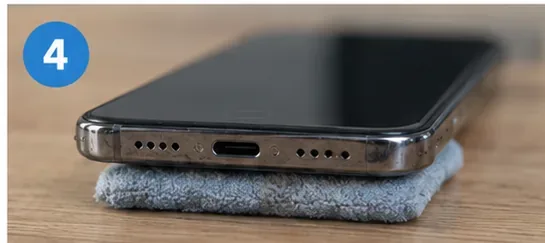
Learn how to dry a wet phone charger port safely, compare air-drying, wireless charging, emergency overrides, and service, and avoid heat, rice, and objects.
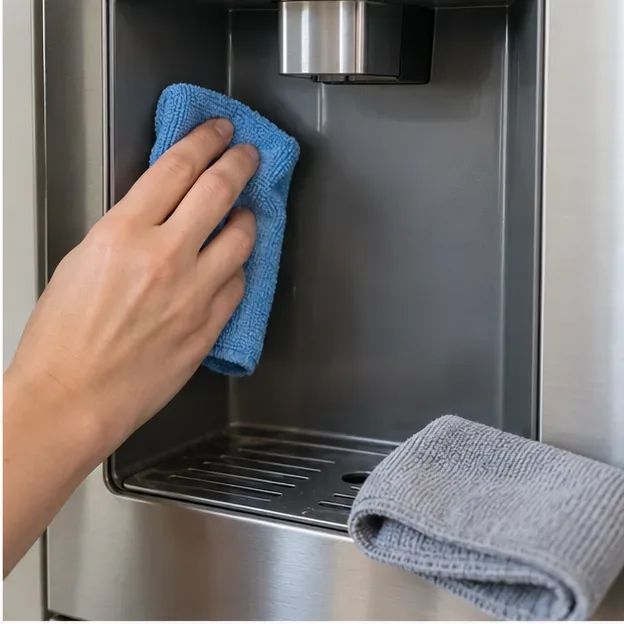
Clean a refrigerator water dispenser safely with mild soap, careful nozzle cleaning, mineral-scale removal, drying, and filter checks.
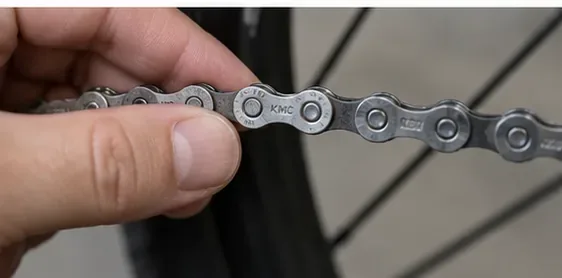
Learn how to take a bike chain off safely, whether it uses a quick link or rivet, plus which tools to use and when a connector must be replaced.
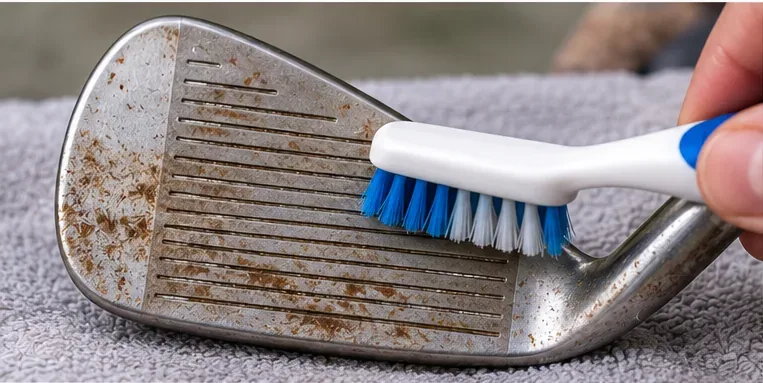
Learn how to remove rust from golf clubs safely, starting with soap and a soft brush, when to stop, and how raw wedges differ from plated irons.
How to Use Google Lens on Chromebook lets you scan objects, translate text, and solve problems directly from your device. Follow these steps to get started quickly.
Clean a BUNN coffee maker with vinegar safely using the verified Heat N Brew method, plus model checks, sprayhead care, flushing steps, and mistakes to avoid.
Learn how to clean a garbage disposal with ice, compare cold-water, citrus, and deeper-clean options, and know when ice is not enough.
Learn how to remove school glue, super glue, hot glue, and adhesive residue from clothes safely, with fabric-specific steps and solvent cautions.
Learn how to wash a wool coat safely by following its care label, choosing a wool-safe detergent, washing gently, and drying without shrinking or distortion.