Make Every New Writer Document Use Your Template
Set a custom LibreOffice Writer template as the default so new documents open with your preferred styles and page layout.
Are you running low on disk space in Windows 11? That mysterious hiberfil.sys file might be the culprit, quietly hogging gigabytes on your drive. Don't worry—this guide will walk you through how to remove hiberfil.sys safely, step by step, so you can reclaim valuable storage without compromising your system's stability. By the end, you'll feel empowered to optimize your PC like a pro! 🚀
Hiberfil.sys is the hibernation file in Windows 11, a system-generated file that stores a compressed copy of your RAM contents when your computer enters hibernation mode. This feature allows your PC to power off completely while saving your session, making it quicker to resume than sleep mode. However, it can consume a significant amount of space—often equal to 75% of your installed RAM.
For instance, if you have 16GB of RAM, hiberfil.sys could take up around 12GB on your C: drive. If you rarely use hibernation (preferring sleep or full shutdowns), disabling and removing it is a smart move to free disk space in Windows 11. Plus, it's reversible, so you can always turn it back on if needed. The best part? This process is straightforward and doesn't require third-party tools.
Absolutely, as long as you follow the proper steps! Disabling hibernation via Command Prompt is the official Microsoft-recommended method, ensuring no data loss or system instability. Unlike manually deleting the file (which Windows will recreate anyway), this approach permanently disables the feature and removes the file.
Key benefits include:
Before we dive in, a quick note: If you're on a laptop or use hibernation frequently, consider keeping it enabled for battery life savings. But for desktops or space-conscious users, this is a game-changer! 😊
Ready to get started? We'll use the Command Prompt with administrator privileges—the most reliable way to delete hibernation file in Windows 11. This method works on the latest builds, ensuring compatibility with your setup.
powercfg /hpowercfg -h offThat's it! Your PC should feel lighter already. If you encounter any errors (like "Access Denied"), double-check you're running as admin—it's the most common hiccup.
While this process is safe, things don't always go perfectly. Here's a quick troubleshooting table to keep you on track:
| Issue | Cause | Solution |
|---|---|---|
| File Not Deleted | Hibernation still enabled or insufficient permissions | Run powercfg -h off again as admin; restart if needed |
| Command Not Recognized | Wrong prompt type | Use Command Prompt, not PowerShell (or prefix with cmd) |
| Space Not Freed | Multiple drives or hidden files | Check other drives with dir /a:h C:\hiberfil.sys; run Disk Cleanup |
If you're on a BitLocker-encrypted drive, you might need to suspend protection temporarily—search for "manage BitLocker" in Settings for details. For more in-depth help, check Microsoft's official guide on power plans.
Life happens—maybe you'll want hibernation back for a long trip. To restore it, open Command Prompt as admin and type:
powercfg -h on
Windows will recreate hiberfil.sys, using up space again but enabling the feature. It's that simple, giving you flexibility without hassle.
Removing hiberfil.sys is just the start! To keep your drive lean:
These tweaks, combined with ditching hiberfil.sys, can transform your Windows 11 experience. Imagine the relief of a clutter-free drive—more room for photos, games, or work files!
Congratulations on learning how to remove hiberfil.sys in Windows 11 safely! This small change can make a big difference in your daily computing life, giving you that satisfying boost of free space. If you followed along, share in the comments how much space you reclaimed—it might inspire others! For more optimization guides, stick around; we've got plenty more tips to keep your PC running smoothly. You've got this! 👏
Set a custom LibreOffice Writer template as the default so new documents open with your preferred styles and page layout.
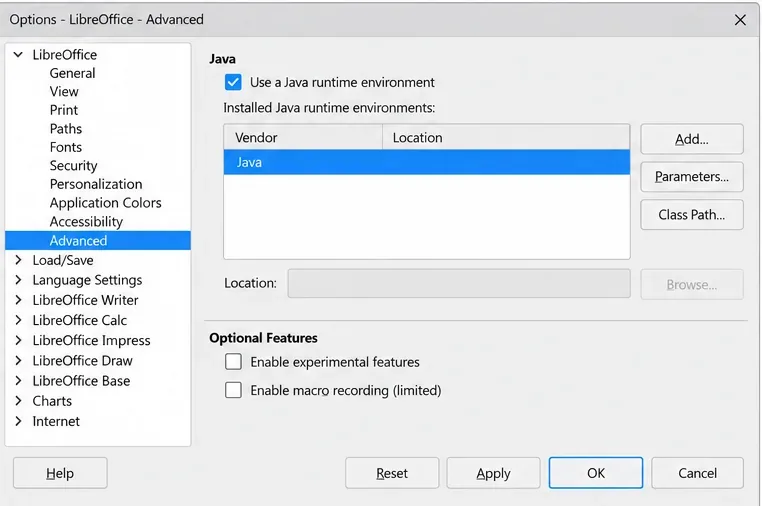
Install a compatible Java runtime, enable it in LibreOffice, and troubleshoot an empty JRE list without changing unrelated settings.
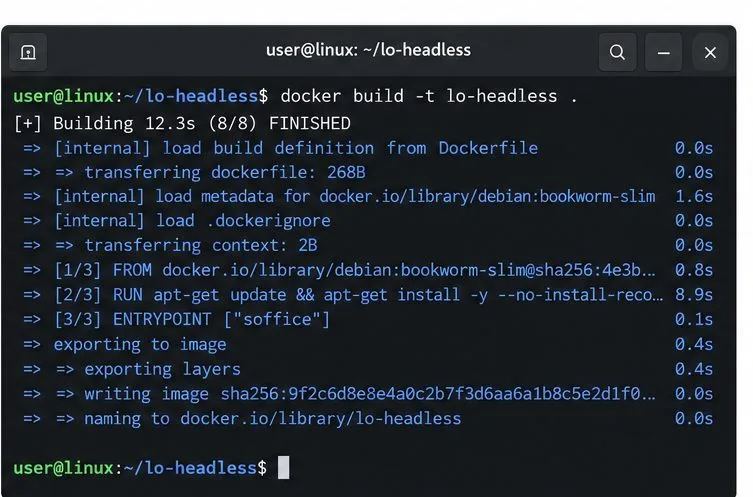
Build a small LibreOffice container, convert office documents without a GUI, and verify PDF output while limiting host-file access.
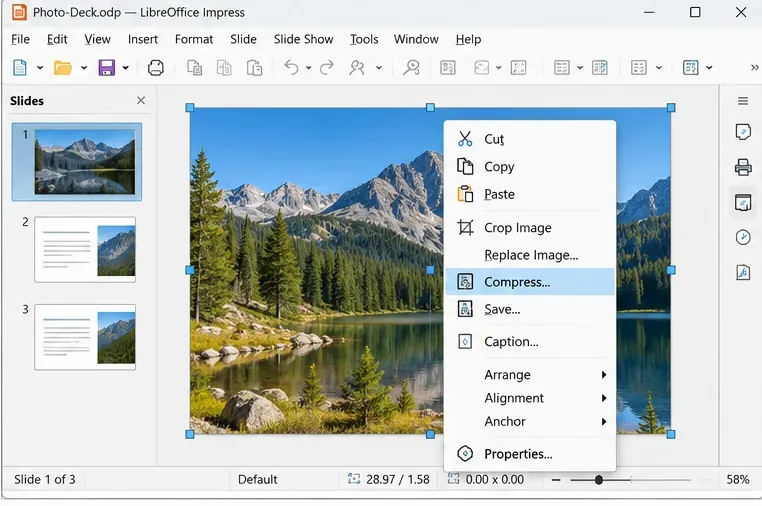
Reduce oversized LibreOffice presentation files by compressing embedded photos, choosing sensible image settings, and checking slide quality before sharing.
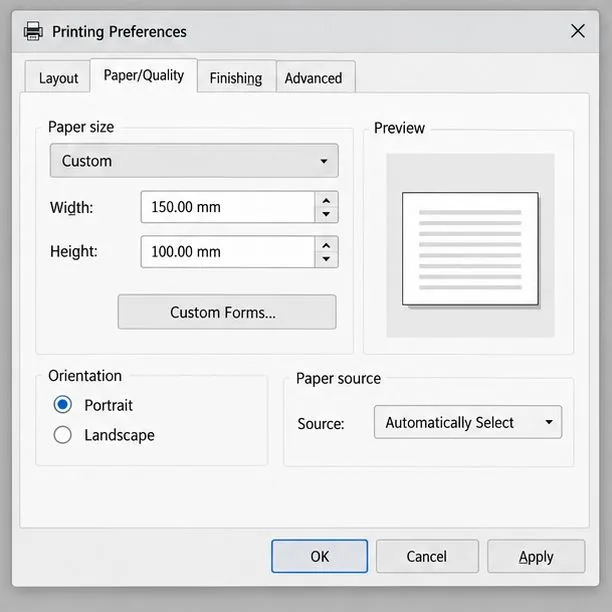
Match LibreOffice’s page dimensions to your printer, check printable margins, and correct scaling before printing a custom-size document.
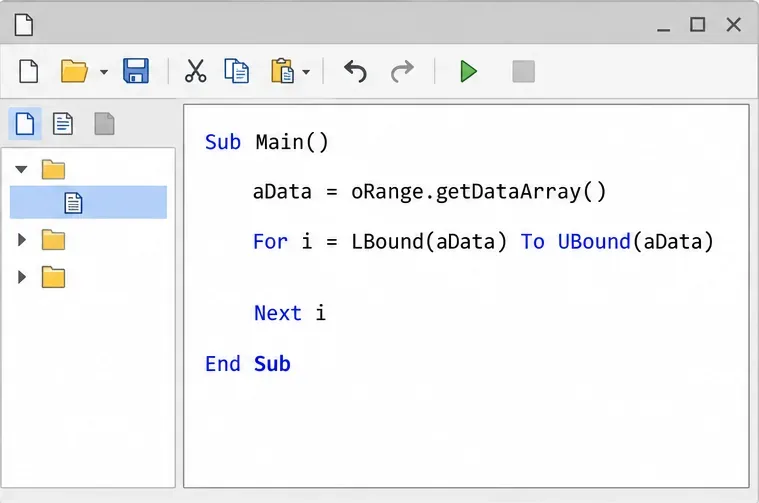
Replace repeated cell access with bulk range reads and writes, then benchmark the result and protect formulas in large Calc workbooks.
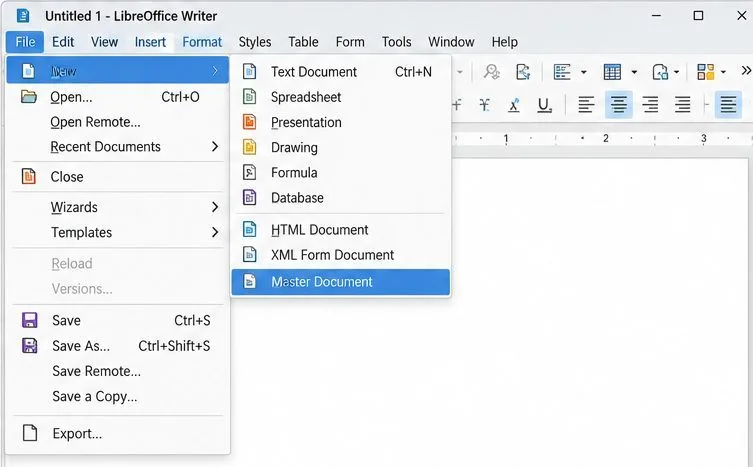
Split a long manuscript into chapters, assemble them in Writer, and keep styles, contents, and export checks consistent.
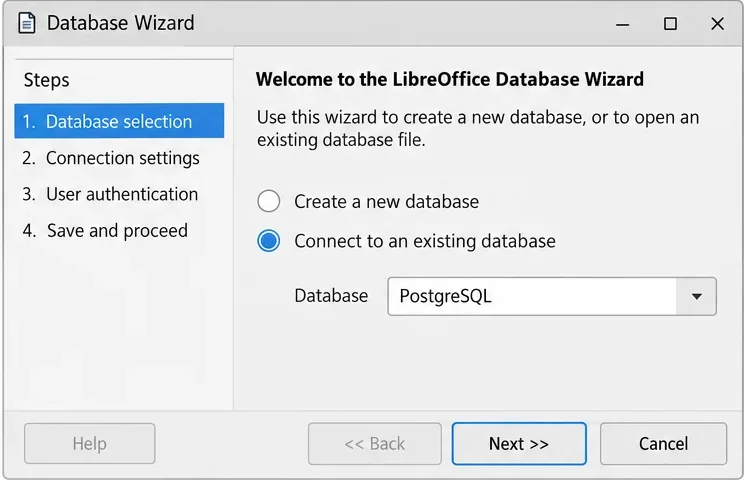
Use Base’s direct PostgreSQL option to enter your server details, sign in, save an ODB connection file, and troubleshoot common access errors.
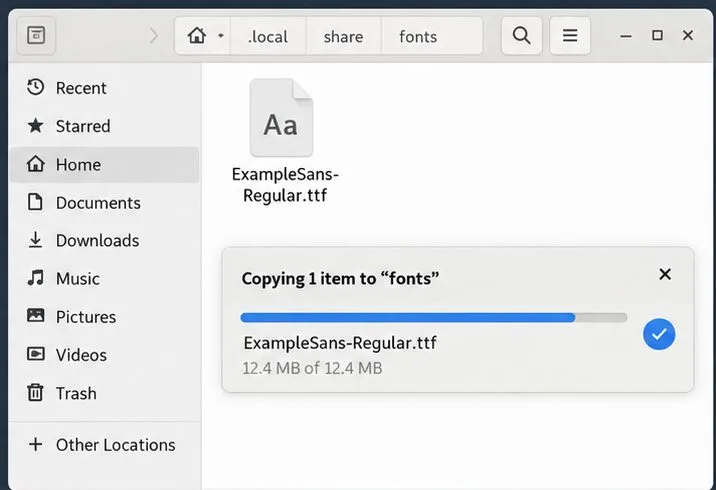
Install a font in your Linux user font folder, restart LibreOffice Flatpak, and confirm it appears in Writer without weakening the app sandbox.
Protect your work and isolate network-drive save crashes in LibreOffice on macOS Sonoma with a local-first workflow, permission checks, and targeted tests.