How to rename the TalkTV account

Similar to Zalo , Viber or Facebook , TalkTV also allows users to change the display name extremely quickly. If you want to name your nickname or cute names to make your friends easily recognize you, then there's no need to proceed now!

Not only change the nickname but you can also easily change the date of birth, avatar , accommodation at your disposal very easily. Please refer to the following article to quickly rename your TalkTV account:

How to change the TalkTV display name - ccTalk

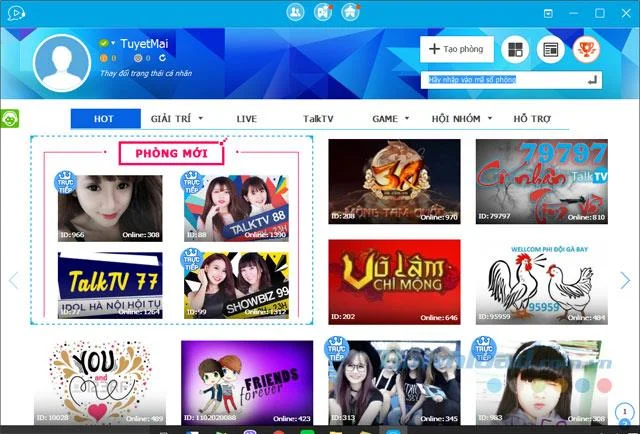
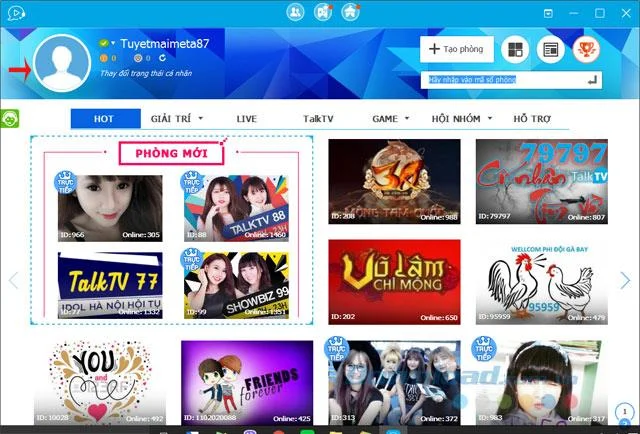
Step 1: At the main interface of TalkTV, click on your avatar image .
How to rename the TalkTV account

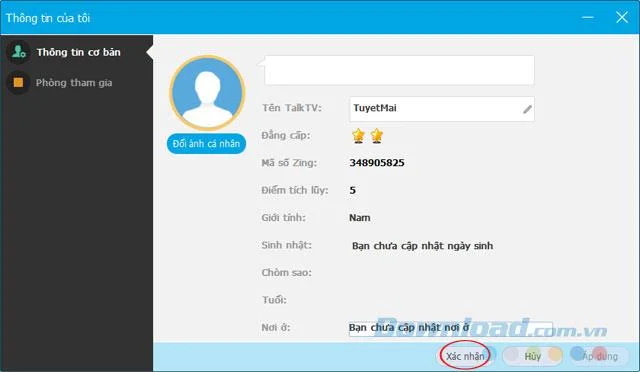
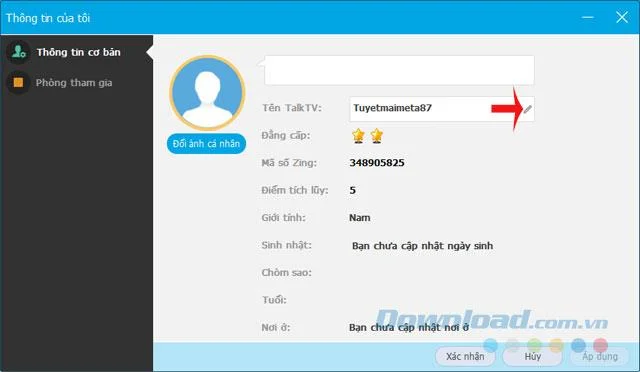
Step 2: Basic Information window appears, click the pencil icon in the Name TalkTV box to change the display name. Also here you can update information such as gender, birthday, constellation, whereabouts ...

How to rename the TalkTV account

Step 3: The Change TalkTV name dialog box appears, enter the name you want to change into the new TalkTV Name box . Then click Check if the new name has coincided with anyone yet, when the green message "This name is authorized to use" appears , click Change to update the new name.

How to rename the TalkTV account

Step 4: Return to the My Information window , click Confirm to complete the process of renaming TalkTV account.

How to rename the TalkTV account

Step 5: Now you see the new name displayed on the main interface of TalkTV.

How to rename the TalkTV account

With just a few simple steps, you quickly change the name of your TalkTV display, making it easy for your friends to recognize you.

I wish you successful implementation!
Leave a Comment

Enable FIPS Mode on SLES 15 and Verify the Boot State

Enable FIPS Mode on SLES 15 and Verify the Boot State

Follow SUSE’s SP7 procedure to enable FIPS mode, reboot safely, verify the active policy, and check whether your compliance requirement calls for validated modules.

Set Up a LUKS-Encrypted Data Volume on SLES

Set Up a LUKS-Encrypted Data Volume on SLES

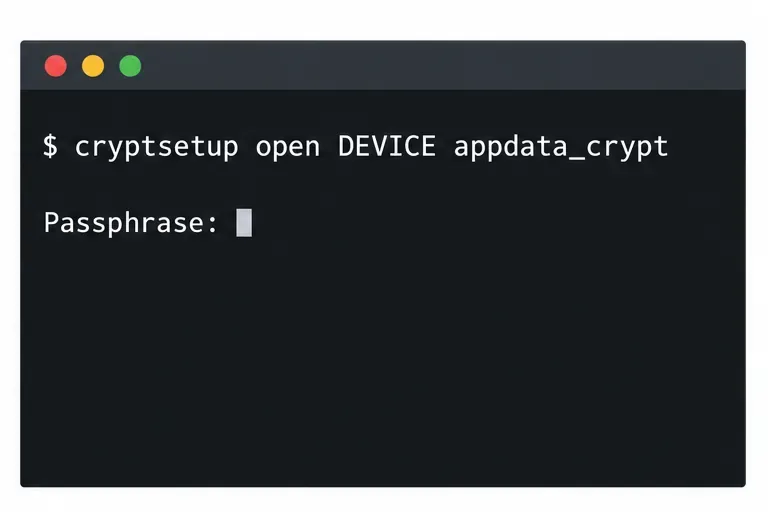
Compare YaST and cryptsetup for a new encrypted SLES data volume, choose LUKS1 or LUKS2, and verify unlock and mount behavior safely.

Build a Custom AppArmor Profile on SUSE Linux

Build a Custom AppArmor Profile on SUSE Linux

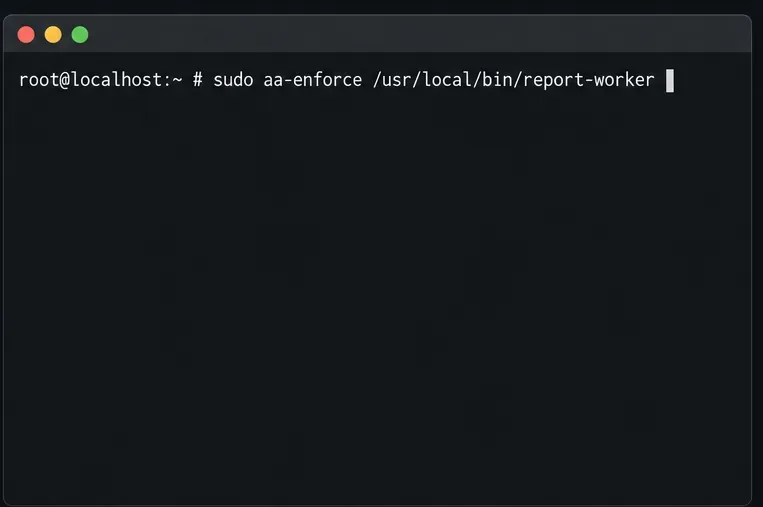
Create, refine, and verify a least-privilege AppArmor profile on SLES 15 SP7, with a clear note on SLES 16’s SELinux default.

Build a Local SUSE Update Server with RMT on SLES 15

Build a Local SUSE Update Server with RMT on SLES 15

Set up RMT on SLES 15, mirror entitled repositories, and verify HTTPS registration and package access from a test client.

Join SLES 15 to Active Directory with SSSD in YaST

Join SLES 15 to Active Directory with SSSD in YaST

Connect SLES 15 to AD with YaST’s SSSD-based logon management, then verify directory lookup, domain login, and Kerberos tickets.

Enable SLES Live Patching and Verify a Kernel Fix

Enable SLES Live Patching and Verify a Kernel Fix

Set up the right Live Patching path for SLES 16.0 or 15 SP7, apply eligible kernel fixes, and confirm what is active without confusing it with a reboot-required kernel update.

Install and Sign Custom Kernel Modules on SLES 15 Secure Boot

Install and Sign Custom Kernel Modules on SLES 15 Secure Boot

Load a custom SLES 15 kernel module without disabling Secure Boot. Match the running kernel, sign the .ko file, enroll a MOK key, and verify loading.

Keep Services Available During a SLES 15 SP5 to SP6 Upgrade

Keep Services Available During a SLES 15 SP5 to SP6 Upgrade

SLES 15 SP5 can migrate online to SP6, but each node must reboot. Use a tested rolling upgrade or blue-green cutover to keep workloads reachable.

Apply the SLES 15 STIG Safely with OpenSCAP

Apply the SLES 15 STIG Safely with OpenSCAP

Use SUSE’s supported STIG profile to scan SLES 15, test remediation, review remaining findings, and retain assessment evidence.

Restore Cockpit Access to SUSE Linux Enterprise Server

Restore Cockpit Access to SUSE Linux Enterprise Server

Trace a failed Cockpit connection through DNS, port 9090, the systemd socket, firewalld, TLS, and login settings using current SUSE guidance.