How to share screen video with ChatGPT Voice

ChatGPT Voice has just been updated with the screen sharing feature, open the application or screen you want to ask ChatGPT. Users can then quickly stream video directly to ChatGPT, without having to perform additional steps to record screen video from outside. Note, the screen video sharing feature with ChatGPT Voice is currently only available for Teams, Plus and Pro users. Below is a guide to sharing screen video with ChatGPT.

How to share screen video with ChatGPT Voice

Step 1:

At the ChatGPT interface, click on the ChatGPT Voice icon below. Switch to the new interface, click on the 3-dot icon and select Share Screen.
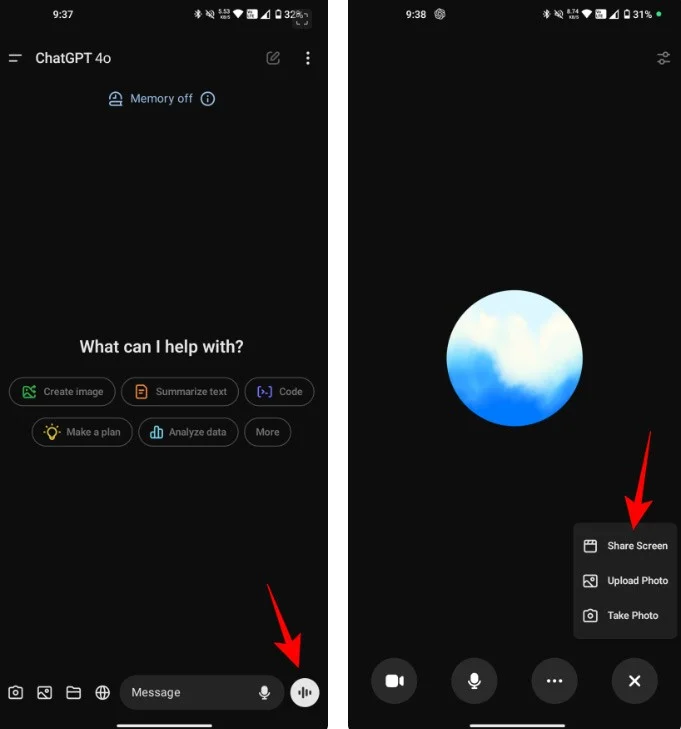
How to share screen video with ChatGPT Voice

Step 2:

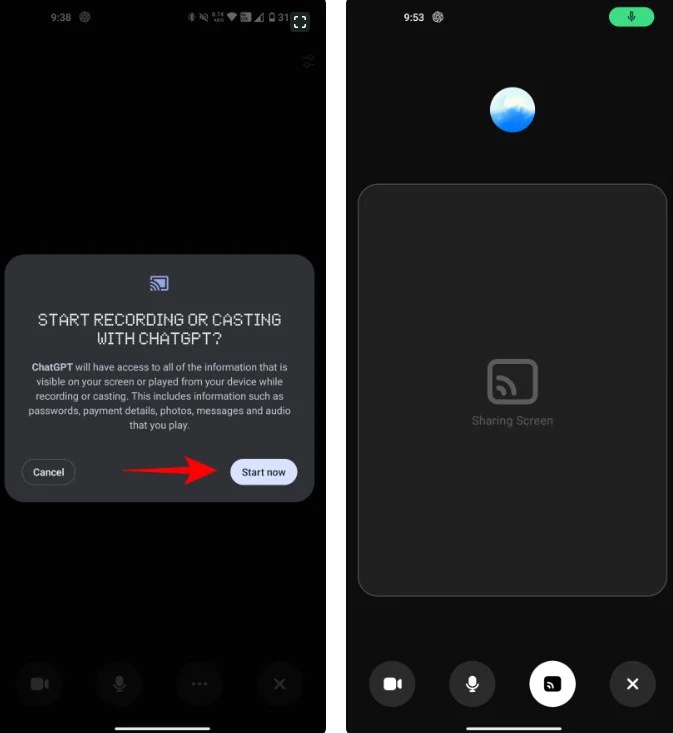
Display the notification interface, click Start Now to start recording the screen video. Now you record the application screen video with the content you want to ask ChatGPT Voice . Be careful not to reveal your personal information or content so that ChatGPT does not record the screen video.

How to share screen video with ChatGPT Voice

After the screen recording is complete, click the screen recording icon to stop. The screen video will be displayed immediately in the ChatGPT Voice messaging interface to start chatting with ChatGPT Voice.

Leave a Comment

Enable SLES Live Patching and Verify a Kernel Fix

Enable SLES Live Patching and Verify a Kernel Fix

Set up the right Live Patching path for SLES 16.0 or 15 SP7, apply eligible kernel fixes, and confirm what is active without confusing it with a reboot-required kernel update.

Install and Sign Custom Kernel Modules on SLES 15 Secure Boot

Install and Sign Custom Kernel Modules on SLES 15 Secure Boot

Load a custom SLES 15 kernel module without disabling Secure Boot. Match the running kernel, sign the .ko file, enroll a MOK key, and verify loading.

Keep Services Available During a SLES 15 SP5 to SP6 Upgrade

Keep Services Available During a SLES 15 SP5 to SP6 Upgrade

SLES 15 SP5 can migrate online to SP6, but each node must reboot. Use a tested rolling upgrade or blue-green cutover to keep workloads reachable.

Apply the SLES 15 STIG Safely with OpenSCAP

Apply the SLES 15 STIG Safely with OpenSCAP

Use SUSE’s supported STIG profile to scan SLES 15, test remediation, review remaining findings, and retain assessment evidence.

Restore Cockpit Access to SUSE Linux Enterprise Server

Restore Cockpit Access to SUSE Linux Enterprise Server

Trace a failed Cockpit connection through DNS, port 9090, the systemd socket, firewalld, TLS, and login settings using current SUSE guidance.

Configure Reliable Ethernet Failover with SLES 15 Bonding

Configure Reliable Ethernet Failover with SLES 15 Bonding

Create a redundant Ethernet connection on SLES 15 with YaST and Wicked, configure active-backup bonding, and verify both ports and failover.

Build a Reusable AutoYaST Profile for SLES 15 Installs

Build a Reusable AutoYaST Profile for SLES 15 Installs

Turn an existing SLES 15 system into a reviewed AutoYaST profile, validate it, and use it to deploy a test server with fewer manual steps.

SLES 15 KVM Setup: Make Selected VMs Start at Boot

SLES 15 KVM Setup: Make Selected VMs Start at Boot

Install the SLES 15 KVM and libvirt tools, enable the right host service, and configure selected virtual machines to start after a reboot.

Diagnose a SUSE Server That Hangs at the systemd Shutdown Screen

Diagnose a SUSE Server That Hangs at the systemd Shutdown Screen

Use systemd jobs and the previous boot journal to locate a slow service, mount, or storage dependency, then correct it without masking the cause.

Open Only the Web Traffic Your SLES 15 Server Needs

Open Only the Web Traffic Your SLES 15 Server Needs

Use firewall-cmd to inspect the active zone, allow HTTP safely, preserve SSH access, and verify that the rule survives a reload on SLES 15.








