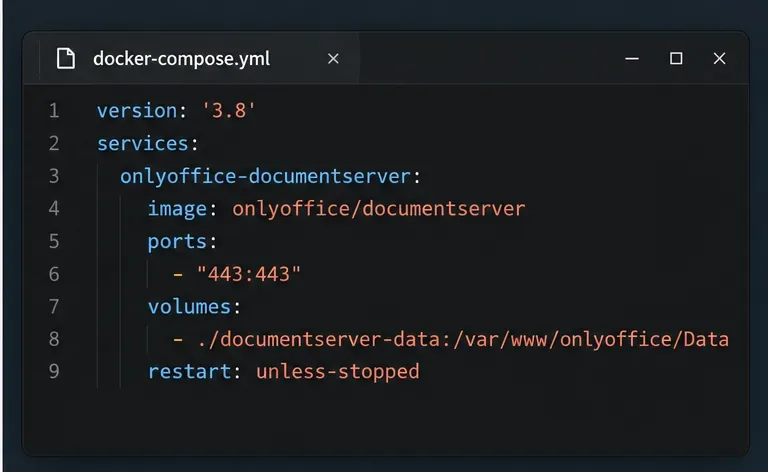
Deploy ONLYOFFICE Docs Enterprise with Its Official Compose File
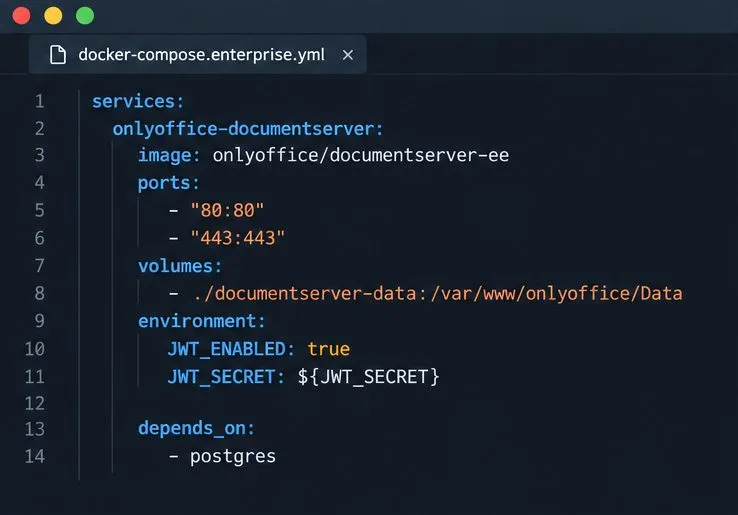
Start the Enterprise Docker Compose stack, persist its license and data, configure JWT safely, and confirm the editors are ready to integrate.
During the process of using Windows 10, we will inevitably avoid the situation of not using the mouse, or simply wanting to use the keyboard to shutdown or put the device to sleep. The following article will give you a few ways to do this job quickly and simply.
This is the easiest and easiest way to shut down or put your computer to sleep.
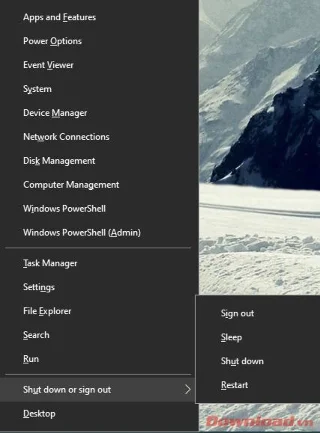
Press Windows logo key + X on your keyboard to open the Power User Menu. Here, you can see the underlined characters in each line, which are the keys for users to quickly access that function without pressing the mouse. To Shut down or Sleep, we will press the U key to make the menu go to the Shutdown or sign out line then:
Press the S key to enter sleep mode.
Press the U key to shutdown (Shutdown).
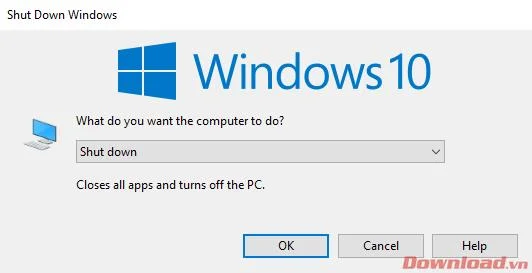
Most users know that pressing Alt + F4 will close the current window, just like clicking the X button in the upper right corner. However, if you are on the desktop and are not using any windows, this key combination will direct the user to the Windows Shutdown dialog box. In this dialog box, you can use the arrow keys to select Sleep or Shutdown mode from the drop-down menu, and then press the Enter key.
Tip: To quickly go to the Desktop, press the Windows logo key + D combination on your keyboard.
This is a more complicated way than the two above, but the advantage of it is that it only needs to do the settings once. From the next time, you just need to press the installed key combination to turn off or switch to sleep mode for PC.
The first step is to right-click on an empty area on the Desktop (desktop) and select New -> Shortcut .
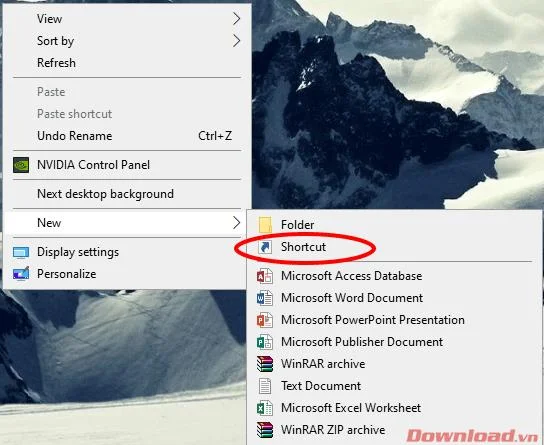
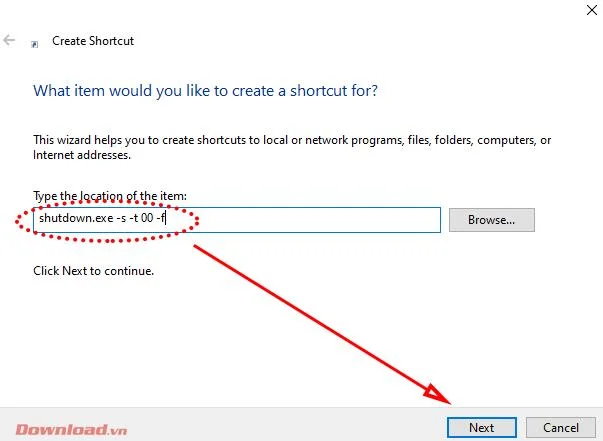
In the Create Shortcut dialog box, enter one of the following two lines in the Type the location of the item box and click Next .
To turn off the computer:
shutdown.exe -s -t 00 -f
To enter sleep mode:
rundll32.exe powrprof.dll, SetSuspendState 0,1,0
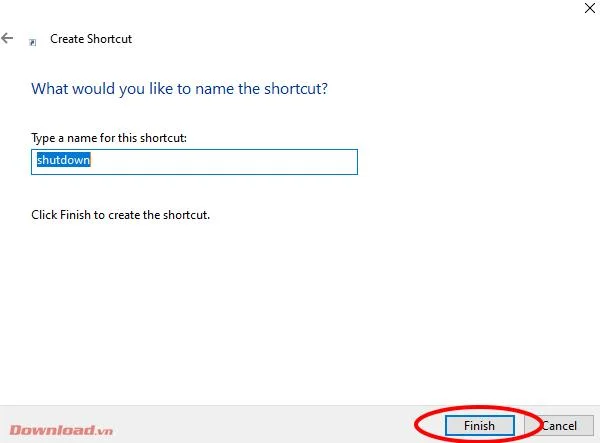
Name the shortcut file you just created, then click Finish .
Next, right-click on the shortcut file just created on the desktop and select Properties . In the dialog box that appears, find the Shortcut key line and enter a character you want in the box to place the shortcut key combination. This key combination will have the default form Ctrl + Alt + * (* is the key you set).
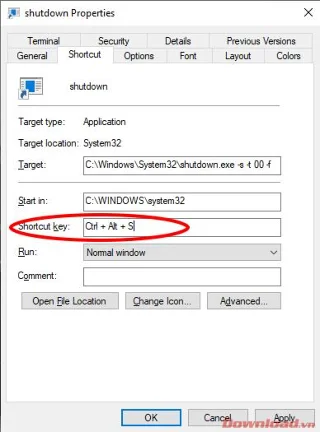
Click OK to save the settings. From now on, as long as you press the keyboard shortcut you set, you will run the shortcut file -> execute the file's command to shutdown or sleep. Very simple and fast, isn't it?
I wish you all success!
Start the Enterprise Docker Compose stack, persist its license and data, configure JWT safely, and confirm the editors are ready to integrate.
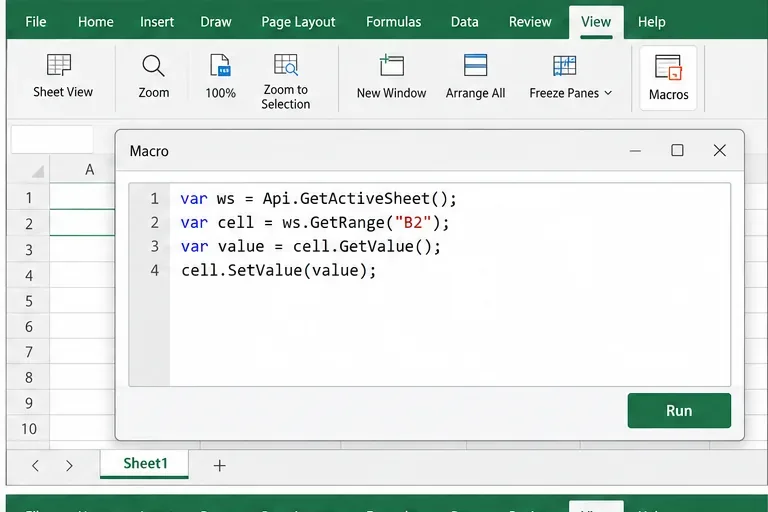
Use an ONLYOFFICE JavaScript macro to remove nonprinting characters and trim extra spaces from a defined spreadsheet range, with a safe review workflow.
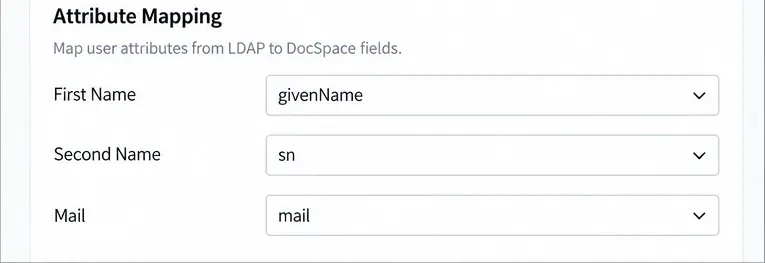
Connect ONLYOFFICE DocSpace to Active Directory or OpenLDAP, import users and groups safely, map account fields, and schedule reliable synchronization.
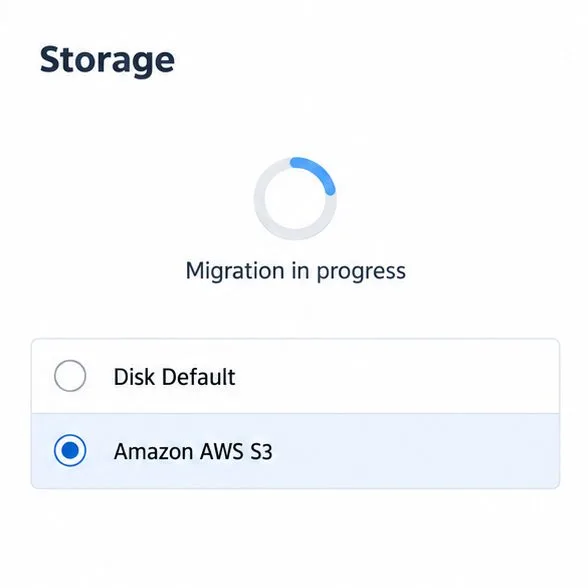
Move portal data from Disk Default to a supported cloud storage provider, or relocate Docker data safely by changing its host volume mapping.
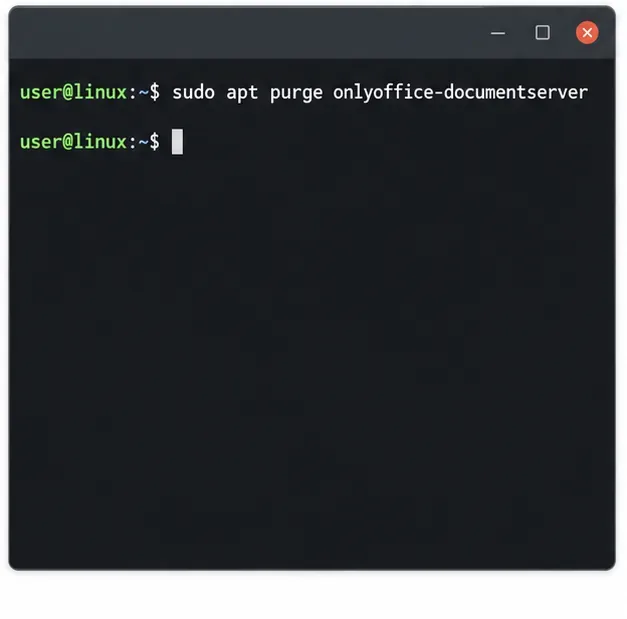
Identify whether Document Server uses a Linux package or Docker, remove only its components, and check remaining data without deleting shared services by mistake.
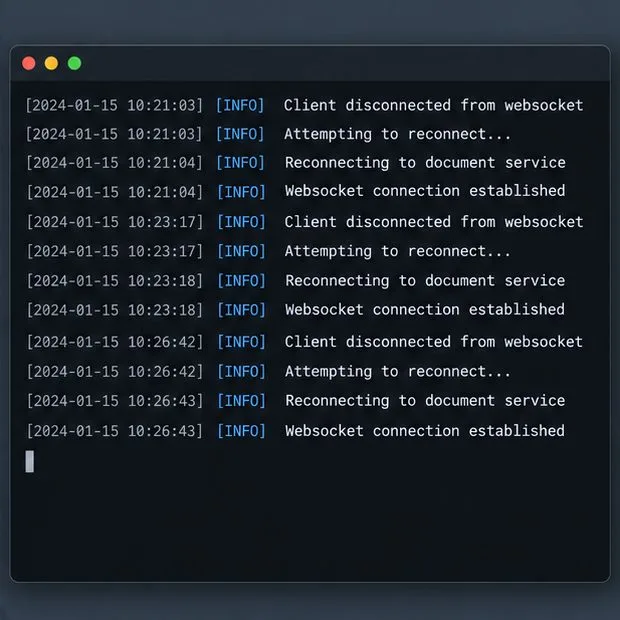
Trace slow collaborative editing to Docker resource pressure, proxy connections, or document load, then choose the fix that matches your measurements.
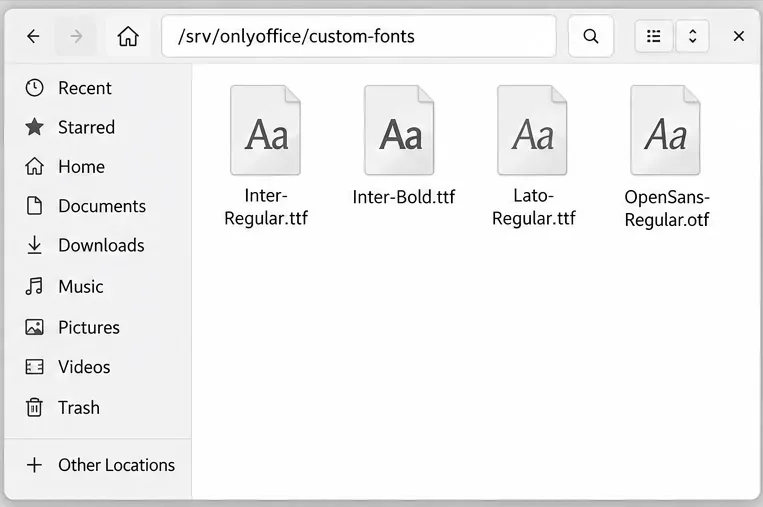
Install custom fonts in ONLYOFFICE Document Server, compare persistent Docker mounts with direct copies, rebuild the font list, and verify the result.
Choose where TLS should terminate, mount a trusted certificate and private key safely, and verify HTTPS access to a Dockerized ONLYOFFICE Docs server.
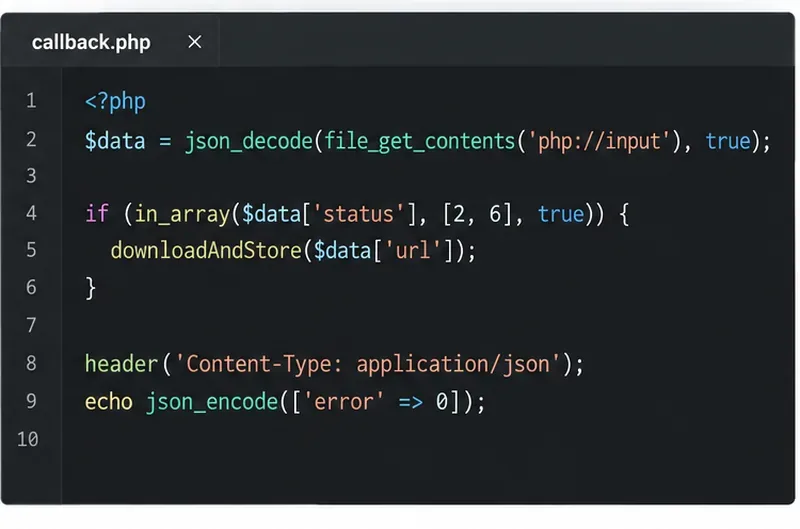
Embed the ONLYOFFICE editor in your PHP app, sign its configuration with JWT, and save edited files through a secure callback.
Set the proofing language for the whole document or selected text, confirm spell checking is active, and identify when a server dictionary is missing.