Home
» How to
»
How to tune TV channels Panasonic TH-CS630V
How to tune TV channels Panasonic TH-CS630V
Panasonic TV Model TH-CS630V with large 43- and 49-inch IPS LED screens and My Home Screen intelligent interface to help optimize the user's entertainment experience. Let WebTech360 learn about how to tune channels of Panasonic TV through the article below.
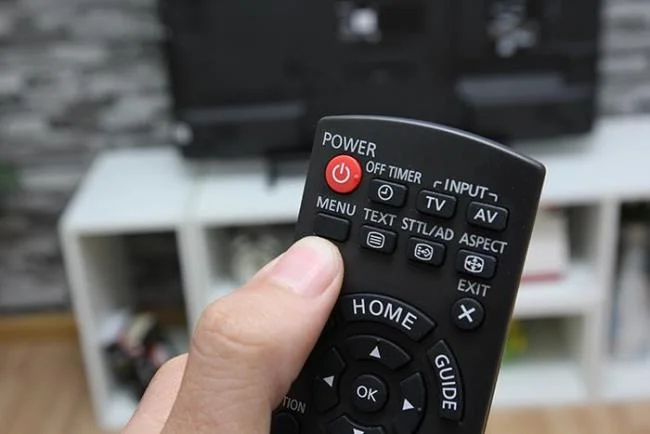
Step 1: Select the MENU button on the remote, the TV main MENU interface will appear.
Click the Menu button on the Remote to start
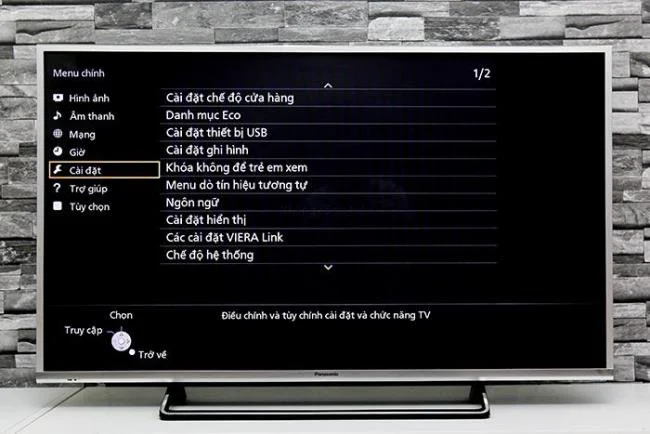
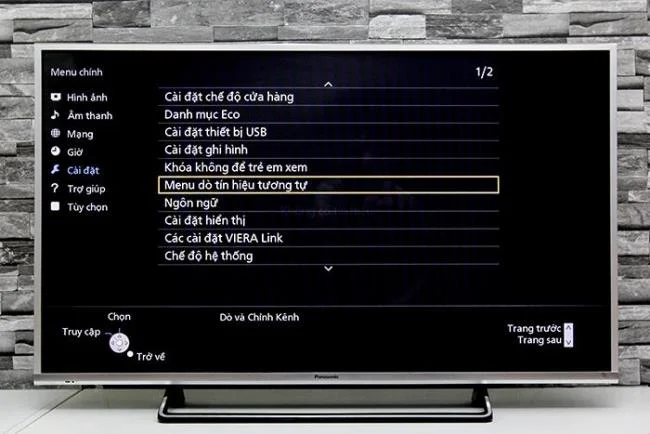
Step 2: In the menu interface, select Settings, and then select Analogue Search Menu.
Select the Settings tab in the main Menu viewContinue to select Analogue Search Menu
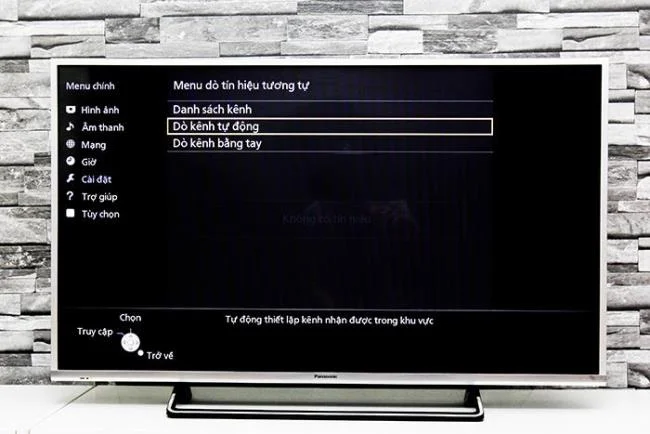
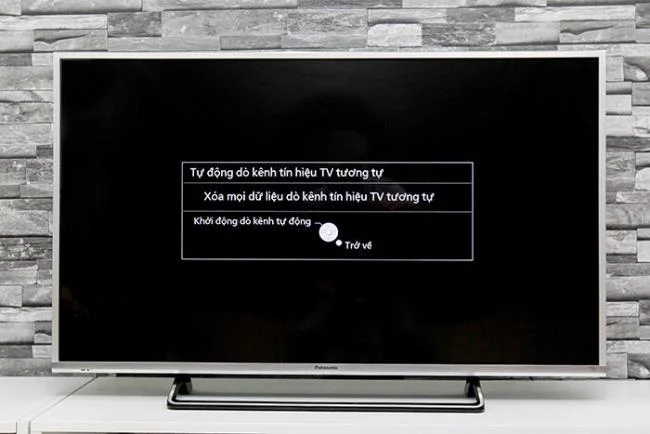
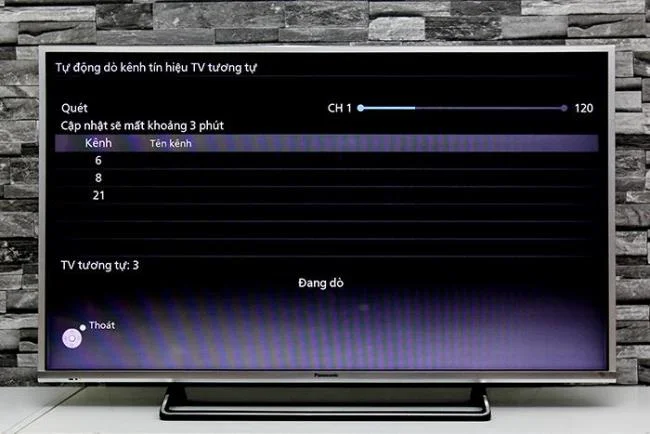
Step 3: In the Analogue Search Menu, choose Auto Tuning, then select Start Auto Tuning (operate through the navigation key cluster on the remote). Now you need to wait 3 to 5 minutes for the TV to start tuning.
Select auto tuningSelect Start automatic searchWait while the TV tuned in
Step 4: After the search is complete, choose Exit to finish and you can start watching the TV channels you just recorded.
You can now watch TV channels on TV
Note:
- The number of channels and image quality depends on the receiving antenna and the geographical location of the user.