How to Add Font to Canva
Learn exactly how to add font to Canva with this step-by-step guide. Upload custom fonts through Brand Kit to use them across all your designs in minutes.
Learning how to upload font to Canva gives you full control over typography in every project. The feature sits inside the Brand Kit and requires a Canva Pro subscription. This guide walks through the exact steps to add and apply your own fonts without extra tools.
Canva only accepts TrueType (.ttf) or OpenType (.otf) font files. You need an active Canva Pro plan because free accounts cannot upload custom fonts. Make sure the fonts are licensed for commercial use and that you have already created or opened a Brand Kit for your team or personal account.
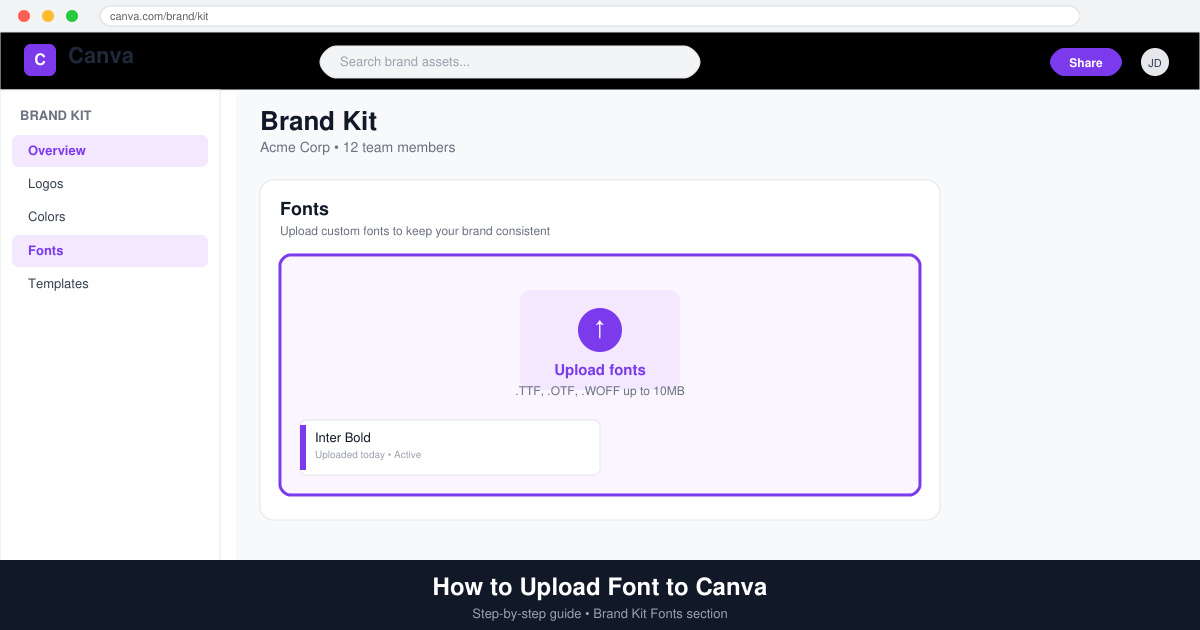
Open Canva and click the three-dot menu next to your account avatar in the top-right corner. Select “Brand Kit” from the dropdown. If you have multiple Brand Kits, choose the one where you want the new fonts to appear.
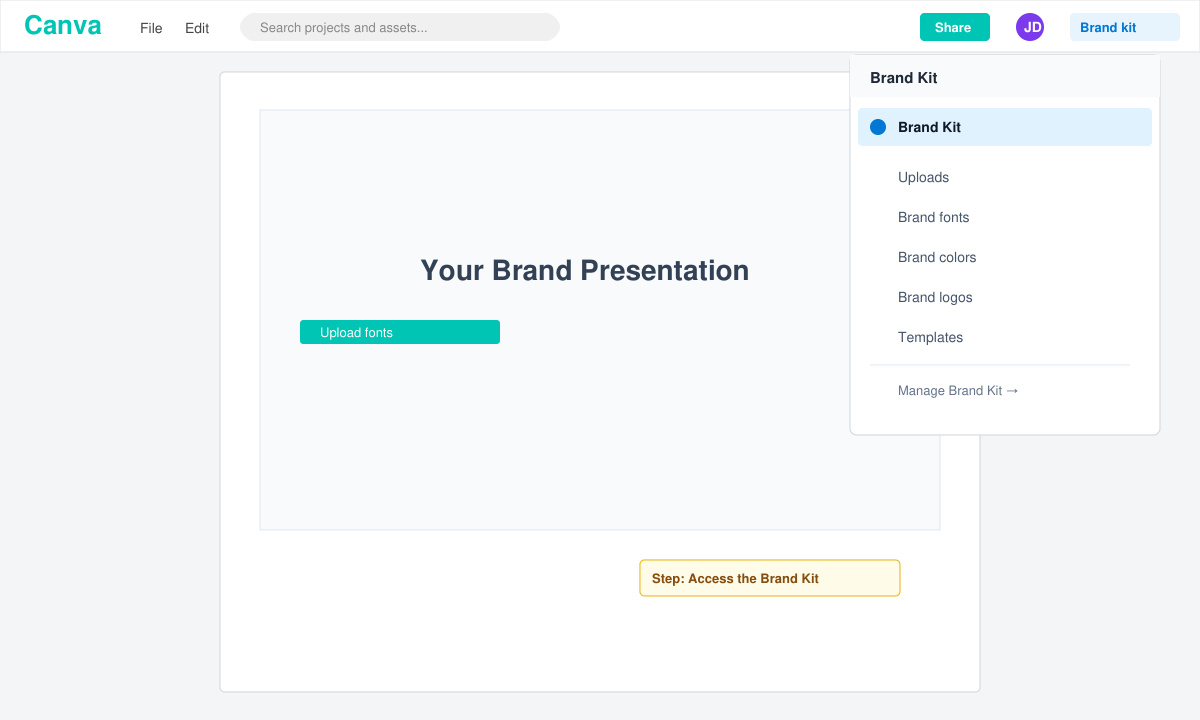
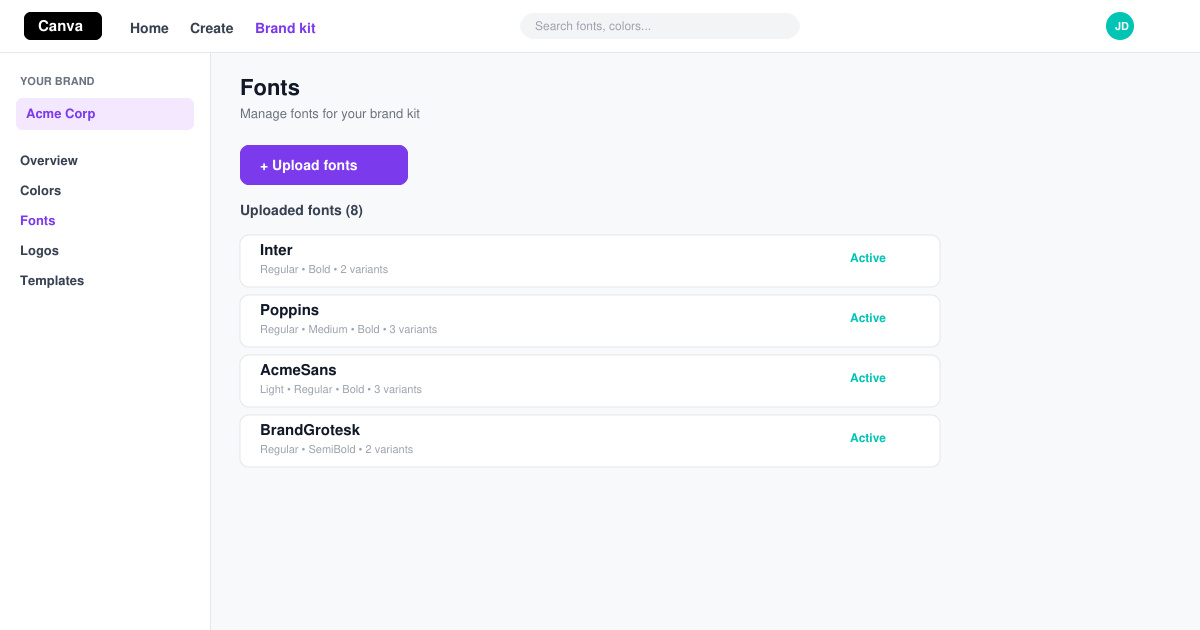
Scroll to the Fonts section inside the Brand Kit. Click the “Upload fonts” button. Select one or more .ttf or .otf files from your computer and confirm the upload. Canva processes each file and shows a green checkmark when it is ready.
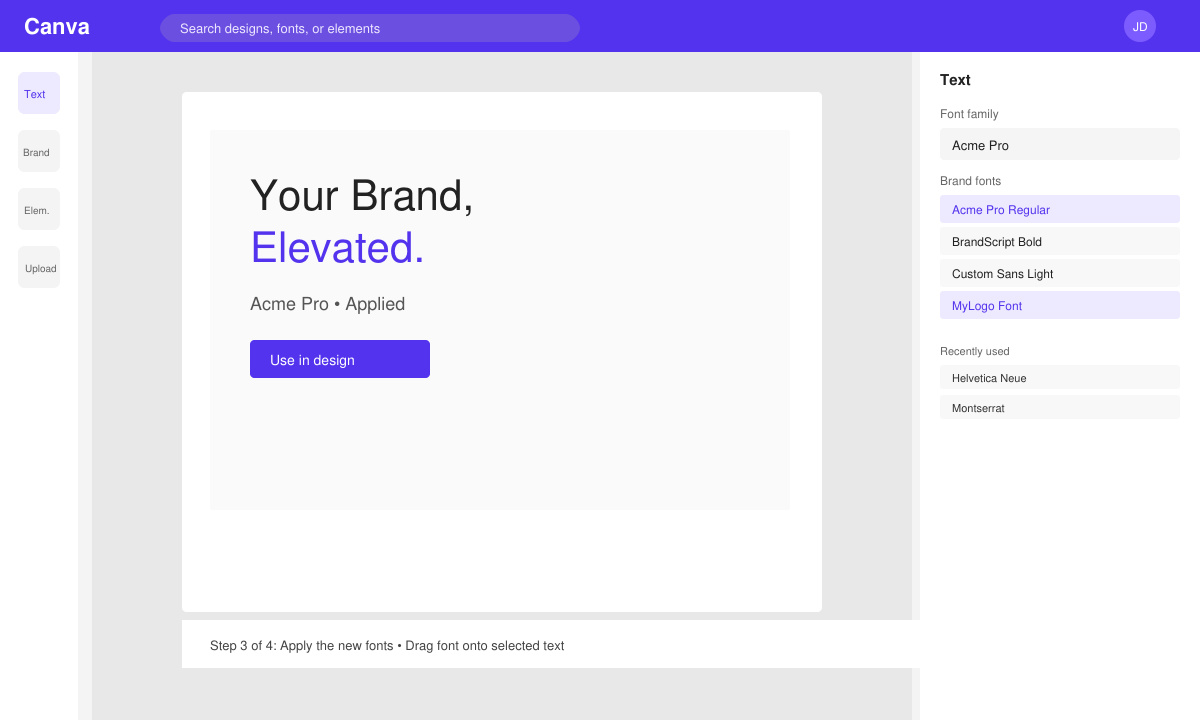
Open any existing design or start a fresh one. Click a text element, open the font dropdown in the top toolbar, and scroll until you see your uploaded fonts listed under “Brand fonts.” Select the font to apply it immediately.
No. The upload font to Canva option is locked behind Canva Pro. Free users can only use the built-in font library.
Canva Pro allows up to 100 custom fonts per Brand Kit. You can delete older fonts to free up slots if needed.
Yes. Once added to the Brand Kit, your fonts appear in every design you create or edit inside that kit, including social media posts, presentations, and print materials.
Following these steps lets you upload font to Canva in under five minutes and keep your brand typography consistent across every project.
Learn exactly how to add font to Canva with this step-by-step guide. Upload custom fonts through Brand Kit to use them across all your designs in minutes.
How to Use Skype for free video calls, messaging, and screen sharing. Follow this complete guide to install the app, set up your account, and start communicating in minutes.
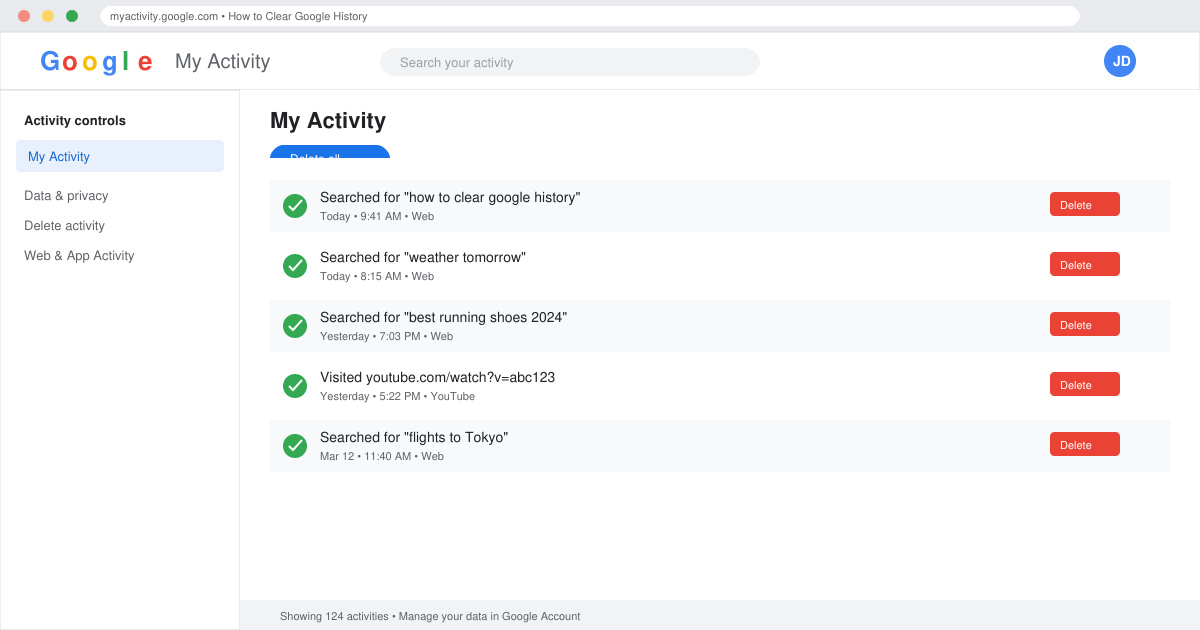
Learn how to clear Google history quickly to protect your privacy. This step-by-step guide shows you how to delete search activity from your Google account on any device.
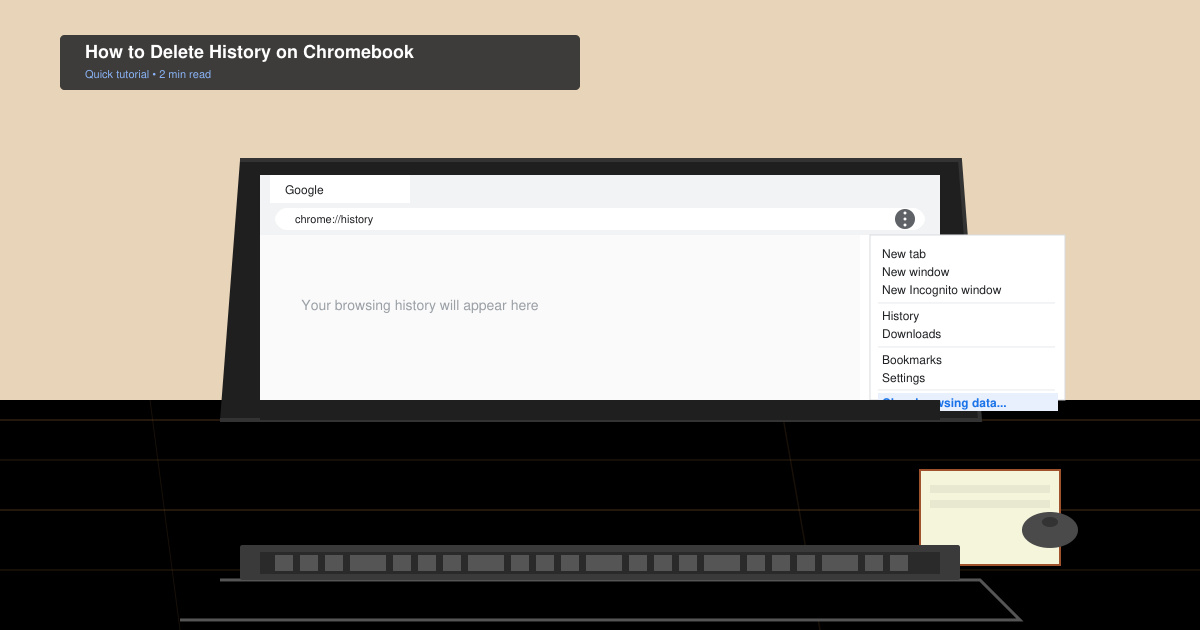
Learn exactly how to delete history on Chromebook to protect your privacy. Follow these precise steps to clear browsing data, cookies, and cached files on your device.
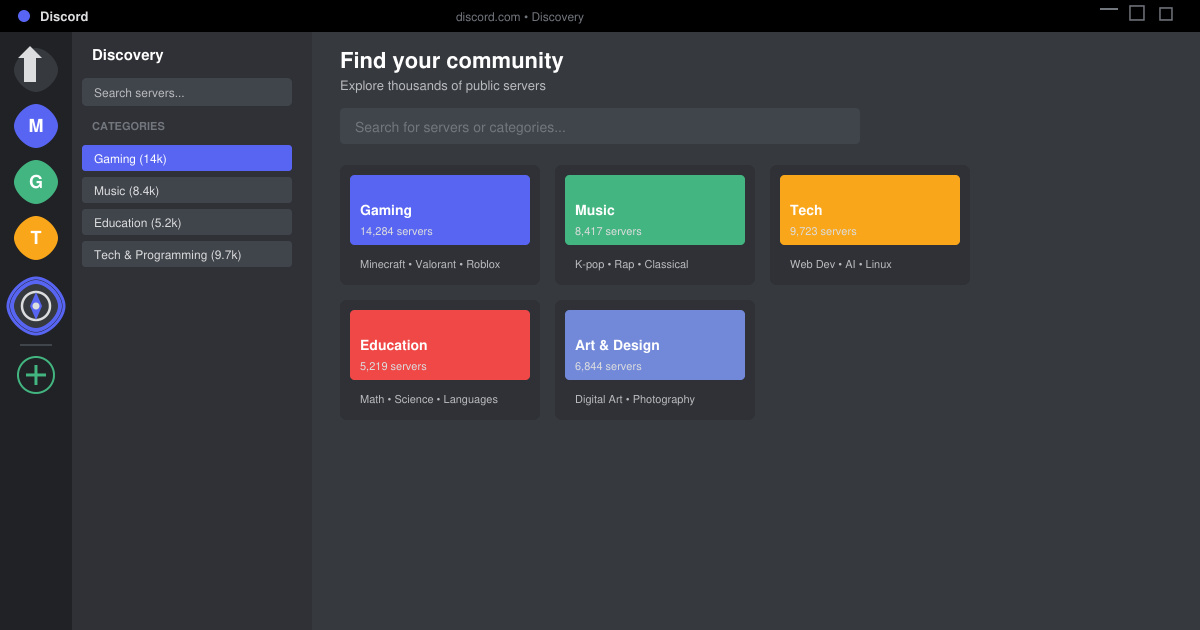
Learn how to find a server on Discord with this clear walkthrough of the built-in Discovery tool and other reliable methods. Join active communities fast.
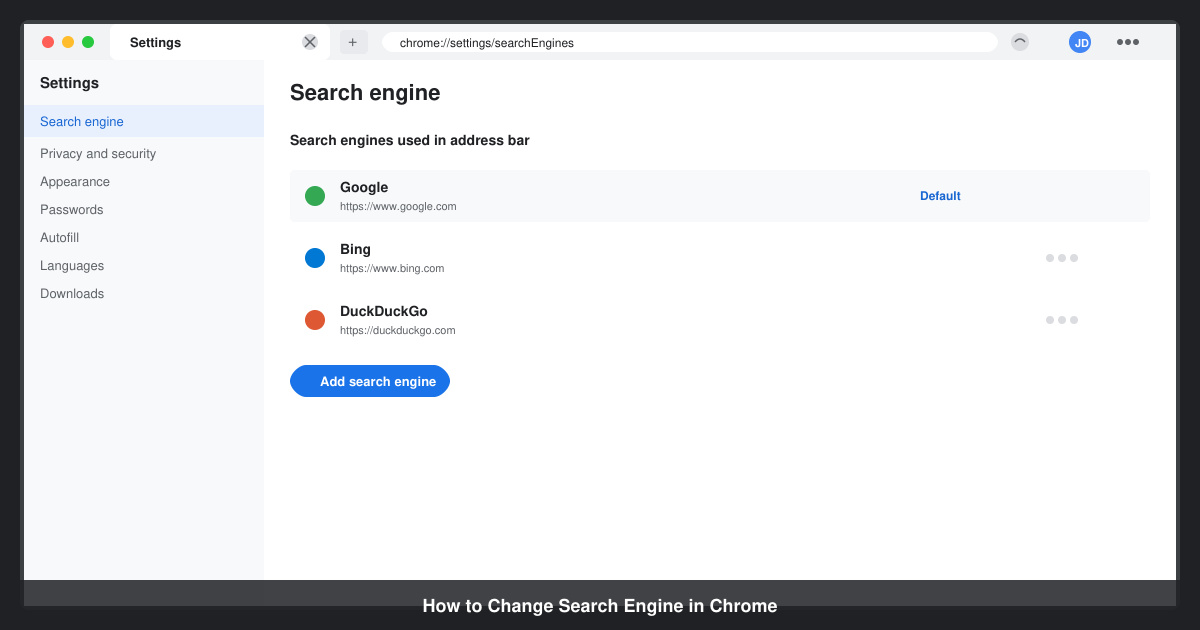
How to Change Search Engine in Chrome takes just a few clicks in Settings. Switch your default provider to Google, Bing, DuckDuckGo or another option and improve search results instantly.
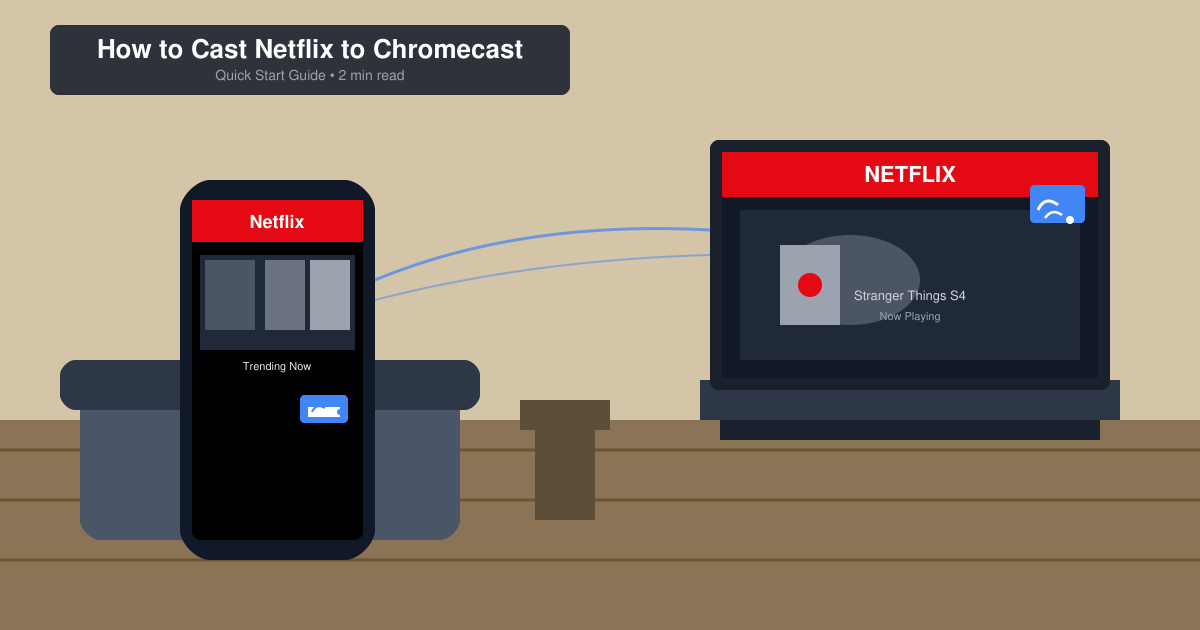
Learn exactly how to cast Netflix to Chromecast from your phone or computer. Follow these steps to stream movies and shows to your TV in minutes.
Learn exactly how to set Google as your homepage on Chrome in under a minute. Follow the precise steps in Chrome Settings to make google.com load when you click the home button.
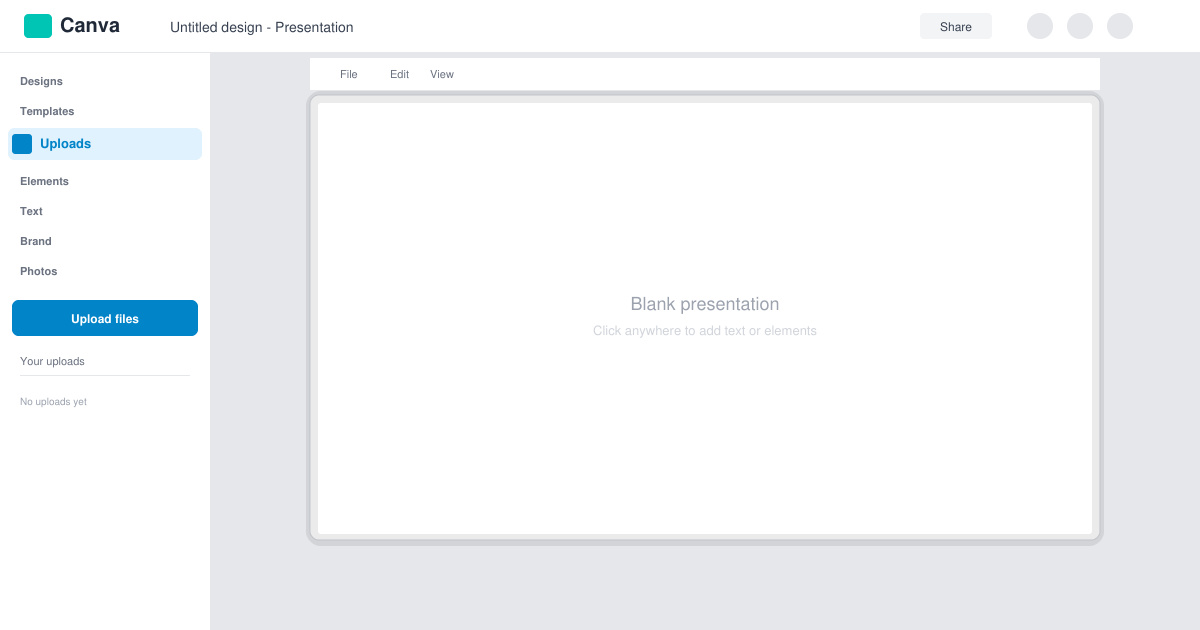
Learn how to add pictures to Canva in just a few clicks. This guide shows the fastest ways to upload your own photos or use Canva's library for any design project.
How to create a QR code in Canva is simple with the built-in generator. Follow these exact steps to add a working, customizable QR code to any design in under two minutes.