If you want to use the paid emoticons of Zalo without having to pay, you can follow and follow the small Zalo trick below.
It can be said among the applications, free chat software on the market today, Zalo is the favorite name and the most used choice. Not only fast, simple and compact, but the free chat app on this phone also has a huge store of utilities and hundreds of extremely impressive sticker sets.
Zalo for Android Zalo for iOS Zalo Web
However, only a small portion of these emoticons are provided for free, the rest users have to pay if they want to use.
How to use free Zalo sticker
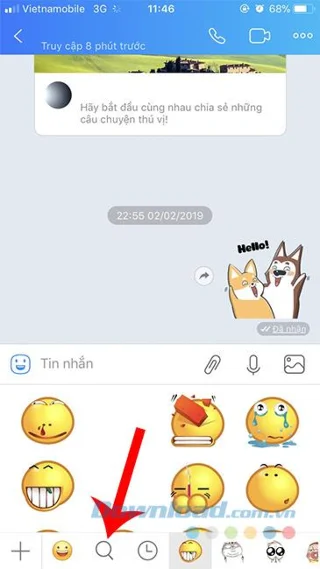
You log into your Zalo account , choose any person you want to talk to. In Zalo chat window with them, touch the Sticker icon as below. Here, you will see the list of emoticons you have, you can use them or you can choose to go to the magnifying glass to find other stickers.
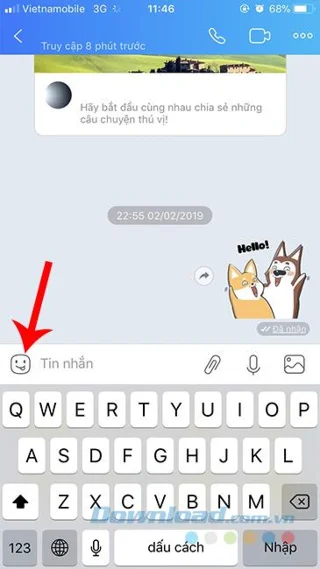

Search for stickers on Zalo
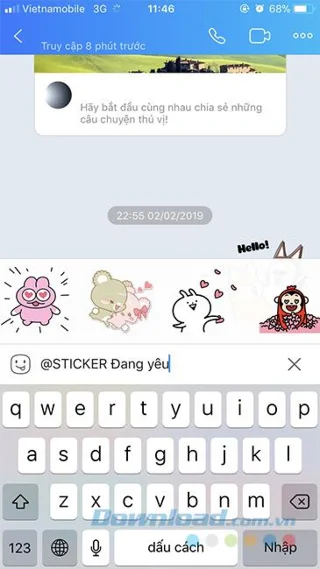
At this point the sticker list will turn into "emotion pack". Meaning we can choose directly according to the state we want to express.
For example:
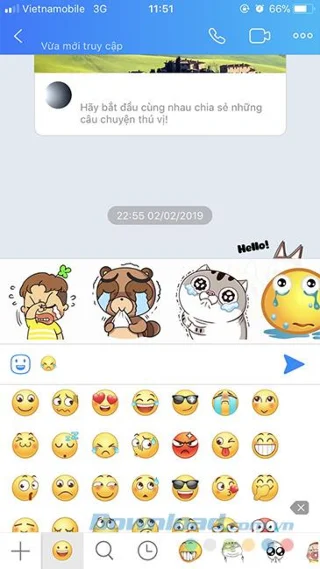
Writers choose " In love ", a series of stickers with content showing such will appear, especially, these are stickers selected from many different packages (including Zalo's paid packages).


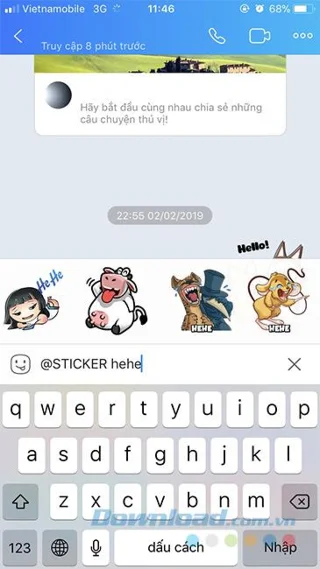
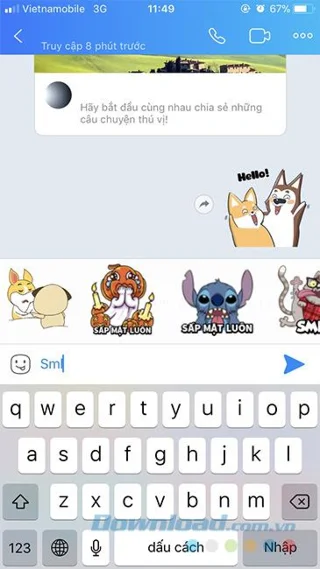
Or another way to use Zalo labels for free , is that you can enter the keyword "hehe, hihi, haha" ... or anything into the chat frame with the structure " @STICKER [from sticker key] "to search for results.
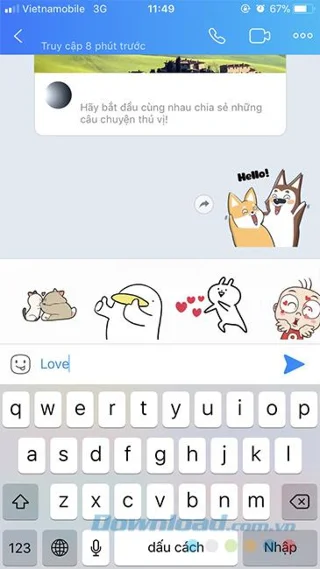
If you do not know, free chat application Zalo also improved smart recognition. Just in the chat content contains some special words, not only the corresponding emotions appear, but right on the chat screen display will also appear impressive effects.


Finally, just like using Viber's free sticker , we can use the "classic" sticker set to find more similar icons from other icon sets.


Note, this last search only works with this initial default sticker of Zalo.