Home
» How to
»
How to use nScreen app to capture Smart TV screen of TCL
How to use nScreen app to capture Smart TV screen of TCL
Just install the nScreen app and you can capture moments on your favorite TV shows. In the following article, WebTech360 will guide you how to use nScreen to capture Smart TV TCL screen .
Benefits of taking screenshots on Smart TV TCL?
When taking a screenshot on your TV, you can:
+ Save moments on your favorite TV shows.
+ Share on social networks with friends the content that you care about.
+ Take a picture of the TV screen to facilitate assistance when the TV error occurs.
Steps to use nScreen to pinch Smart TV TCL screen
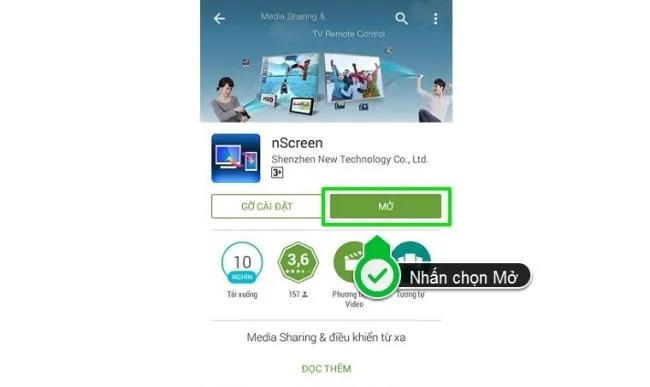
Step 1: Download the nScreen app on your phone then launch it.
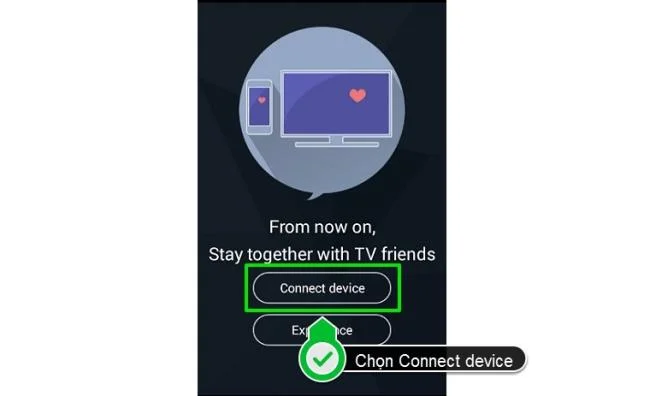
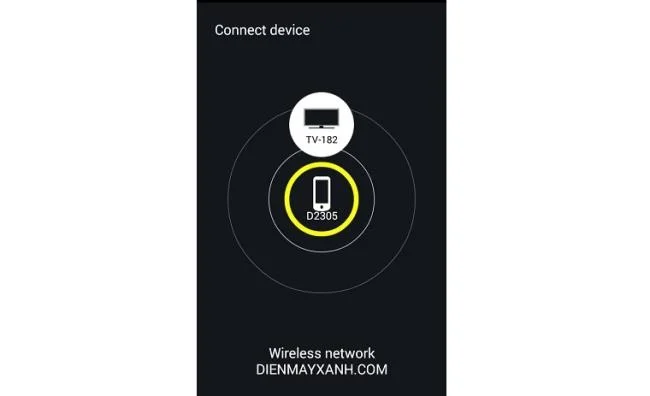
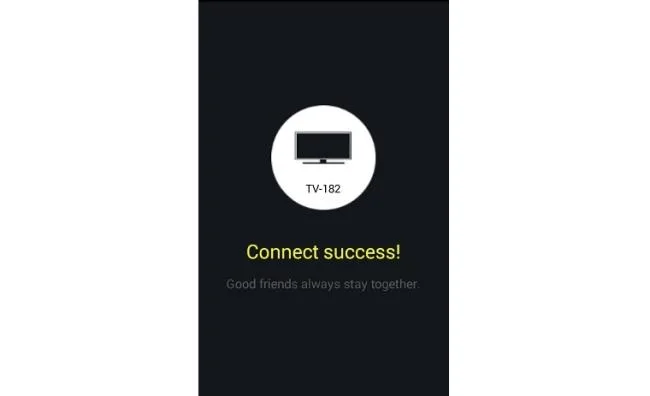
Step 2: Select Connect device to connect to Smart TV TCL which is connecting to the same wifi network that your phone connects.
Select Connect deviceSelect the TV you want to connect toSuccessfully connected to the TV
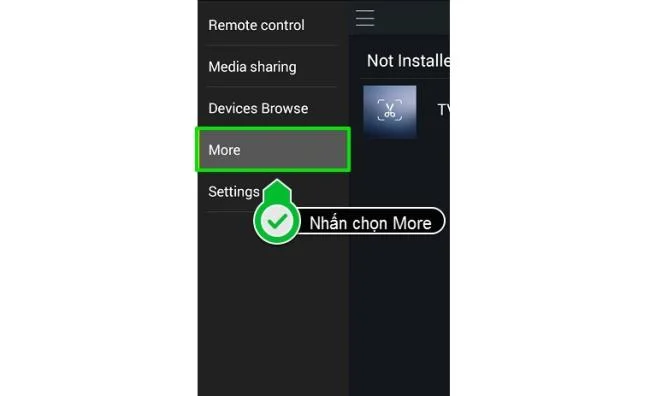
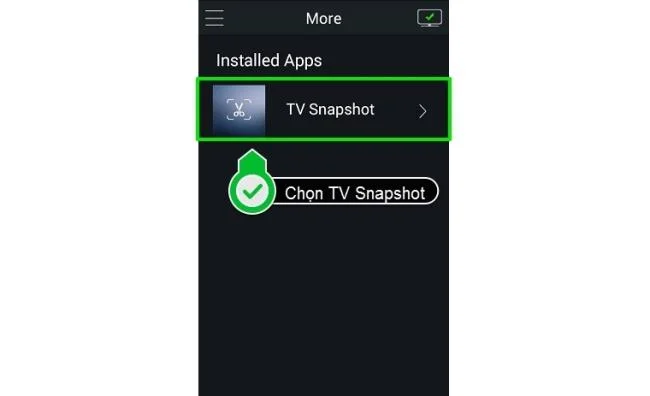
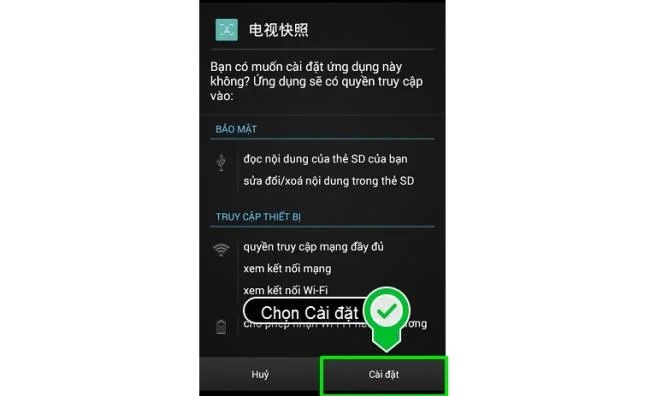
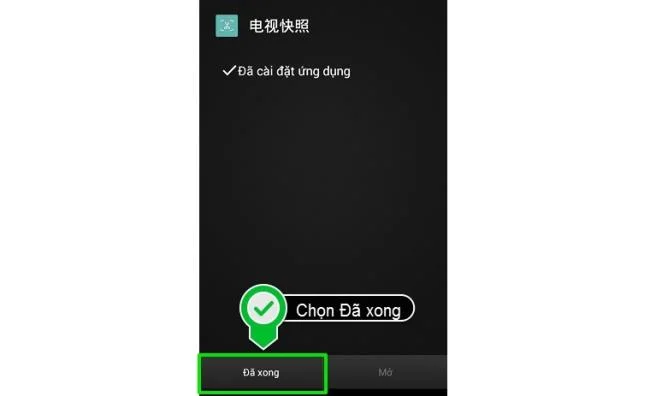
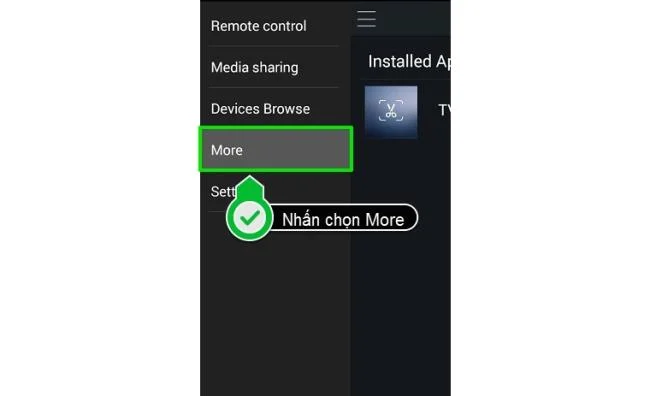
Step 3: After the main screen of the application appears, click More. The TV Snapshot application will appear on the screen in the Not Installed section. Click on the TV Snapshot app and install it as below steps.
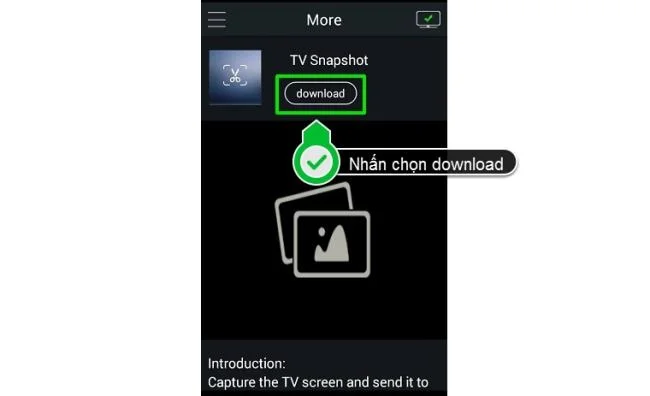
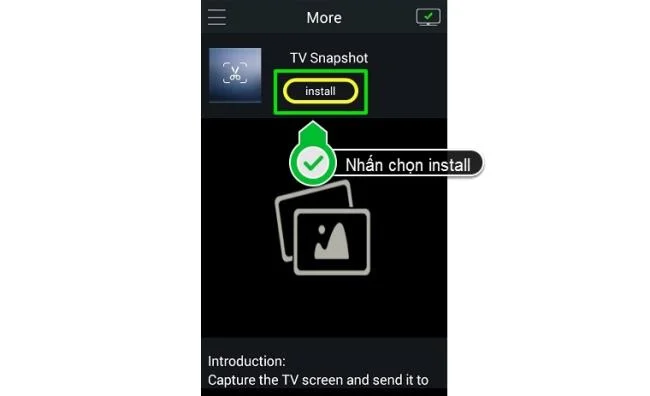
Click MoreSelect TV SnapshotClick download to download the softwareClick install to installClick Install to confirmThe application has been installed successfully and click Done to return to the main interface
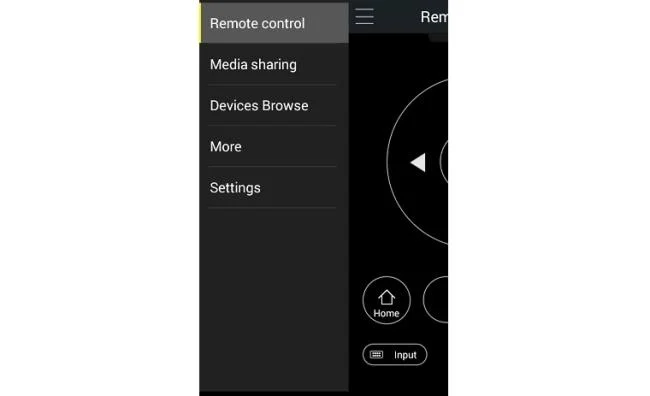
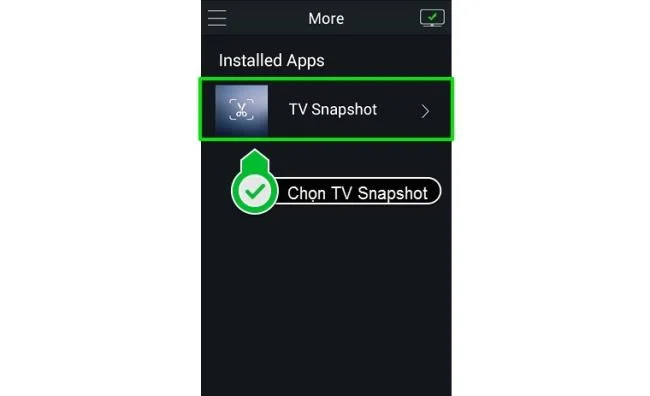
Step 4: After returning to the main interface of the application, click More, then select TV Snapshot to start taking pictures.
The main interface of the applicationClick MoreClick on TV Snapshot
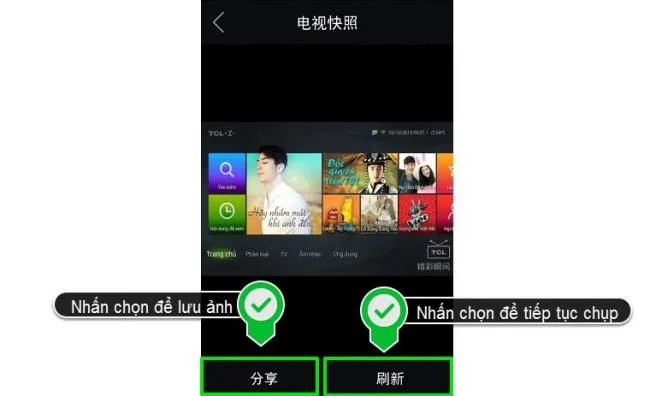
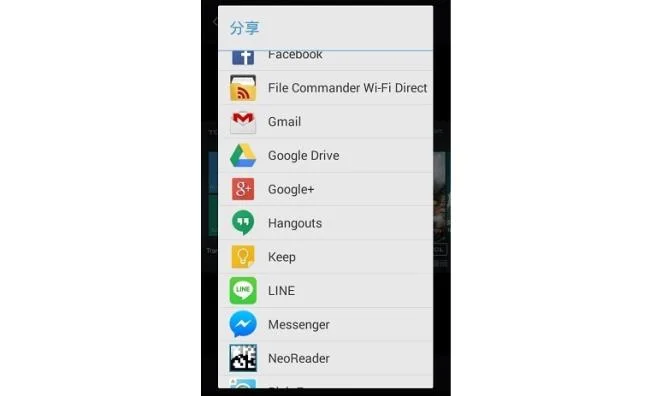
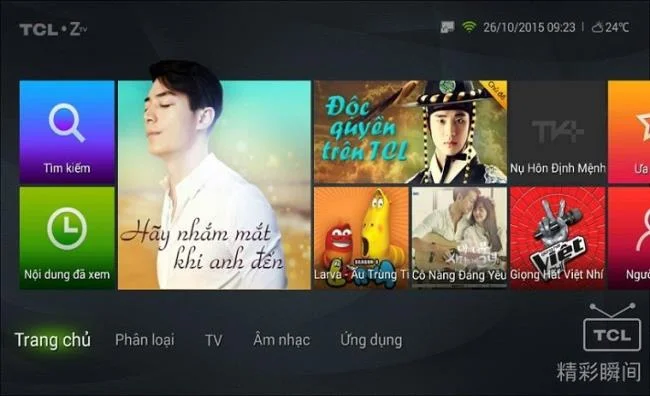
Press the right button if you want to continue shooting and press the left button if you want to saveChoose where to save the photoScreenshot of the TV screen
Note:
+ The TV screen shot will have the logo of TCL in the lower right corner of the picture.
The photo will not be saved on the phone. If you want to save the image, you must share it on Google Driver, Line, Zalo, Google Photo ... as above instructions in step 4.
Above are the steps to use nScreen to capture Smart TV TCL screen. Good luck!