The online learning application Zoom is becoming a phenomenon that teachers use to teach online. Not only that, businesses also consider Zoom as a convenient online meeting tool, bringing high efficiency because of its simple and easy-to-use usage.
However, Zoom is also leaving a lot of worries related to the security of users' personal information. Many organizations recommend data safety when using Zoom for online meetings. So how to ensure information security when using Zoom for online learning and online meetings for users' Zoom accounts? Below is how to secure information when studying online on Zoom.
Security instructions when teaching online on Zoom
Update Zoom to the latest version
Please regularly update the new version of Zoom to fix security-related errors. The Zoom download link below is always updated to the latest so you can download and install it for your device.
Or click on the Zoom account avatar and select Check for Updates to update to the new version.
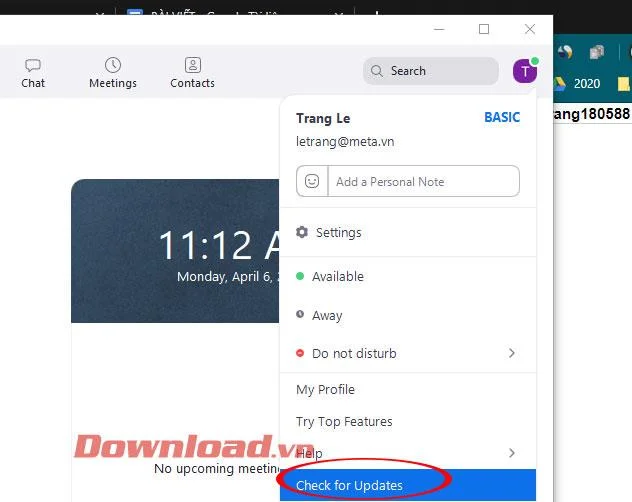
Update new version Zoom
Use classroom password on Zoom
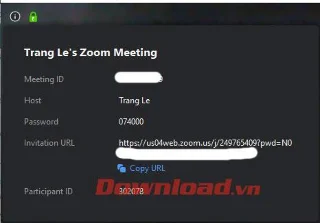
Administrators who create classrooms and meeting rooms sometimes skip the step of creating a password for the classroom, causing the classrooms to be infiltrated by bad actors. Therefore, every online meeting or distance learning needs to set up a password to require participants to enter an access password.

Create a classroom password
Use the participant review feature on Zoom
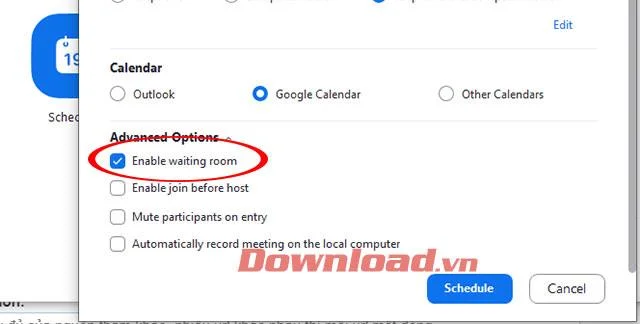
The Waiting room feature in Zoom is responsible for reviewing people who want to participate in the online class you have created.
Click Schedule meeting and select Advanced Options and check Enable waiting room.

Approve participation in class on Zoom
Manage screen sharing members on Zoom
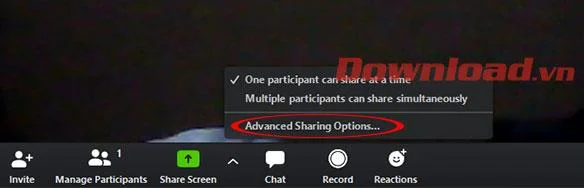
In the online learning interface, if you are the Host, you can control screen sharing by clicking Share Screen and then clicking Advanced Sharing Options...

Manage Zoom screen sharing
Use two devices during Zoom calls
If you're on a computer call, use your phone to check email or text with other people on the call.
Do not use Facebook to log in to Zoom
Signing in with a Facebook account will save time but has poor security and significantly increases the risk of the amount of personal data that Zoom can access.