How to Make Makeup Brushes Dry Faster Without Damaging Them
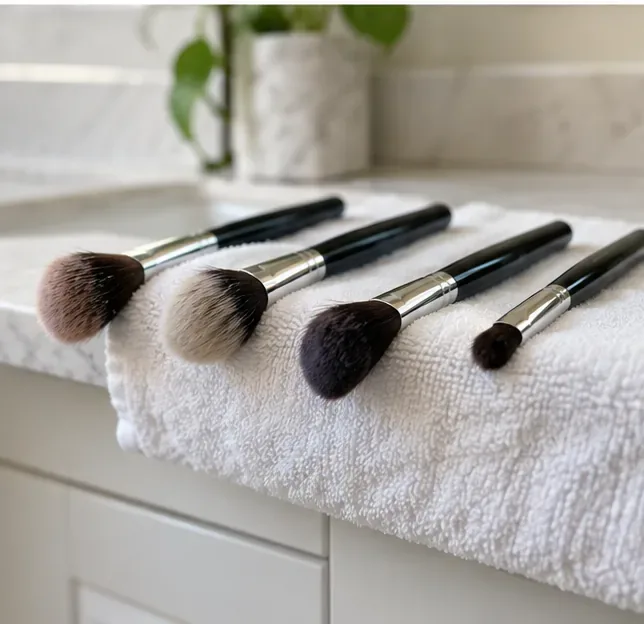
Speed up makeup brush drying safely: blot out water, reshape bristles, improve airflow, and avoid heat that can damage fibers, ferrules, and glue.
The first question is not “which cycle should I use?” It is whether this particular stuffed animal is machine-washable at all. Check the care tag or the manufacturer's product page before putting a plush toy in the washer. Many modern polyester-filled toys can handle a gentle machine wash, but toys with batteries, sound boxes, mechanical parts, fragile glued-on decorations, specialty fillings, or delicate fibers may need hand washing or surface cleaning instead.
Whirlpool and Maytag both advise checking the care label first and protecting washable plush toys in a mesh bag or pillowcase. Steiff says most of its ordinary plush cuddly toys can be washed at up to 30°C when the individual product instructions permit it, but collector pieces made from materials such as mohair or alpaca are not generally suitable for machine washing. Jellycat product pages likewise give item-specific instructions; many current products specify a 30°C wash and no tumble drying. Those differences are why the tag on the toy matters more than a universal rule.
Machine washing is a reasonable option when the toy's label explicitly says machine washable or gives a machine-wash temperature and cycle. If the tag is missing, Maytag recommends taking the more conservative route and hand washing rather than assuming the toy is washer-safe.
| Stuffed animal condition | Best starting method | Why |
|---|---|---|
| Care tag says machine washable | Use the specified cycle and temperature | The manufacturer has provided a laundering method for that toy. |
| No care tag or instructions | Hand wash or spot clean | Materials, adhesives, stuffing, and internal parts are unknown. |
| Battery pack, sound box, motor, or other electronics | Surface clean unless the manufacturer gives another method | Water can damage internal components. |
| Older toy with weak seams or brittle fabric | Hand wash gently or consult a textile conservator for valuable items | Machine agitation can enlarge tears and release stuffing. |
| Mohair, alpaca, collector-grade or specialty plush | Follow the exact maker's care instructions | Some specialty fibers and finishes are not washer-safe. |
Official references include Whirlpool's stuffed-animal washing guide, Maytag's washing guide, and Steiff's care and washing instructions.
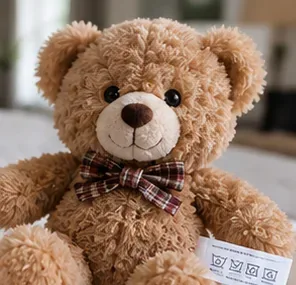
Inspect the entire toy before it gets wet. Look for loose seams, partially detached eyes or noses, weak embroidery, glued decorations, exposed stuffing, and detachable clothing or accessories. Remove clothes, bows, collars, and other parts that the manufacturer says can come off. If a seam is opening, repair it before washing; a small tear can become a large one once wet stuffing adds weight.
Also check pockets or Velcro compartments for removable electronics. A toy with a voice recorder, light module, battery compartment, squeaker, rattle, or music box should not be treated like a plain polyester plush. Aurora's official care guide, for example, says plush toys containing musical chips, sound boxes, squeakers, crinkles, or rattles should be surface washed rather than machine washed.
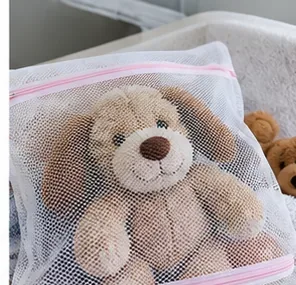
Place the toy in a zippered mesh laundry bag or a pillowcase that can be tied or securely closed. This creates a sacrificial layer between the plush surface and the washer drum and reduces direct rubbing on fur, embroidery, ears, and limbs. Whirlpool, Maytag, and Steiff all recommend a laundry bag or pillowcase for machine-washable stuffed animals.
For a toy with long floppy ears or thin arms, arrange those parts naturally inside the bag rather than knotting or tightly folding them. Do not pack several large toys into one small bag. Each toy needs enough space for water and detergent to move through it.
You can add a few soft, colorfast towels when doing so does not overload the machine. They can cushion the toy and help balance a small load. This is especially useful in a front-loading washer where a single lightweight toy may otherwise tumble by itself.
Keep the load gentle. Do not add jeans, garments with exposed zippers or hooks, heavily soiled work clothes, or items likely to bleed dye. If the toy is white or pastel, wash it only with compatible light-colored items.
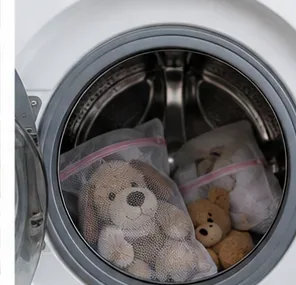
Use the care tag first. When the tag simply permits machine washing without a more aggressive setting, a gentle or delicate cycle and cold water are common conservative choices. Whirlpool recommends a Delicate, Hand Wash, or Gentle setting with cold water for many washer-safe stuffed animals. Maytag likewise recommends a gentle or delicate cycle with cold water.
Some brands specify a temperature. Steiff's general care page says machine-washable Steiff items should be washed at a maximum of 30°C with a mild detergent and separately from other laundry. Many current Jellycat product pages also specify a 30°C wash. Do not raise the temperature because a toy “looks very dirty” unless the care label permits it; heat can affect colors, adhesives, faux fur, and plastic details.
Use a small amount of mild laundry detergent. Avoid chlorine bleach and other harsh chemicals unless the manufacturer's instructions explicitly allow them. More detergent is not automatically cleaner; excess detergent can remain trapped in dense stuffing and require more rinsing.
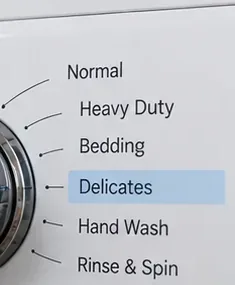
Run the selected gentle cycle and let the washer complete its rinse and spin. Avoid interrupting the cycle to wring out the toy by hand. If your machine offers an extra rinse and the toy still feels soapy afterward, an additional rinse may be useful if the care instructions permit it.
Do not overload the drum. A stuffed animal absorbs water and becomes heavier, so it needs space to move without being compressed against the door or agitator. Very large plush toys may be better suited to hand washing or professional cleaning even if their surface fabric seems washable.
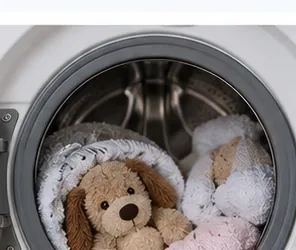
Only if the care tag specifically allows it. Air drying is the safer default for an unknown or delicate plush because dryer heat can damage glue, faux fur, plastic features, or internal materials. Whirlpool generally recommends air drying to reduce the risk of melted glue or plastic parts. Steiff's instructions vary by product; many examples specify “do not tumble dry.” Jellycat's current care instructions for many plush products also say not to tumble dry.
If the manufacturer explicitly permits tumble drying, use the temperature and cycle stated on the label. Do not assume “low heat” is universally safe merely because the toy survived the washer.
Lift the toy with both hands so wet stuffing does not pull hard on one seam or limb. Place it on a clean towel, roll or wrap the towel around it, and press gently to absorb moisture. Do not twist or wring the toy. Wringing can shift stuffing into hard lumps, distort the body, and stress seams.
Reshape the head, limbs, ears, and body while the toy is damp. If the fur is flattened, use your fingers to separate it lightly rather than brushing aggressively while wet.
There is no single reliable number of hours because drying time depends on the toy's size, stuffing density, room humidity, airflow, and how much water remains after spinning. The important endpoint is complete dryness all the way through, not merely dry-looking fur.
Place the toy on a clean drying rack or dry towel in a well-ventilated room. Turn it periodically so different sides receive airflow. Avoid storing it, putting clothes back on it, or returning it to a child while the center still feels cool, heavy, or damp. Thick torsos and large heads usually take longer than ears and paws.
Once the toy is fully dry, smell and inspect it. A good result means the surface is clean, detergent residue is gone, stuffing is evenly distributed, and seams and attachments remain secure. Gently squeeze thick sections; they should feel dry and springy rather than cold, dense, or wet inside.
Fluff the fur with your fingers or a clean soft brush if the manufacturer permits brushing. Check safety eyes, embroidered features, buttons, and other attachments before giving the toy back to a child. Jellycat, for example, tells owners to check products regularly for wear or damage.
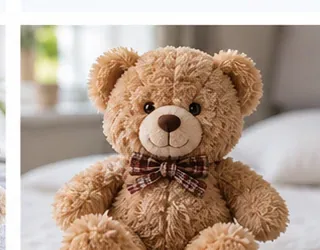
Choose a gentler method when the tag says surface clean only, the toy contains electronics, the fabric is fragile, seams are weak, the item is an old keepsake, or you cannot identify the materials. Hand washing lets you control how much water and agitation the toy receives. Spot cleaning is better when only one small area is dirty or when internal components should remain dry.
Whirlpool recommends spot cleaning for stuffed animals with battery packs, electronic parts, or filling that should not get wet. Aurora similarly restricts water exposure for certain sound-producing or mechanical plush products. For highly valuable antique or collectible toys, professional textile or object conservation may be more appropriate than home laundering.
Speed up makeup brush drying safely: blot out water, reshape bristles, improve airflow, and avoid heat that can damage fibers, ferrules, and glue.
Learn which stuffed animals can go in the washer, how to protect them, choose a gentle cycle, dry them safely, and know when hand washing is better.
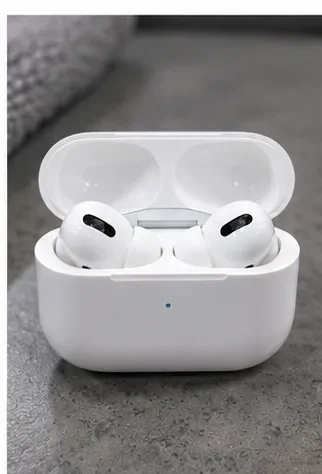
Learn how to clean AirPods Pro ear tips with Apple’s current method: remove, rinse with water, dry completely, reattach, and avoid soap.
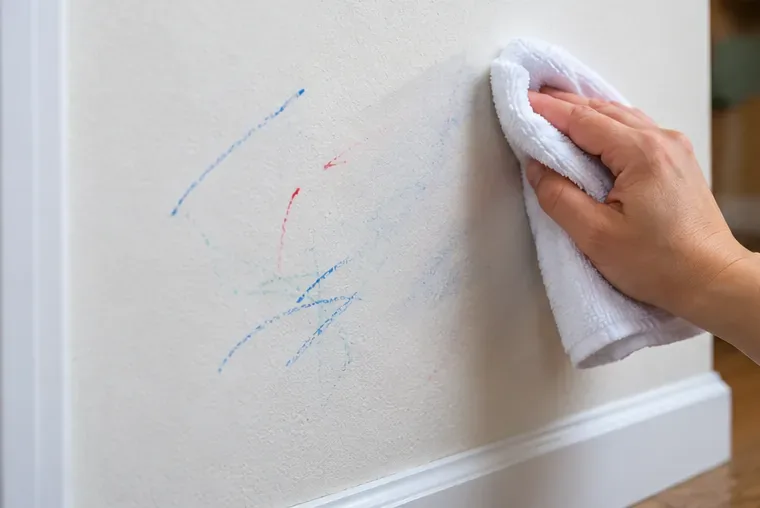
Learn how to remove dry-erase marker from a painted wall safely, from water and mild soap to careful rubbing-alcohol spot treatment.
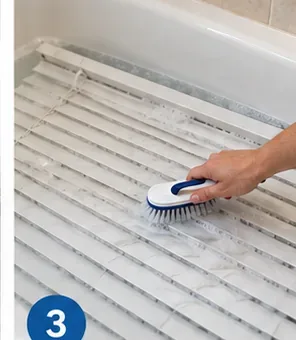
Learn when bathtub cleaning is safe for blinds, which materials should never be soaked, and how to wash, rinse, dry, and rehang approved blinds without damage.
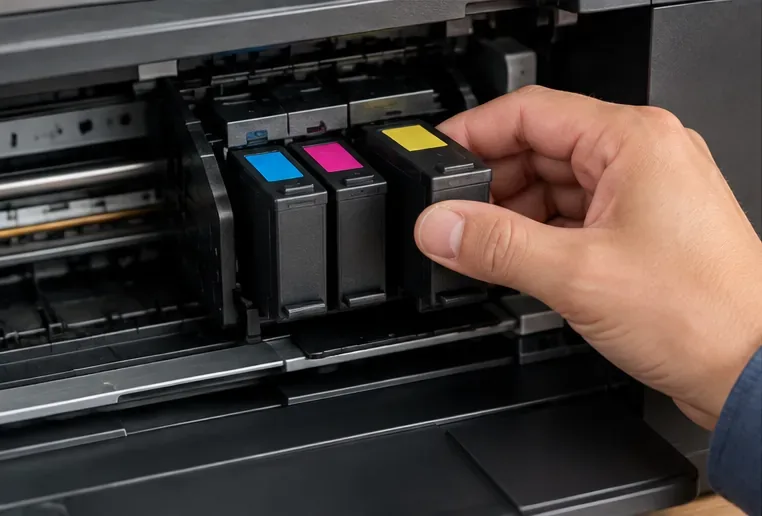
Learn how to clean a printer cartridge safely, when to use built-in cleaning, how to handle inkjet contacts, what to avoid, and how to verify print quality.
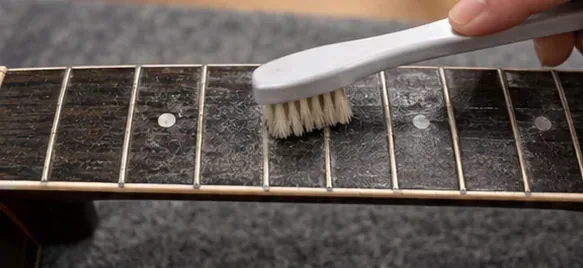
Learn how to clean a guitar fretboard safely, choose the right method for finished or unfinished wood, avoid common myths, and condition only when needed.
Learn how to clean a stained dry-erase board safely, remove ghosting and stubborn ink, handle permanent marker, and avoid common cleaning mistakes.
Clean PS5 cooling vents without opening the console using PlayStation’s recommended low-powered vacuum method, plus airflow and noise checks.
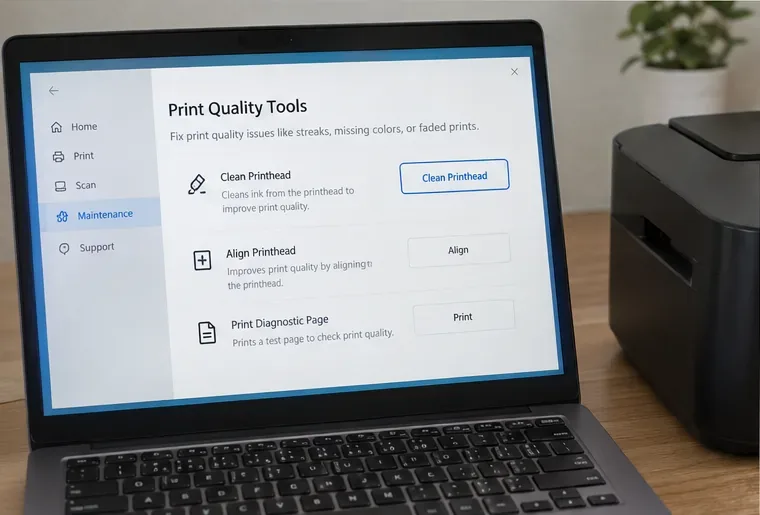
Learn how to clean an HP printer head safely using diagnostic pages, built-in cleaning tools, alignment checks, and model-specific manual care.