Recently, when surfing TikTok or other social networks, we often see extremely impressive videos incorporating Ms. Google's voice . Currently, you also want to create a video but don't know how to do it? So today we will introduce the steps to create and incorporate Google's voice into your videos.
To be able to create this video, we will use the CapCut application . This is a free video editing application that combines all the useful and necessary features, helping you create videos with amazing effects to post on TikTok. Next, Download.vn invites you to watch the video Instructions on how to incorporate Google's voice into videos on CapCut.
Instructions for using Google's voice to make videos on Capcut
Step 1: First, to create the sound of Ms. Google's voice, we will access the link below on the phone's browser application.
https://soundoftext.com
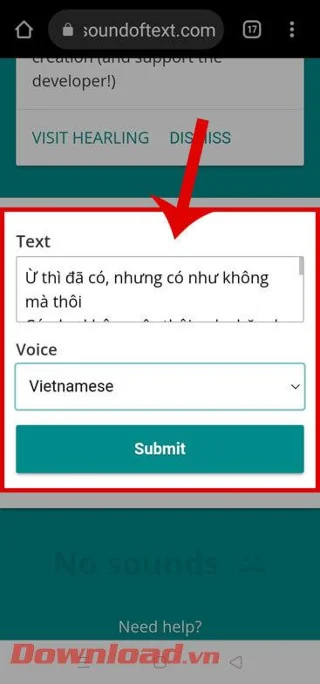
Step 2: At the Sound of Text website , scroll down the screen, enter the content you want to convert into Google's voice into the Text box and select Vietnamese language . Then, click the Submit button.
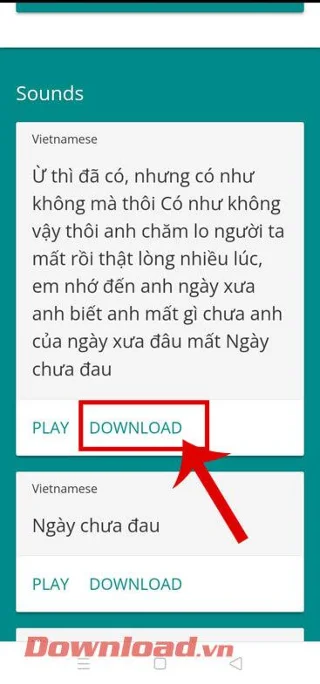
Step 3: Swipe the screen down to the Sounds section , touch the Download button , to download the Google sound file to your device.

Step 4: After creating the sound of Ms. Google's voice, we will open the CapCut application on our phone. Then in the main interface of the application, click on New Project.
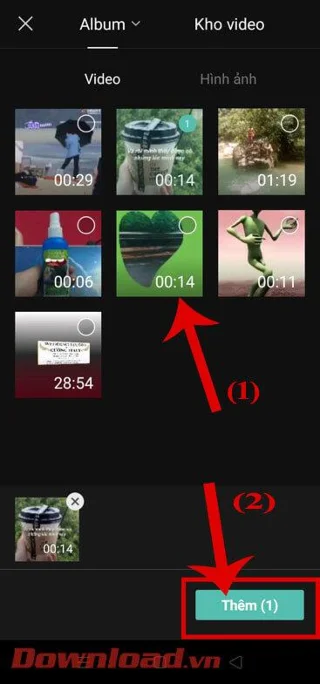
Step 5: Select any video on your phone that you want to combine this audio with, then touch the Add button.

Step 6: In the application's video editing interface, click on the Audio item at the bottom of the screen.
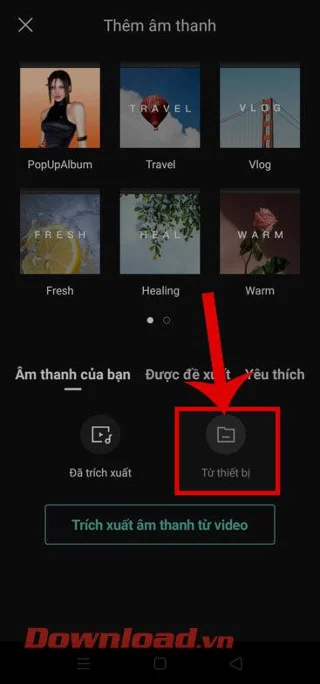
Step 7: In the Add audio to video section, tap From device.
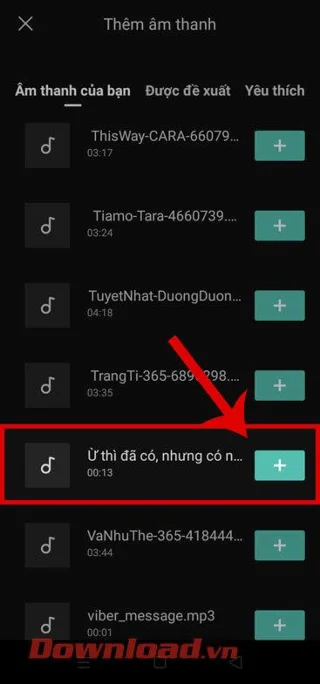
Step 8: Search and click on the "+" icon in the Google audio file we just created.


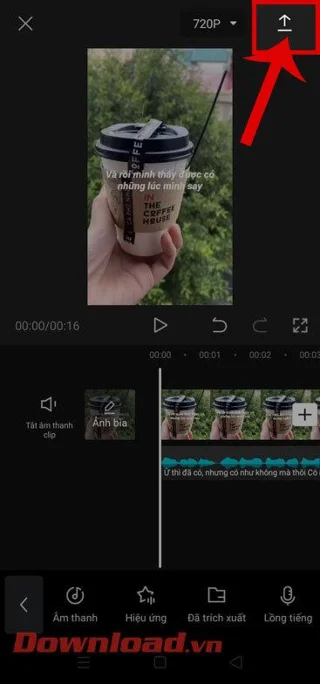
Step 9: At this point, the sound of Ms. Google's voice is immediately merged into my video. Click the up arrow icon in the upper right corner of the screen, to export the video.
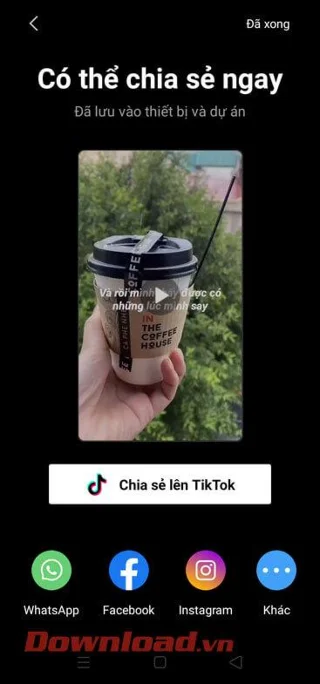
Step 10: Finally, wait a moment for the video to be saved to your phone, then you can share the video to TikTok or other social networking applications.


Wishing you success!