Keep Services Available During a SLES 15 SP5 to SP6 Upgrade

SLES 15 SP5 can migrate online to SP6, but each node must reboot. Use a tested rolling upgrade or blue-green cutover to keep workloads reachable.
Microsoft automatically turns on the new Outlook interface when you are using the classic Outlook. Even the switch button in the Outlook application that allowed users to switch to the old version is no longer there. If you want to use the old version of Outlook, the article below will guide you with a very simple way to do it.
How to download the old version of Outlook app
Step 1:
First, click on the link below to go to the download page for the classic version of Outlook. Continue to click View in Store .

Step 2:
Next, click Install to download and install the classic Outlook application on your computer.
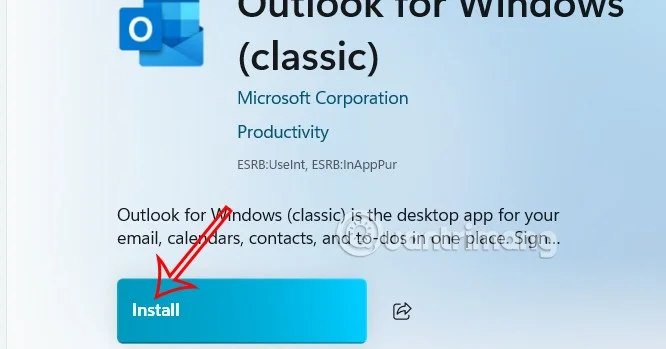
The Office installer appears and you follow the instructions on the screen. After the installation process is complete, click Outlook in the search bar to open and use it.
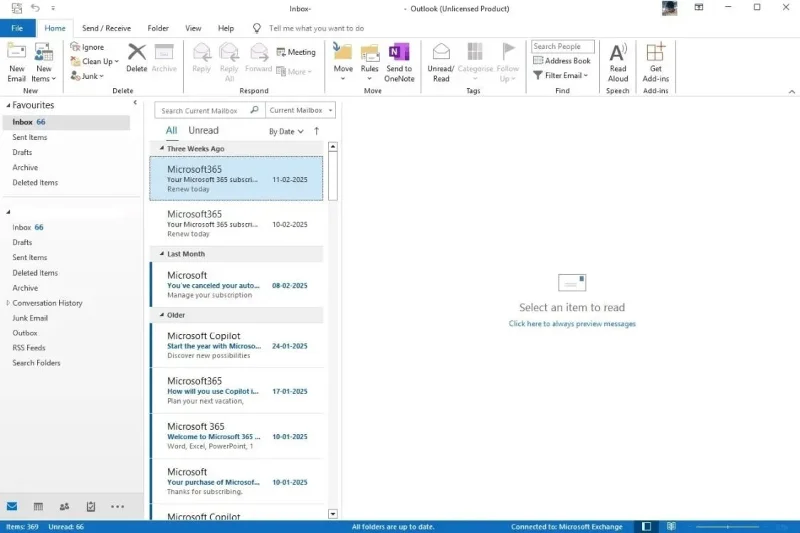
Step 3:
While you have installed the classic Outlook app, it is important that you also change the Registry entry to block the automatic transition to the new Outlook.
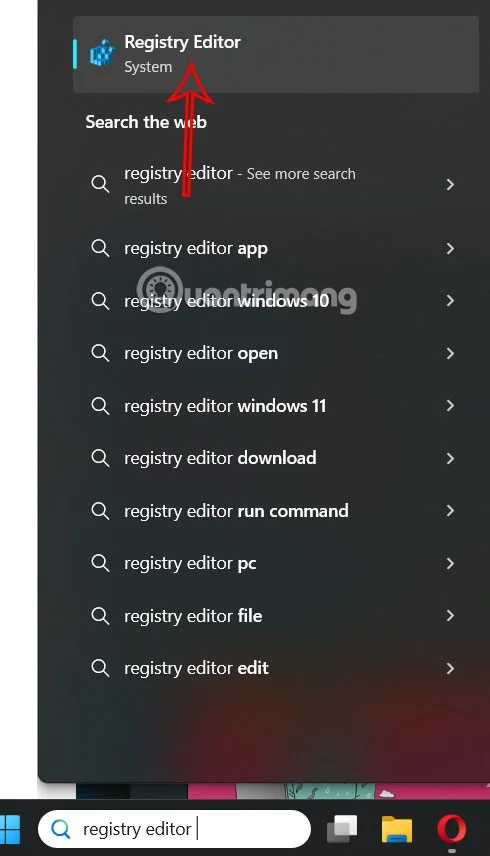
You enter the keyword registry editor in the search bar and then click on the result to access.
Step 4:
Users access the link below.
Computer\HKEY_CURRENT_USER\Software\Microsoft\Office\16.0\Outlook\Preferences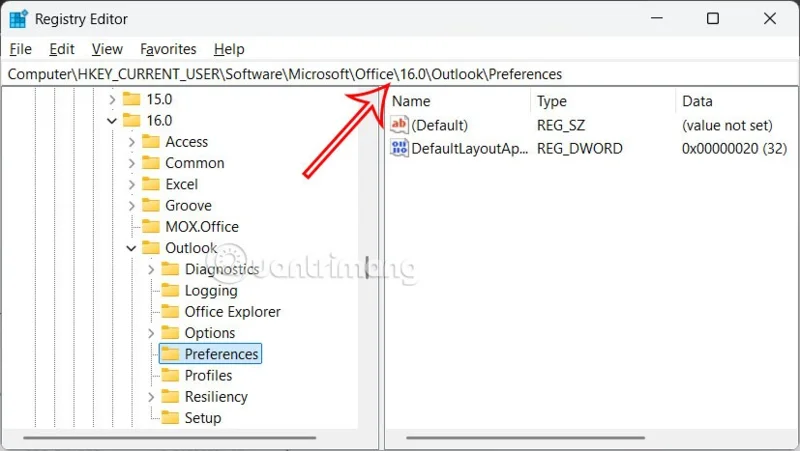
In this interface double click on the UseNewOutlook value and change it to 0 then click OK to save.
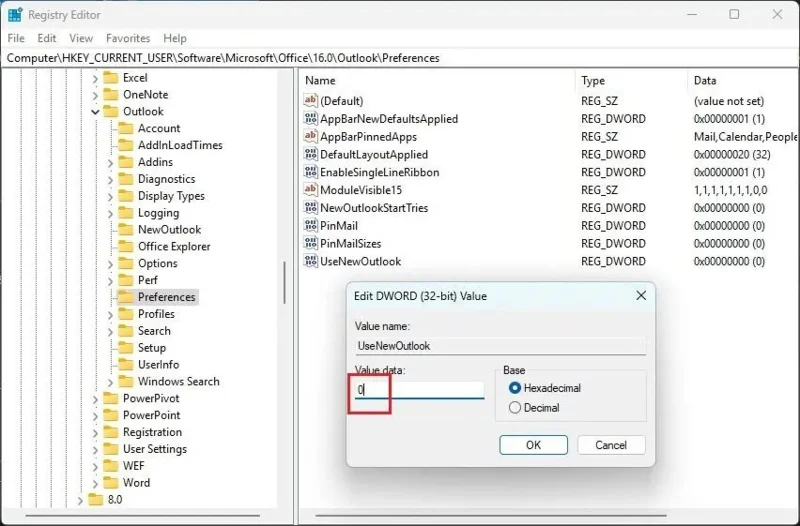
Finally, restart your computer to apply the changes.
SLES 15 SP5 can migrate online to SP6, but each node must reboot. Use a tested rolling upgrade or blue-green cutover to keep workloads reachable.
Use SUSE’s supported STIG profile to scan SLES 15, test remediation, review remaining findings, and retain assessment evidence.
Trace a failed Cockpit connection through DNS, port 9090, the systemd socket, firewalld, TLS, and login settings using current SUSE guidance.
Create a redundant Ethernet connection on SLES 15 with YaST and Wicked, configure active-backup bonding, and verify both ports and failover.
Turn an existing SLES 15 system into a reviewed AutoYaST profile, validate it, and use it to deploy a test server with fewer manual steps.
Install the SLES 15 KVM and libvirt tools, enable the right host service, and configure selected virtual machines to start after a reboot.
Use systemd jobs and the previous boot journal to locate a slow service, mount, or storage dependency, then correct it without masking the cause.
Use firewall-cmd to inspect the active zone, allow HTTP safely, preserve SSH access, and verify that the rule survives a reload on SLES 15.
Trace a PAM failure to its service, account policy, or identity provider, then repair the right SLES configuration while preserving a working admin session.
Trace a failed kernel module at SLES startup, correct an obsolete boot entry or repair the required driver, and verify the next boot.








