

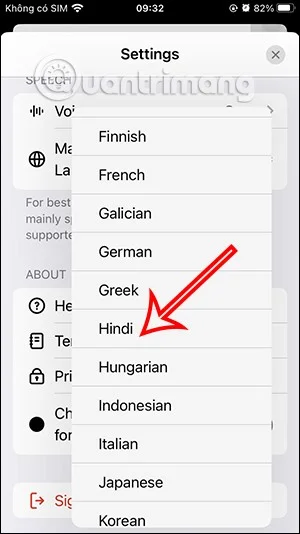
Keep Debian 12 Security Updates Running on a Headless Server
Enable Debian’s unattended security updates over SSH, keep the default package sources, and verify scheduled runs through systemd and APT logs.
After supporting you to chat by voice on ChatGPT , this AI tool has also updated the option to read feedback with many supported languages. ChatGPT automatically recognizes the feedback language and then reads the content aloud for you. We can also choose the voice we want in ChatGPT settings. The following article will guide you to read feedback on ChatGPT.
How to read responses on ChatGPT
Step 1:
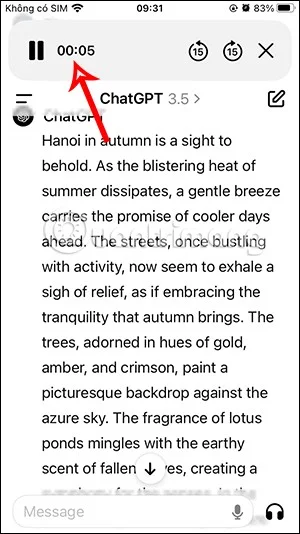
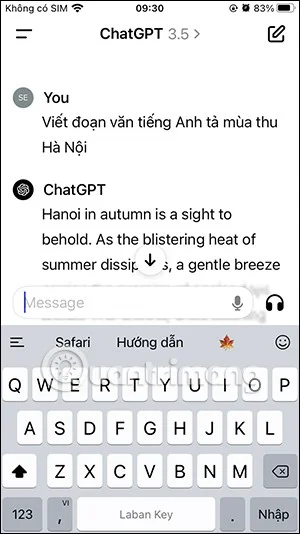
First, you access ChatGPT and then ask a question or issue that you want ChatGPT to answer. Once you have an answer from ChatGPT, you press and hold on the response content and select Real Aloud to have ChatGPT read the response aloud.
Step 2:
Immediately after that, you will see on the top of the ChatGPT interface the response reading bar and customize to rewind or fast forward the reading content . You press the pause icon to stop reading, you can fast forward 15 seconds or rewind 15 seconds of reading content.
Step 3:
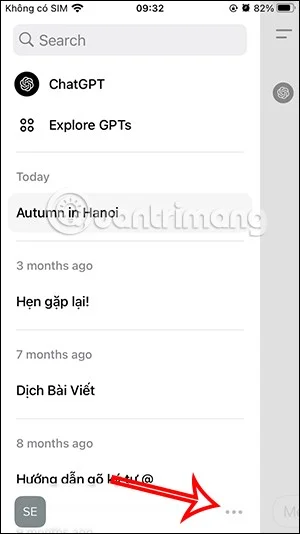
To adjust the ChatGPT response voice , click on the 2 dashes icon in the top left corner of the interface. To go to the ChatGPT customization interface, click on the 3 dots icon at the account name as shown below.
Step 4:
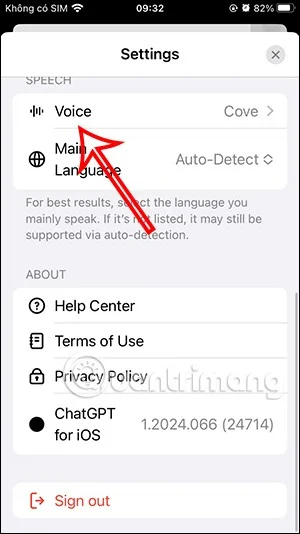
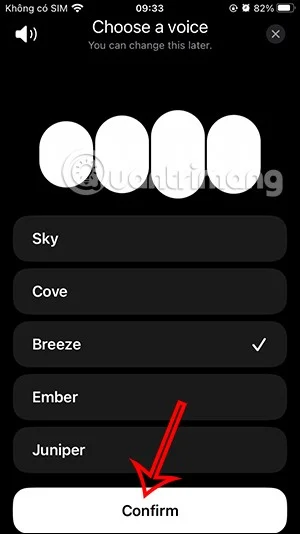
Go to the ChatGPT customization interface, scroll down and click on Voice to change the response voice. Then you will see different voice types . Click on the voice you want to use and then click Confirm below to save the new voice for ChatGPT.
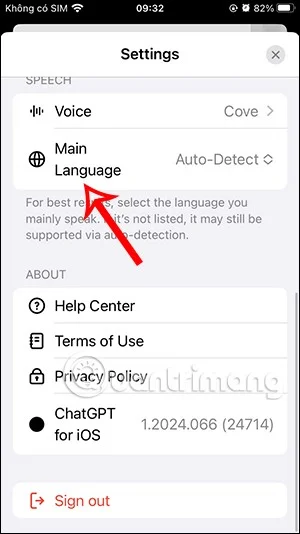
You can also change the language detected in the response if you want. Tap Main language to change to the language you want to use.
The Read Aloud Response feature on ChatGPT is available for both GPT 3.5 and GPT 4 and supports 37 different languages.
Enable Debian’s unattended security updates over SSH, keep the default package sources, and verify scheduled runs through systemd and APT logs.
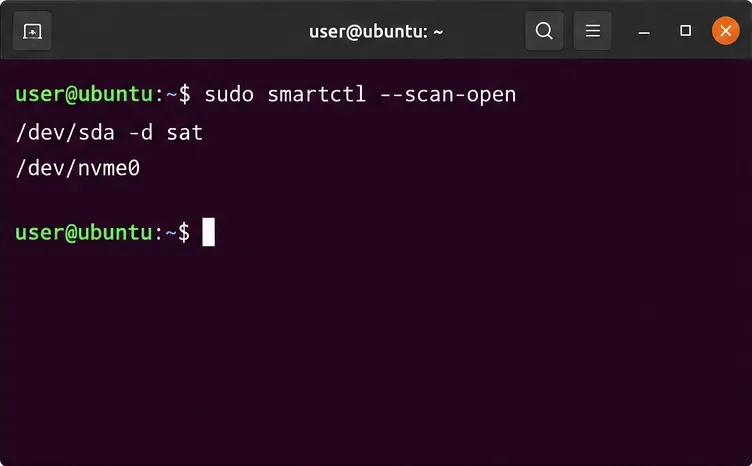
Compare mail delivery options, configure smartd on Ubuntu, and verify that disk-health warnings reach your inbox.
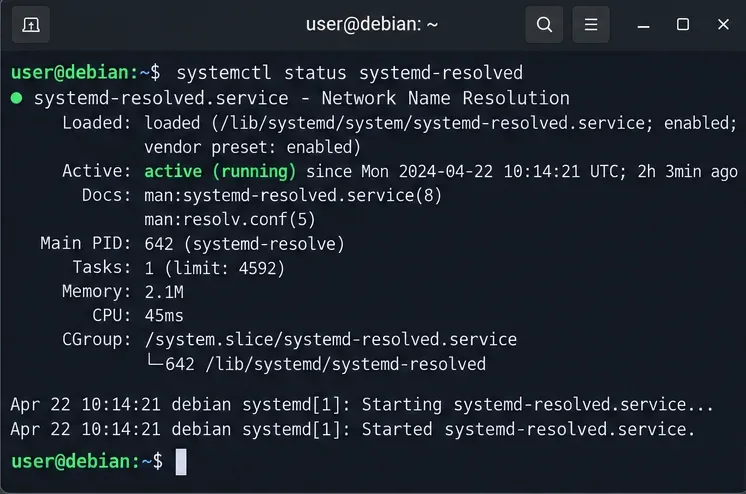
Restore DNS lookups on Debian 12 by checking systemd-resolved, repairing resolv.conf when needed, and verifying upstream DNS and application resolution.
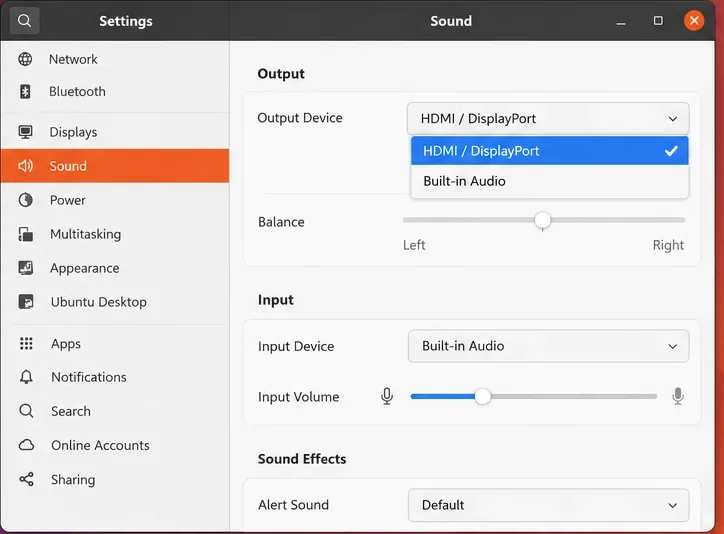
Get Ubuntu to detect your monitor or TV as an audio output, select it in Sound settings, and check the connection or PipeWire device list if HDMI is missing.
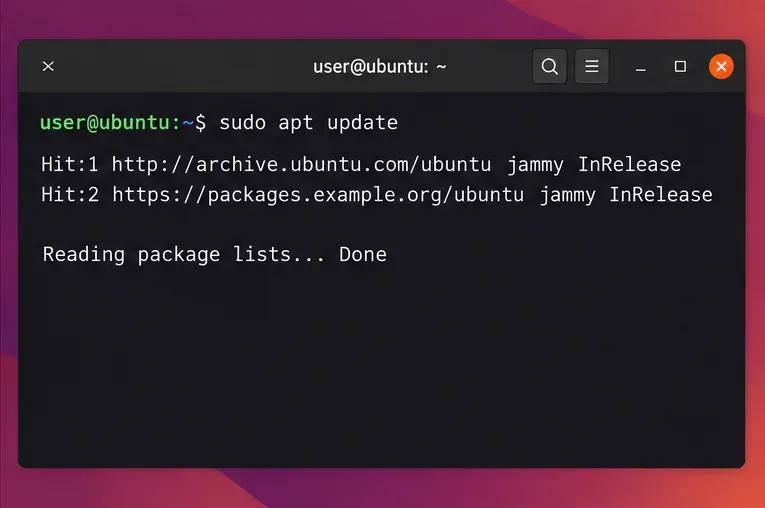
Resolve Ubuntu APT signature warnings safely by identifying the failing source, refreshing its verified key, and checking the result without disabling security.
Learn the balanced three-phase formulas and convert line voltage, current, kW, kVA, and power factor step by step, with a worked example and limits to check.
Run a workload inside a systemd scope with CPUQuota and MemoryMax, then verify the limits through cgroup v2.
Set up dnscrypt-proxy as Pi-hole’s local DoH bridge on Ubuntu 24.04, with a localhost-only listener, resolver selection, and checks before switching DNS.
Check Ubuntu’s touchpad settings, confirm Wayland, and test GNOME’s built-in swipes before troubleshooting apps or hardware.
Create and verify a two-disk Debian 12 RAID 1 data array, format it safely, and configure it to assemble and mount after reboot.