Instructions on how to clean the Samsung washing machine residue filter to avoid water clogging

Residue filters of Samsung washing machines after a period of use are often dirty and need to be cleaned. Here, WebTech360 will guide how to clean Samsung washing machine 's residue filter to improve laundry efficiency.
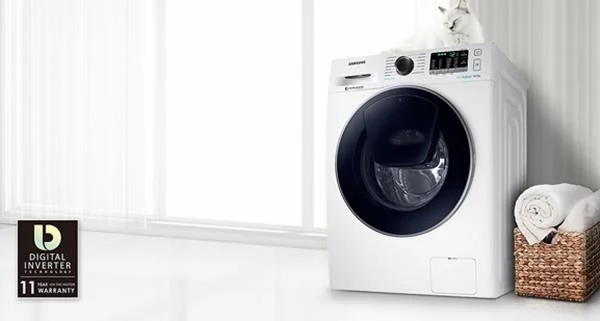
Instructions on how to clean the Samsung washing machine residue filter to avoid water clogging

Clean the residue filter regularly so that it does not affect the washing quality and the life of the washing machine.

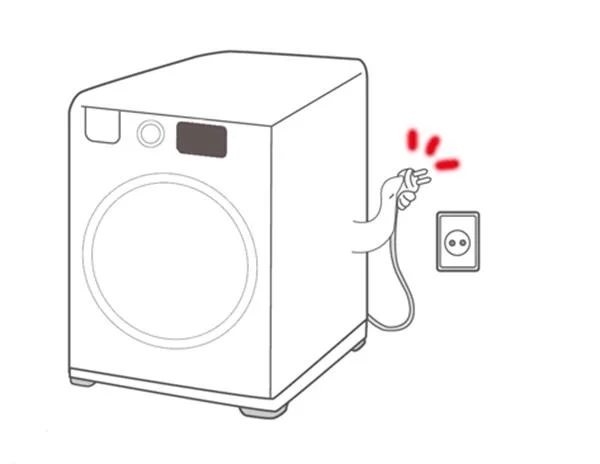
Step 1:

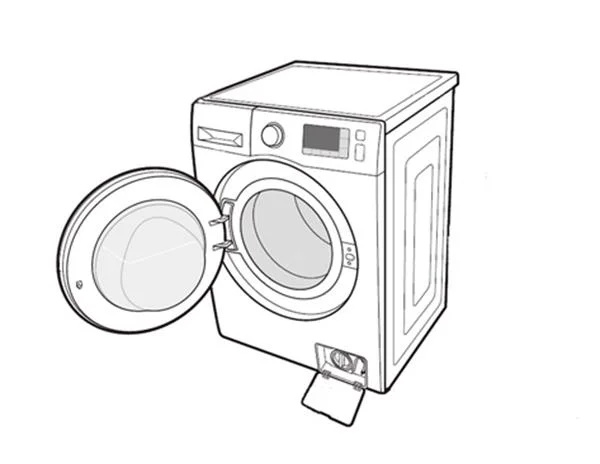
Before cleaning the residue filters, be sure to unplug the washing machine from the power source.

Note: Do not open the filter cover while the unit is running because hot water may be splashed.

Instructions on how to clean the Samsung washing machine residue filter to avoid water clogging

If dirt accumulates in the sludge filter, the Eco Bubble feature's foaming performance will be reduced.

Instructions on how to clean the Samsung washing machine residue filter to avoid water clogging

Step 2:

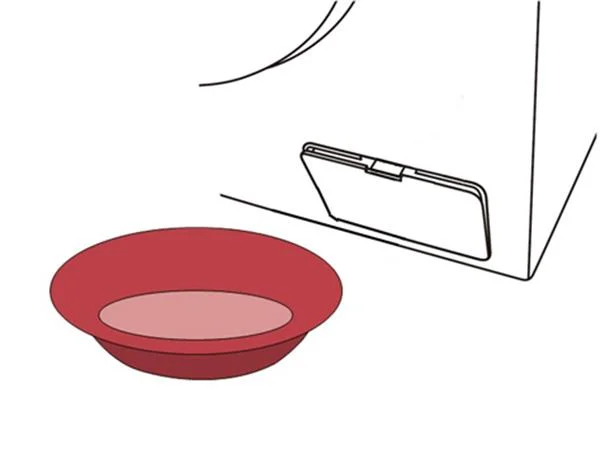
Please have 1 item ready to store water.

Note: The amount of water left over can be quite a lot, use 1 item to hold a large amount of water (for example, a large tub).

Instructions on how to clean the Samsung washing machine residue filter to avoid water clogging

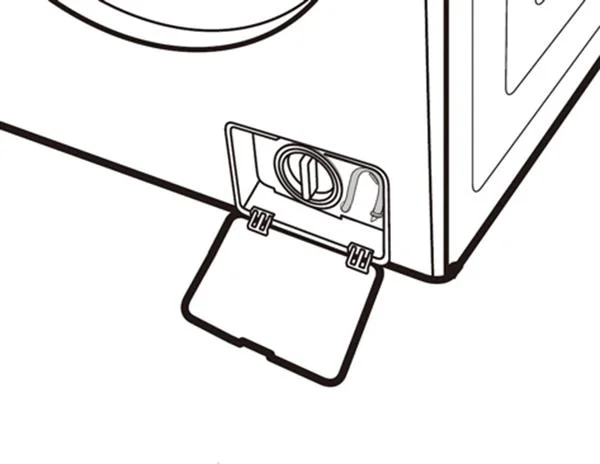
Step 3:

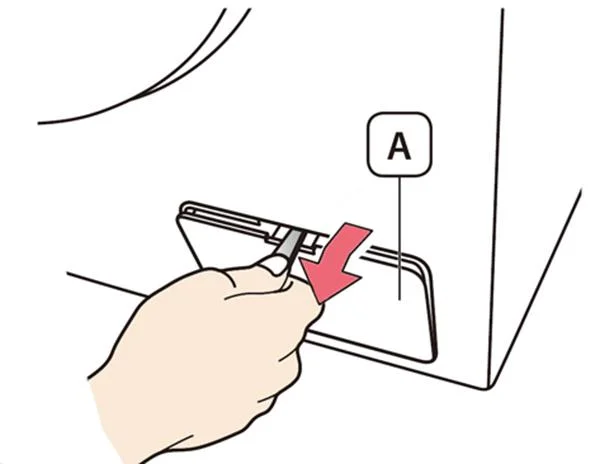
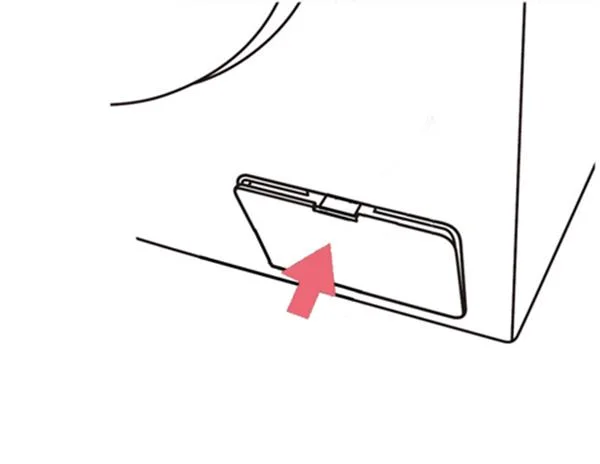
Open the filter cover (A) by pressing the button down and pull it out.

Instructions on how to clean the Samsung washing machine residue filter to avoid water clogging

Step 4:

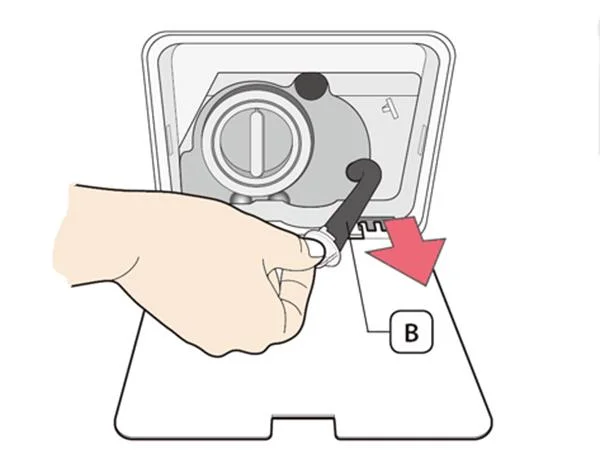
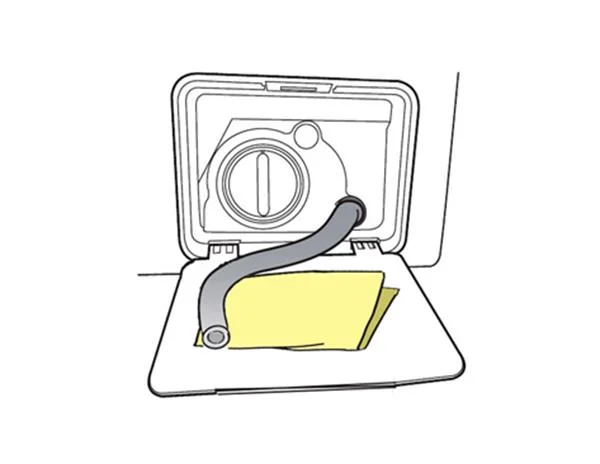
Open the emergency water hose cover (B) by pulling it out.

Instructions on how to clean the Samsung washing machine residue filter to avoid water clogging

Step 5:

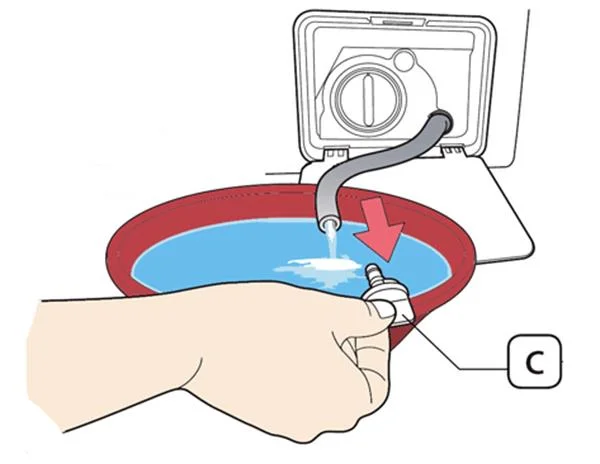
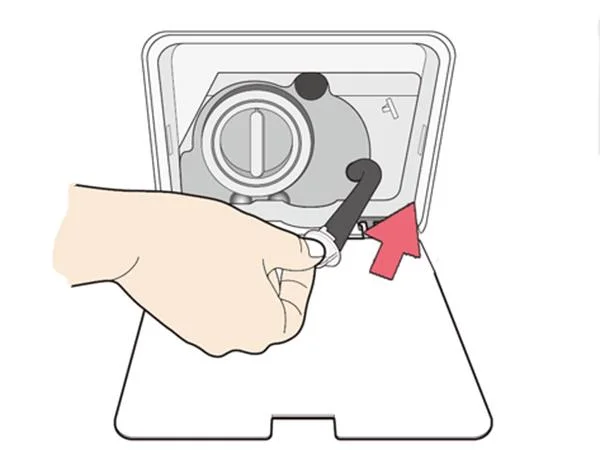
Hold the cap firmly on the end of the emergency drain hose (C) and slowly pull it out.

Note: Hold the cover on the end of the emergency drain hose (C) and pull it out slowly.

Instructions on how to clean the Samsung washing machine residue filter to avoid water clogging

Step 6:

Prepare a dry cloth.

Instructions on how to clean the Samsung washing machine residue filter to avoid water clogging

Step 7:

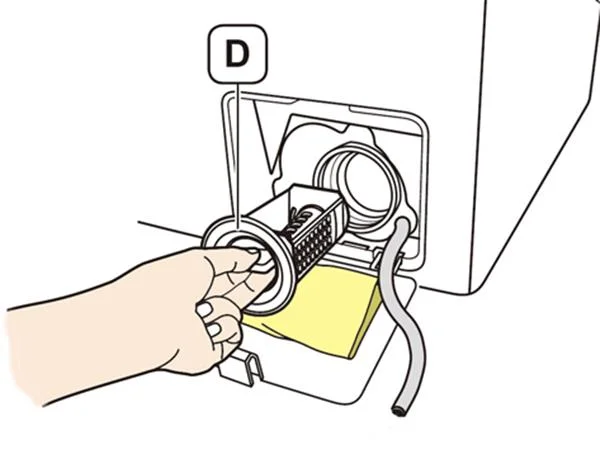
Remove the residue filter cover (D) by turning to the left.

Instructions on how to clean the Samsung washing machine residue filter to avoid water clogging

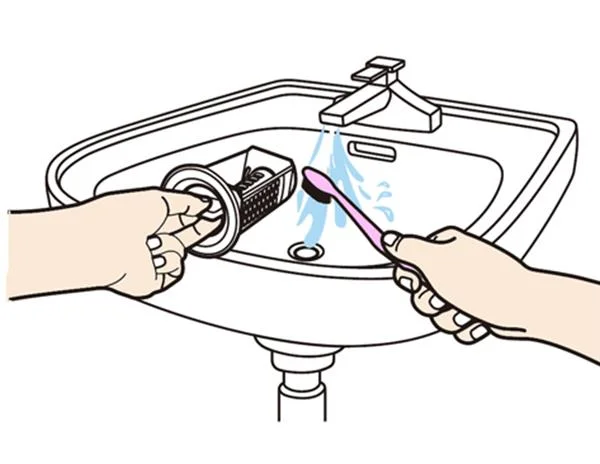
Clean all dirt and other materials on the residue filter. Make sure that the drain pump impeller behind the sludge filter is not blocked.

Instructions on how to clean the Samsung washing machine residue filter to avoid water clogging

Step 8:

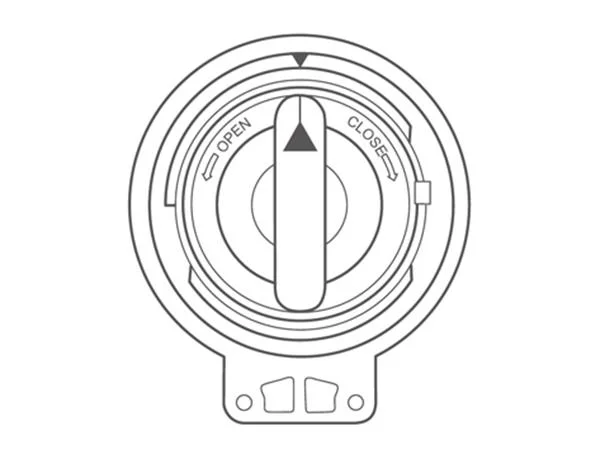
Reinsert the residue filter cap into position tightly by turning to the right.

Instructions on how to clean the Samsung washing machine residue filter to avoid water clogging

Step 9:

Reinsert the emergency drain cap.

Instructions on how to clean the Samsung washing machine residue filter to avoid water clogging

Be sure to cover the residue filter after cleaning the filter. Otherwise, your washing machine may malfunction or leak water.

Instructions on how to clean the Samsung washing machine residue filter to avoid water clogging

Step 10:

Close the filter cover.

Instructions on how to clean the Samsung washing machine residue filter to avoid water clogging

The above is a guide on how to clean the Samsung washing machine's residue filter to avoid water clogging. Hopefully the above article helps you know how to clean the residue filter for the washing machine to avoid unpleasant problems during use.
Leave a Comment

Sync Active Directory Users with ONLYOFFICE DocSpace via LDAP

Sync Active Directory Users with ONLYOFFICE DocSpace via LDAP

Connect ONLYOFFICE DocSpace to Active Directory or OpenLDAP, import users and groups safely, map account fields, and schedule reliable synchronization.

Change ONLYOFFICE Workspace’s Default Storage Location

Change ONLYOFFICE Workspace’s Default Storage Location

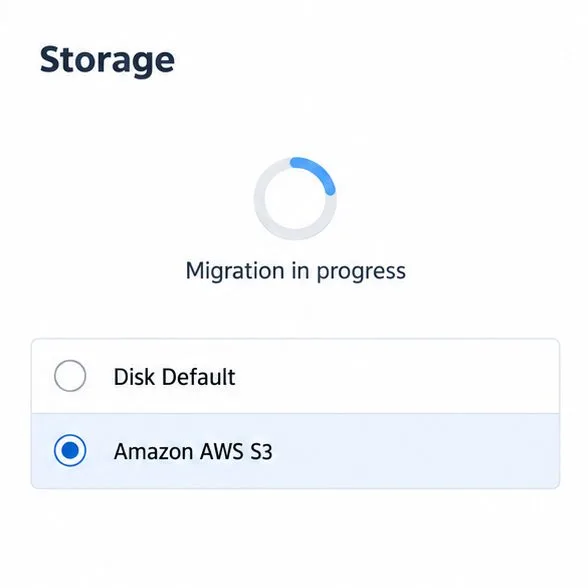
Move portal data from Disk Default to a supported cloud storage provider, or relocate Docker data safely by changing its host volume mapping.

Completely Remove ONLYOFFICE Document Server from Linux

Completely Remove ONLYOFFICE Document Server from Linux

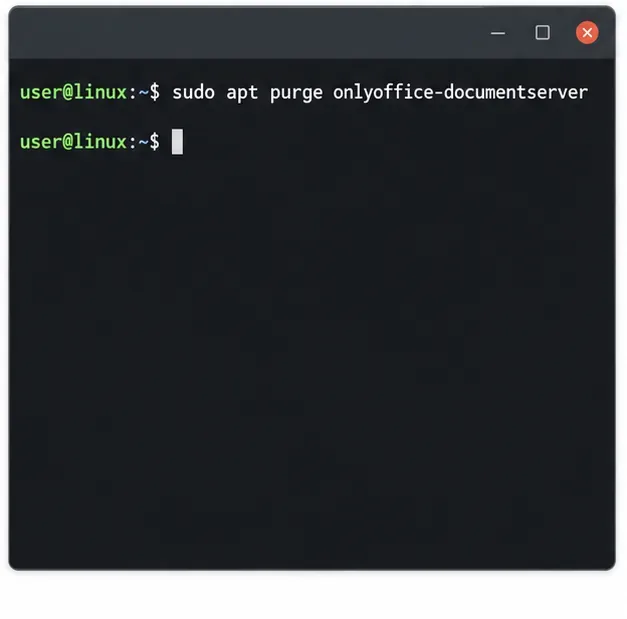
Identify whether Document Server uses a Linux package or Docker, remove only its components, and check remaining data without deleting shared services by mistake.

Stop ONLYOFFICE Co-Editing Lag by Finding the Bottleneck

Stop ONLYOFFICE Co-Editing Lag by Finding the Bottleneck

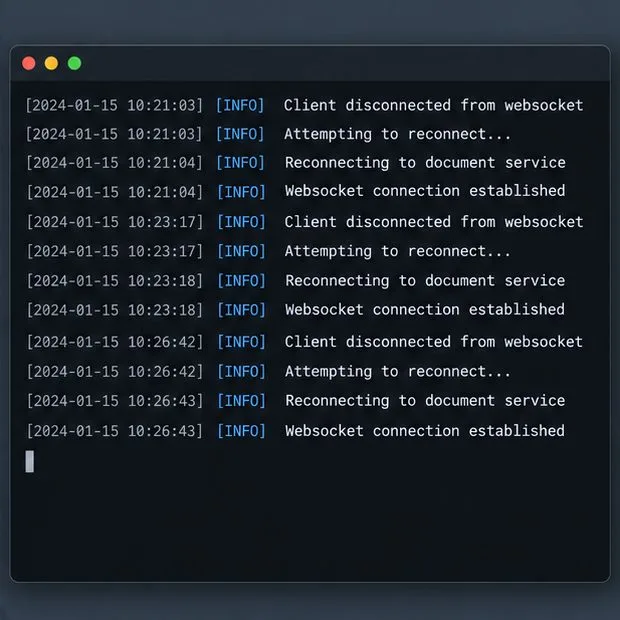
Trace slow collaborative editing to Docker resource pressure, proxy connections, or document load, then choose the fix that matches your measurements.

Add Fonts to ONLYOFFICE Document Server: Docker vs Linux

Add Fonts to ONLYOFFICE Document Server: Docker vs Linux

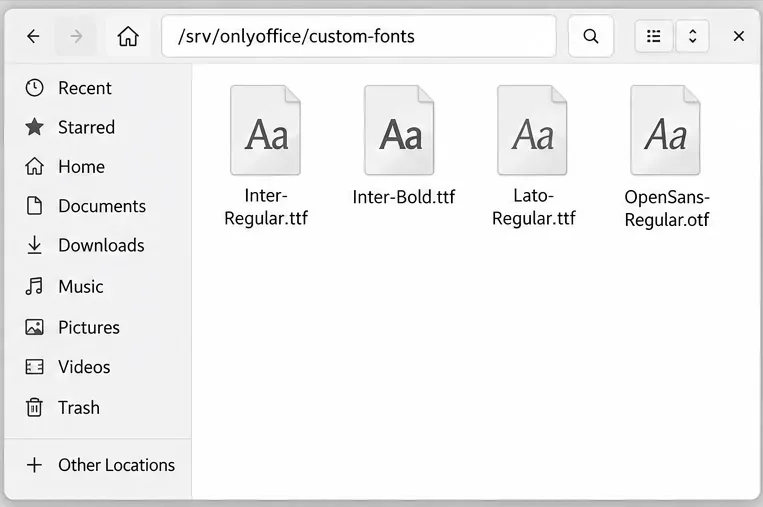
Install custom fonts in ONLYOFFICE Document Server, compare persistent Docker mounts with direct copies, rebuild the font list, and verify the result.

Configure HTTPS for ONLYOFFICE Docs in Docker

Configure HTTPS for ONLYOFFICE Docs in Docker

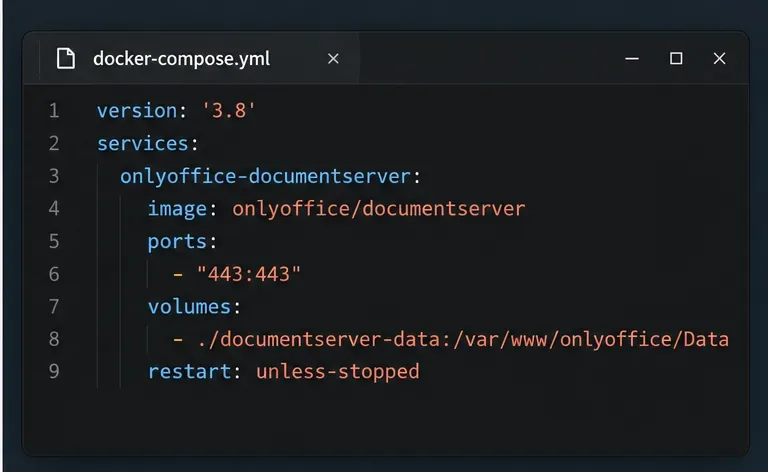
Choose where TLS should terminate, mount a trusted certificate and private key safely, and verify HTTPS access to a Dockerized ONLYOFFICE Docs server.

Connect a PHP App to ONLYOFFICE Docs and Save Edits

Connect a PHP App to ONLYOFFICE Docs and Save Edits

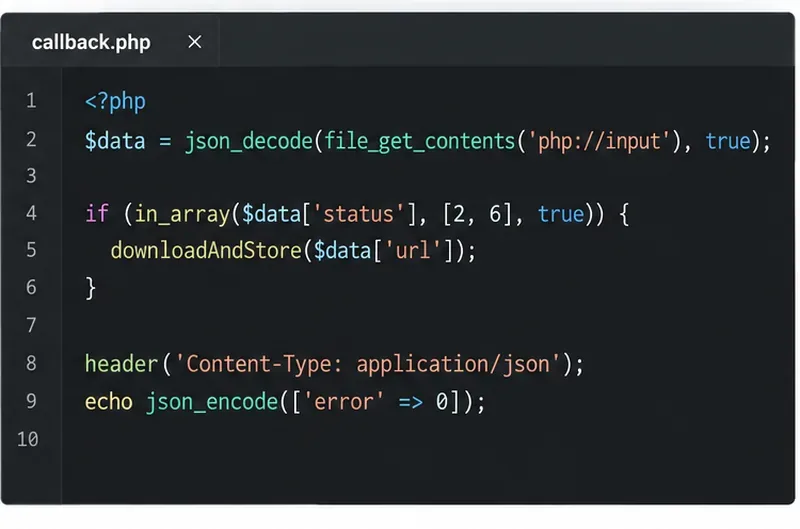
Embed the ONLYOFFICE editor in your PHP app, sign its configuration with JWT, and save edited files through a secure callback.

Keep ONLYOFFICE Spell Check on the Language You Choose

Keep ONLYOFFICE Spell Check on the Language You Choose

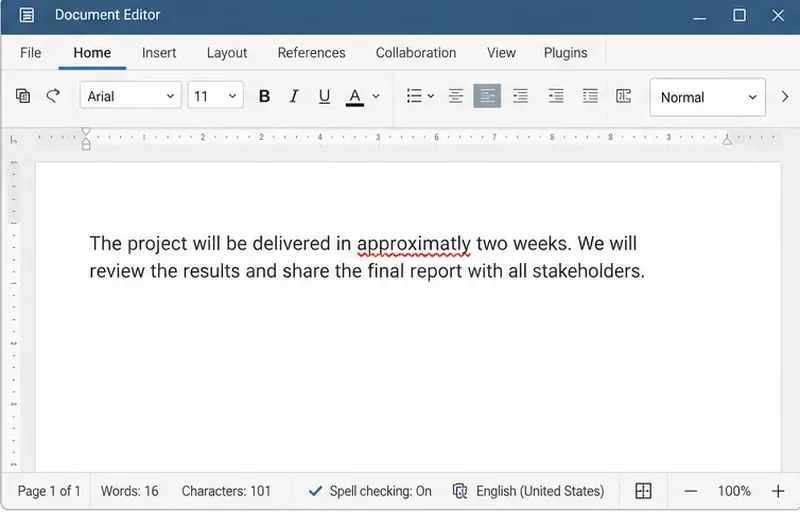
Set the proofing language for the whole document or selected text, confirm spell checking is active, and identify when a server dictionary is missing.

Keep Track Changes On When a Document Reopens

Keep Track Changes On When a Document Reopens

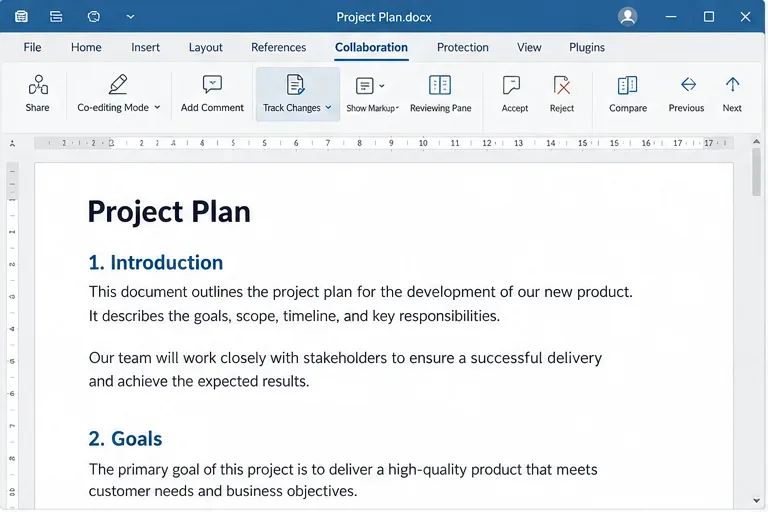
Enable persistent Track Changes for everyone in one ONLYOFFICE document, verify edits are recorded, and understand the limits of this setting.

Trace the Upstream to Clear ONLYOFFICE’s Nginx 502

Trace the Upstream to Clear ONLYOFFICE’s Nginx 502

Find whether Nginx, Docker networking, or an internal ONLYOFFICE service is returning 502, then verify the corrected upstream and health check.