Say goodbye to fried foods that cause heat to the body, in the summer it is necessary to eat dishes that are both cooling and healthy. Delicious yummy yoghurt is the number one choice. It is important that the way to make a dish is very simple, you can do it at home quickly with the help of a rice cooker . Check out this home- made recipe on how to make yoghurt with a rice cooker!
Materials needed
Fresh milk, condensed milk, yogurt and Gelatin powder are indispensable ingredients for this yogurt dish. Specifically, you need to prepare 1/2 can of condensed milk, 200ml of unsweetened fresh milk, a jar of yogurt, and 15 grams of gelatin powder.

You can make your own yogurt at home with the help of a rice cooker.
In addition, to make this rice-cooker yoghurt more fancy, you can prepare cocoa powder, matcha or fruit to accompany it.
Implementation steps
How to make yoghurt with this electric rice cooker is not easy, but it's incredibly easy. First, you put 200ml of fresh milk and 1/2 can of condensed milk in a pot, put on the stove to heat. Note that you do not let this mixture boil, just heat, then turn off the heat and let it cool.

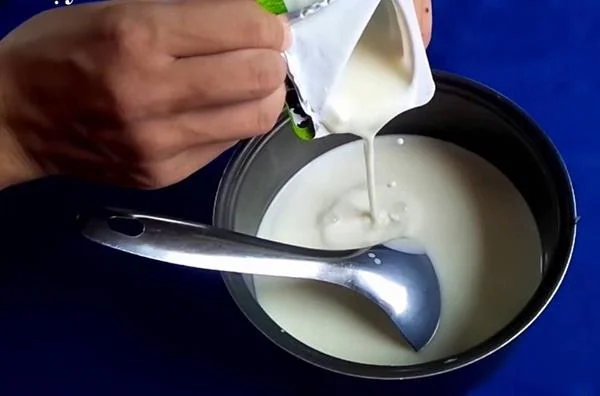
Add the yogurt to the mixture and stir well.
When the above mixture cools to about 60 degrees Celsius, you take the prepared yogurt jar and stir it well. Then, you put 15g of Gelatin powder in the bowl of milk, continue to stir to mix all ingredients together. Finally pour the milk mixture into the mold (this mold should fit inside your rice cooker).
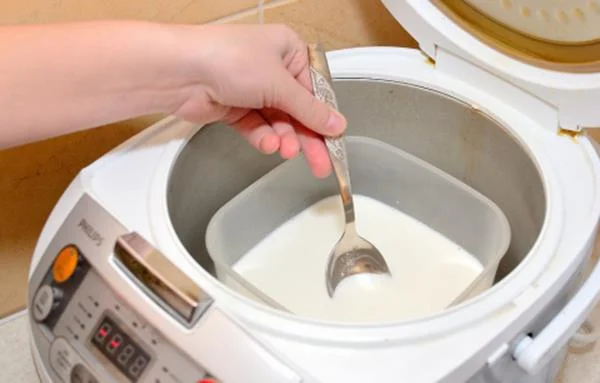
Next, you boil the warm water at about 80 degrees Celsius and pour it into the rice cooker that previously placed the milk mold in. You only fill about 2/3 of the mold with warm water. Do not overflow the lid because water can follow the seam of the lid into the milk mixture, affecting the quality of the finished product.

Incubate the milk for 6 to 8 hours.
Finally, you close the lid of the rice cooker and warm the milk for 6 to 8 hours. At this time, you should always keep the rice cooker plugged in so that the internal temperature is always hot. In winter, you can set the Warm mode of the rice cooker when you put the milk in, then wait 2-3 minutes for the pot to warm to a certain temperature, then set it to normal warming.
How to use yogurt
After 6-8 hours of incubation, take out the milk molds and refrigerate for 2 to 3 hours for the yogurt to curl. When using, you cut yoghurt in molds into small pieces, served with cocoa powder, matcha or fruit. Depending on your preference, you can eat with different dishes.
How to make yoghurt at home with a rice cooker is not as difficult as you think. With just a few steps of preparation and simple operation, you can cook your cooking skills for the whole family to enjoy on the weekend.
>>> See more: Some special functions of the home rice cooker