The experience of entertainment on the internet with free dramas, games, racing is a really great thing that Samsung smart TV brings. But looking hidden many risks of virus infection or different types of malware. So how to scan and browse for viruses on Samsung smart TV? Let's find out with WebTech360 in the article below!
Why should scan and remove virus on Samsung smart TV
- Scanning for viruses and anti-virus and malicious code on TV helps the TV to avoid the risk of damage caused by viruses during use.
- Make TV work, stable and smoother.
- Protect the privacy and confidentiality of users while surfing the web, mail, on TV.
How to scan and remove viruses on Samsung smart TVs helps the TV run smoother
Step 1:
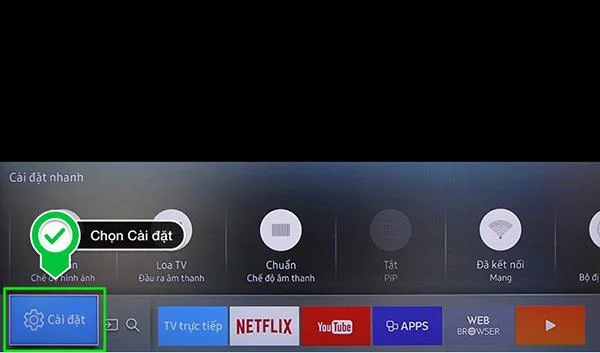
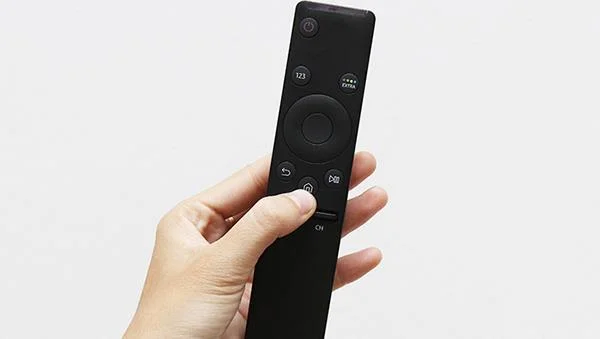
- On the remote control, press the icon with the home button.
Step 2:
- After the Home Menu is displayed, select the settings in the Home Menu Menu.

Step 3:
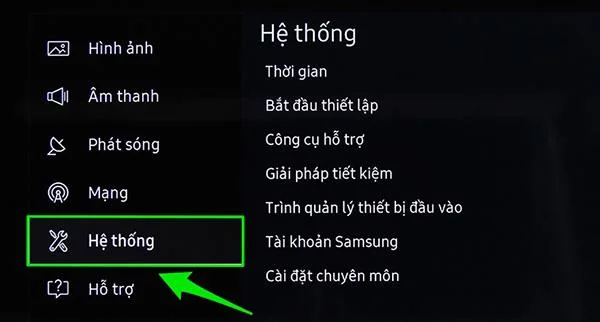
- You have 4 navigation keys and drag down the System selection.

Step 4:
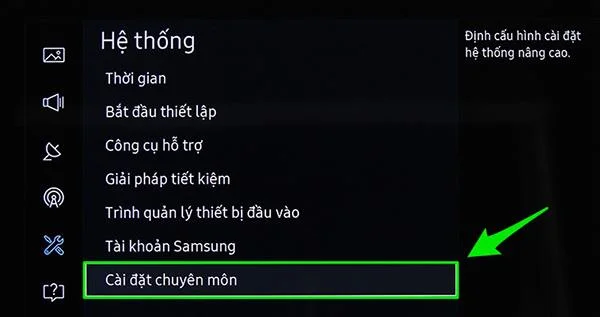
- Then you choose to go to Professional Settings.

Step 5:
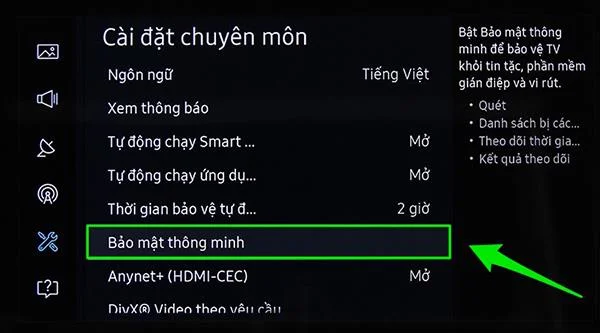
- In the Professional Settings section, choose Smart Security.

Step 6:
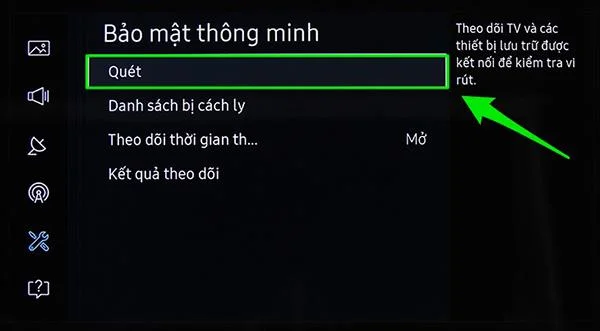
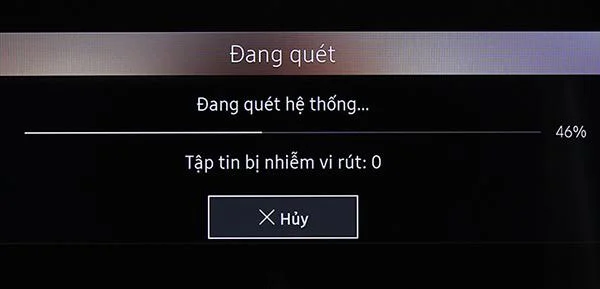
- You select Scan to conduct virus scanning. If the TV detects a virus, you usually choose to check the Quarantine option to prevent viruses.


In addition to scanning for viruses, here also appear other items such as:
- Quarantined List: This will help you to display the viruses that have been detected and put in the quarantined list.
- Track time: Here you select Open to television always in ready mode scanning for viruses in any given time.
- Tracking results: Here, the TV will list all the security activities, the scan list of the TV.
Note: This tool only restricts the penetration of viruses, malicious code to ensure all dangers during you use TV.
We wish you to perform the steps of scanning and removing virus on Samsung smart TV to make the TV run smoother and will succeed.
See more:
>>> The ways to connect speakers to the TV are simple and convenient
>>> At wrong, you should set the correct date and time for smart TV