Configure Reliable Ethernet Failover with SLES 15 Bonding

Create a redundant Ethernet connection on SLES 15 with YaST and Wicked, configure active-backup bonding, and verify both ports and failover.
WhatsApp, like other applications, will have spam messages, advertisements from strange accounts, disturbing and affecting your work. WhatsApp provides a feature to block messages from unknown contacts, protecting your privacy and only people in your contacts are allowed to message you. Below are instructions to block messages from strange WhatsApp accounts,
How to block messages from unknown WhatsApp accounts
Step 1:
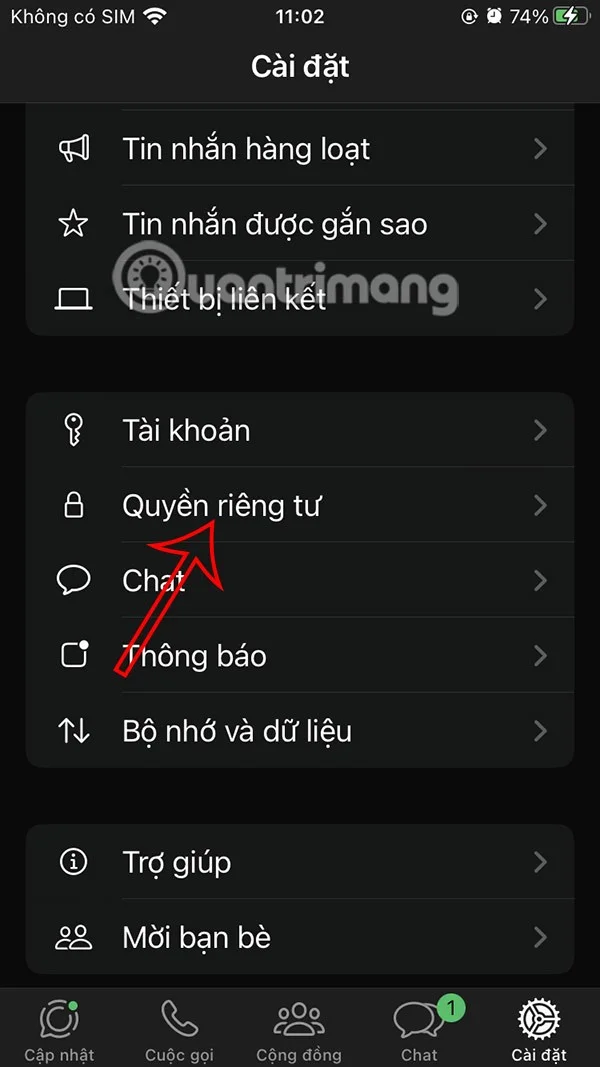
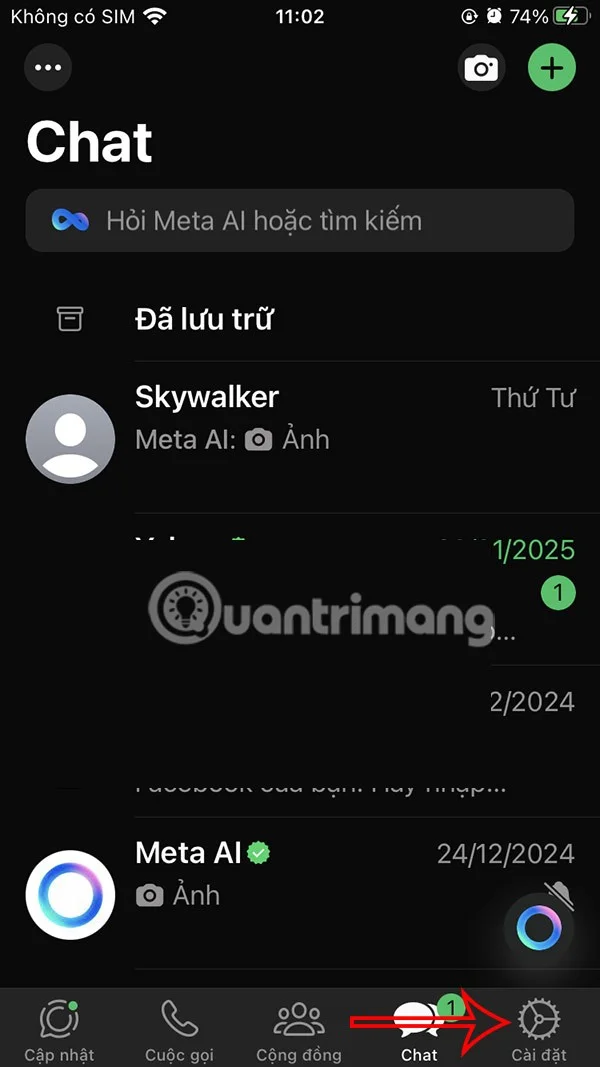
On the WhatsApp application interface, click on the Settings icon below.
Step 2:
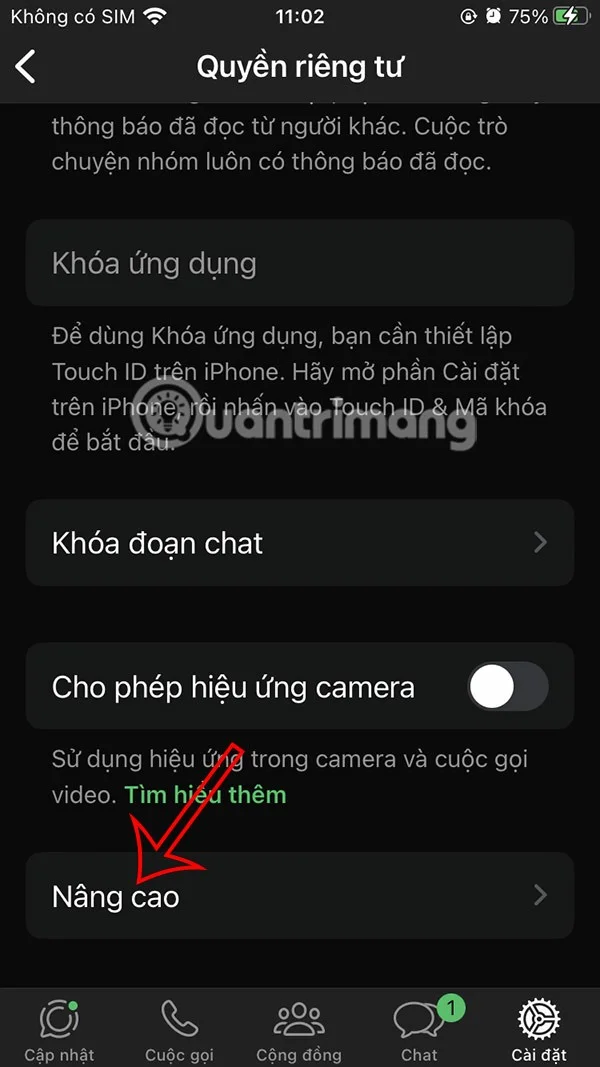
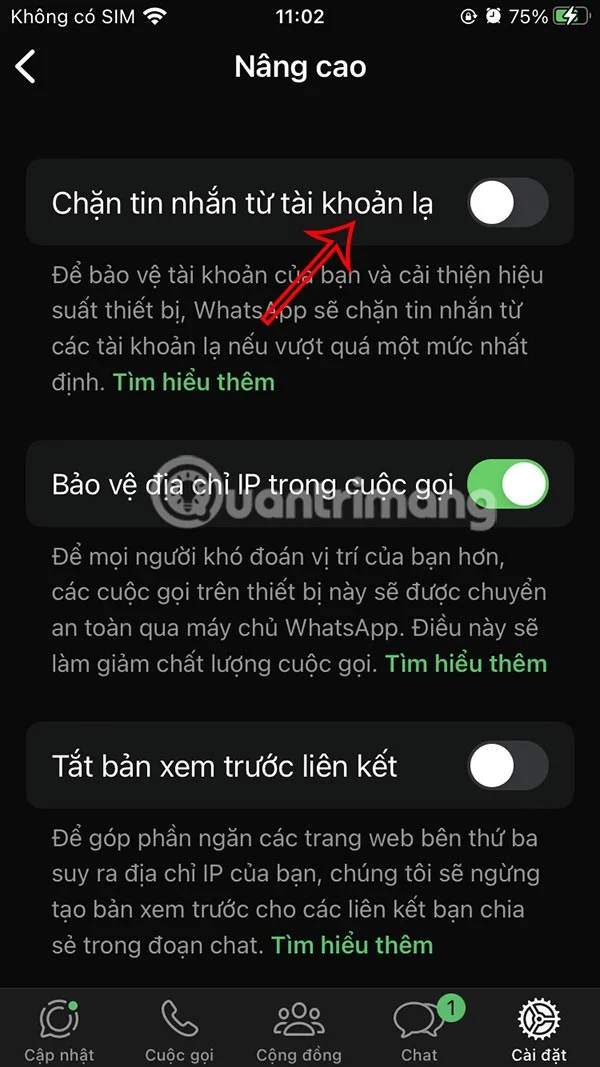
Switch to the application settings interface, we click on Privacy to adjust. Then we drag down to the bottom of the new interface, click on Advanced to expand the privacy settings on WhatsApp.
Step 3:
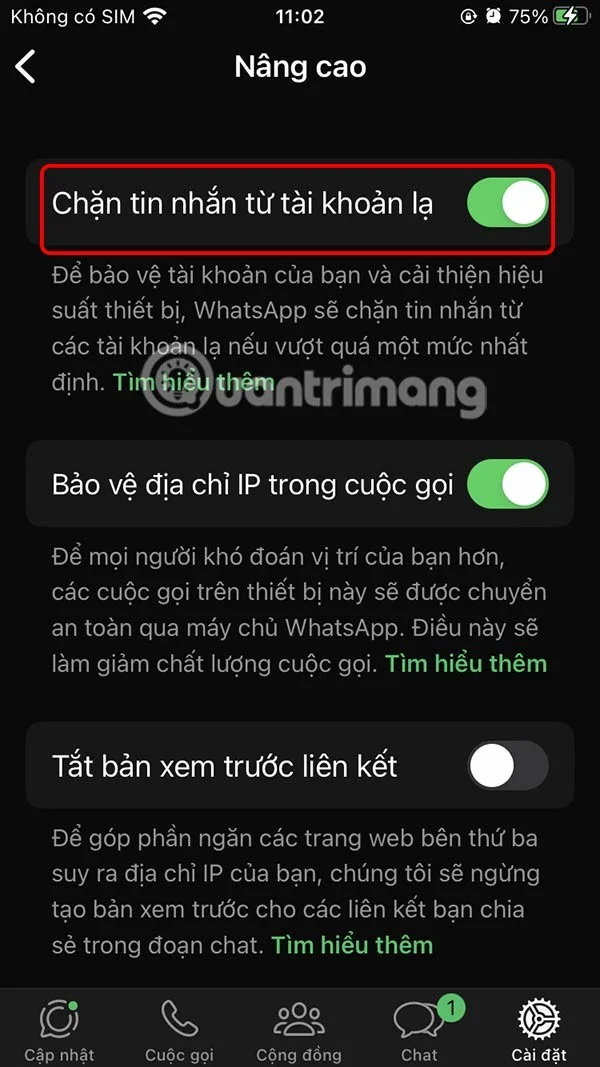
In this privacy management options interface, we will see the Block messages from unknown accounts setting . Enable this setting to block advertising messages and spam messages sent from WhatsApp accounts that you are not friends with.
Create a redundant Ethernet connection on SLES 15 with YaST and Wicked, configure active-backup bonding, and verify both ports and failover.
Turn an existing SLES 15 system into a reviewed AutoYaST profile, validate it, and use it to deploy a test server with fewer manual steps.
Install the SLES 15 KVM and libvirt tools, enable the right host service, and configure selected virtual machines to start after a reboot.
Use systemd jobs and the previous boot journal to locate a slow service, mount, or storage dependency, then correct it without masking the cause.
Use firewall-cmd to inspect the active zone, allow HTTP safely, preserve SSH access, and verify that the rule survives a reload on SLES 15.
Trace a PAM failure to its service, account policy, or identity provider, then repair the right SLES configuration while preserving a working admin session.
Trace a failed kernel module at SLES startup, correct an obsolete boot entry or repair the required driver, and verify the next boot.
Prepare SCSI SAN paths, enable multipathd, inspect SUSE’s hardware defaults, and verify stable device maps without guessing array settings.
Find the process holding Zypper’s package lock, distinguish process conflicts from package locks, and retry updates without deleting lock files blindly.
Register SLE HA, bootstrap SLES 15 nodes, then add fencing, quorum, and tested service resources before relying on failover.








