Get Ubuntu SMART Disk Warnings by Email with smartd
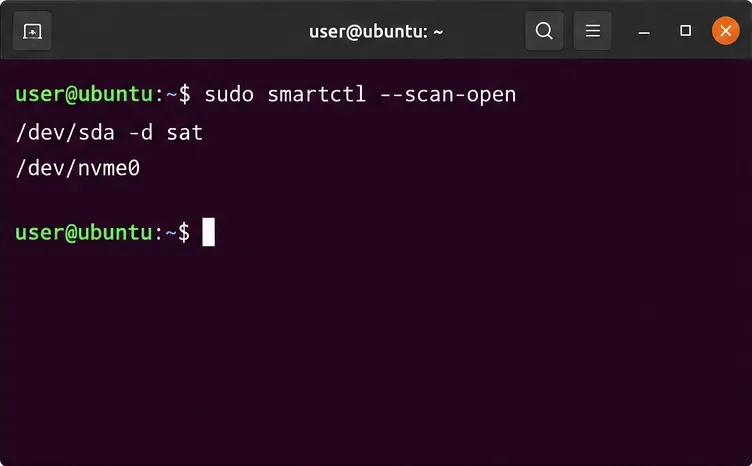
Compare mail delivery options, configure smartd on Ubuntu, and verify that disk-health warnings reach your inbox.
Weibo social network is no stranger to any young people who follow Chinese artists. This is a social network that provides information as well as communication between artists and fans similar to Facebook. Weibo accounts also have options to edit the account, such as changing the Weibo password. Below are instructions for changing the Weibo password.
How to change Weibo password on phone
Step 1:
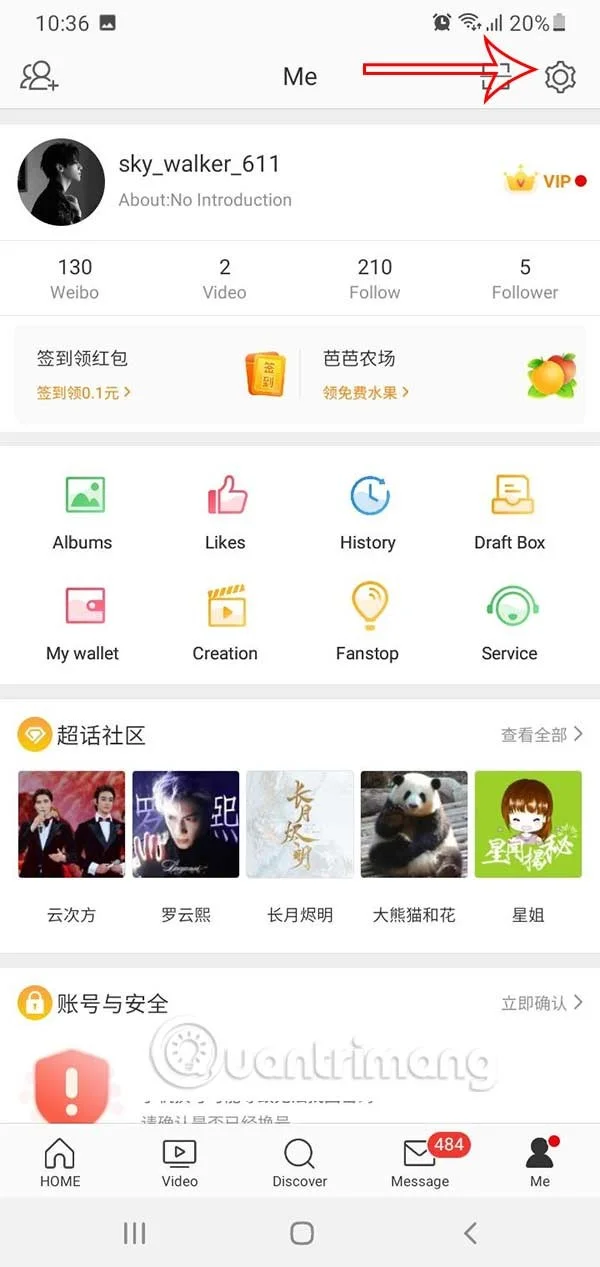
At the interface on the Weibo application, users click on the Me icon below. Switch to the new interface, users continue to click on the gear icon .

Step 2:
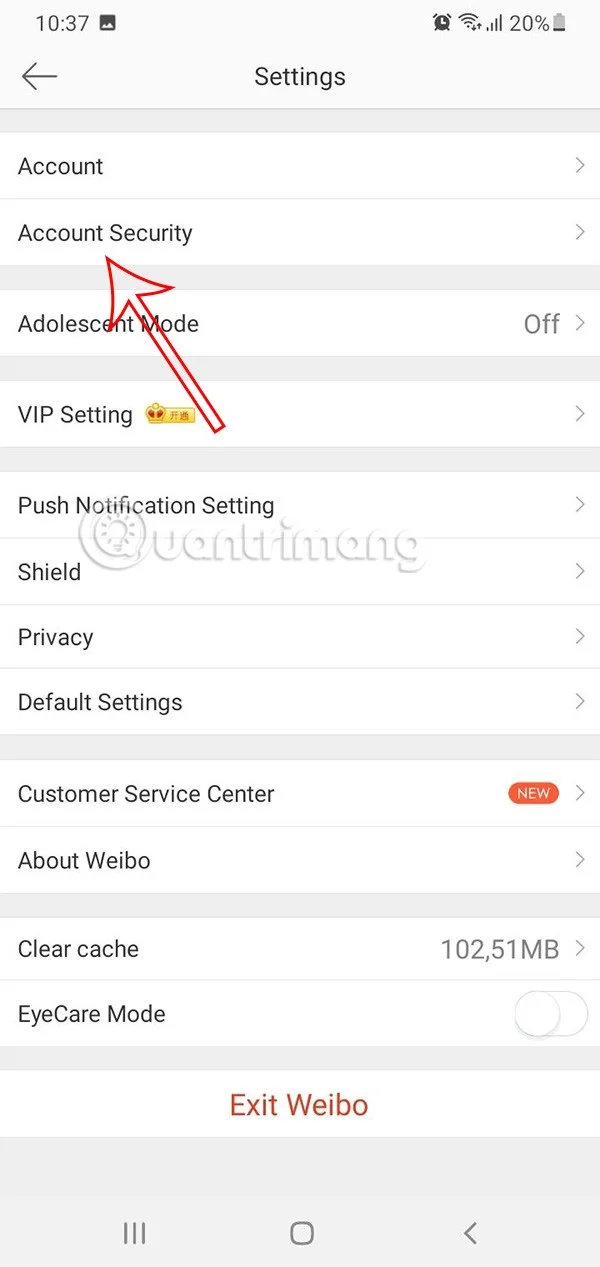
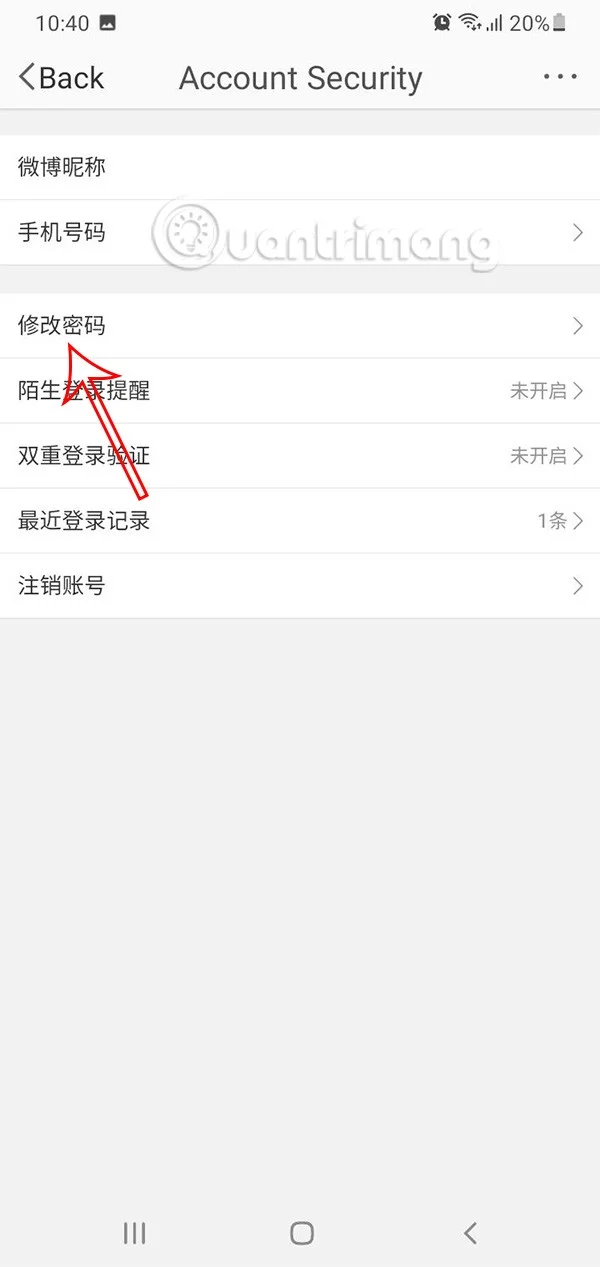
In the setup interface for the Weibo account, click on the Account security item . Next, in the interface as shown, click on the line 修改密码.
Step 3:
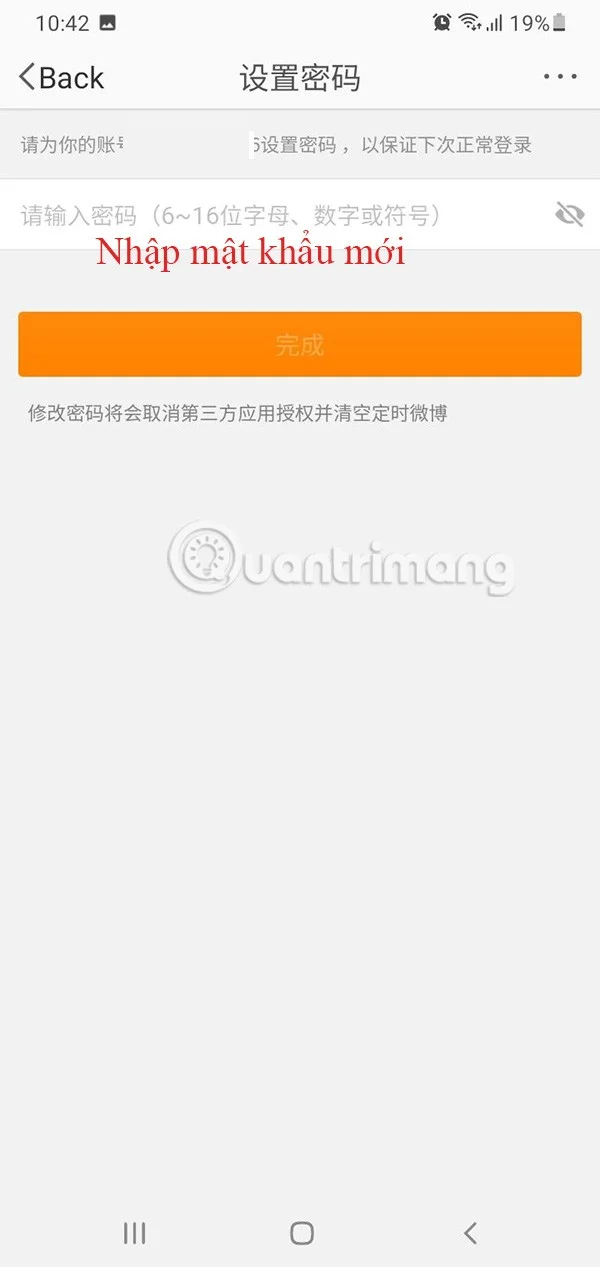
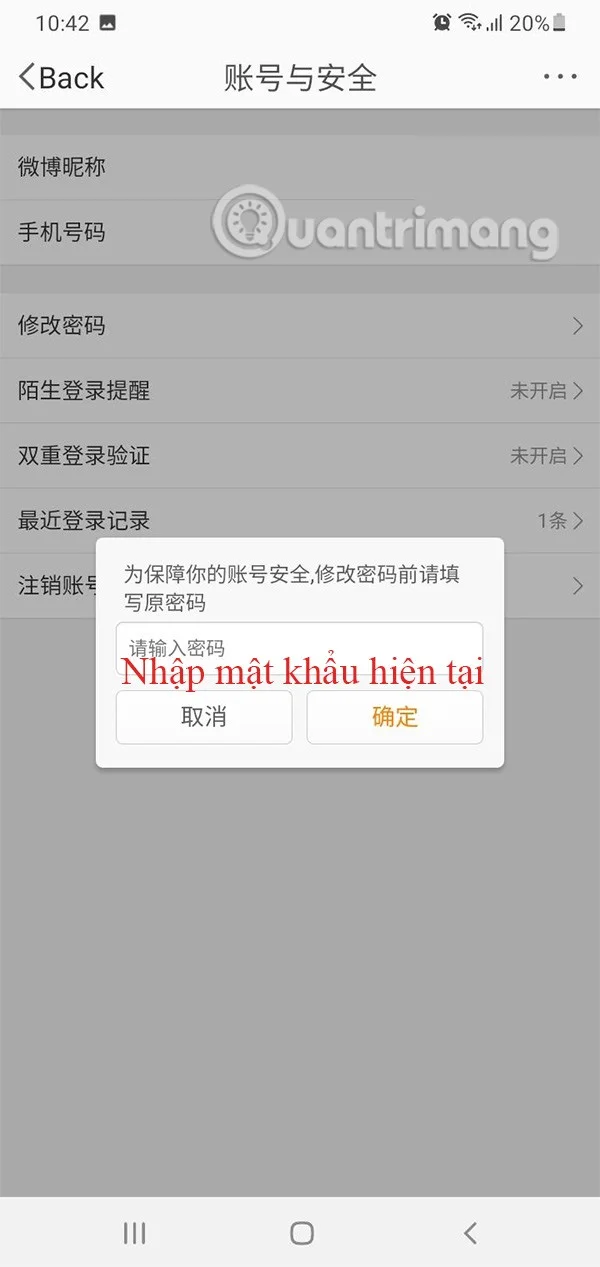
Displays the interface for you to enter the password of the current Weibo account you are using and then click on the orange text .
Step 4:
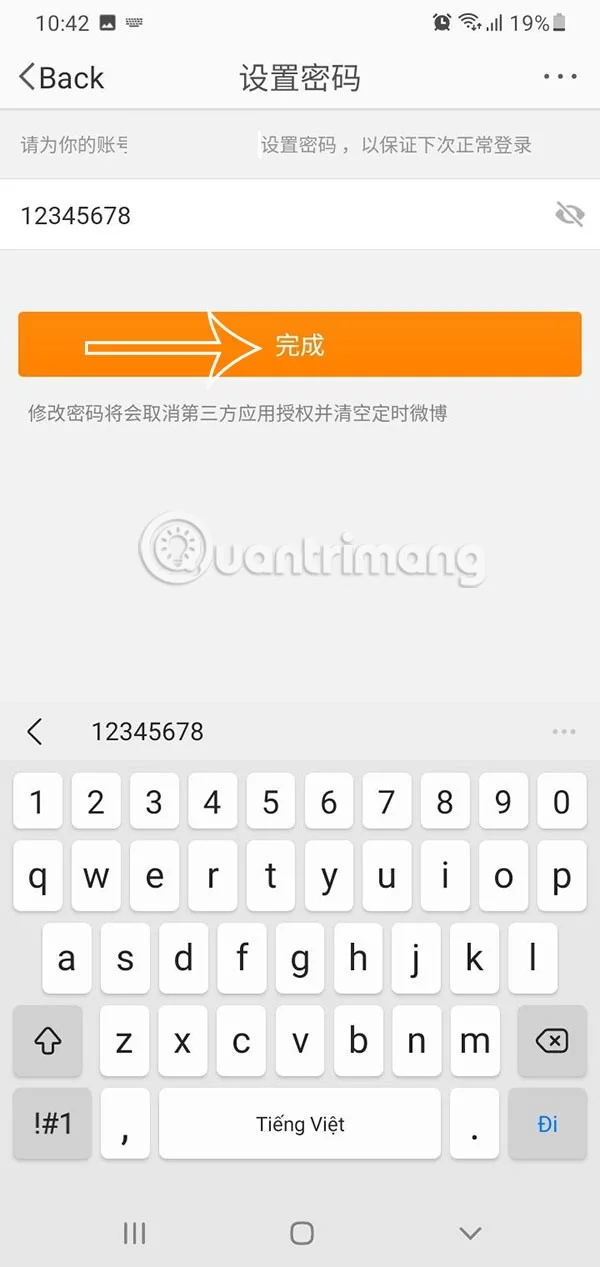
In this interface, enter the new Weibo account password and then click on the orange text below to save the new password for the Weibo account.
How to change Weibo password on computer
Step 1:
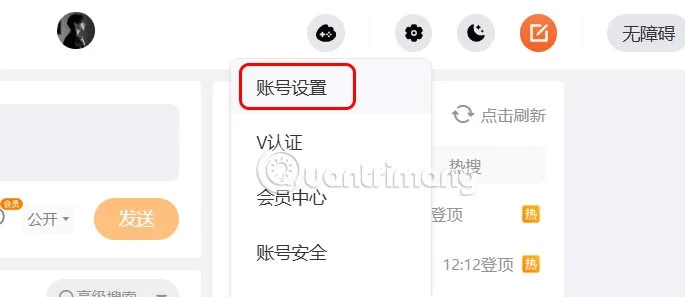
We will log in to Weibo on the computer by scanning the QR code on the phone. In the home page interface, click on the gear icon and then click on the first line as shown.
Step 2:
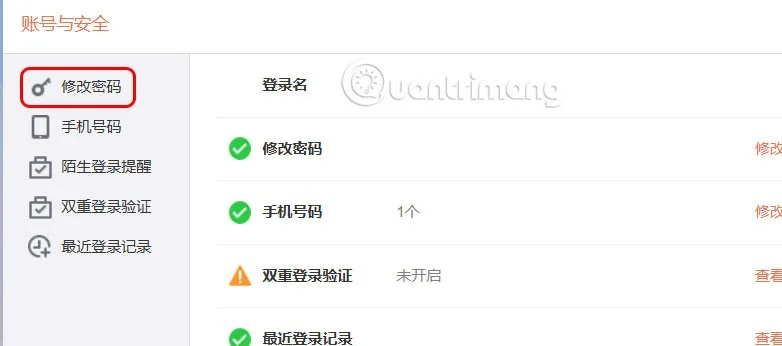
In the next interface, look to the left side of the interface and click on the second line in the menu.
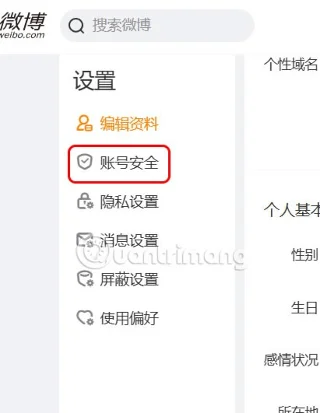
Now you are transferred to the new interface, click on the line with the key icon .
Step 3:
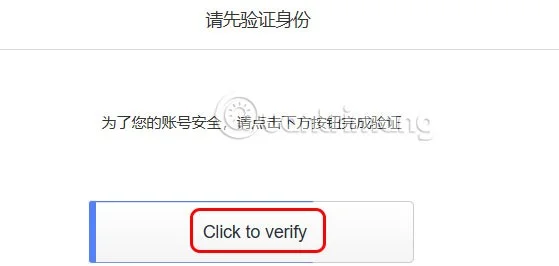
Click Click to verify to proceed with confirming the operation.
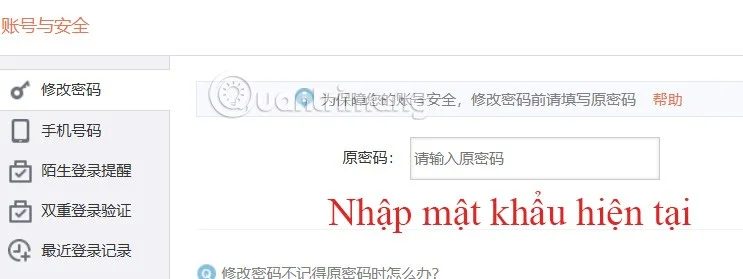
Now you need to enter the current password of your Weibo account and then press the orange button below to switch. Finally, you also enter the new password of your Weibo account.
Compare mail delivery options, configure smartd on Ubuntu, and verify that disk-health warnings reach your inbox.
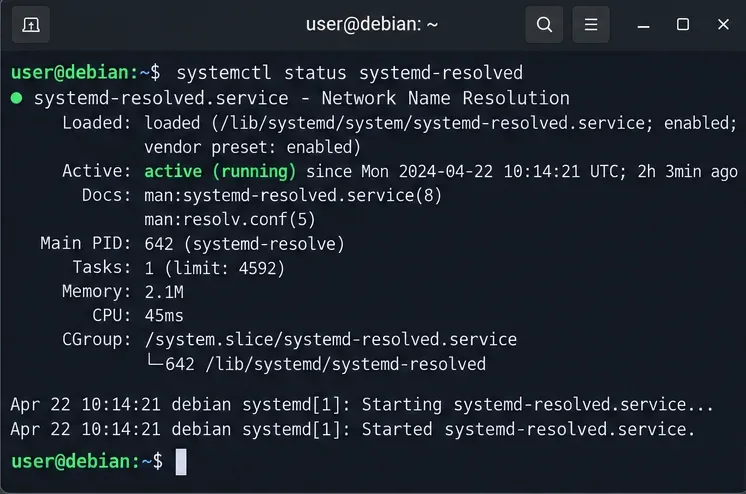
Restore DNS lookups on Debian 12 by checking systemd-resolved, repairing resolv.conf when needed, and verifying upstream DNS and application resolution.
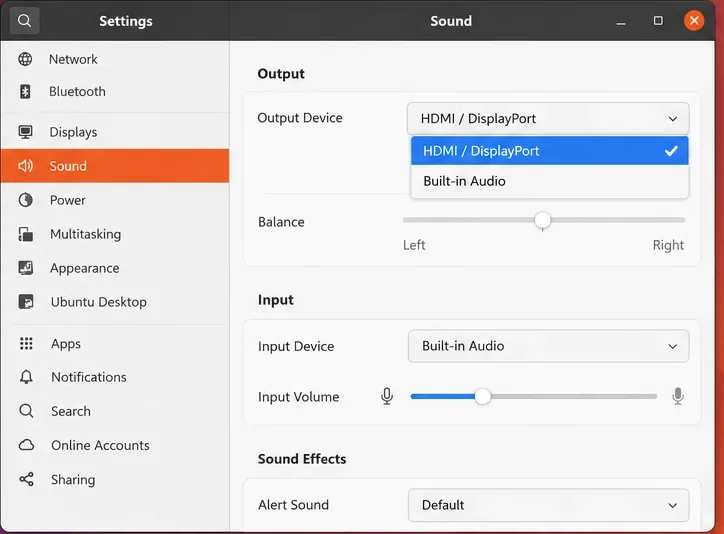
Get Ubuntu to detect your monitor or TV as an audio output, select it in Sound settings, and check the connection or PipeWire device list if HDMI is missing.
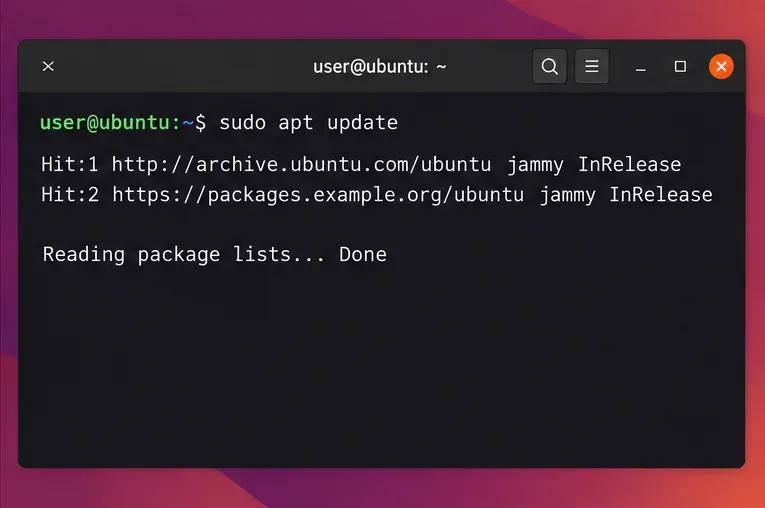
Resolve Ubuntu APT signature warnings safely by identifying the failing source, refreshing its verified key, and checking the result without disabling security.
Learn the balanced three-phase formulas and convert line voltage, current, kW, kVA, and power factor step by step, with a worked example and limits to check.
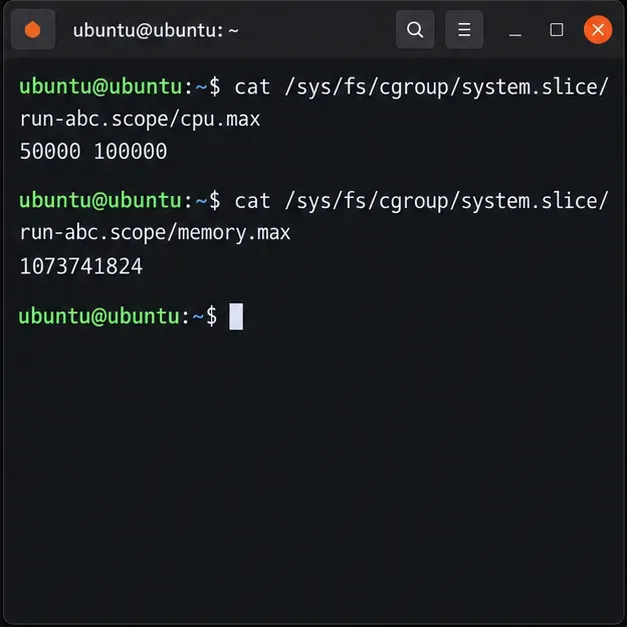
Run a workload inside a systemd scope with CPUQuota and MemoryMax, then verify the limits through cgroup v2.
Set up dnscrypt-proxy as Pi-hole’s local DoH bridge on Ubuntu 24.04, with a localhost-only listener, resolver selection, and checks before switching DNS.
Check Ubuntu’s touchpad settings, confirm Wayland, and test GNOME’s built-in swipes before troubleshooting apps or hardware.
Create and verify a two-disk Debian 12 RAID 1 data array, format it safely, and configure it to assemble and mount after reboot.
Set up random-key encryption for an existing Debian 12 swap partition, verify the active dm-crypt mapping, and understand the hibernation trade-off.