Make Every New Writer Document Use Your Template
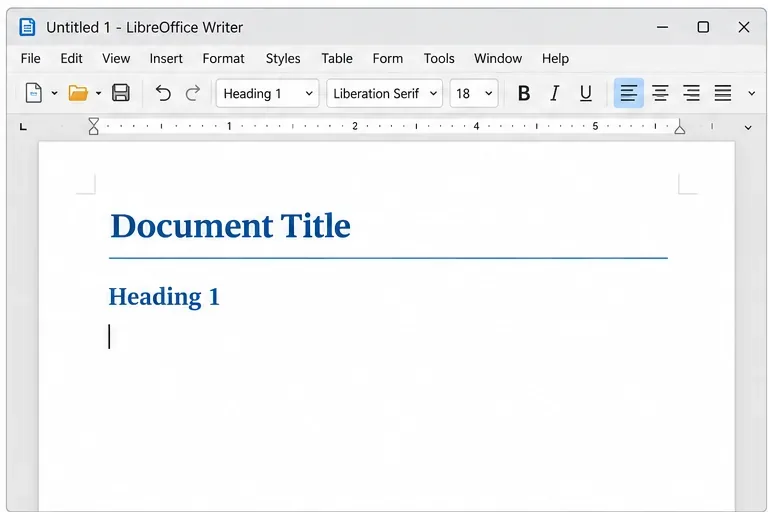
Set a custom LibreOffice Writer template as the default so new documents open with your preferred styles and page layout.
Imagine this: You're excited to grab the latest Windows 11 features, but bam—Windows 11 0x80073701 error crashes the party. It's a common frustration that blocks updates and leaves your PC vulnerable. Don't worry! This guide is your friendly roadmap to banishing the 0x80073701 error for good. We'll keep things simple, actionable, and empowering, so you can get back to a seamless experience. Let's dive in and reclaim your updates! 🚀
The 0x80073701 error, often popping up during Windows Update, signals a missing or corrupted system file. It's like your PC's engine sputtering because a key part is AWOL. This Windows 11 update failure can stem from incomplete installations, disk issues, or even sneaky malware. According to Microsoft, it's tied to the Component-Based Servicing (CBS) system, which handles core updates. The good news? It's fixable, and we'll walk you through it without overwhelming jargon.
Why does this matter? Unresolved, it prevents security patches and new features, potentially exposing your device to risks. But with the right steps, you'll resolve the 0x80073701 fix in no time. Ready to troubleshoot? Let's start with the basics.
Before jumping into repairs, a little prep goes a long way. Ensure your PC is plugged in (no battery surprises mid-fix), create a system restore point, and back up important files. This way, you're safe if things go sideways. Feeling confident? Great—let's tackle the solutions one by one. Each method builds on the last, so stick around for the full arsenal.
Your first line of defense is Windows' built-in troubleshooter—it's like a smart mechanic scanning for issues. Here's how to fire it up:
Many users report success here, as it clears minor glitches. If it flags the Windows 11 0x80073701 error, restart and check for updates again. Not fixed? No sweat—onto the next step. This tool is updated in the latest Windows builds, making it more reliable than ever.

If the troubleshooter falls short, it's time for deeper scans. The SFC /scannow command repairs corrupted system files, while DISM restores the Windows image. These are powerhouse tools for solving Windows 11 "0x80073701" update service failure.
Step-by-step:
Pro tip: Run these in Safe Mode if errors persist—boot into it via Settings > System > Recovery > Advanced startup. This combo has resolved 0x80073701 for countless users, especially after botched updates. If you're seeing disk errors, pair this with a chkdsk scan: chkdsk C: /f /r (schedule for reboot).
Sometimes, the Update service itself gets clogged. Resetting it flushes the pipes and revives the process. This is a go-to for stubborn Windows update failure cases.
| Step | Command | Purpose |
|---|---|---|
| 1. Stop Services | net stop wuauserv net stop cryptSvc net stop bits net stop msiserver |
Halts update-related services |
| 2. Rename Folders | ren C:\Windows\SoftwareDistribution SoftwareDistribution.old ren C:\Windows\System32\catroot2 Catroot2.old |
Clears cached files |
| 3. Restart Services | net start wuauserv net start cryptSvc net start bits net start msiserver |
Restarts fresh |
Execute these in an admin Command Prompt. After restarting, head to Settings and check for updates. This method often clears the 0x80073701 error by wiping corrupted caches. Users love how it feels like a fresh start—your PC will thank you! 😊
For tougher nuts, an in-place upgrade reinstalls Windows 11 while keeping your files and apps intact. It's like a software spa day for your system.
This targets the root of Windows 11 0x80073701 by refreshing system files. It's especially effective post-2026 updates, ensuring compatibility. Back up first, though—better safe than sorry!
For official guidance, check Microsoft's support page: Windows Update Troubleshooter.
Fixed it? Awesome! 👏 Now, let's keep it that way. Maintain your PC by:
These habits minimize solve Windows 11 update error recurrences. If you're on a network, check for proxy issues too—they can mimic this error.
If none of these work, it might be hardware-related (like a failing drive). Run hardware diagnostics via Settings > System > About > Device specifications, or consult a pro. For community wisdom, forums like Reddit's r/Windows11 are goldmines, but always verify advice against official sources.
Congrats—you've navigated the 0x80073701 fix maze! Your Windows 11 should now update like a dream. Share your success in the comments below—what worked for you? Stay tuned for more tips to keep your tech humming. You've got this! 🌟
Set a custom LibreOffice Writer template as the default so new documents open with your preferred styles and page layout.
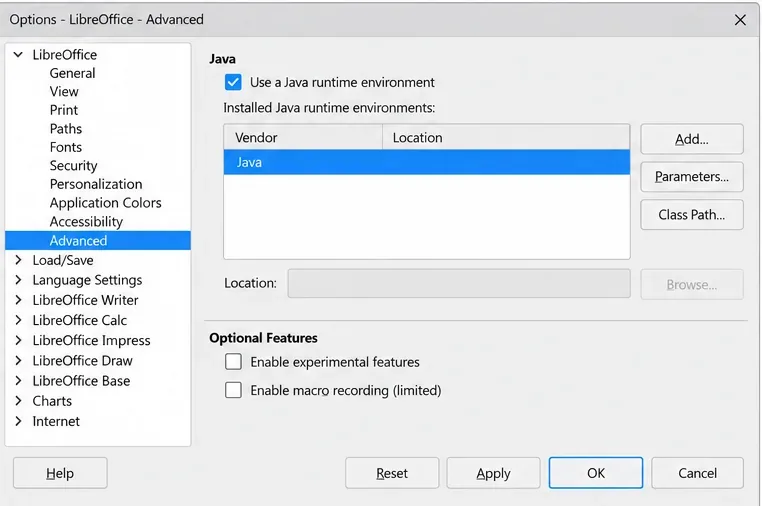
Install a compatible Java runtime, enable it in LibreOffice, and troubleshoot an empty JRE list without changing unrelated settings.
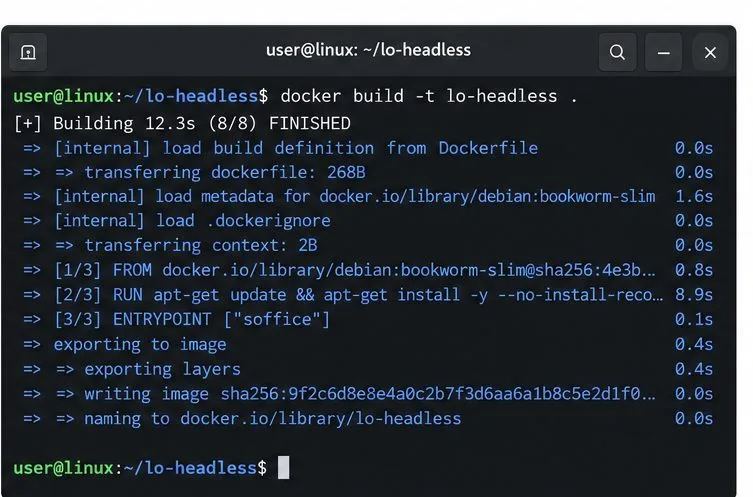
Build a small LibreOffice container, convert office documents without a GUI, and verify PDF output while limiting host-file access.
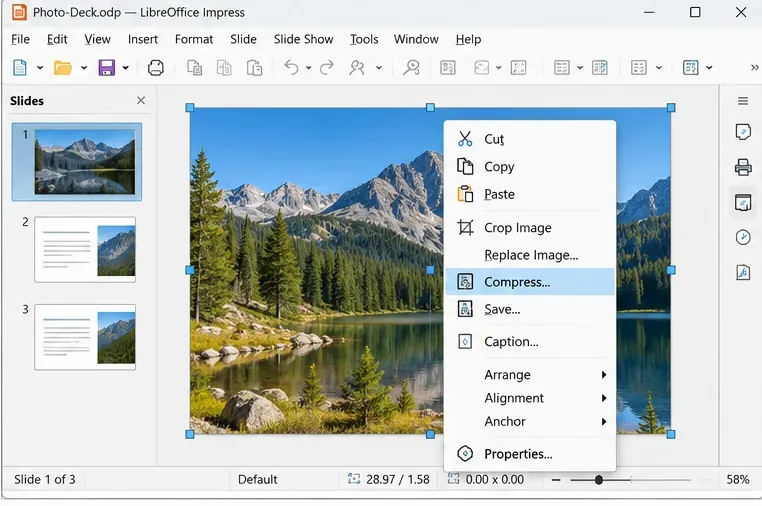
Reduce oversized LibreOffice presentation files by compressing embedded photos, choosing sensible image settings, and checking slide quality before sharing.
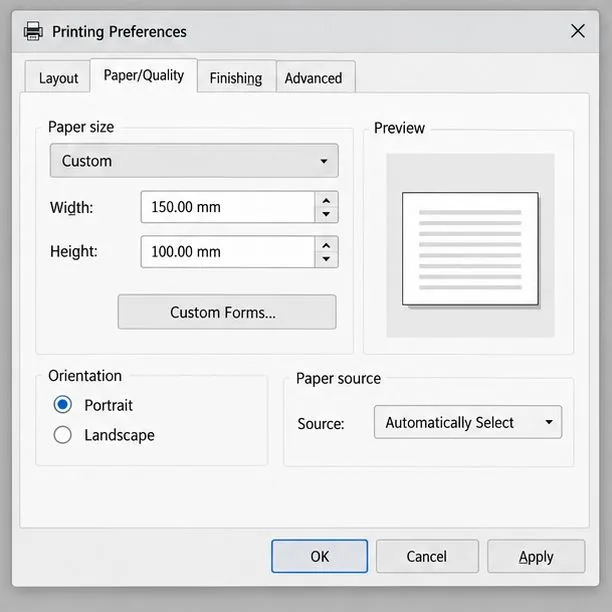
Match LibreOffice’s page dimensions to your printer, check printable margins, and correct scaling before printing a custom-size document.
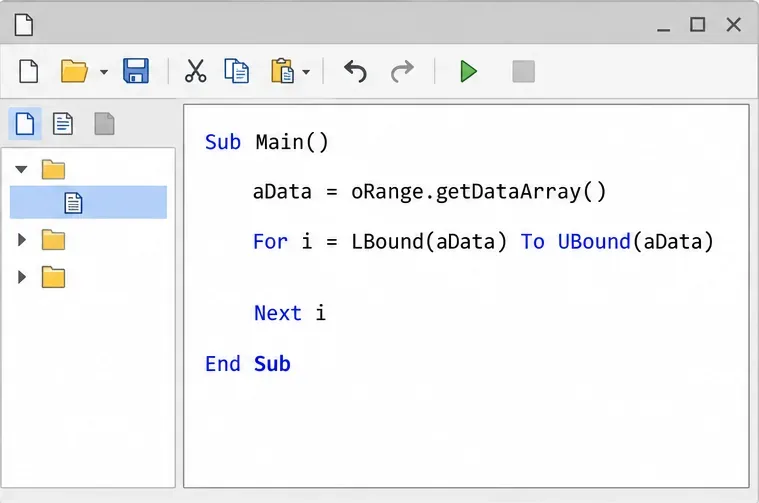
Replace repeated cell access with bulk range reads and writes, then benchmark the result and protect formulas in large Calc workbooks.
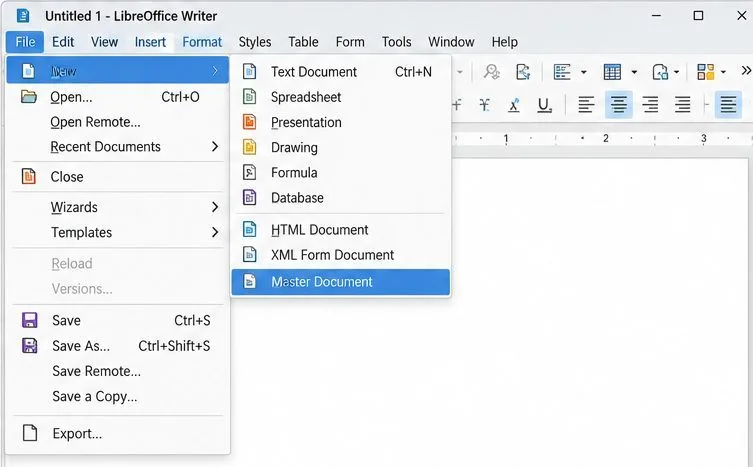
Split a long manuscript into chapters, assemble them in Writer, and keep styles, contents, and export checks consistent.
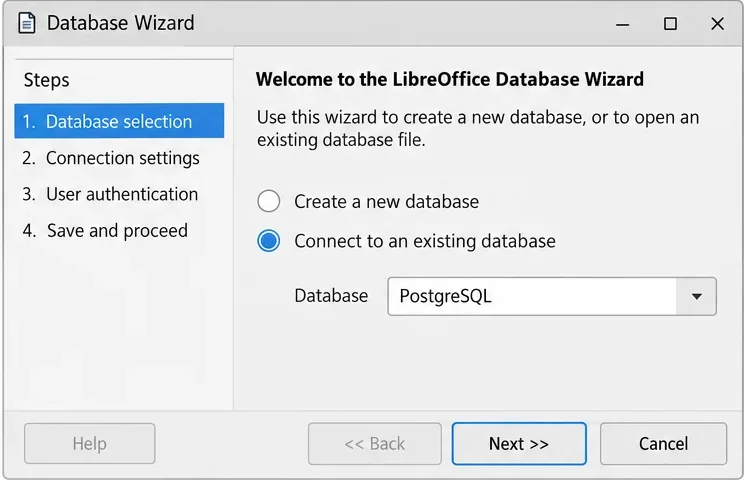
Use Base’s direct PostgreSQL option to enter your server details, sign in, save an ODB connection file, and troubleshoot common access errors.
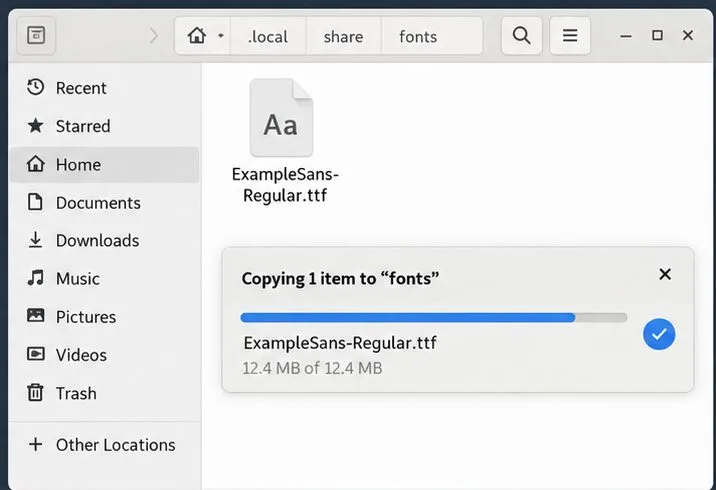
Install a font in your Linux user font folder, restart LibreOffice Flatpak, and confirm it appears in Writer without weakening the app sandbox.
Protect your work and isolate network-drive save crashes in LibreOffice on macOS Sonoma with a local-first workflow, permission checks, and targeted tests.