Krita
 Krita for Mac
Run LibreOffice Headless in Docker for PDF Conversion
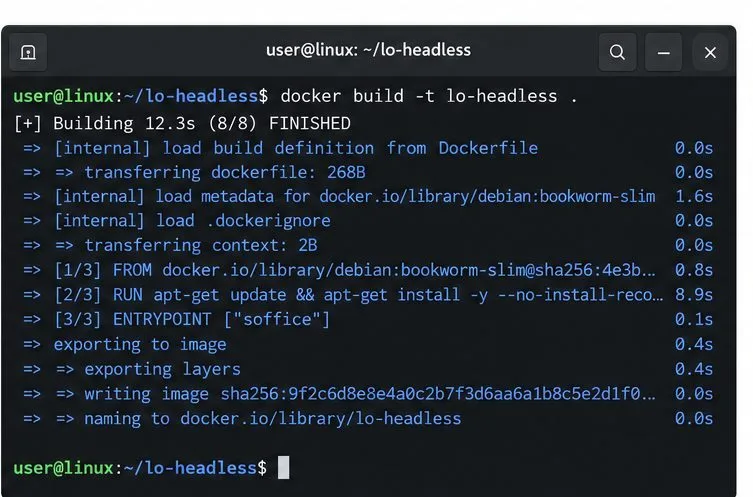
Build a small LibreOffice container, convert office documents without a GUI, and verify PDF output while limiting host-file access.
Krita is an excellent photo editing software , not inferior to Photoshop. This article will show you how to create clipping masks and inherit alpha channels in Krita .
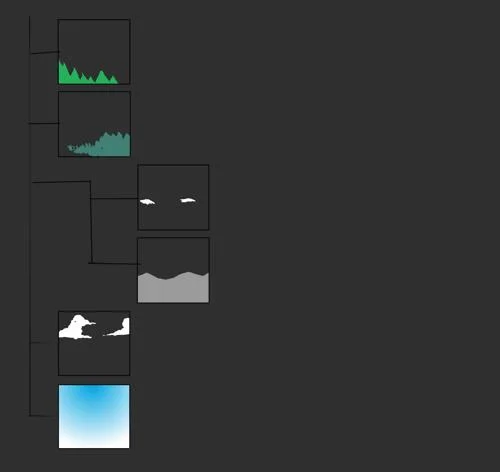
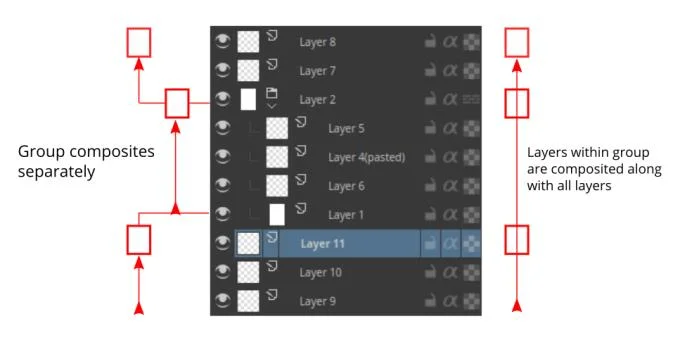
Krita does not have the clipping mask feature like Photoshop and other similar programs. This is because in Krita , the group layer is not an arbitrary set of layers. Instead, the group layers are combined separately from the rest of the image stack. The result will then be added to the image stack. In other words, the group layers in Krita are an independent picture inside your image.
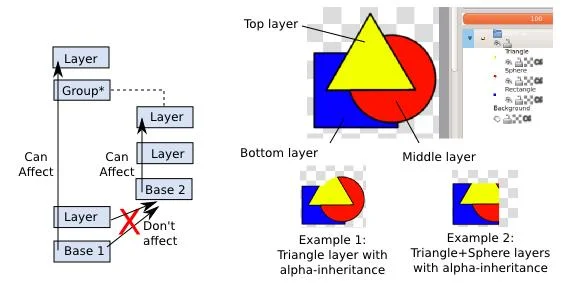
Note that when using the Pass-through mode (the data-editing mode), it means that inheriting the alpha channel (Alpha Inheritance) will not work as soon as this mode is enabled on that layer.
When we turn on Alpha Inheritance, the alpha inheritance layer remains transparent like the one below.
Combining with group layers can make significant changes. The following is an illustrative situation:
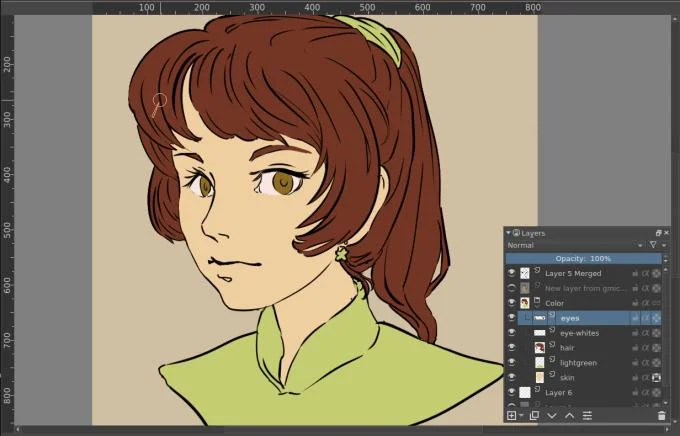
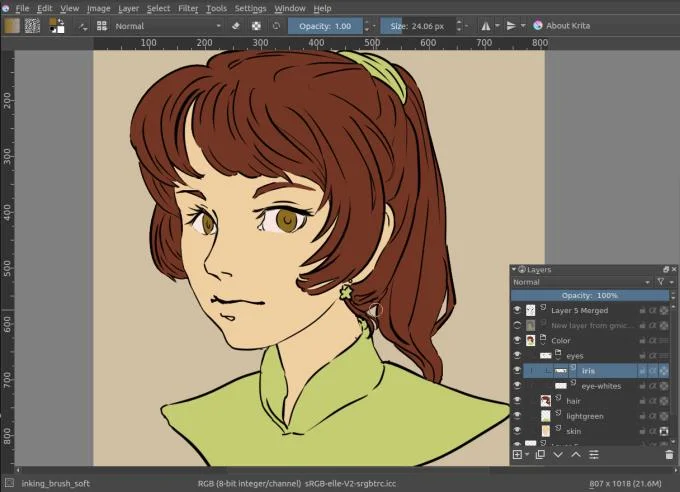
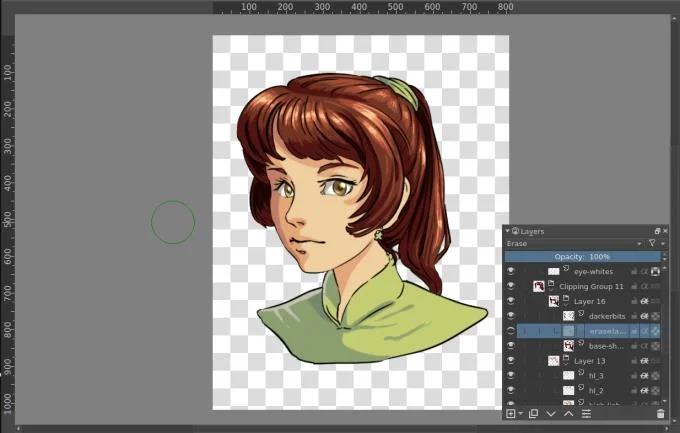
This is a line art image and a layer for each color side. The article will create complex multi-layer shadows on this image, but still maintain the cleanliness of the current color areas. To create a clipping mask, first you need to gather the layers into a group by creating a group layer, then drag & drop the layer group into it or select the layer you want to group and press Ctrl+ G. This example uses the iris and eye-white layers.
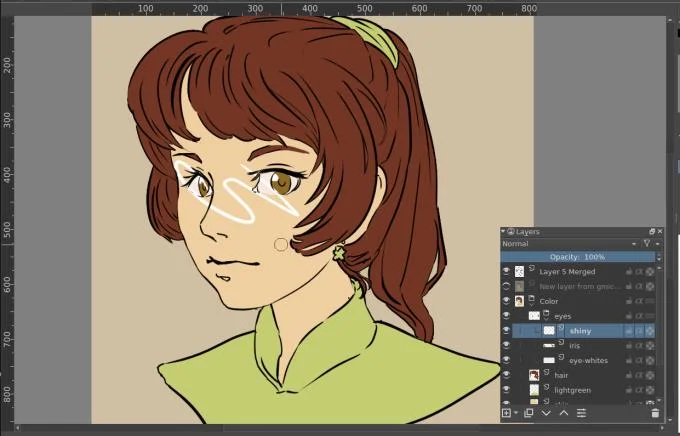
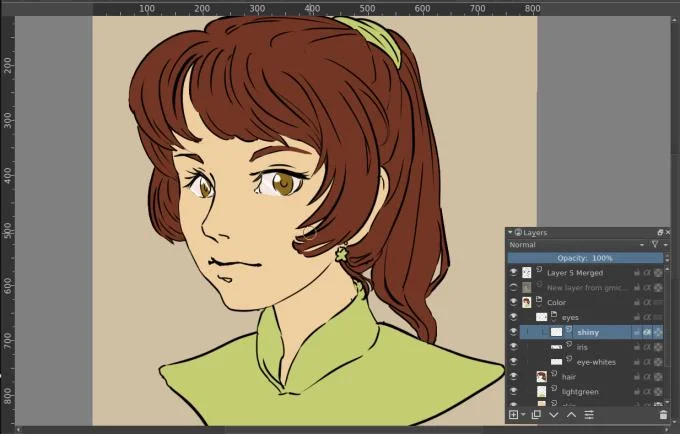
Add a layer to highlight the top of the other two layers plus a bit of white doodles.
As you can see in the two images above, there is a white brush stroke to the left of the layer. To the right of this same layer, an active Alpha Inheritance, limits it to the area of the combination of the iris and eye-white layers.
You have an easier way to set up Alpha Inheritance. If you select a layer or group of layers and press Ctrl+ Shift+ G, you should create a fast clipping group. To make it clear, you group the layer and a set of "mask layers" with Alpha Inheritance is added above.
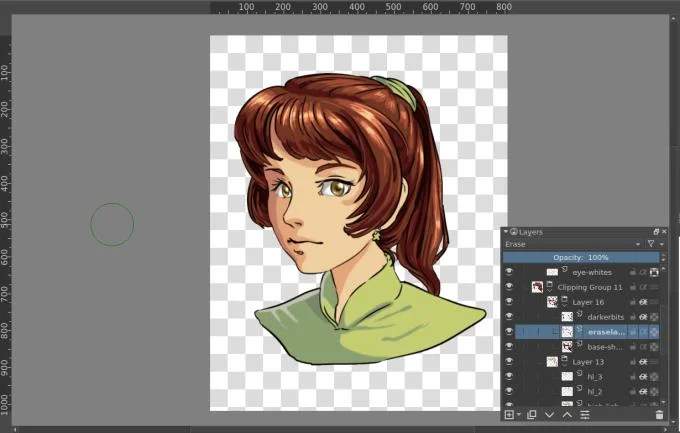
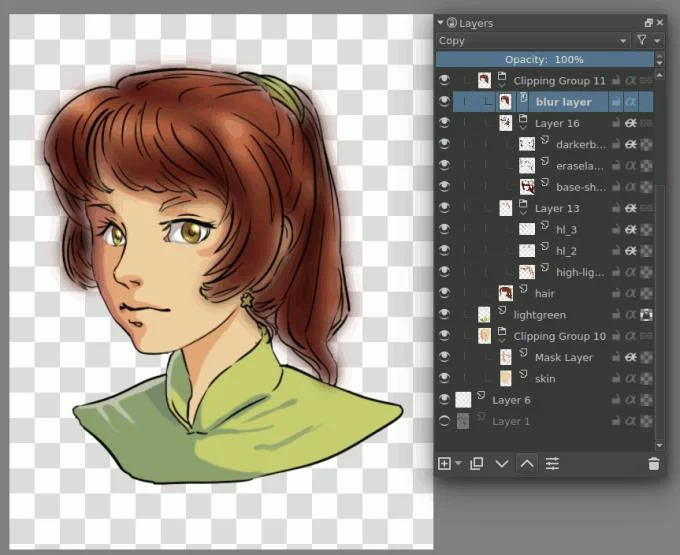
In fact, Alpha Inheritance can use transparency combined between layers. You will have a layer in the blending mode inside and affect the layer area pinned above. Note, the filter can also affect the effectiveness of Alpha Inheritance.
The blur filter layer gives different results because the blurring in the image has changed.
Hope the article is helpful to you!
Build a small LibreOffice container, convert office documents without a GUI, and verify PDF output while limiting host-file access.
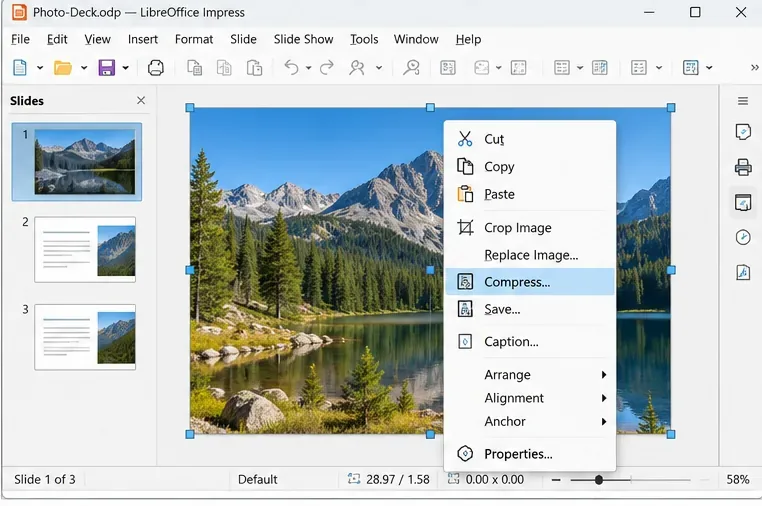
Reduce oversized LibreOffice presentation files by compressing embedded photos, choosing sensible image settings, and checking slide quality before sharing.
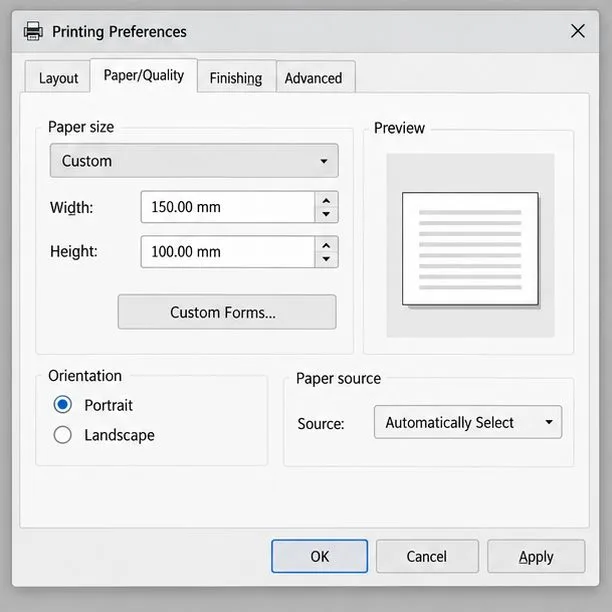
Match LibreOffice’s page dimensions to your printer, check printable margins, and correct scaling before printing a custom-size document.
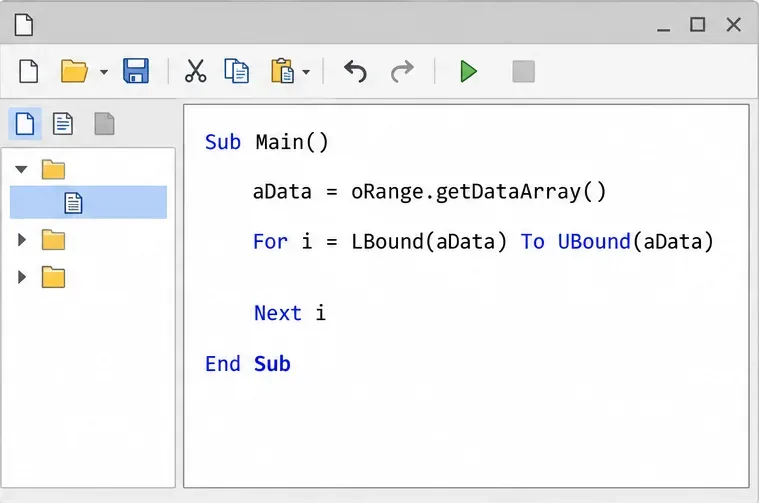
Replace repeated cell access with bulk range reads and writes, then benchmark the result and protect formulas in large Calc workbooks.
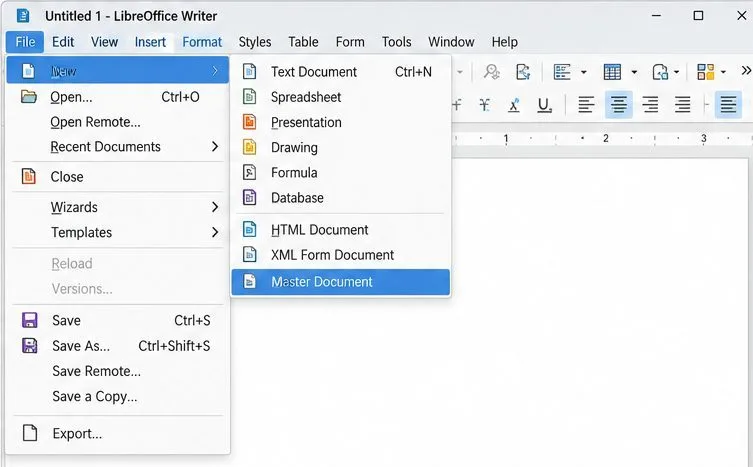
Split a long manuscript into chapters, assemble them in Writer, and keep styles, contents, and export checks consistent.
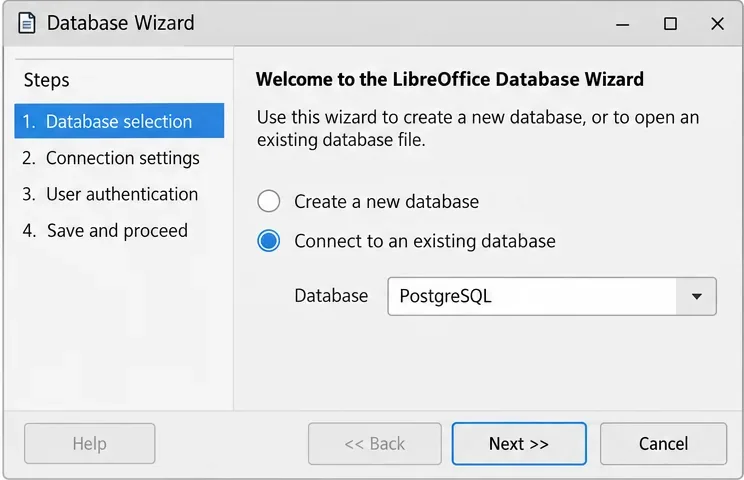
Use Base’s direct PostgreSQL option to enter your server details, sign in, save an ODB connection file, and troubleshoot common access errors.
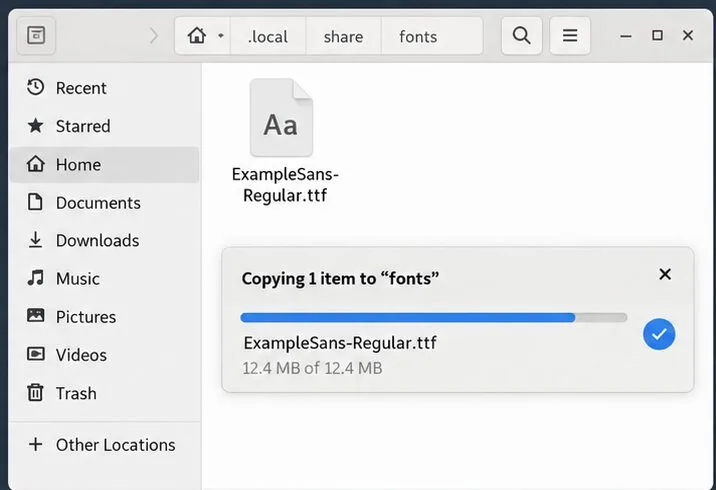
Install a font in your Linux user font folder, restart LibreOffice Flatpak, and confirm it appears in Writer without weakening the app sandbox.
Protect your work and isolate network-drive save crashes in LibreOffice on macOS Sonoma with a local-first workflow, permission checks, and targeted tests.
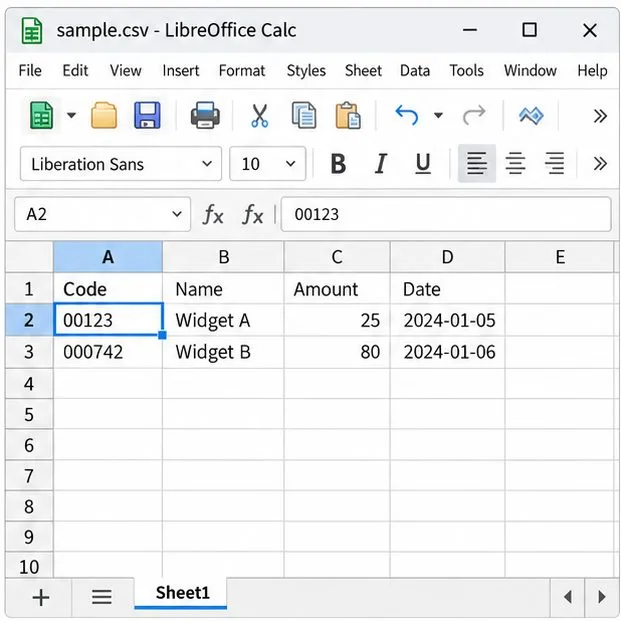
Preserve leading zeros in Calc by setting ID columns to Text during CSV import, checking the preview, and verifying the saved data.
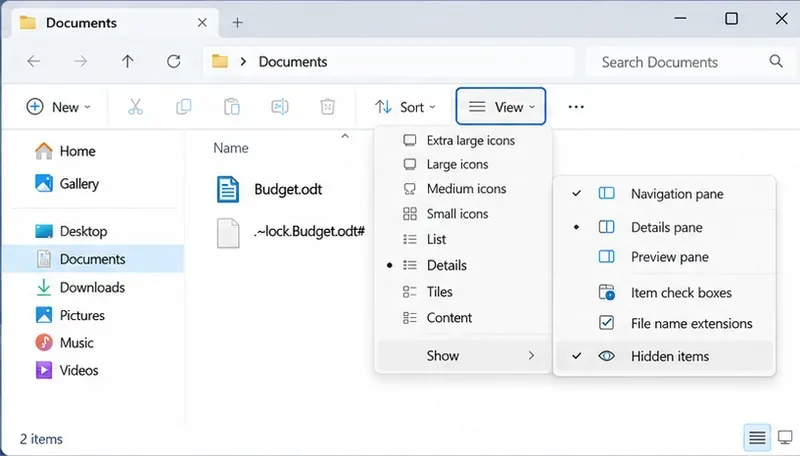
Find the cause of a LibreOffice document lock, safely clear a stale lock file, and confirm that you can edit and save without losing changes.